

Most dog owners spend serious time comparing kibble brands, debating protein percentages, and hunting down the cleanest ingredient lists. Fair enough. But there’s a nutrition upgrade most of them completely miss, one that’s cheap, easy to grow at home, and so dense with nutrients it almost seems implausible.
Microgreens for dogs aren’t a trend. A peer-reviewed study published in the Journal of Agricultural and Food Chemistry found that microgreens contain up to 40 times more vitamins and minerals than their fully mature counterparts, in some cases, up to 400 times more. That’s not a rounding error. A pinch of the right greens can deliver more nutritional value than a full bowl of salad vegetables, which makes them a genuinely useful supplement even when fed in small amounts.
This post covers the 10 best microgreen varieties for dogs, what’s actually in them, what each one does for your dog’s body, and exactly how much to feed based on your dog’s size and breed. Before getting into that, though, it’s worth knowing which varieties are safe and which ones to skip entirely.

What Are Microgreens?
Microgreens are the seedling stage of vegetables, herbs, and grains, harvested just 7–14 days after germination, right when the first true leaves appear.
They’re not sprouts (which are just germinated seeds grown in water), and they’re not baby greens (which are older and larger). Microgreens sit in their own category and that specific growth window is exactly why their nutrient concentration is so high.
- Age: Harvested at 7–14 days old, just after the first leaves emerge
- Size: Typically 1–3 inches tall
- Parts used: Stem and leaves only, roots stay in the growing medium
- Grown in: Soil or growing mats, usually under light
- Common varieties: Sunflower, pea shoots, broccoli, radish, wheatgrass, and more
- Flavor: More intense than mature vegetables, concentrated taste, concentrated nutrition
The short growth window is the whole point. The plant has mobilized everything it needs to grow, vitamins, enzymes, antioxidants, but hasn’t spent any of it yet. That’s what you’re capturing when you harvest early.
Can Dogs Eat Microgreens? What You Need to Know First
Yes, dogs can eat microgreens and most varieties are completely safe. They’re whole foods, not supplements or additives, so there’s no processing, no fillers, and nothing artificial. Fed in appropriate amounts, they’re one of the cleaner things you can add to a dog’s bowl.
That said, not every microgreen belongs in a dog’s diet. The one category to avoid entirely is alliums, that means onion, garlic, and chive microgreens are all off the table. Alliums contain compounds that damage red blood cells in dogs and can cause hemolytic anemia even in small amounts. The microgreen form is no safer than the mature vegetable, so skip them regardless of how tiny the serving.
Every other variety covered in this post falls within the safe range for most dogs. If your dog has a specific health condition, kidney disease, or is on medication, a quick check with your vet before introducing anything new is always worth it.
For a full breakdown of safe and unsafe varieties across species, read: Are Microgreens Safe for Pets? The Truth About Dogs, Cats & More
Want to grow microgreens at home, check out our step-by-step grow guides.
There are two ways to grow microgreens:
Types of microgreens to grow:
10 Best Microgreens for Dogs (With Nutrition & Benefits)
Not all microgreens offer the same thing. Some are better for digestion, some for joints, some for coat health. The ten varieties below are the most researched, the most accessible, and the most consistently safe for dogs across different life stages and sizes.
1. Broccoli Microgreens
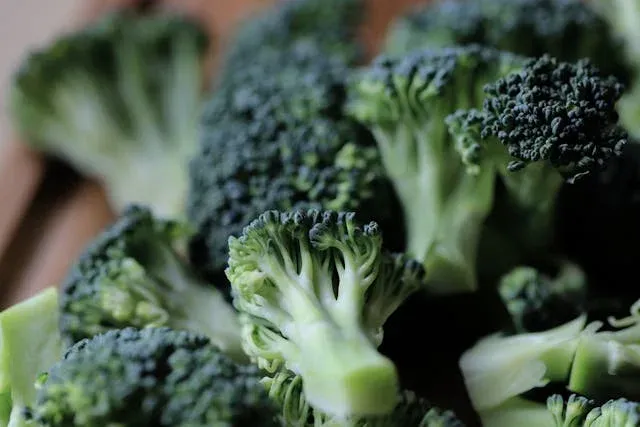
Broccoli microgreens are rich in vitamins C and K, but the real reason they’re on this list is sulforaphane, a compound with serious anti-inflammatory and cellular protection properties. The microgreen form contains 10–100x more sulforaphane than mature broccoli, before the plant starts converting it into other compounds as it matures. A small serving delivers more than a full bowl of adult broccoli ever could.
Caution: Avoid for dogs with thyroid conditions. Cruciferous vegetables can interfere with thyroid function in dogs already dealing with hypothyroidism.
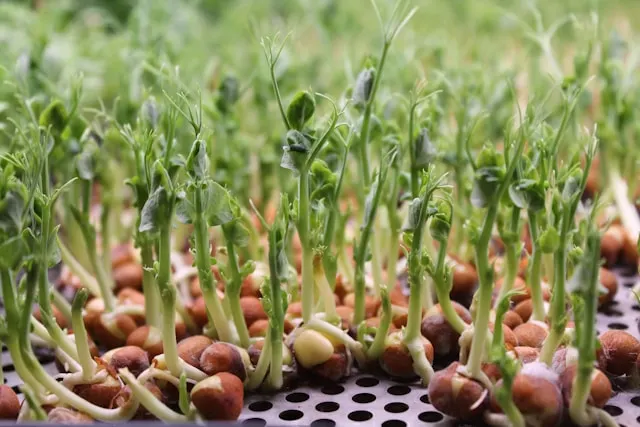
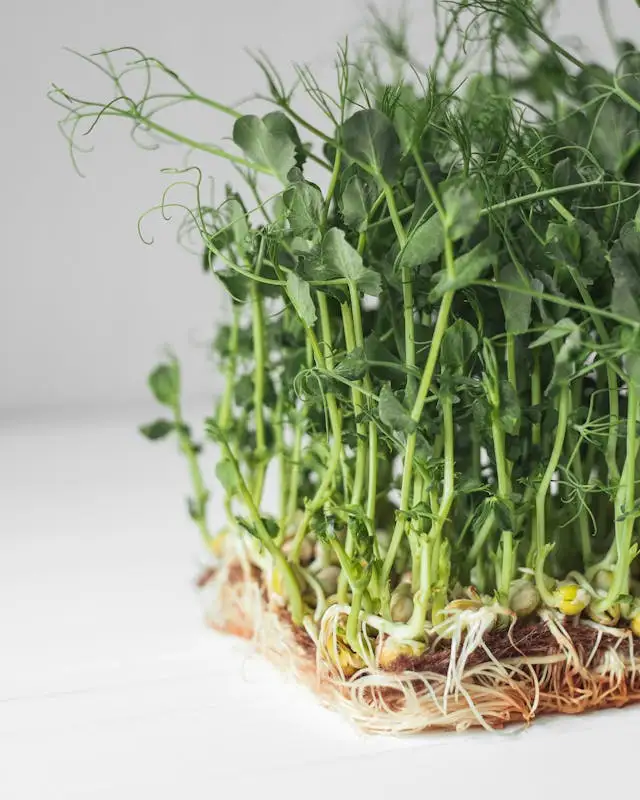
2. Pea Shoots
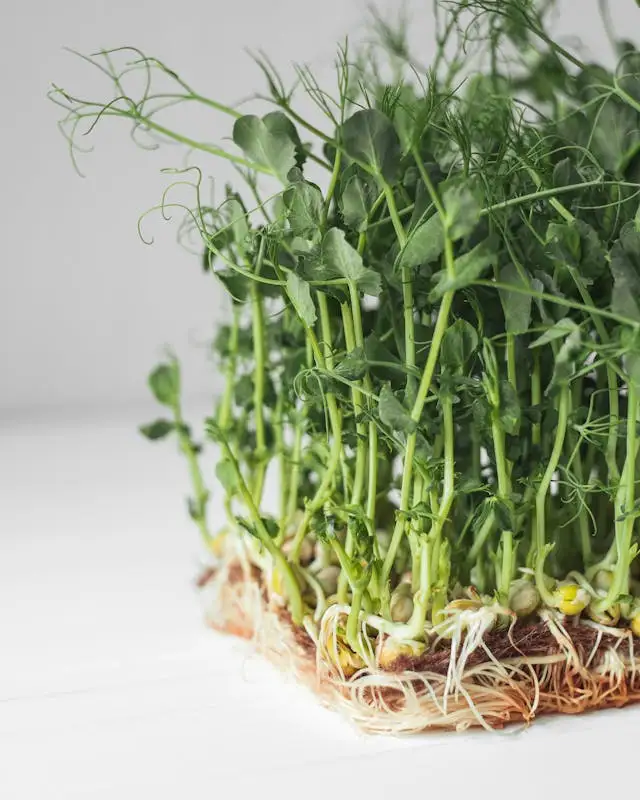
Pea shoots pack vitamins A, C, and K alongside fiber and plant-based protein, and they do it in the gentlest way possible. They’re mild, soft, and easy on the gut, which makes them the default recommendation for sensitive stomachs, senior dogs, and any dog that’s new to greens. The fiber keeps digestion moving without irritating the gut lining, and the protein is a small but genuine bonus.
Caution: None for most dogs. One of the safest varieties across the board.
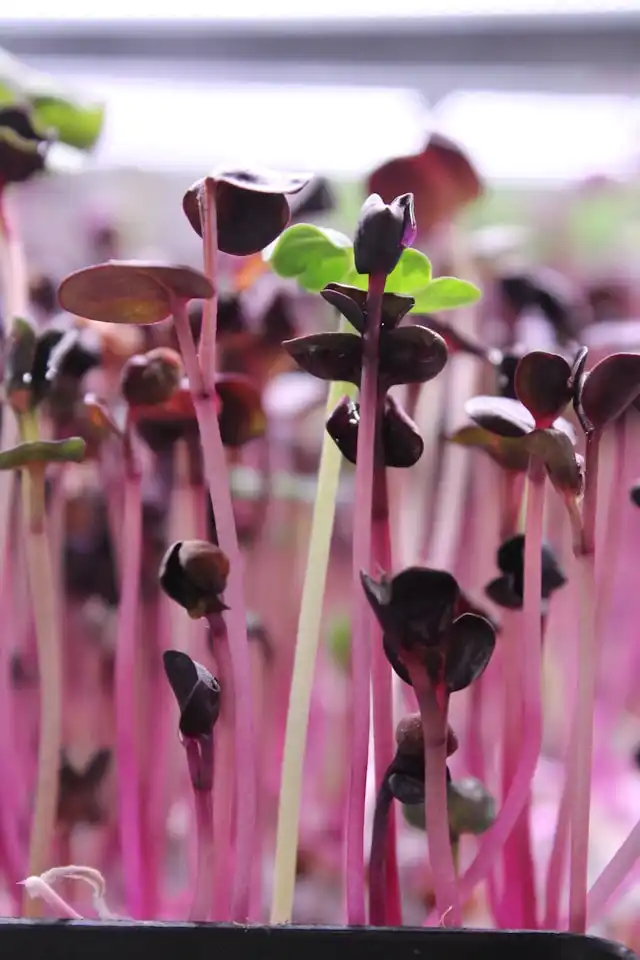
3. Radish Microgreens
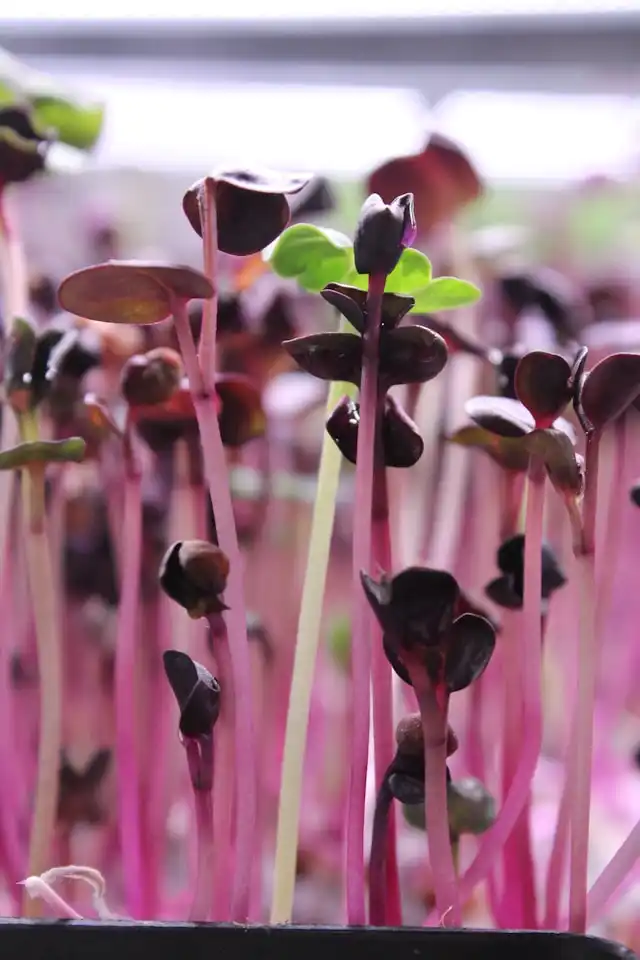
Radish microgreens are the peppery one on this list. They’re high in vitamin C and antioxidants, which support immune function and help neutralize oxidative stress, useful for dogs exposed to environmental pollutants or recovering from illness. The nutrition is solid; the flavor just needs an introduction period for some dogs.
Caution: Mix into food rather than serving straight. The strong flavor puts some dogs off initially, so start slow and work it in gradually.
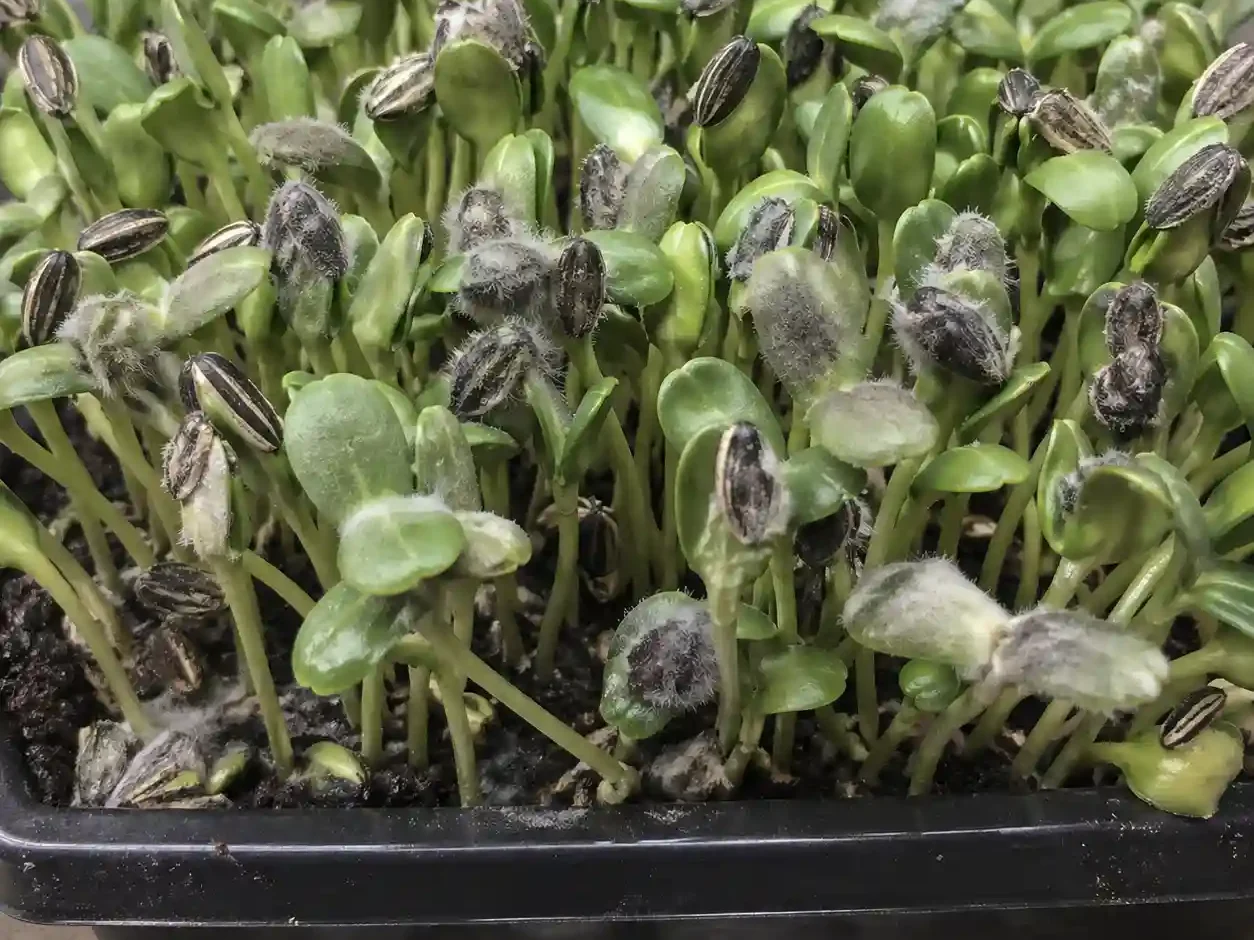
4. Sunflower Microgreens
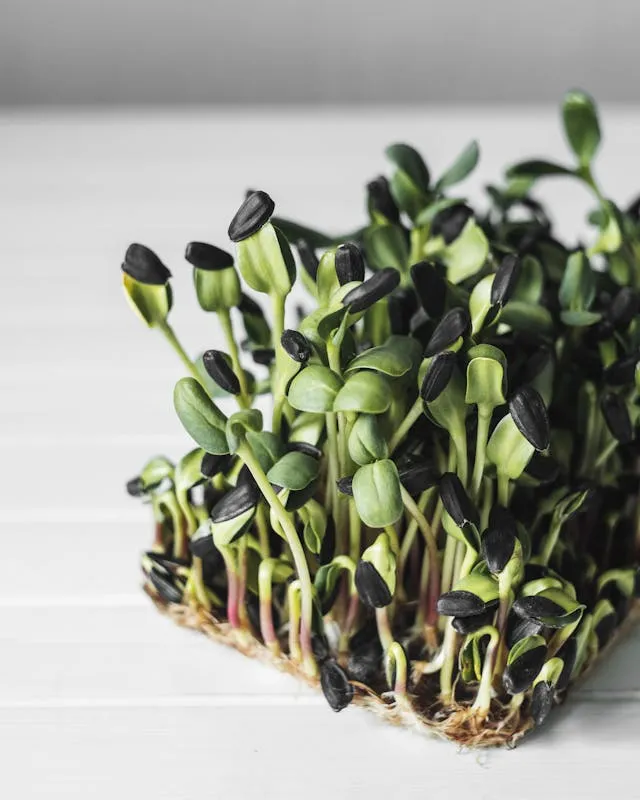
Sunflower microgreens bring a broad nutrient profile (vitamins A, B complex, D, and E, plus calcium, iron, and magnesium), with a mild, slightly nutty flavor most dogs accept without fuss. Vitamin E supports skin and coat condition, B vitamins help with energy metabolism, and the mineral content matters for bone and muscle function in larger or more active breeds.
Caution: None noted. One of the most universally tolerated microgreens for dogs.
5. Wheatgrass
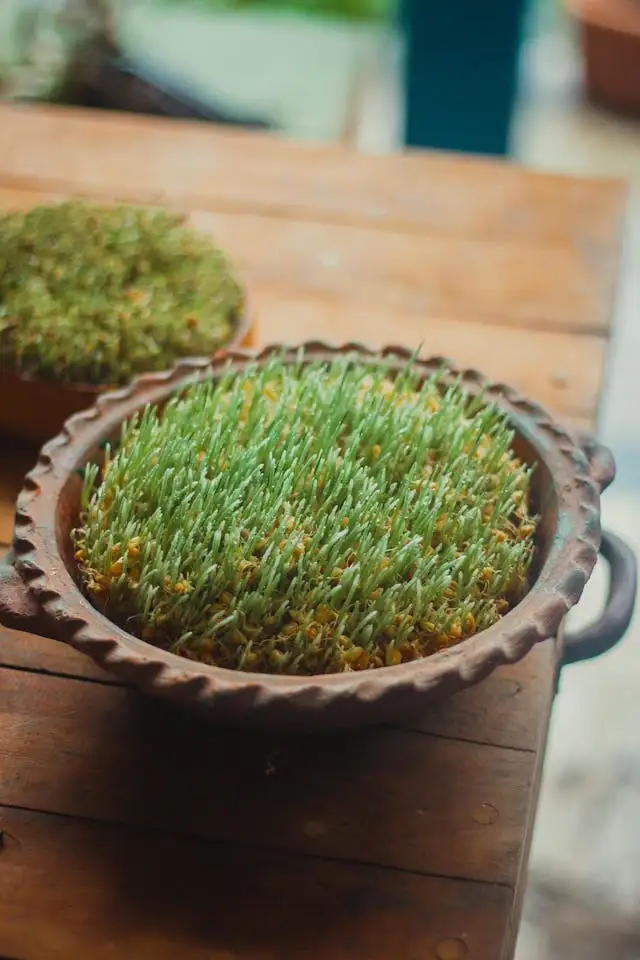
Wheatgrass is loaded with chlorophyll, amino acids, and digestive enzymes, and it gives dogs a clean, controlled version of what they’re already seeking when they graze on grass. The chlorophyll supports detoxification and can noticeably improve breath. The enzymes help with protein breakdown and overall digestive efficiency.
Caution: Start with half a teaspoon and increase slowly. Too much too soon can cause loose stools or vomiting, especially in dogs new to it.
6. Kale Microgreens
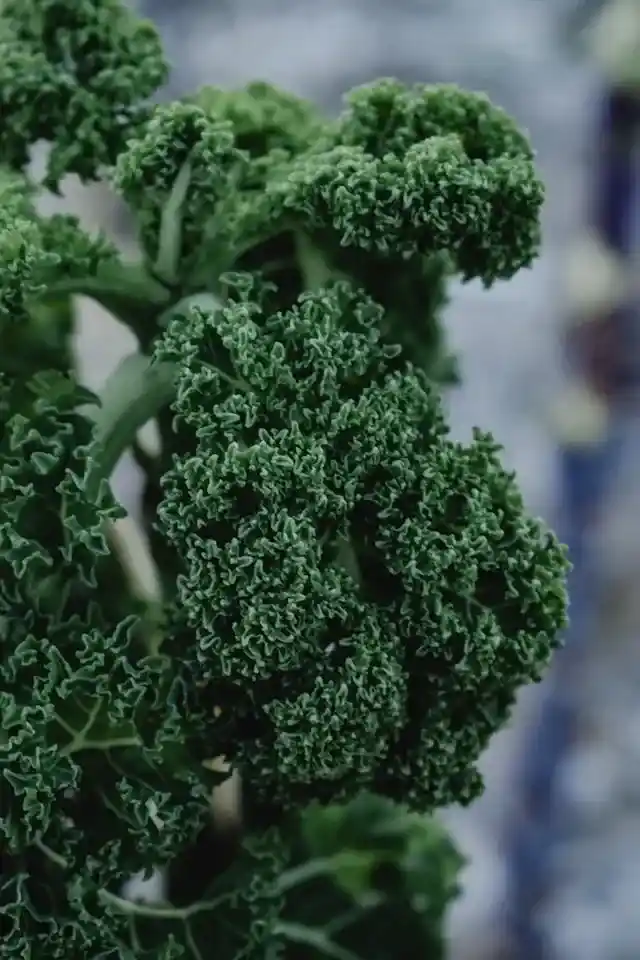
Kale microgreens deliver vitamins E and K alongside iron, calcium, potassium, and magnesium, one of the stronger mineral profiles on this list. The antioxidant content is genuinely high, vitamin K supports blood clotting and bone density, and the microgreen form delivers all of it without the digestive load of raw mature kale.
Caution: Avoid in dogs with thyroid conditions. Dogs with kidney problems should also eat kale in moderation due to its calcium oxalate content.
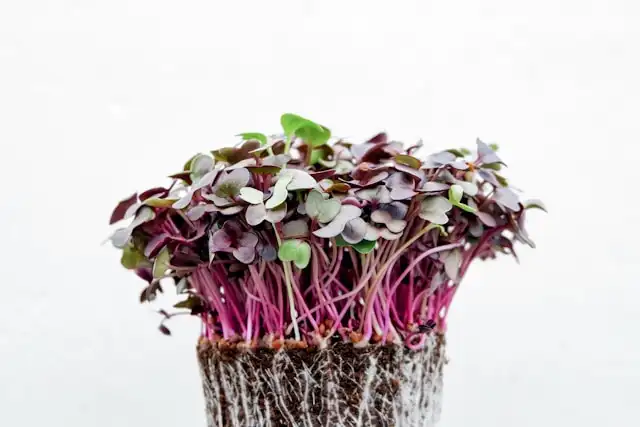
7. Red Cabbage Microgreens
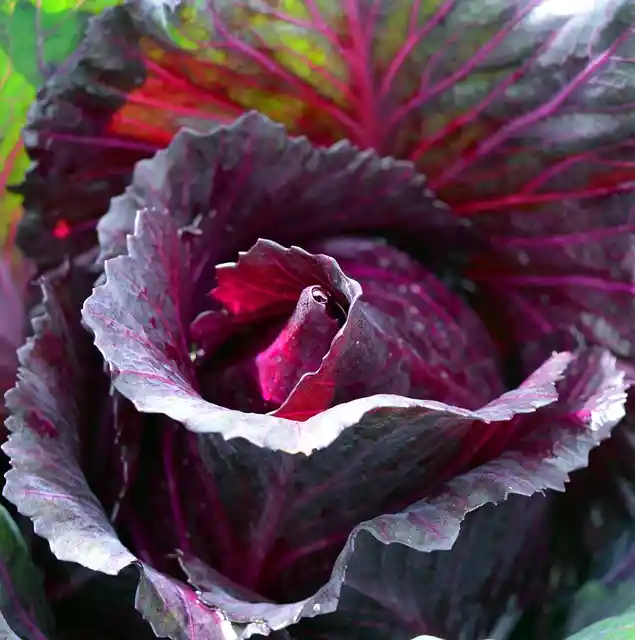
Red cabbage microgreens consistently rank among the most nutrient-dense varieties in research, carrying vitamins A, B complex, C, E, and K plus beta-carotene. The beta-carotene converts to vitamin A for eye and immune health. Vitamins C and E work together as antioxidants. There’s also evidence suggesting red cabbage compounds help reduce markers linked to cardiovascular inflammation, relevant for breeds with known heart vulnerabilities.
Caution: Introduce gradually. Red cabbage can cause gas in dogs with sensitive digestion.
8. Spinach Microgreens
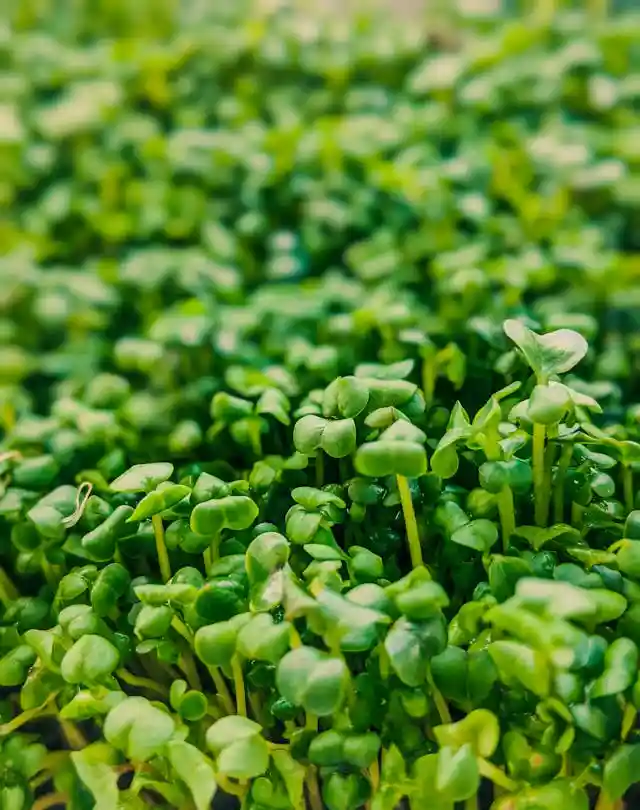
Spinach microgreens carry vitamins A, C, and K with solid iron and folate, supporting red blood cell production and immune function in a way that’s particularly useful for active or working breeds. The microgreen form has a lower oxalate load than mature spinach, making it the more practical option for dogs who can’t tolerate full-grown spinach regularly.
Caution: Not ideal for dogs with kidney disease or a history of oxalate stones. Check with your vet if that applies.
9. Clover Microgreens

Clover is mild, broadly safe, and carries a dependable mineral profile (iron, calcium, and magnesium), that supports bone density and joint health over time. It doesn’t get much attention in pet nutrition circles, but it’s one of the most consistently tolerated varieties across breeds and sizes.
Caution: None for most dogs. As safe as microgreens get.
10. Barley Microgreens
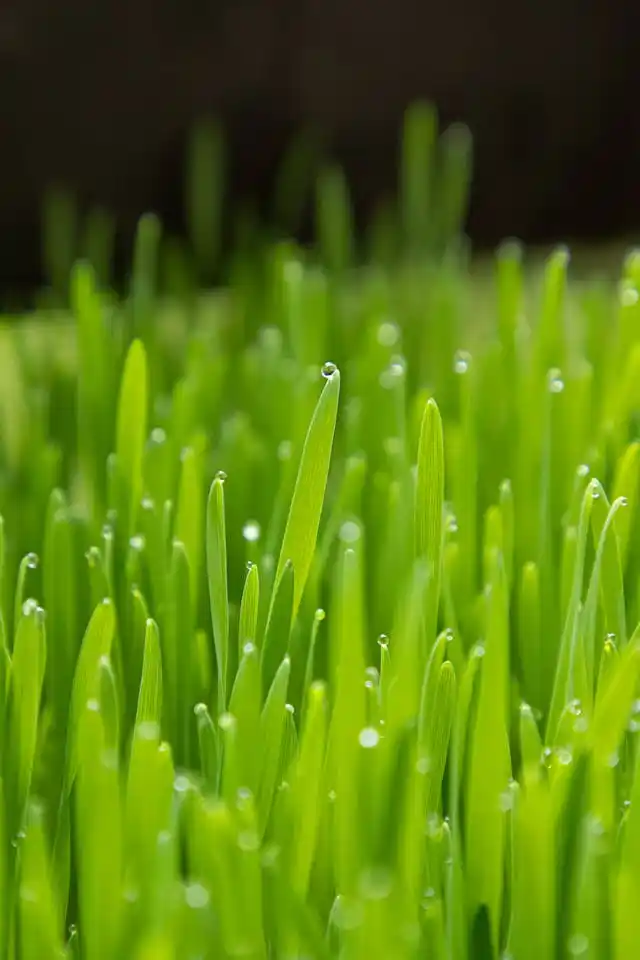
Barley microgreens work through their fiber, chlorophyll, and B vitamin content — supporting gut motility, stool consistency, and energy metabolism. Among dog owners who use microgreens regularly, barley gets mentioned most often in the context of senior dogs, with anecdotal links to improvements in both digestive regularity and joint comfort.
Caution: If your dog has a known grain sensitivity, look for gluten-free certified barley microgreens. The young plant contains far less gluten than mature barley, but tolerance varies.
Why Microgreens for Dogs Are Worth Adding to Every Bowl
The case for microgreens isn’t complicated. They’re small, they’re cheap, and they quietly do a lot, which is a rare combination in pet nutrition.
They’re extraordinarily dense with nutrients
That 40–400x figure isn’t marketing. It comes from a study published in the Journal of Agricultural and Food Chemistry, where researchers measured vitamin and mineral content in microgreens against fully mature vegetables of the same variety. Broccoli microgreens, for example, had up to 40 times more vitamin E and beta-carotene than adult broccoli. You don’t need to feed much to move the needle.
They’re easier to digest than mature greens
Fully grown vegetables have tougher cell walls. Dogs aren’t great at breaking those down, which is why a chunk of raw broccoli often passes through mostly intact. Microgreens are younger and softer, so the nutrients are more available, not just present.
Picky eaters won’t notice them
Finely chopped or lightly pureed microgreens disappear into wet food, mix into kibble, or blend into a topper without protest. Dogs that refuse vegetables outright will eat them without knowing.
They’re cheap and easy to grow
A tray of microgreens costs a few dollars in seeds and takes about ten days on a windowsill. One tray can last a small dog weeks. There’s no real argument against trying it.
They work across life stages and breed types
Senior dogs benefit from the anti-inflammatory compounds. Active and working dogs get a clean source of vitamins and minerals to support recovery. Breeds prone to joint issues, digestive sensitivity, or immune conditions have specific varieties that directly address those needs, which is exactly what the next section covers.
Microgreens vs. Mature Vegetables — Nutritional Comparison
| Nutrient | Mature Vegetables | Microgreens |
|---|---|---|
| Vitamin A | Moderate | Much higher |
| Vitamin C | Moderate | Higher |
| Vitamin K | Moderate | Much higher |
| Iron | Low–moderate | Higher |
| Calcium | Low–moderate | Higher |
| Antioxidants | Moderate | Much higher |
Best Microgreens for Dogs With Arthritis
Arthritis in dogs has no cure. What’s possible and worth pursuing, is making daily life more comfortable. Diet won’t reverse joint damage, but there’s reasonable evidence that certain anti-inflammatory compounds can take some of the edge off, and two microgreens in particular are worth knowing about.
- Broccoli microgreens contain sulforaphane, which activates the Nrf2 pathway, a cellular mechanism involved in regulating inflammation. Some researchers studying joint disease have flagged this pathway as relevant to reducing inflammatory activity around damaged tissue.
- Barley microgreens have chlorophyll and anti-inflammatory compounds that come up consistently in anecdotal reports from owners of senior dogs with mobility issues. Controlled studies in dogs are still limited, but the existing evidence in other species is worth noting.
Neither of these is a treatment. They’re food and a small dietary adjustment is not a substitute for veterinary care, pain management, or a proper arthritis management plan. That said, if you’re already looking for ways to support an arthritic dog’s comfort through nutrition, microgreens are one of the more practical things you can add to the bowl.
How Many Microgreens Should I Give My Dog? Serving Guide by Size & Breed
Less is more when starting out. Even safe, beneficial foods can cause loose stools or digestive upset if introduced too quickly, so regardless of your dog’s size, start at the lower end of the range and build up over one to two weeks. Once your dog’s gut has adjusted, the amounts below are a reasonable daily target.
Serving Size by Dog Size
| Dog Size | Weight | Daily Amount | Frequency |
|---|---|---|---|
| Extra Small | Under 10 lbs (Chihuahua, Yorkie) | ½ tsp | 2–3x per week |
| Small | 10–25 lbs (Beagle, Shih Tzu) | 1 tsp | 2–3x per week |
| Medium | 25–50 lbs (Cocker Spaniel, Border Collie) | 1–2 tsp | 3–4x per week |
| Large | 50–90 lbs (Labrador, Golden Retriever) | 1 tbsp | 3–4x per week |
| Extra Large | 90+ lbs (Great Dane, Mastiff) | 1–2 tbsp | 3–4x per week |
Microgreens should make up no more than 10% of your dog’s daily caloric intake. They’re a supplement to a balanced diet, not a replacement for any part of it.
Breed-Specific Considerations
Serving size is only part of the picture. The variety you choose matters too — and some breeds have specific health tendencies that make certain microgreens a better fit than others.
German Shepherds and Labradors are both prone to digestive sensitivity and loose stools. Start with pea shoots or spinach microgreens (mild, easy to digest, and unlikely to cause gut upset). Introduce slowly over two weeks before trying anything stronger.
Golden Retrievers and Rottweilers have statistically higher rates of certain cancers than most other breeds. Broccoli microgreens are the obvious choice here, specifically for the sulforaphane content and its studied role in cellular protection and anti-inflammatory activity. This isn’t a preventative treatment, but as a regular dietary addition, it’s one of the more evidence-backed choices you can make for these breeds.
Senior dogs and breeds prone to joint issues — including Labradors, German Shepherds, and larger breeds generally, benefit most from the broccoli and barley combination covered in the arthritis section above.
Small and toy breeds — Chihuahuas, Yorkies, Maltese, need finely chopped or lightly blended microgreens to avoid any choking risk and make digestion easier. Sunflower and pea shoots work best here: mild flavor, soft texture, and gentle enough for even the smallest dogs. Stick to the lower end of the extra small serving range until you know how your dog handles it.
How to Serve Microgreens to Dogs
Microgreens don’t need any cooking or preparation beyond washing, which is one of the reasons they’re so easy to work into a dog’s routine. A few ways that work well:
- Finely chopped into kibble — the simplest method. Chop small enough that the greens mix into the food rather than sitting on top, where a picky dog will eat around them.
- Blended into homemade food — works well if you batch-cook your dog’s meals. Blend the microgreens in before portioning so they’re evenly distributed throughout.
- Mixed into bone broth — a good option for dogs that need extra encouragement. The broth masks any unfamiliar flavor and makes the whole thing more appealing.
- As a standalone treat — sunflower microgreens work best for this. They’re mild enough that many dogs will take them directly from your hand once they’re used to the taste.
Always wash microgreens thoroughly before serving, even if they’re labeled pre-washed. Organic is worth the extra cost where available, microgreens are harvested so young that whatever’s on the growing medium ends up concentrated in the plant.
Microgreens to Avoid Giving Your Dog
Most microgreens are safe. A small group aren’t and it’s worth knowing the difference clearly before adding anything new to your dog’s bowl.
Avoid these entirely:
- Onion microgreens — contain thiosulfate compounds that damage red blood cells and can cause hemolytic anemia. No safe serving size for dogs.
- Garlic microgreens — same family, same mechanism, higher concentration. Garlic is more potent than onion pound for pound and just as dangerous in microgreen form.
- Chive microgreens — also alliums. The microgreen form is no safer than the mature plant — skip them regardless of serving size.
- Shallot microgreens — same allium family, same risk. Often overlooked because shallots get less attention than garlic and onion, but the toxicity is identical.
Limit these for certain dogs:
- Mustard microgreens — fine occasionally for most dogs, but avoid the spicier varieties like wasabi mustard entirely. Strong brassica compounds can irritate the digestive tract in sensitive dogs.
- Kale and broccoli microgreens — both are on the best-of list, but dogs with hypothyroidism should avoid them or limit them significantly. Cruciferous vegetables can interfere with thyroid hormone production, which matters when the thyroid is already underperforming.
If your dog gets into any allium plant in meaningful quantity, contact your vet promptly. Symptoms of allium toxicity: lethargy, pale gums, reduced appetite, and discolored urine, can take a few days to appear.
How to Grow Microgreens for Your Dog
Growing microgreens at home is genuinely one of the easier things you can do in pet nutrition. You need a shallow tray, a growing medium (soil or a coco coir mat), seeds, and a spot with decent light. That’s it. Total setup cost is a few dollars, and most varieties are ready to harvest in 7–14 days.
Pea shoots, sunflower, and broccoli are the best starting varieties, fast-growing, hard to get wrong, and the ones your dog will actually benefit from most. Scatter seeds densely across the tray, mist twice daily, and keep them somewhere with indirect light for the first few days. Once the shoots are 2–3 inches tall, cut just above the soil line and serve fresh.
One tray can last a small dog two to three weeks when stored properly in the fridge. For larger dogs or multiple pets, running two trays on a staggered schedule means you’ll always have a fresh batch ready, and the ongoing cost drops to almost nothing.
Frequently Asked Questions
Can puppies eat microgreens?
Yes, but wait until a puppy is fully weaned and eating solid food consistently, typically around 8 weeks. Start with the gentlest varieties like pea shoots, in amounts smaller than the extra small serving guide above. Puppies have sensitive digestive systems, so introduce slowly and watch for any reaction.
Can dogs eat microgreens every day?
Yes, most healthy adult dogs can have microgreens daily. Stick to the serving sizes in the guide above and rotate varieties rather than feeding the same one every day. Variety gives a broader nutrient profile and reduces the risk of overloading any single compound.
Are store-bought microgreens safe for dogs?
Yes, as long as they’re washed thoroughly before serving. Organic is preferable, microgreens absorb whatever’s in their growing medium, and the seedling stage concentrates everything quickly. Avoid any pre-packaged blends that include onion, garlic, chive, or shallot.
Can I grow microgreens at home for my dog?
Yes, and it’s arguably the better option. Home-grown microgreens are fresher, cheaper, and free from any pesticide or fertilizer residue. Pea shoots, sunflower, and broccoli are the easiest starting varieties and the most beneficial for dogs.
What’s the difference between sprouts and microgreens for dogs?
Sprouts are germinated seeds grown in water with no soil, you eat the seed, root, and shoot together. Microgreens are grown in soil or a growing medium and harvested at the first leaf stage, 7–14 days in. Microgreens are generally considered safer for dogs because the growing conditions are less prone to bacterial contamination than the warm, wet environment sprouts need to develop.
References
- Xiao, Z., Lester, G. E., Luo, Y., & Wang, Q. (2012). Assessment of Vitamin and Carotenoid Concentrations of Emerging Food Products: Edible Microgreens. Journal of Agricultural and Food Chemistry, 60(31), 7644–7651.
- Fahey, J. W., Zhang, Y., & Talalay, P. (1997). Broccoli sprouts: An exceptionally rich source of inducers of enzymes that protect against chemical carcinogens. Proceedings of the National Academy of Sciences, 94(19), 10367–10372.
- Houghton, C. A. (2019). Sulforaphane: Its “Coming of Age” as a Clinically Relevant Nutraceutical in the Prevention and Treatment of Chronic Disease. Oxidative Medicine and Cellular Longevity.
- Šamec, D., Urlić, B., & Salopek-Sondi, B. (2019). Kale as a superfood: Reasons to include it in the diet. Acta Scientiarum Polonorum Hortorum Cultus, 18(1), 83–98.
- Mlček, J., & Rop, O. (2011). Fresh edible flowers of ornamental plants — A new source of nutraceutical foods. Trends in Food Science & Technology, 22(10), 561–569.
- ASPCA Animal Poison Control Center. Allium Species Toxicity in Dogs and Cats.
- Yamato, O., Hayashi, M., Yamasaki, M., & Maede, Y. (1998). Induction of onion-induced haemolytic anaemia in dogs with sodium n-propylthiosulphate. Veterinary Record, 142(9), 216–219.
- Chandrasekara, A., & Shahidi, F. (2011). Determination of antioxidant activity in free and hydrolyzed fractions of millet grains and characterization of their phenolic profiles. Journal of Functional Foods, 3(3), 144–158.
- Cory, H., Passarelli, S., Szeto, J., Tamez, M., & Mattei, J. (2018). The Role of Polyphenols in Human Health and Food Systems: A Mini-Review. Frontiers in Nutrition, 5, 87.
- National Research Council. (2006). Nutrient Requirements of Dogs and Cats. National Academies Press.
Note: Research on microgreens specifically in canine diets remains limited. Several references above are drawn from human nutrition and general plant science literature. Always consult a veterinarian before making significant changes to your dog’s diet.