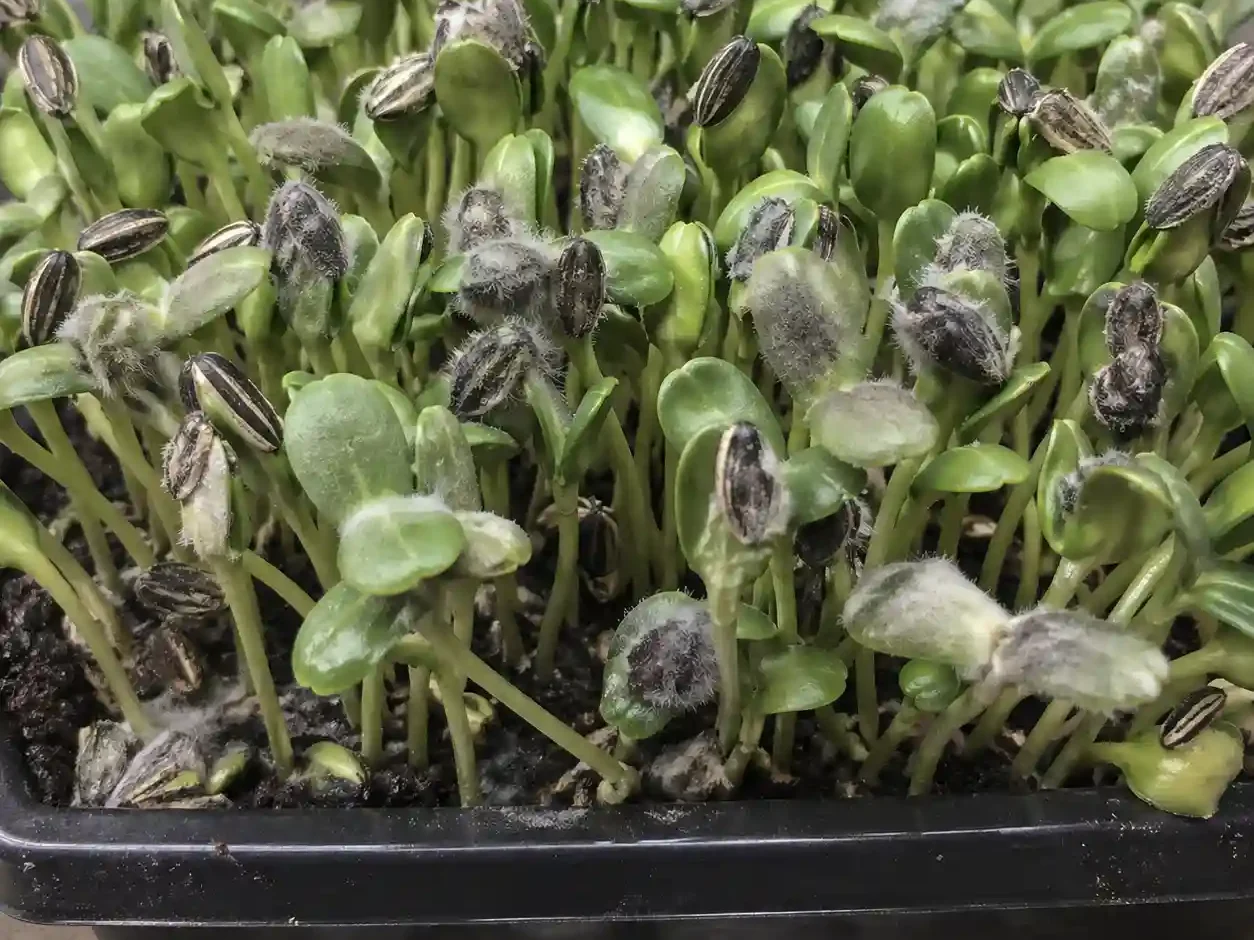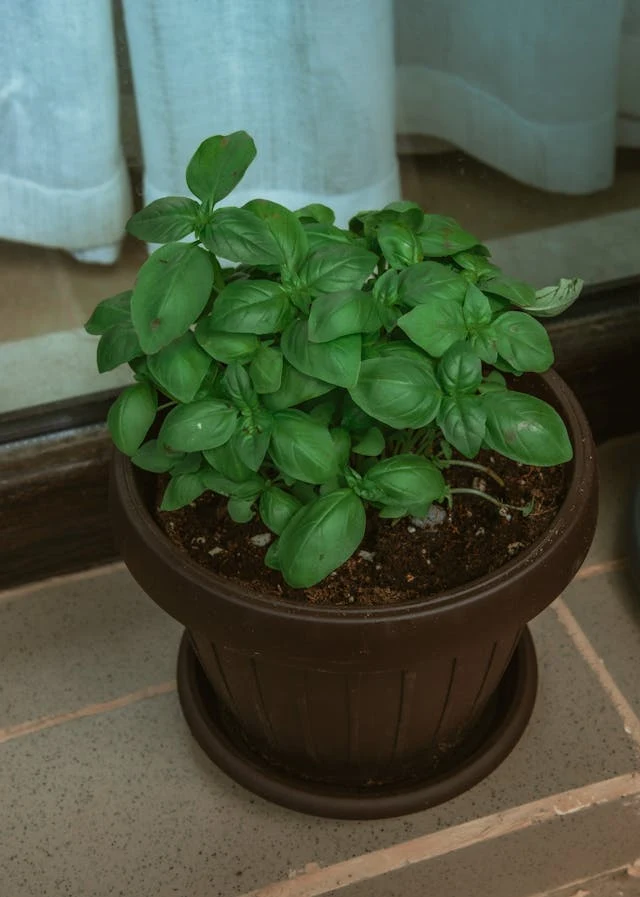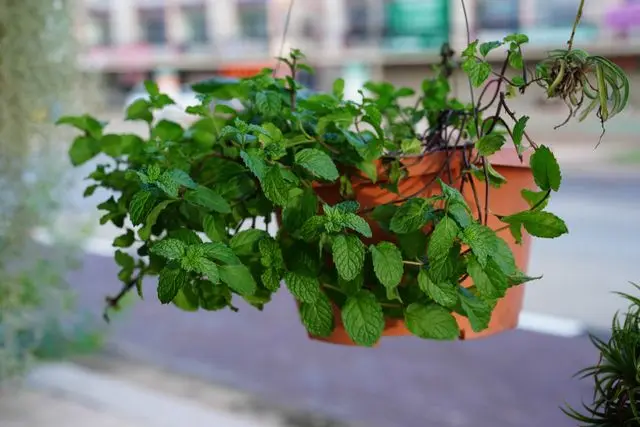


Last spring, I caught my dog Miso with his nose buried in a tray of sunflower microgreens I’d left on the kitchen counter. He’d already chomped through half of it before I noticed. My first reaction was panic, my second was a frantic Google search that gave me twelve different answers and a minor headache.
So are microgreens safe for pets? For the most part, yes. Most microgreens are completely safe for dogs, cats, and other common household pets, but a handful of varieties can cause real harm, and that distinction actually matters.
The good news is that the list of pet-safe microgreens is long. The bad news is that a few popular ones, like those grown from certain legume seeds, can be genuinely toxic depending on the animal.
In this post, I’m going through the specifics: which microgreens are safe for dogs, which ones cats can handle (spoiler: it’s a shorter list), what other pets can and can’t eat, and how to serve microgreens without turning a healthy snack into a vet visit.

What Exactly Are Microgreens And Why Do Pets Love Them?
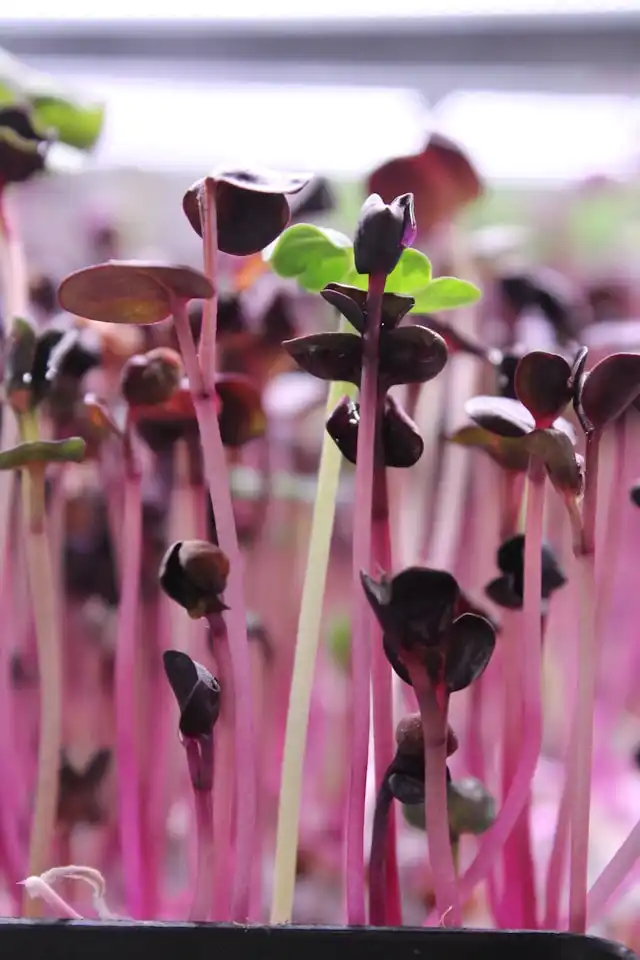
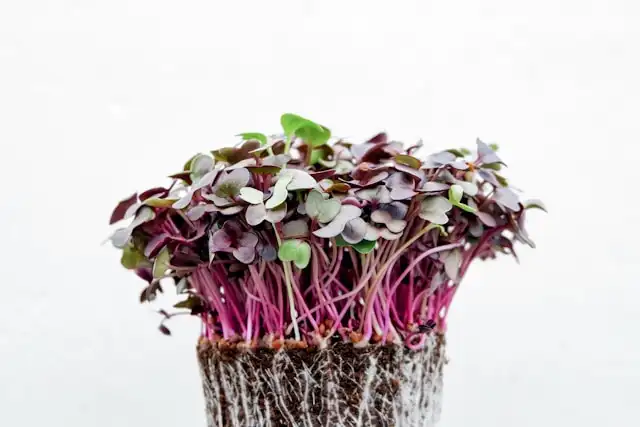
Microgreens are just baby plants. You harvest them 7 to 14 days after germination, when they’re somewhere between 1 and 3 inches tall and have just grown their first set of true leaves. No complicated growing process, just very young vegetables pulled at peak freshness.
Microgreens vs. Sprouts — Not the Same Thing
People mix these up constantly, and the difference matters, especially for pet safety.
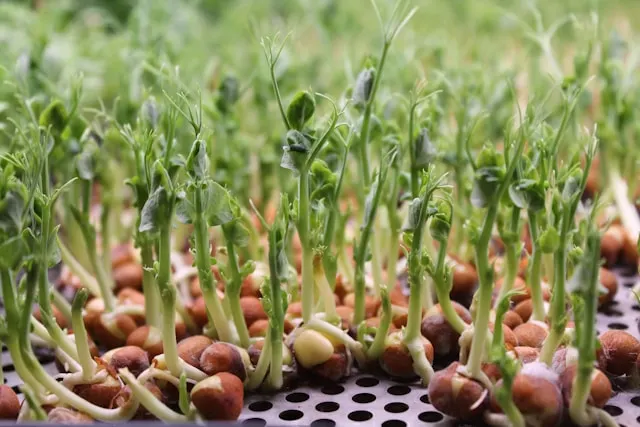
- Sprouts are germinated seeds eaten whole, root, seed, and all, after just a few days soaking in water. They never see soil or light.
- Microgreens grow in soil or a growing medium, get real light, and you only harvest the stem and leaves.
Sprouts also carry a higher risk of bacterial contamination, which is one reason microgreens are generally the safer choice for both you and your pet.
Why Pets Are Drawn to Greens in the First Place
Your dog eating grass at 6am isn’t random. Neither is your cat chewing on a houseplant despite having a full food bowl. Wild animals graze on greens for real reasons:
- Wolves eat grass and foliage to help move things through the gut
- Wild cats chew plant matter to bring up hairballs or settle their stomachs
- Both behaviors come from the same instinct, greens aid digestion
Your pets still carry those instincts. When they go for plants, they’re usually after something their body is asking for.
The Nutrient Density Factor
This is the part that genuinely surprised me. Young seedlings can contain up to 40 times the nutrient concentration of their fully grown counterparts. A 2012 USDA study found that microgreens like red cabbage and cilantro packed dramatically higher levels of vitamins C, E, and K than mature versions of the same plants.
So when your pet grazes on greens, they may actually be onto something. The question is just whether what they’re eating is safe for them.
Are Microgreens Safe for Dogs? Benefits, Varieties & Serving Tips
Yes, dogs can eat most microgreens without any issue. Unlike cats, dogs are omnivores, which means their digestive systems are built to handle plant matter alongside protein. Microgreens aren’t just tolerated by dogs; they can genuinely complement a healthy diet when served right.

What Microgreens May Contribute to in a Dog’s Diet
Research on microgreens in canine nutrition is still limited, but some of the nutrients they contain are already well studied in broader animal nutrition research. Microgreens should be treated as a supplemental food, not a replacement for a balanced diet or veterinary care.
- Digestion — Microgreens contain fiber, which may help support normal digestion and gut health when fed in appropriate amounts.
- Immune function — Some varieties contain vitamins such as C and E, nutrients associated with normal immune system function and antioxidant activity.
- Coat and skin health — Varieties like sunflower microgreens contain fatty acids and nutrients that may help support healthy skin and coat condition as part of a balanced diet.
- Joint and aging support — Brassica-family microgreens contain plant compounds and antioxidants that are being studied for their role in inflammation-related biological pathways, particularly in aging research.
- Research interest around cruciferous vegetables — Broccoli microgreens contain glucosinolate-derived compounds such as sulforaphane, which have been studied in laboratory and animal nutrition research. One frequently cited study involving Scottish Terriers observed an association between cruciferous vegetable intake and lower bladder cancer incidence, though this does not establish prevention or guarantee the same effect in other dogs.
Best Microgreens for Dogs
Not every variety is created equal. These are the ones worth actually growing or buying for your dog:
- Wheatgrass — The classic. Supports digestion and detoxification
- Broccoli — Nutrient-dense, high in sulforaphane
- Sunflower — Great for coat health, mild flavor most dogs accept easily
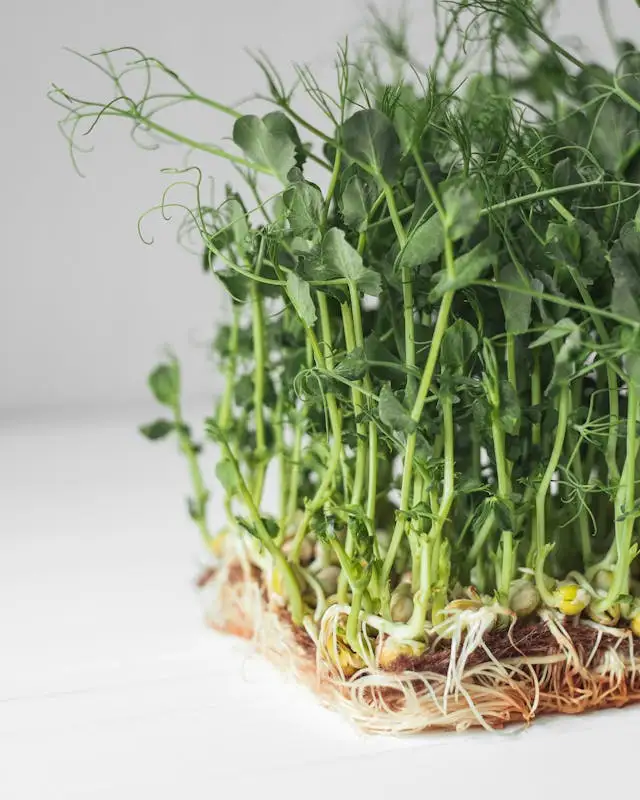
- Pea shoots — High in protein and vitamins A and C
- Kale — Rich in calcium and iron; fine in small amounts
- Cabbage — Supports gut health and immune function
How Much Is Safe to Serve
Keep microgreens to a maximum of 10% of your dog’s daily food intake. Chop them finely or blend them into kibble, whole microgreens can pass through undigested, which wastes the nutrients entirely.
Start small, watch for any stomach upset, and increase gradually from there.
Want to go deeper? I’ve put together a full guide covering exactly which microgreens dogs can and can’t eat, detailed nutrition breakdowns, and serving guidelines by size and breed, do check it out.
Can Cats Eat Microgreens Safely? What Every Cat Owner Should Know
Yes, but with more caution than dogs. Cats are obligate carnivores — their bodies are designed to run almost entirely on animal protein. Unlike dogs, they can’t efficiently convert plant nutrients into usable forms. A cat eating microgreens isn’t getting the same nutritional payoff a dog would. That doesn’t mean microgreens are harmful; it just means they’re supplementary at best, not a dietary feature.
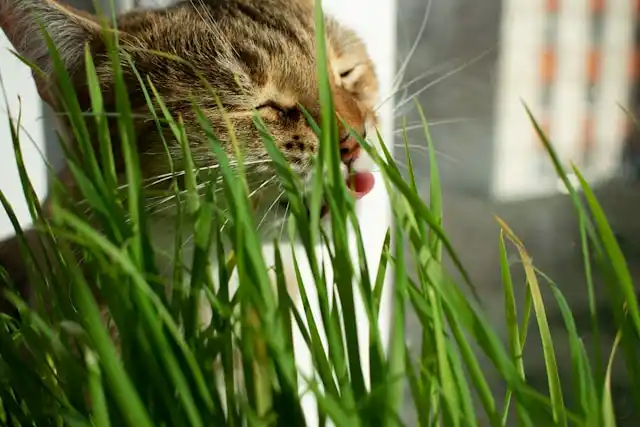
So Why Do Cats Eat Plants at All?
If you’ve owned a cat for more than five minutes, you’ve watched them chew on something they have absolutely no business eating. There are a few real reasons behind it:
- Hairball control — Grass and plant fiber help move hair through the digestive tract before it becomes a problem
- Digestion aid — Plant matter can stimulate gut motility, especially in cats that eat mostly dry food
- Enrichment — Indoor cats have limited sensory variety. Chewing on something textured and alive scratches an instinctual itch that a food bowl simply doesn’t
It’s less about nutrition and more about what their bodies are still wired to do, even generations removed from any outdoor hunting.
Best Microgreens for Cats
Stick to gentle, well-tolerated varieties:
- Wheatgrass — The safest and most widely recommended for cats
- Cat grass — Typically oat or rye grass; specifically grown with cats in mind
- Barley grass — Mild, easy on the stomach
- Pea shoots — Generally well tolerated in small amounts
- Broccoli microgreens — Fine occasionally, but don’t make it a regular thing
One worth mentioning separately: catnip microgreens. They’re safe and some cats absolutely lose their minds over them — but about 30% of cats have no reaction to catnip at all. It’s genetic, so don’t be alarmed if your cat sniffs the tray and walks away unimpressed.
What to Avoid — Hard No’s for Cats
Garlic, onion, and chive microgreens are genuinely dangerous. All three belong to the Allium family and can cause Heinz body anemia in cats — a condition where red blood cells break down faster than the body can replace them. Even small repeated doses add up.
Keep microgreens to no more than 5% of your cat’s daily intake, and always introduce a new variety slowly.
What About Other Pets — Are Microgreens Safe for Pets, Rabbits, Birds & More?
Dogs and cats get most of the attention, but plenty of other pets can benefit from microgreens too. The rules shift depending on the animal, so here’s what actually applies to each.
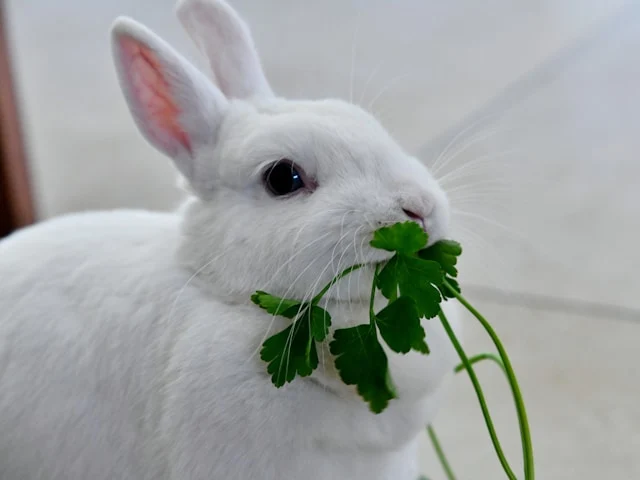
Rabbits
Rabbits are herbivores, so microgreens fit naturally into their diet, probably better than any other pet on this list. They tend to go after:
- Sunflower microgreens — A favorite; good fat content and easy to digest
- Pea shoots — High in protein for a plant source, and most rabbits love the taste
- Broccoli microgreens — Fine in small amounts; too much can cause gas
Avoid anything high in oxalates, like spinach microgreens, which can interfere with calcium absorption over time. Sugary or starchy varieties are also worth skipping, rabbits don’t need the extra sugar load.
Birds and Parrots
Most birds handle microgreens well, and parrots in particular seem to enjoy the texture of sunflower microgreens specifically. Safe varieties for birds largely overlap with the dog-safe list, wheatgrass, broccoli, pea shoots, and sunflower are all reasonable options. Chop them small or offer them whole and let the bird tear at them. Either works.
Guinea Pigs and Hamsters
Both do fine with mild, leafy microgreens. Bok choy and swiss chard microgreens work well here, good nutrient density without anything too harsh on small digestive systems. Keep portions tiny. What looks like a small amount to you is a substantial serving for a hamster.
Reptiles
This one needs a caveat. Some herbivorous reptiles, certain tortoise species, iguanas, uromastyx, can eat microgreens as part of a varied plant-based diet. But reptile nutrition is genuinely complicated and varies a lot by species. Before adding anything new to a reptile’s diet, check with a vet who actually specializes in exotic animals. It’s not worth guessing.
Which Microgreens Are Toxic to Pets? The Complete Avoid List
Not every microgreen is fair game. A useful rule of thumb: if the mature plant is toxic to pets, its microgreen form is too. The seedling stage doesn’t neutralize the compounds that cause harm, in some cases it concentrates them.
Here’s what to keep away from dogs and cats specifically:
| Microgreen | Why It’s Dangerous |
|---|---|
| Onion | Allium family — destroys red blood cells, causing hemolytic anemia in both dogs and cats |
| Garlic | Same mechanism as onion but more potent by weight; even small amounts are harmful to cats |
| Leek | Also an Allium; carries the same anemia risk, often overlooked because it sounds mild |
| Chive | Another Allium — popular as a garnish but genuinely toxic to both dogs and cats |
| Tomato | Nightshade family; contains solanine, which affects the nervous system and digestive tract |
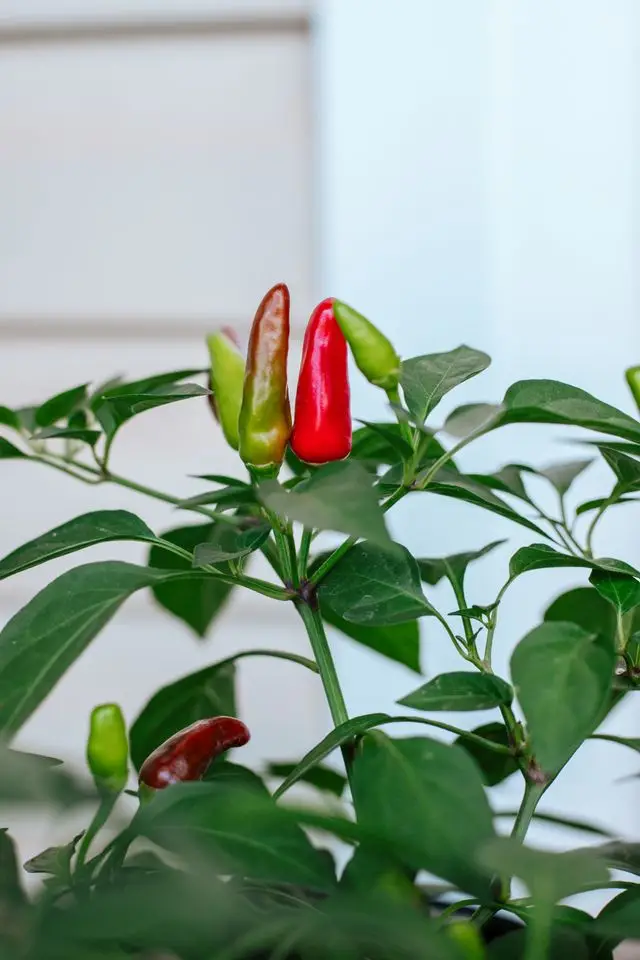
| Pepper | Also a nightshade; solanine content makes it unsafe, especially for cats |
| Oregano | Listed as toxic to dogs and cats by the ASPCA — surprising given how common it is as a microgreen |
| Parsley | Fine in trace amounts as a mature herb, but in microgreen quantities the furanocoumarins can build up and cause real damage |
| Citrus varieties | Tangerine, lemon, and similar citrus microgreens are too acidic for pet digestive systems and contain essential oils that irritate cats particularly |
A few of these catch people off guard, oregano especially. It gets marketed as a health microgreen, which it arguably is for humans. For pets it’s a different story.
The safest approach is to grow or buy microgreens specifically with your pet in mind, rather than sharing from whatever tray you’ve already got on the counter. What works for your salad doesn’t automatically work for them.
When in doubt, cross-reference with the ASPCA’s toxic plant database before introducing anything new. It’s free, searchable, and regularly updated.
How Do You Feed Microgreens to Pets? Dosage, Prep & Serving Ideas
Knowing which microgreens are safe is only half of it. How you introduce and serve them actually determines whether your pet gets any benefit or just an upset stomach.
First Introduction — Do It This Way
Most digestive reactions happen because owners go too fast. Here’s a process that works:
- Start with one teaspoon, finely chopped, mixed into your pet’s regular food
- Wait 48 hours before offering again — watch for vomiting, loose stool, itching, or unusual lethargy
- If no reaction, offer every other day for a week at the same amount
- Gradually increase to your target portion over 2 to 3 weeks
- Stick to one new variety at a time — if something goes wrong, you’ll know exactly what caused it
How Much Is Actually Safe
- Cats — Keep it between 5 and 8% of daily food intake; their digestive systems aren’t built for more
- Dogs — Up to 10% of daily intake is generally fine for most breeds and sizes
Preparation Options
- Fresh-chopped — Best nutrient retention; just wash thoroughly first
- Blended — Good for picky eaters; mix directly into wet food or kibble
- Freeze-dried — Convenient and shelf-stable; check that no salt or additives were used in processing
- Baked into treats — Works well with broccoli or pea shoot microgreens; low-heat baking preserves most nutrients
Before Every Serving
Always wash microgreens thoroughly, even if you grew them yourself. If you’re buying them, go organic where possible, pesticide residue on conventionally grown microgreens is a real concern for small animals whose bodies have far less tolerance than ours.
If your pet ever shows vomiting, diarrhea, lethargy, or skin irritation after eating microgreens, stop immediately and call your vet.
Should You Grow Microgreens at Home for Your Pet?
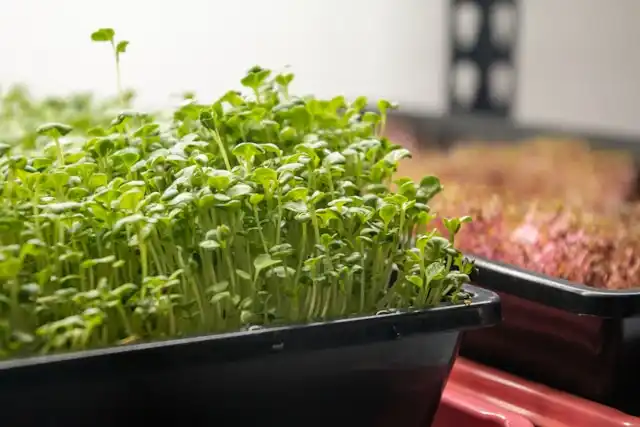
Honestly, if your pet is going to eat microgreens regularly, growing them yourself makes more sense than buying pre-grown packs. You control exactly what goes into the tray, no pesticides, no chemical fertilizers, no mystery handling between the farm and your counter. For small animals especially, that matters more than most people realize.
It’s also significantly cheaper over time. A single pack of pre-grown microgreens costs what a full bag of seeds does, and that bag grows dozens of trays.
The Basics Are Simple
- Use organic seeds, conventional seeds are often treated with fungicides
- Grow in shallow trays with a thin layer of soil or coco coir
- Most pet-safe varieties are ready to harvest in 7 to 14 days
- No special equipment needed to start
One thing worth mentioning: cats and dogs often enjoy grazing directly from the tray rather than eating from their bowl. That’s completely fine and for indoor pets, it doubles as genuine enrichment. Watching my dog sniff around a fresh wheatgrass tray for ten minutes before taking a single bite was oddly entertaining.
If you want to get started, my complete microgreens growing guide walks through the full process from setup to first harvest. And if you’re not sure which seeds to buy for your specific pet, the seed selection guide breaks it down by animal and variety.
Frequently Asked Questions
Can microgreens replace my pet’s regular food?
No. Microgreens are a supplement, not a substitute. Dogs still need animal protein as their primary food source, and cats need it even more — they can’t synthesize essential amino acids like taurine from plants. Think of microgreens the way you’d think of a multivitamin: useful on top of a solid diet, useless instead of one.
My dog ate a handful of microgreens — should I be worried?
It depends on the variety. If it was wheatgrass, pea shoots, sunflower, or broccoli microgreens, your dog is almost certainly fine. If it was anything from the Allium family — onion, garlic, chive, leek — call your vet. A single exposure is rarely catastrophic for dogs, but Allium toxicity is cumulative and worth getting checked out.
Are sprouts and microgreens the same thing for pets?
No. Sprouts are germinated seeds eaten whole after soaking in water — no soil, no light, and a higher bacterial contamination risk. Microgreens grow in soil, get sunlight, and are harvested at the stem and leaf stage. For pets, microgreens are the safer option of the two.
Can kittens or puppies eat microgreens?
Hold off until they’re fully weaned and established on solid food. Young animals have developing digestive systems that don’t handle dietary additions well. For kittens, wait until at least 6 months. For puppies, 3 to 4 months is a reasonable starting point — and begin with an even smaller amount than you would for an adult dog.
Do microgreens cause kidney stones in dogs?
High-oxalate varieties can contribute to calcium oxalate stones in dogs already prone to them. Spinach microgreens are the main one to watch. If your dog has a history of urinary stones, skip high-oxalate varieties entirely and stick to wheatgrass, pea shoots, or sunflower microgreens instead.
Can pets eat microgreens?
Most pets can, yes — but the right varieties matter. Dogs, rabbits, guinea pigs, and most birds handle a wide range of microgreens well. Cats can eat them in small amounts but need stricter limits. Reptiles require species-specific guidance before adding anything new to their diet.
Are microgreens safe for cats?
Most are, in small amounts. Wheatgrass, cat grass, barley, and pea shoots are the safest options. Keep portions to 5 to 8% of daily food intake and avoid anything from the Allium family — onion, garlic, chive, and leek microgreens can cause hemolytic anemia in cats even in relatively small quantities.
What greens are not toxic to cats?
Safe options include wheatgrass, barley grass, oat grass, pea shoots, and broccoli microgreens in small amounts. The ones to avoid completely are garlic, onion, chive, leek, oregano, and any citrus varieties. When in doubt, the ASPCA toxic plant database is the most reliable place to check before introducing something new.