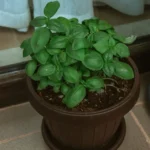


Most people who want to grow peppers indoors hit the same wall: they live somewhere with four cold months, a north-facing balcony, or no outdoor space at all. The good news is that you can actually grow peppers indoors year-round without any of that, peppers are perennials by nature, not the seasonal annuals most gardeners treat them as. A windowsill or a basic grow light setup is genuinely enough to get started.
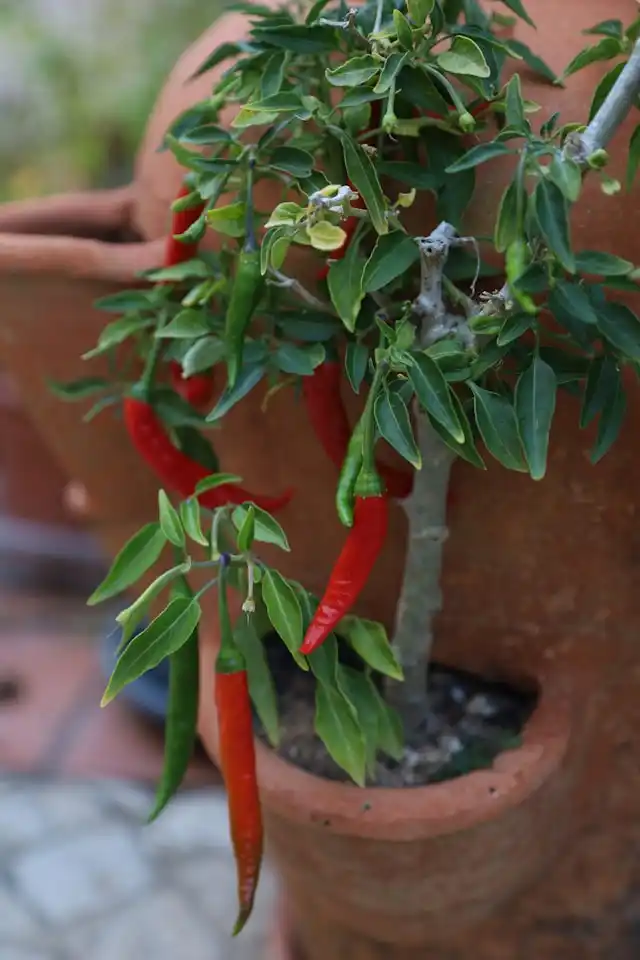
What makes this work is that peppers don’t need a garden bed or even a particularly large pot. A 3–5 gallon container, decent drainage, and six or more hours of light daily covers most of what they need. The tricky part isn’t the growing, it’s knowing which varieties actually do well in confined spaces (hint: compact types like Aji Amarillo or smaller ornamentals are far easier than big bell peppers).
Once you get the basics right, indoor peppers tend to outperform outdoor ones in one specific way: no frost, no season end, no pulling the plant in October. You just keep growing.
Covering every scenario in one post isn’t possible, so if something specific came up while reading, our Indoor Pepper Growing FAQ probably has it.
Affiliate Disclosure: This post contains affiliate links. If you purchase through these links, I may earn a small commission at no extra cost to you. This helps keep the website and blog running so I can continue creating free content. Thank you for your support!
Can You Really Grow Peppers Indoors?
Yes, and it works better than most people expect. Peppers don’t actually need soil beds or summer weather. What they need is warmth, light, and decent drainage. Indoors, you control all three. No late frost wiping out a plant you’ve been nursing for six weeks. No aphid explosion in August. Just steady, consistent conditions that peppers happen to love.
What you actually get:
- Harvests year-round instead of a single 3-month window
- Smaller yields per plant than outdoor growing, that’s the honest trade-off
- Longer-lived plants (peppers are perennials; most people just don’t treat them that way)
- More control over heat and flavor, since stress-free plants tend to be milder
What works best indoors:
Not all peppers are worth the effort in a pot. The ones that consistently do well:
- Compact hot varieties — cayenne, Thai chilies, Aji Amarillo
- Sweet minis — lunchbox peppers, Pimento, Shishito
- Ornamentals — these double as decent kitchen peppers and handle low light better than most
Big bell peppers can be grown indoors, but they’re space-hungry and slow. Unless you have a dedicated setup, the smaller varieties give you a much better return for the effort.
What You Need to Grow Peppers Indoors
You don’t need a complicated setup to start. Most people get decent results with a grow light, a few pots, and basic supplies they either already own or can grab cheaply.
The essentials:
- Grow light — a full-spectrum LED is the non-negotiable one
- Timer — so you’re not manually flipping the light on and off (some grow lights have a timer built in)
- Pots — 3–5 gallon per plant, with drainage holes (3 gallon , 5 gallon pots)
- Potting mix — standard vegetable mix works; avoid garden soil
- Seeds or seedlings — compact varieties if you’re short on space (12 pepper collection pack)
- Fertilizer — a balanced liquid feed (something like 5-5-5 or 10-10-10)
- Spray bottle — for misting and foliar feeding
Click any above link to buy the product. From these links, we earn a small commission at no extra cost to you, it helps us keep creating free content.
Helpful but not required:
- Heat mat — speeds up germination noticeably
- Grow tent — keeps light focused and humidity contained
- Thermometer/hygrometer — useful if your space runs hot or dry
- Small fan — improves airflow, reduces mold risk
On budget: A bare-bones setup runs $40–80. A more serious one with a tent, quality light, and a heat mat sits closer to $150–250. Neither requires ongoing big spend once you’re set up.
Best Pepper Varieties to Grow Indoors
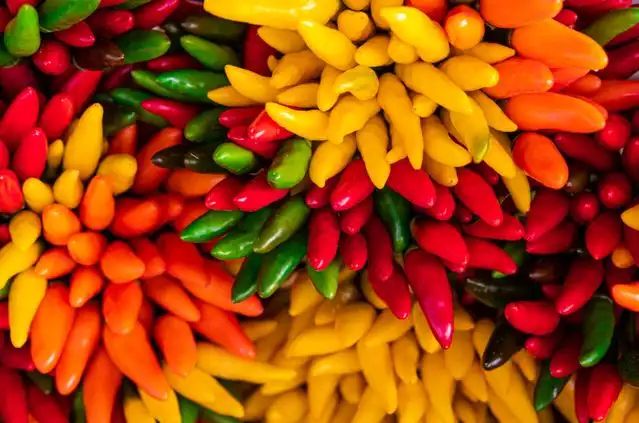
Not every pepper is worth growing in a pot. Some are compact, fast, and productive in small spaces. Others: bell peppers, I’m looking at you, technically work but will test your patience.
The reliable picks:
These varieties consistently do well indoors without needing a lot of space or a complicated setup:
- Jalapeño — probably the most forgiving indoor pepper; produces heavily even in modest conditions
- Serrano — a bit hotter, slightly more compact, great in containers
- Shishito — mild, prolific, and one of the faster varieties to start producing
- Thai chili — small plant, serious output, handles indoor light well
- Habanero — needs patience (slow to fruit) but worth it; stays compact
- Scotch bonnet — similar to habanero in size and timeline, fruitier flavor
On bell peppers:
Possible, but they’re the high-maintenance option. Bell peppers need more light, more space, and longer to fruit than most indoor setups realistically offer. If you’re set on growing them, go with a mini bell variety, they’re far more forgiving than full-size.
Hot varieties worth knowing:
- Cayenne — tall but manageable; dries well if you end up with a big harvest
- Banana pepper — mild, productive, good for beginners
- Ghost pepper — grows fine indoors but gets big. Give it a 5-gallon pot minimum and its own space
| Variety | Heat Level | Space Needed | Difficulty |
|---|---|---|---|
| Shishito | Mild | Small | Easy |
| Banana Pepper | Mild | Small–Medium | Easy |
| Jalapeño | Medium | Small | Easy |
| Serrano | Medium–Hot | Small | Easy |
| Thai Chili | Hot | Small | Easy–Medium |
| Cayenne | Hot | Medium | Medium |
| Habanero | Very Hot | Small–Medium | Medium |
| Scotch Bonnet | Very Hot | Small–Medium | Medium |
| Ghost Pepper | Extremely Hot | Large | Medium–Hard |
| Bell Pepper | None | Large | Hard |
How to Grow Peppers Indoors from Seeds
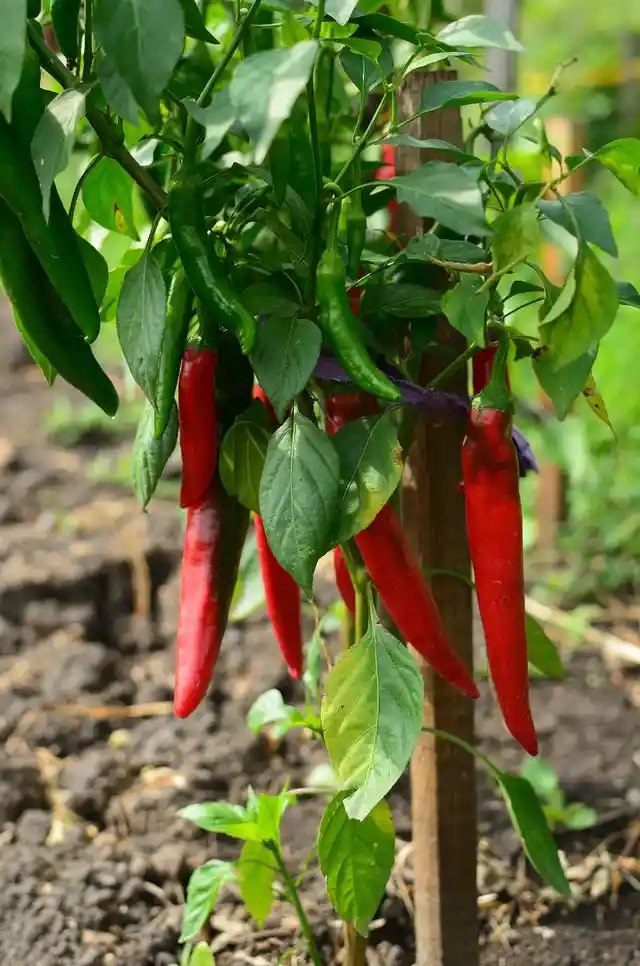
Starting from seed takes longer than buying transplants, but you get more variety options and it’s cheaper. Budget 8–12 weeks from seed to a transplant-ready plant.
Step 1: Time Your Start
Peppers are slow. Start seeds 10–12 weeks before you plan to move them to their final pot. Indoors with grow lights, timing matters less, but earlier starts mean earlier harvests.
Step 2: Plant the Seeds
• Sow seeds ¼ inch deep in small starter cells or a seed tray
• Use a light seed-starting mix, not regular potting soil
• Plant 2 seeds per cell, you’ll thin to the stronger one later
• Water gently; the mix should be moist, not soaked
Step 3: Get Them to Germinate
This is where most people lose seeds: too cold, too dry.
• Keep temperature between 80–90°F (27–32°C); a heat mat makes this easy
• Cover the tray with a humidity dome or loose plastic wrap
• No light needed yet, focus entirely on warmth and moisture
• Expect sprouts in 7–21 days depending on variety
Step 4: Once Seedlings Appear
Remove the dome immediately. Now light matters.
• Move under a grow light for 14–16 hours a day
• Keep the light 2–4 inches above seedlings to avoid stretching
• Water when the top inch of soil feels dry
• Thin to one seedling per cell once they hit 2 inches tall
Indoor Pepper Plant Care: Everything After the Seeds Sprout
Light, soil, water, temperature, airflow, feeding, once your seedlings are up, these six things determine whether you get a productive plant or a struggling one. This section covers each one without overcomplicating it.
Lighting: The Most Important Factor
Window light almost always falls short. Even a south-facing window in summer gives you maybe 4–6 hours of direct sun on a good day, peppers want 12–16. Cloudy days, winter months, or anything other than a south-facing window makes it worse. A grow light fixes this entirely.
What to use:
- Full-spectrum LED panels are the go-to: energy efficient, low heat, long-lasting | Buy here
- Avoid blurple (purple LED) lights; they work but full-spectrum is better for fruiting
- T5 fluorescents work for seedlings but underperform at the fruiting stage
How to run it:
- 14–16 hours during seedling and vegetative stages
- 12–14 hours once the plant is fruiting
- Use a timer, consistency matters more than total hours
Light height:
- Seedlings: 2–4 inches from the canopy
- Vegetative growth: 4–8 inches
- Fruiting: 8–12 inches
Budget pick: a 45W–100W full-spectrum LED panel in the $30–60 range covers one to three plants comfortably.
Soil, Pots, and Watering
Pot size matters more than most people think:
| Plant Size | Variety Examples | Pot Size |
|---|---|---|
| Compact | Thai chili, Shishito | 2–3 gallon |
| Medium | Jalapeño, Serrano, Habanero | 3–5 gallon |
| Large | Cayenne, Ghost pepper, Bell | 5–7 gallon |
On soil: Bagged potting mix beats garden soil indoors every time. Garden soil compacts in containers, drains poorly, and brings in pests and fungus you don’t want inside. A standard vegetable potting mix or a mix of potting soil and perlite at roughly 70/30, works well for peppers.
Watering: The most common mistake is overwatering. Peppers like to dry out slightly between waterings. Stick a finger an inch into the soil, if it’s still moist, wait. If it’s dry, water thoroughly until it drains out the bottom. That drainage part matters: sitting in wet soil causes root rot faster than almost anything else. No drainage holes means a different pot.
Temperature, Humidity, and Airflow
Temperature: Peppers grow best between temperatures of 70–80°F (21–27°C) during the day, with nights no colder than 60°F (15°C). Below that, growth slows noticeably. If your space runs cold, a heat mat under the pot helps during early growth.
Humidity and the detail most blogs skip: Not all peppers want the same humidity level.
- Capsicum annuum varieties (jalapeño, cayenne, shishito) are fine at 40–60% humidity, normal indoor air works
- Capsicum chinense varieties (habanero, scotch bonnet, ghost pepper) prefer 50–70%; they’re tropical and feel it when the air is too dry
If your home runs dry in winter, a small humidifier near your grow area or a pebble tray with water under the pots gets you most of the way there.
Airflow: Indoor plants don’t get wind, which sounds like a good thing until you get edema: those corky, blister-like bumps on leaves caused by inconsistent water uptake in stagnant air. A small fan on low, running a few hours a day, prevents this and also strengthens stems. Point it near the plant, not directly at it.
Fertilizing Indoor Pepper Plants
Container plants exhaust their soil nutrients faster than garden beds. You need to feed them, but what you feed changes depending on the growth stage.
Seedling stage (first 4–6 weeks):
Use a balanced all-purpose fertilizer at quarter strength. Seedlings don’t need much; overfeeding at this stage burns roots.
Vegetative stage:
Move to full strength, and lean toward a nitrogen-heavy formula (something like 10-5-5). Nitrogen drives leaf and stem growth, which is what you want before the plant starts flowering.
Fruiting stage:
Switch to a low-nitrogen, higher phosphorus and potassium formula (like 5-10-10). Too much nitrogen at this point pushes leafy growth at the expense of fruit.
Signs something’s off:
| Symptom | Likely Cause |
|---|---|
| Pale yellow leaves, slow growth | Underfeeding or nitrogen deficiency |
| Dark green leaves, curling tips | Nitrogen excess |
| Purple tint on leaves | Phosphorus deficiency |
| Leaf drop, brown edges | Over-fertilizing (salt buildup), flush the soil |
How to Get Indoor Peppers to Actually Fruit
This is where most indoor pepper grows stall. The plant looks healthy, it’s got flowers and then nothing happens. Here’s why, and what to fix.
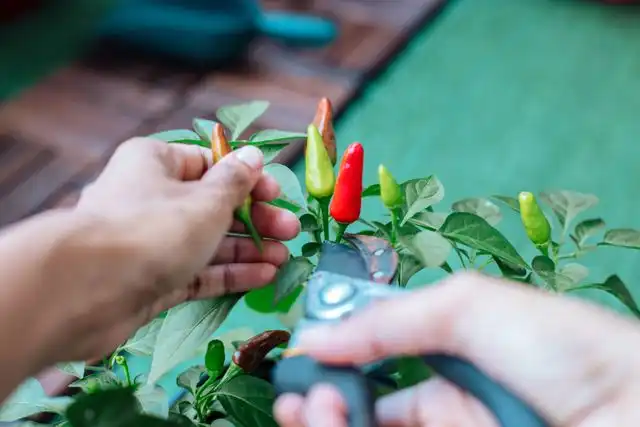
Hand Pollination
Outdoors, bees and wind handle pollination without you thinking about it. Indoors, neither exists. If you don’t step in, flowers drop without setting fruit.
It’s easier than it sounds:
- Wait until a flower is fully open
- Use a soft paintbrush, cotton swab, or your fingertip
- Gently swirl it inside the flower to pick up and transfer pollen
- Do this to every open flower, ideally daily or every other day
- A light shake of the whole plant works too, peppers are self-fertile, so pollen just needs to move within the same flower
You’ll know it worked when the base of the flower swells instead of dropping off.
Adjust Your Light Cycle
During vegetative growth, 14–16 hours of light pushes leafy development. Once the plant is flowering, dial it back to 12–13 hours. This shift signals the plant to focus on reproduction, which means fruit.
A timer makes this automatic. Set it, forget it.
Switch Your Fertilizer
If you’re still feeding a nitrogen-heavy formula at this stage, you’re telling the plant to keep growing leaves. Swap to a low-nitrogen, phosphorus and potassium-rich feed (something like 5-10-10) as soon as you see consistent flowering. Phosphorus supports fruit development; potassium helps with size and flavor.
Harvest on Time
Leaving ripe peppers on the plant too long slows new fruit production. The plant thinks its job is done. Pick peppers as soon as they reach full size, even if they haven’t changed color yet, and the plant redirects energy into setting the next round of fruit. Regular harvesting keeps production going for months.
Common Problems When Growing Peppers Indoors (and How to Fix Them)
Most of these issues have one clear cause. Here’s what you’re seeing and what to actually do about it.
Leggy, weak stems
The plant is stretching toward light it isn’t getting enough of. Move your grow light closer (aim for 2–6 inches above the canopy) or increase daily light hours to 14–16. A small fan running nearby also helps stems thicken up over time.
Leaves curling inward
Two likely causes, check both. If your light is sitting very close to the canopy, heat stress curls leaves upward. Pull it back a few inches. If the light position looks fine, you’re probably overwatering. Let the top inch of soil dry out before the next water.
Flowers dropping, no fruit setting
Either pollination isn’t happening or your fertilizer is wrong for the stage. Shake the plant gently daily, or use a small brush on open flowers. Also check your feed, if you’re still on a nitrogen-heavy formula, switch to a 5-10-10 or similar bloom-stage fertilizer.
White or tan corky spots on leaves
This is edema, not a disease or pest. It happens when water uptake is inconsistent in stagnant air. Add a small fan for a few hours daily and let soil dry slightly more between waterings. It won’t fix affected leaves, but new growth comes in clean.
Fungus gnats or aphids
Fungus gnats come from consistently wet soil, let it dry more between waterings and top-dress with a thin layer of sand. For aphids, neem oil spray (diluted, applied to undersides of leaves) handles most infestations within a week. Repeat every 5–7 days for two to three rounds.
Yellowing leaves
| Pattern | Likely Cause | Fix |
|---|---|---|
| Older leaves yellowing first | Nitrogen deficiency | Feed with balanced or nitrogen-heavy fertilizer |
| New leaves yellow, older fine | Iron or magnesium deficiency | Use a micronutrient supplement or cal-mag |
| Yellow with green veins | Magnesium deficiency | Foliar spray with diluted Epsom salt |
| All-over pale yellow | Overwatering or root rot | Check drainage, reduce watering frequency |
Can You Grow Peppers Indoors Year-Round?
Yes and this is one of the actual advantages of growing indoors. Peppers are perennials. The only reason most people pull them out in fall is that frost kills them, not age.
Overwintering vs. active year-round growing
These aren’t the same thing. Overwintering means keeping a plant alive through winter at minimal effort: reduced light, little to no feeding, minimal watering. The plant goes semi-dormant and comes back strong in spring, skipping the whole germination stage. Active year-round growing means running full light cycles and feeding schedules through every season, which works indoors because you control the environment completely.
Bringing outdoor plants inside
If you grew peppers outside this season, bring them in before the first frost. Cut the plant back by about a third, check for pests before it crosses the threshold, and let it adjust to indoor light gradually over a week or two.
How long do they actually live?
With decent care indoors, a pepper plant runs 3–5 years without much trouble. Some growers report plants hitting 8–10 years. Habaneros and other chinense varieties tend to be the longest-lived.
Frequently Asked Questions
How long does it take to grow peppers indoors?
From seed to first harvest is typically 90–150 days depending on variety and conditions.
Do peppers need full sun to grow indoors?
They need strong light, 12–16 hours daily from a grow light. Window light is rarely sufficient.
What is the best fertilizer for indoor pepper plants?
An all-purpose fertilizer for early growth, switching to a low-nitrogen, high-phosphorus blend once flowering begins.
How often should I water indoor pepper plants?
Water when the top inch of soil is dry to the touch. Overwatering is the most common mistake.
Do I need a grow tent to grow peppers indoors?
No, but it helps contain light, regulate humidity, and manage pests. A simple grow light setup works fine for beginners.
Can I grow hot peppers like habaneros or ghost peppers indoors?
Yes. Habaneros do very well indoors. Ghost peppers grow large, so container size needs to be managed.