

Tick season used to mean a few weeks of caution in tall grass. Now it runs longer every year, covers more of the country, and carries a health risk most people have never heard of. If you’ve been looking into plants that repel ticks, you’re already thinking about this the right way.
Here’s what makes ticks more than a nuisance: one bite may trigger alpha-gal syndrome, an allergy to red meat that doesn’t show up until the next time you eat a burger. The CDC identified over 110,000 suspected cases between 2010 and 2022, with estimates of up to 450,000 people potentially affected, most of them undiagnosed. That’s not a fringe concern.
What follows is a look at 12 plants that may discourage ticks from settling into your yard, along with some concrete steps to reduce your exposure. No guarantees, but your landscaping choices do matter.
This article is for informational purposes only and is not a substitute for medical advice.
This article is for informational purposes only and is not a substitute for professional medical advice. The plants and strategies discussed here may help reduce tick exposure but do not prevent or treat any medical condition. If you are bitten by a tick or experience any symptoms, including delayed allergic reactions after eating red meat, see a doctor promptly. And if you’re dealing with a heavy tick presence or a full infestation on your property, skip the DIY approach and call a licensed pest control professional instead.
The Tick Threat Is Spreading And So Is Alpha-Gal Syndrome
Ticks aren’t just showing up in the woods anymore. Their range is expanding, their seasons are getting longer, and they’re appearing in places where people never used to worry about them. Warmer winters mean more ticks survive to the following year, and researchers are watching populations move into states like Maine and Washington where they were once uncommon.
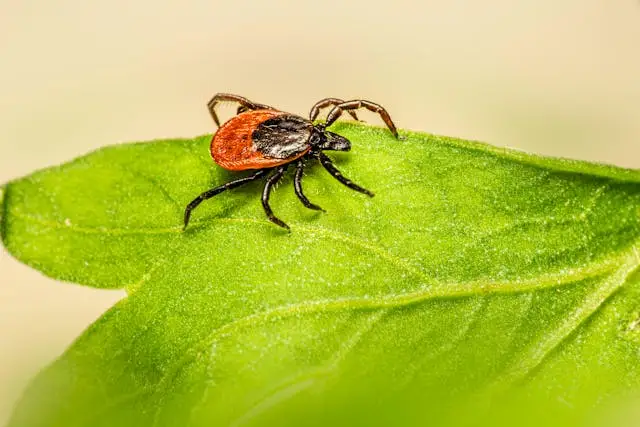
The lone star tick is the one driving most of the concern around alpha-gal syndrome. A single bite from this tick may trigger a response in your immune system that changes how your body reacts to red meat, sometimes permanently. Alpha-gal syndrome develops when the body identifies alpha-gal, a sugar molecule found in most mammal meat, as a threat. After that, eating beef, pork, or lamb can cause reactions ranging from hives and stomach cramps to anaphylaxis. It’s not a mild inconvenience. For some people, it’s life-altering.
The numbers are moving fast. Researchers found a roughly 100-fold increase in positive tests for alpha-gal antibodies between 2013 and 2024. And because the allergy can take hours to appear after eating, long after anyone would connect it to a meal, many cases go unrecognized for years.
None of the plants or strategies in this article will guarantee you never get bitten. Tick prevention is a layered effort, and landscaping is one part of a broader strategy, not a complete solution. But reducing how hospitable your yard is to ticks may reduce your risk of exposure. Which is why your garden, of all places, matters more than most people realize.
The 12 Plants That Repel Ticks
There’s a lot to love about this time of year, longer days, warm evenings, and finally having a reason to spend time outside again. The garden is growing, the yard looks good, and then you remember: tick season is here too.
That one fact has a way of taking the edge off an otherwise perfect afternoon. But the good news is that your garden can actually work against ticks rather than just coexist with them. The plants below naturally make the area around your home less appealing to ticks, not through chemicals or interventions, just through what they already are.
1. Lavender
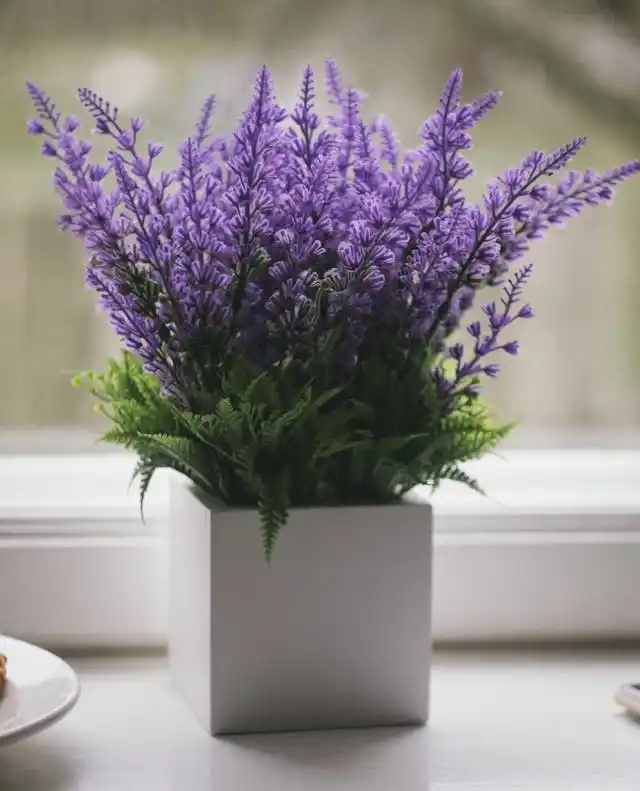
Lavender is one of those plants that earns its place in a garden twice over. Most people grow it for the color and the scent, but ticks apparently don’t share the enthusiasm. The linalool compound in lavender is what makes it unappealing to ticks, the same fragrance that makes it so attractive to us. Plant it along borders and garden edges where tick activity tends to be highest. It’s low-maintenance, drought-tolerant once established, and safe around pets. Honestly, if you’re only adding one plant to your yard this season, lavender is a solid place to start.
2. Rosemary
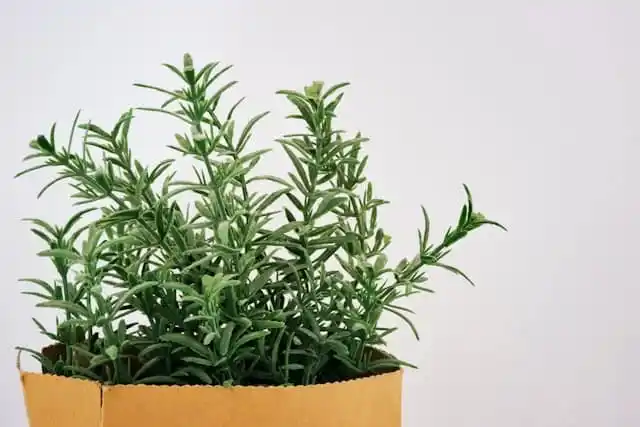
If you already grow rosemary for cooking, here’s a reason to plant more of it outside the kitchen garden. Its aromatic oils may interfere with how ticks detect nearby hosts, essentially making it harder for them to find you. Rosemary does especially well planted along walkways and patios, where foot traffic releases its scent and puts it to work. It handles heat, tolerates poor soil, and asks for very little once it’s established. A practical herb that pulls double duty.
3. Chrysanthemums

Chrysanthemums might be the most quietly powerful plant on this list. They naturally produce pyrethrins, the same compounds used in many commercial tick repellents. That’s not a coincidence; the pesticide industry has been extracting them from chrysanthemums for decades. Plant them in beds around the perimeter of your yard for the best effect. One caveat worth taking seriously: they’re toxic to dogs and cats, so keep them out of reach if you have pets roaming the garden.
4. Lemongrass
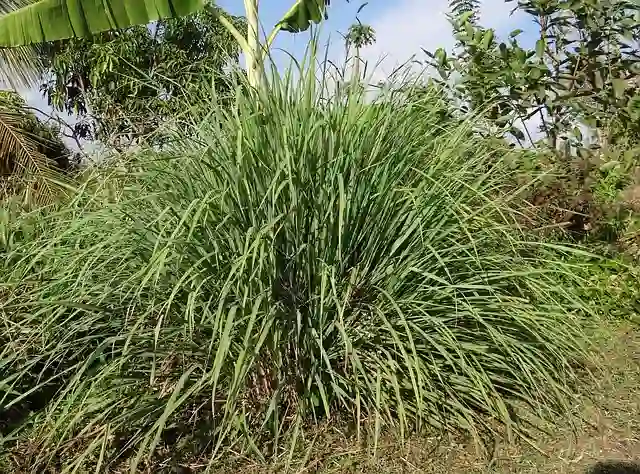
Lemongrass is where citronella actually comes from, not the candles, but the real thing. The citronella oils it produces are well-documented as insect repellents, and that extends to ticks. In cooler climates it won’t survive winter in the ground, but it thrives in large containers that can be brought inside when temperatures drop. Set pots near seating areas, patios, or entry points where you want to reduce tick exposure. It grows fast and looks good doing it.
5. Mint / Peppermint
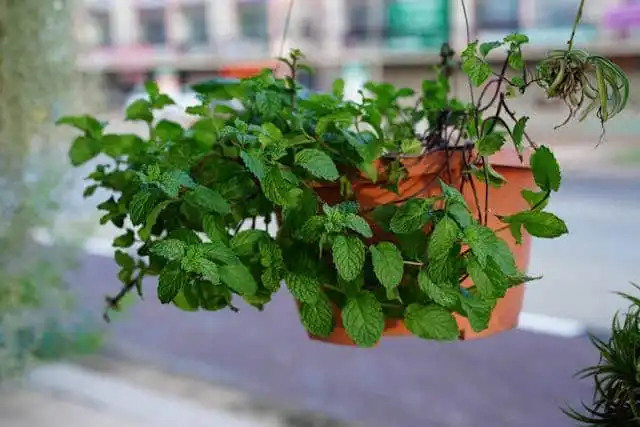
Mint is one of the most effective options on this list, and also one of the most aggressive growers, so the advice is almost always to plant it in containers rather than directly in the ground. Left unchecked, it’ll take over a bed before you notice. The neomenthol in peppermint is what ticks find off-putting, and it works across a surprisingly wide range of climates. Pots near doorways and along fence lines are a good use of it. The side effect is a yard that smells genuinely pleasant, which is a reasonable trade.
6. Garlic
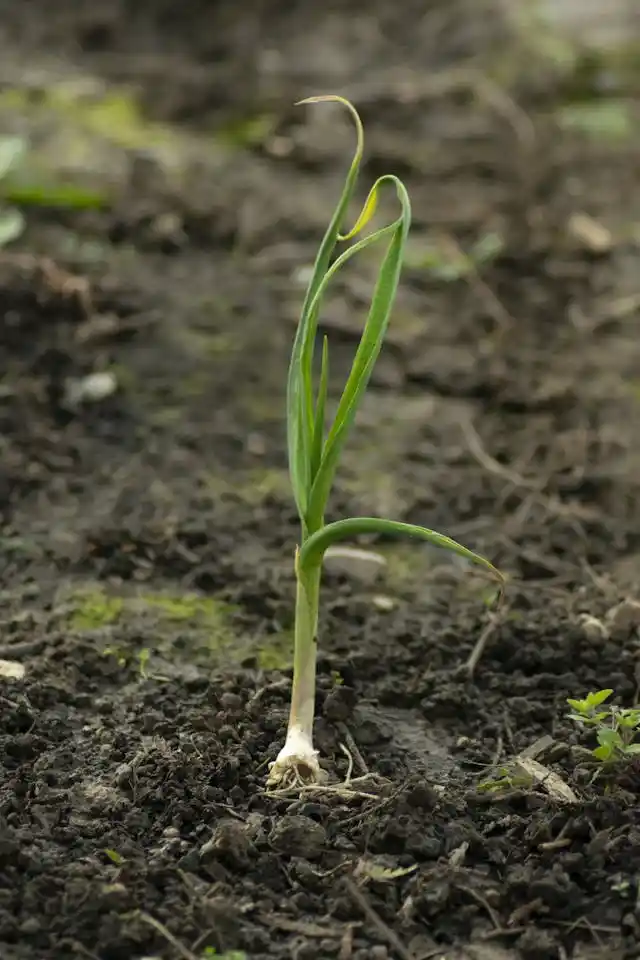
Garlic isn’t the most obvious landscaping choice, but as a companion plant tucked into existing beds, it earns its spot. The sulfur compounds it releases into the surrounding soil and air are what ticks tend to avoid. It’s been used in organic pest management for a long time, and there’s decent reasoning behind it. If you have dogs or cats with access to your garden, keep garlic out of areas they can reach, it’s toxic to both, even in smaller amounts than most people assume.
7. Geraniums
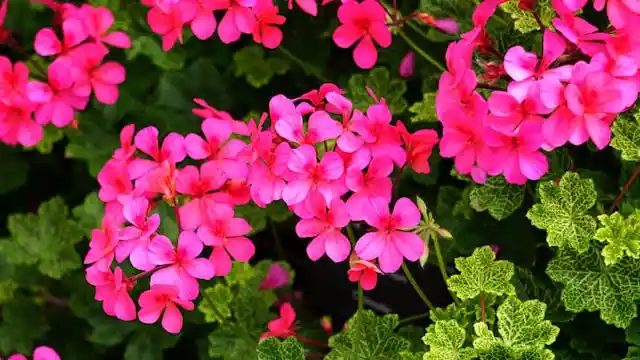
Geraniums are a familiar container plant, and it turns out they’re pulling more weight than people give them credit for. The geraniol compound they produce has shown repellent properties against ticks and other insects. Place containers near entry points, front doors, or patio edges, anywhere you want a natural buffer zone. If you have pets, keep pots elevated or in spots they can’t access. In colder zones they won’t survive frost, but they’re easy to overwinter indoors and bring back out in spring.
8. Wormwood
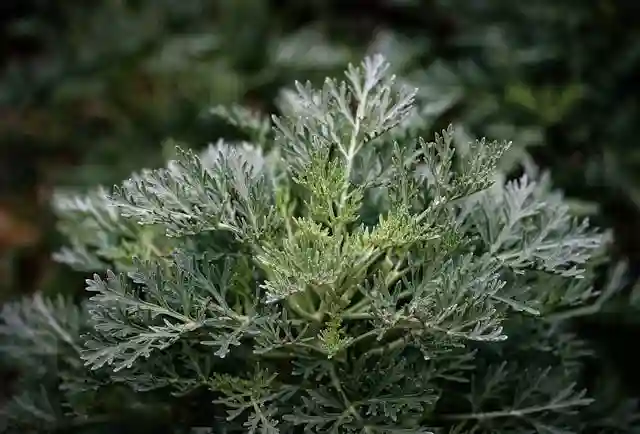
Wormwood has a slightly different angle than the other plants here. Yes, its bitter aromatic compounds are unappealing to ticks, but it also deters deer, and that matters because deer are one of the main ways lone star ticks travel into new areas. Fewer deer wandering through your yard means fewer opportunities for tick drop-off. Plant it along the borders of your property where deer are most likely to enter. It’s hardy, spreads well, and handles neglect without complaint. A useful plant for reasons that go a little deeper than scent alone.
9. Sage
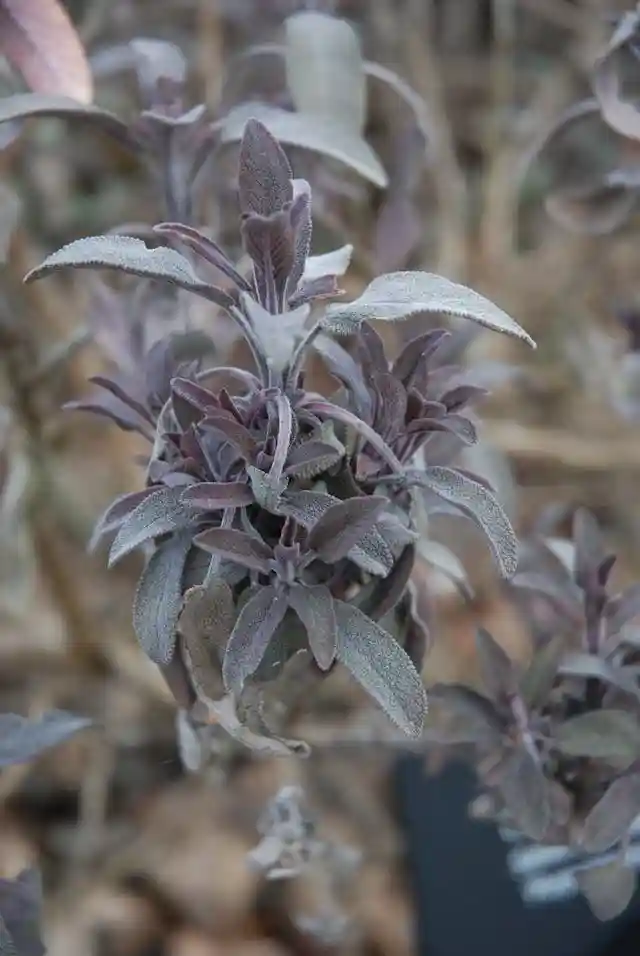
Sage is a drought-tolerant herb that fits naturally into most garden setups, and ticks tend to avoid the aromatic oils it gives off. It’s not flashy about it, sage just quietly does its job. Full sun and well-drained soil are all it really needs, and once established it’s about as low-maintenance as garden plants get. It’s also safe around pets, which makes it an easy recommendation for households where that matters. Use it along sunny borders or mixed into herb beds where it can spread a little.
10. Catnip
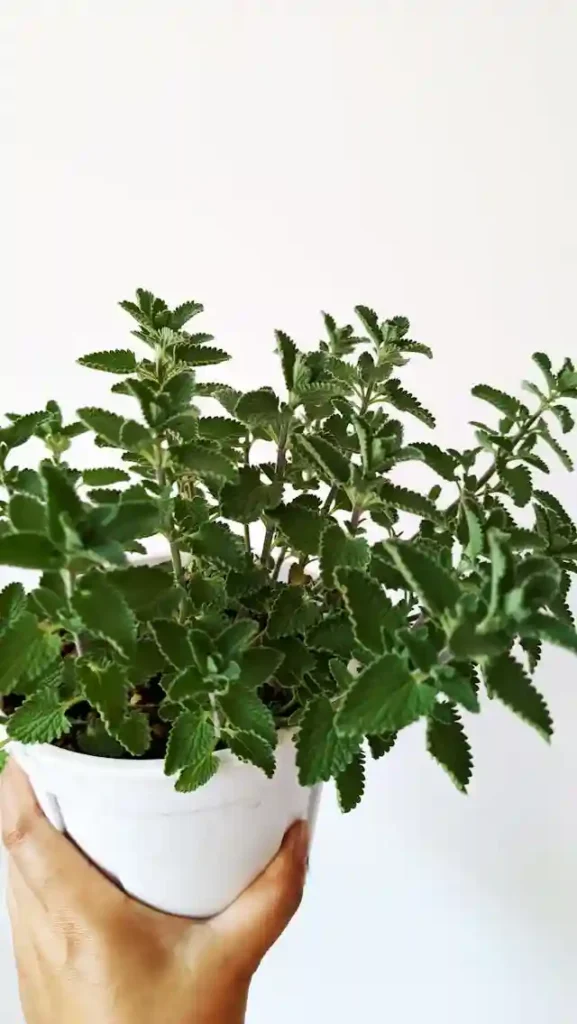
Catnip deserves more attention in this conversation than it usually gets. The nepetalactone it produces has outperformed DEET in some lab studies on insect repellency, which is a genuinely surprising finding for a plant most people associate with making cats lose their minds. And yes, planting catnip will attract cats to your yard, which is either a bonus or a problem depending on your situation. If you can work around that, it’s one of the hardiest and most climate-adaptable plants on this list, growing across almost every zone in the country.
11. Marigolds
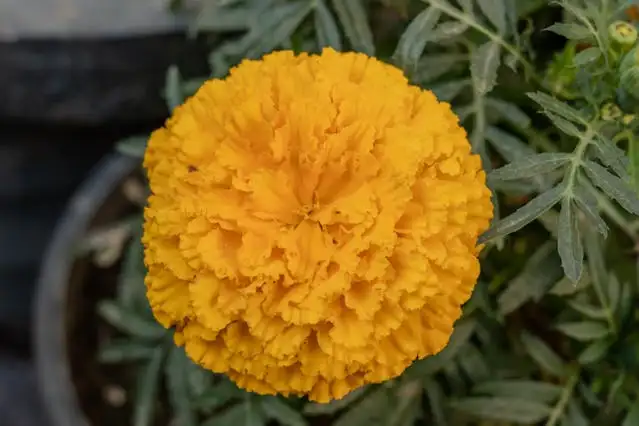
Marigolds are one of the easiest wins in tick-conscious gardening. They’re annuals, so you replant each year, but the barrier to entry is low and the payoff is consistent. The pyrethrum they contain is the same category of compound found in commercial insect repellents, and their scent is strong enough that ticks tend to steer clear. Scatter them around garden borders, near entry points, or anywhere you want reliable coverage. They’re hard to kill, cheerful to look at, and available everywhere come spring.
12. Eucalyptus

Eucalyptus rounds out the list with cineole, a compound that shows up in a number of natural insect repellent formulations. In the right climate it grows into a substantial tree, but in cooler zones it does well in large containers that can be moved as needed. The scent is strong and distinctive, the kind that carries across a space without you having to get close to the plant. Keep it away from pets, and be mindful of where you place it if you’re in a fire-prone area, as eucalyptus is notably flammable when dry.
Do Plants Really Repel Ticks?
No plant will make your yard tick-free. That’s worth saying upfront, because a lot of gardening content skips it.
Most of what we know about tick-repelling plants comes from studies on essential oil compounds, not from researchers planting rosemary hedges and counting ticks. The evidence is real, but it’s more specific than “plant this, ticks leave.” Compounds like pyrethrins, nepetalactone, and citronella have documented repellent properties. Strong plant scents may also interfere with how ticks detect hosts, making your yard a little harder to navigate.
So what does that mean practically? Plants are one layer. A useful one, but still just one. Paired with regular yard maintenance, tick checks, and appropriate repellents, a thoughtfully planted garden may help reduce tick activity and lower your exposure risk.
That’s the honest version of what the science supports and it’s still worth acting on.
Rodents don’t just carry ticks, they’re also a primary carrier of hantavirus. If you want to take your yard protection further, check out our guide on 10 Plants That Repel Rodents & Fight Hantavirus Risk. Fewer rodents means fewer ticks, and that’s a win on both fronts.
Plants to Avoid
Most of the conversation around ticks and landscaping focuses on what to add. But what you already have growing, or what you’re thinking of planting, might be part of the problem.
Plants That May Actually Attract Ticks to Your Yard
Staghorn Sumac Staghorn sumac is a magnet for deer, and deer are one of the primary ways ticks move into residential yards. The lone star tick in particular travels on deer, so anything that brings deer closer to your home increases your exposure risk.
Dense Groundcovers — English Ivy and Pachysandra Both are popular for filling shaded areas, but they create exactly the conditions ticks prefer: cool, humid, and low to the ground. Thick groundcover gives ticks a place to wait out dry weather and stay close to foot traffic without being disturbed.
Tall Ornamental Grasses Left Unmaintained Ornamental grasses look great in the right setting, but when they’re left to grow dense and unchecked, they become ideal hiding spots for ticks. The problem isn’t the plant itself, it’s what it turns into when it’s not being managed.
Berry-Producing Shrubs Near Ground Level Low shrubs with berries draw in mice and other small rodents, which are hosts for tick larvae. Rodents are a key part of the tick life cycle, and planting something that brings them into your yard keeps that cycle running close to home.
It’s not just about what you plant, it’s about how you maintain it. An overgrown, shaded, humid yard will undermine every tick-repelling plant on the list above.
Yard Habits That Multiply the Impact
The right plants help, but they work best when the rest of your yard isn’t undoing the effort. Ticks need moisture, cover, and access to hosts, take those away and you’ve done more than any single plant can on its own.
- Mow regularly and keep grass short. Ticks quest for hosts by climbing grass blades and waiting. Once grass hits around 18 inches, it becomes useful habitat. Short, maintained lawn gives them far less to work with.
- Clear out leaf litter and brush piles. These are prime tick resting spots: cool, damp, and undisturbed. Removing them eliminates hiding places ticks rely on between feedings.
- Lay a dry border along wooded edges. A 3-foot buffer of gravel or wood chips between your lawn and any surrounding woodland acts as a barrier ticks are reluctant to cross. Dry, open material is the opposite of what they look for.
- Move woodpiles to sunny, dry spots. Stacked wood in shaded areas attracts rodents and holds moisture, a combination that makes it a reliable tick hotspot. Sun exposure dries it out and makes it less appealing.
- Reduce anything that draws rodents in. Ground-level bird feeders, dense low groundcover, and accessible food scraps all bring mice and other small rodents close to your home. Rodents are tick hosts, so fewer rodents means fewer ticks completing their life cycle in your yard.
- Keep pets on tick prevention throughout the year. Tick season is longer than most people expect, and pets pick up ticks in winter too. Year-round prevention is more reliable than seasonal treatment.
- Do a full tick check after every time outside. Focus on the spots ticks prefer: behind the knees, along the hairline, underarms, and anywhere clothing fits close to the skin. Check pets the same way.
- Consider deer fencing if your property backs onto woodland. Deer carry ticks directly into yards. A fence doesn’t have to be elaborate, just enough to redirect deer away from the areas where your family spends time.
What Is Alpha-Gal Syndrome and Why Should Yard Owners Care?
Most people who spend time gardening or outdoors think about ticks in terms of Lyme disease. Alpha-gal syndrome rarely comes up and that’s a problem, because it’s becoming harder to ignore.
What Is It?
Alpha-gal syndrome is an allergy to alpha-gal, a sugar molecule found in the tissue of most mammals, including cows, pigs, and lamb. It develops after a tick bite introduces the molecule into a person’s bloodstream, triggering an immune response. From that point on, eating red meat or in some cases, consuming dairy products can set off a reaction.
What makes it particularly hard to catch is the timing. Symptoms don’t appear immediately after eating. They typically show up three to six hours later, long after any obvious connection to a meal has been forgotten. Hives, stomach cramps, vomiting, and in serious cases, anaphylaxis. People spend months, sometimes years, being misdiagnosed before anyone runs the right blood test.
Why Are Cases Rising?
The lone star tick is the primary driver in the U.S., and its range is expanding. White-tailed deer, its preferred host, have moved into new regions, bringing the tick along with them. Cases that were once concentrated in the Southeast are now being identified in the Northeast and Midwest. People are encountering ticks in places where they never had reason to worry about them before.
Who’s Most at Risk?
Anyone spending regular time outdoors in tick-prone areas: gardeners, hikers, pet owners, kids playing in yards. Risk isn’t just about one bite, repeated tick bites may increase sensitization over time, meaning cumulative exposure matters.
How Does Your Yard Fit In?
The only known way to develop alpha-gal syndrome is through a tick bite. Reducing the number of bites you get, over months and years, may lower your overall risk. A tick-aware yard strategy, including the plants covered in this article, is one layer of that protection. These steps may help reduce your exposure to tick bites. They do not prevent or treat alpha-gal syndrome.
When to See a Doctor
If you’re experiencing delayed allergic reactions: hives, digestive symptoms, or anything more severe, hours after eating red meat, bring it up with your doctor. Diagnosis involves a blood test for alpha-gal IgE antibodies. The CDC’s alpha-gal syndrome page is a reliable starting point for more information.
References
- Centers for Disease Control and Prevention. (2024). Alpha-gal syndrome. https://www.cdc.gov/alpha-gal-syndrome/about/index.html
- NBC News. (2025). First death reported from meat allergy caused by tick bite. https://www.nbcnews.com/health/health-news/first-death-reported-meat-allergy-caused-tick-bite-rcna243743
- AOL / Associated Press. (2024). Alpha-gal syndrome is spreading across the U.S. https://www.aol.com/articles/alpha-gal-syndrome-spreading-us-164409854.html
Frequently Asked Questions
What plants repel ticks the best?
Lavender, chrysanthemums, and catnip are among the most effective options. Chrysanthemums contain pyrethrins — the same compound used in commercial tick repellents — while catnip’s nepetalactone has outperformed DEET in some lab studies. Marigolds, rosemary, and lemongrass are also strong choices for a tick-conscious yard.
Do tick-repelling plants actually work?
There is evidence that certain plant compounds — including pyrethrins, nepetalactone, and citronella — have repellent properties against ticks. However, no plant creates a tick-free yard on its own. They work best as one layer of a broader prevention strategy that includes regular maintenance and tick checks.
Can plants prevent alpha-gal syndrome?
No. Plants cannot prevent alpha-gal syndrome. The only known way to develop the condition is through a tick bite. Reducing tick exposure in your yard may lower your risk of being bitten, but it does not eliminate it. If you suspect you have alpha-gal syndrome, see a doctor.
What is the best yard layout to keep ticks away?
Keep grass short, clear leaf litter, and create a dry gravel or wood-chip border between your lawn and any wooded edges. Plant tick-repelling species along borders and entry points, and remove anything that attracts deer or rodents. A dry, open, well-maintained yard gives ticks far less to work with.
Are tick-repelling plants safe for dogs and cats?
Not all of them. Lavender, sage, lemongrass, marigolds, and catnip are generally considered pet safe. Chrysanthemums, garlic, geraniums, eucalyptus, and mint in large amounts are toxic to dogs and cats. Always check before planting, and keep pets away from any plants flagged as toxic.
What is alpha-gal syndrome caused by?
Alpha-gal syndrome is caused by a bite from the lone star tick, which introduces alpha-gal — a sugar molecule found in mammal tissue — into a person’s bloodstream. The immune system then identifies it as a threat, triggering allergic reactions when the person later eats red meat or, in some cases, consumes dairy.
How do I know if I have alpha-gal syndrome?
Symptoms typically appear three to six hours after eating red meat and may include hives, stomach cramps, vomiting, or anaphylaxis. Because of the delayed reaction, it’s often misdiagnosed. Diagnosis requires a specific blood test for alpha-gal IgE antibodies — if you suspect it, speak with your doctor.