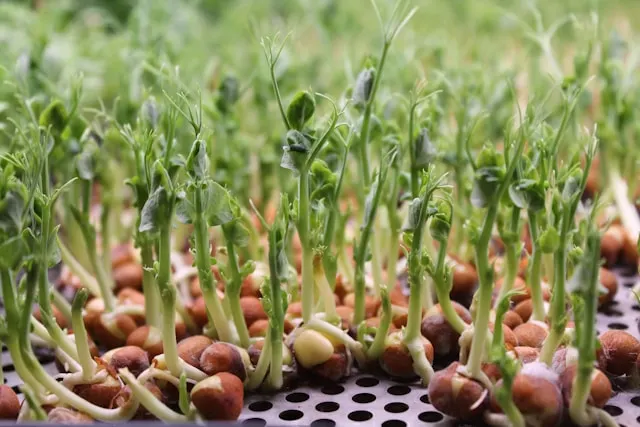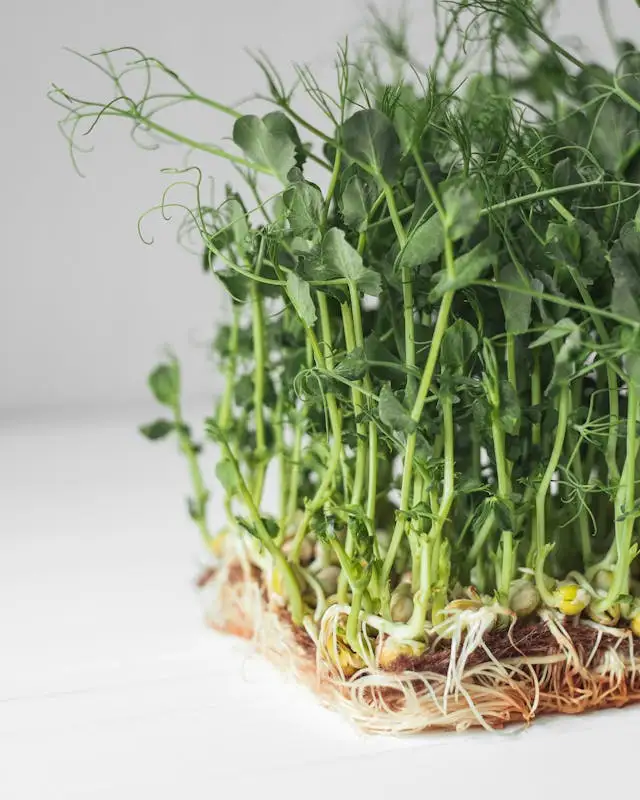


Sunflower microgreens nutrition is getting serious attention from researchers and health enthusiasts alike — and for good reason. These tiny shoots pack a surprising amount of vitamins, minerals, and plant compounds into every small serving.
This article breaks down exactly how healthy sunflower microgreens are, what the science actually says about their key nutrients, and why sunflower greens consistently outperform their full-grown counterparts on several nutrition markers.
You’ll get 9 specific, evidence-backed benefits plus a direct comparison to regular greens so you know what you’re actually getting when you add these to your plate.
In This Article
What Are Sunflower Microgreens and Why Is Everyone Talking About Them?
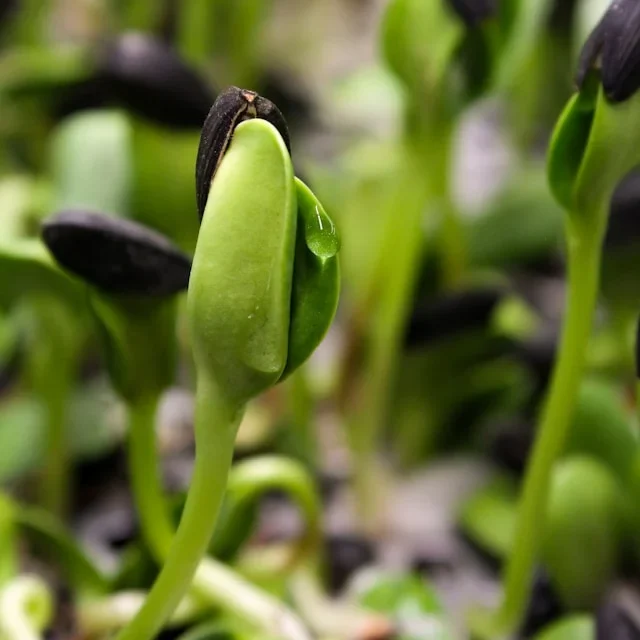
Sunflower greens are the young seedlings of the sunflower plant, harvested just 7–12 days after germination. At this stage they are dense with nutrients, have a mild nutty flavor, and hold their texture well, which makes them a practical choice for both home growers and commercial operations. Black oil sunflower microgreens nutrition in particular has drawn attention because this specific seed variety produces shoots that are consistently richer in key nutrients compared to other sunflower types.
The buzz is not just anecdotal. Microgreen research has expanded significantly over the last decade, and sunflower consistently ranks among the most nutrient-dense varieties tested. They are easy to grow, fast to harvest, and versatile enough to work in smoothies, salads, sandwiches, and wraps.
Black Oil Sunflower Seeds vs. Other Varieties
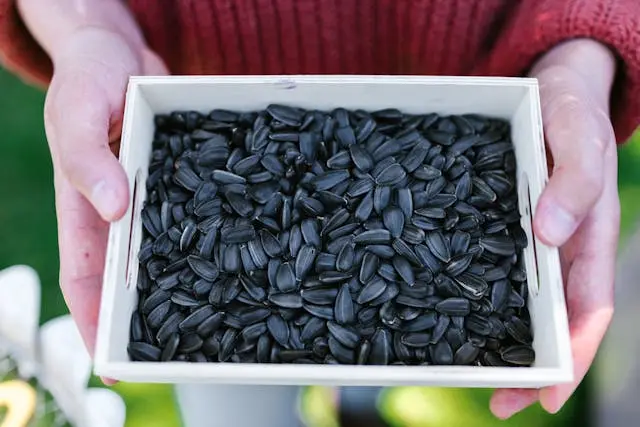
Not all sunflower seeds produce the same microgreen. Black oil sunflower microgreens nutrition stands apart from striped or confection varieties for a few practical reasons. Black oil seeds have a thinner hull, which means faster and more uniform germination. They also have a higher oil content in the seed itself, which translates to a more nutrient-dense shoot once the plant starts drawing on those stored resources during early growth.
Buy Black Oil Sunflower Seeds Here: https://amzn.to/4sTAKvT
Striped sunflower seeds can work, but they tend to germinate unevenly and produce a tougher, less consistent crop. For nutrition and yield, black oil seeds are the standard recommendation across most growing guides and research studies.
Microgreens vs. Sprouts — Are They the Same?
This is one of the most common points of confusion for people new to both. Sprouts are germinated seeds eaten whole, root, seed, and shoot, grown in water with no soil or growing medium. Sunflower sprouts nutrition comes largely from the seed itself since the plant has barely begun to photosynthesize. Microgreens, by contrast, are grown in a medium, allowed to develop their first true leaves, and harvested above the root. This extra growth stage is where a significant portion of the nutritional development happens.
The two are related but not interchangeable in nutrition, taste, or growing method. Do microgreens and sprouts use the same seeds? Check out this breakdown on seed differences between sprouts and microgreens, before you buy in bulk, because the answer affects both your results and your costs.
Ready to grow your own? Our complete sunflower microgreen growing guide walks you through seed selection, soaking times, trays, and harvest day so you get a dense, healthy crop on your first attempt.
Sunflower Microgreens Nutrition: A Complete Breakdown (Per 100g)
Sunflower microgreens nutrition is genuinely impressive when you look at the actual numbers. Per 100g, these greens deliver meaningful amounts of protein, healthy fats, and a broad spectrum of vitamins and minerals — all at a very low calorie cost. Sunflower microgreen nutrition facts vary slightly depending on growing conditions and seed variety, but the figures below reflect averages consistently reported across nutritional analyses of black oil sunflower microgreens.
Macros at a Glance — Protein, Fat, Carbs
Protein in sunflower microgreens is one of the first things that stands out compared to other microgreen varieties. Here is what the macro profile looks like per 100g:
- Protein: 3–4g — near the top of the microgreen category, making them a solid plant-based protein source
- Fat: ~5g of mostly unsaturated fat inherited from the seed, which helps your body absorb fat-soluble vitamins like E and K
- Carbohydrates: Low at around 9g, with nearly 2.4g coming from fiber
- Calories: ~105 kcal — nutrient-dense without being calorie-heavy
The low carb count makes them compatible with a wide range of eating patterns, from standard to low-carb to plant-based diets.
Vitamins and Minerals Breakdown
Sunflower microgreen nutritional value is driven largely by its vitamin E and B-complex content. Most people are chronically under-consuming the exact micronutrients these greens supply:
- Vitamin E: ~7.4mg per 100g — nearly 50% of your daily value in a single serving
- B vitamins: Strong levels of thiamine (B1), niacin (B3), and folate (B9), which support energy metabolism and cell production
- Magnesium: 52mg — supports muscle function, sleep, and blood sugar regulation
- Iron: 1.9mg — relevant for people on plant-based diets who struggle to hit daily targets
- Zinc: Supports immune function and wound healing
- Phosphorus & Potassium: Both present in meaningful amounts for bone health and blood pressure support
Sunflower Microgreens Nutrition Chart (Per 100g)
| Nutrient | Amount (per 100g) | % Daily Value |
|---|---|---|
| Calories | 105 kcal | 5% |
| Protein | 3.8g | 8% |
| Total Fat | 5.2g | 7% |
| Carbohydrates | 9.1g | 3% |
| Dietary Fiber | 2.4g | 9% |
| Vitamin E | 7.4mg | 49% |
| Vitamin C | 10.3mg | 11% |
| Vitamin B1 (Thiamine) | 0.28mg | 23% |
| Vitamin B3 (Niacin) | 1.6mg | 10% |
| Folate (B9) | 57mcg | 14% |
| Magnesium | 52mg | 12% |
| Iron | 1.9mg | 11% |
| Zinc | 0.9mg | 8% |
| Phosphorus | 98mg | 8% |
| Potassium | 410mg | 9% |
9 Science-Backed Benefits of Adding Sunflower Microgreens to Your Diet
The nutrition in sunflower microgreens goes well beyond what the label shows. From the benefits of sprouted sunflower seeds on immune function to what nutrition sunflower sprouts research tells us about inflammation, here is what the science actually supports.
1. Rich in Plant-Based Protein
Sunflower microgreens deliver 3–4g of protein per 100g, making them one of the higher-protein options in the microgreen category. A 2020 study in the Journal of Food Composition and Analysis confirmed sunflower microgreens ranked among the top for protein content out of 10 culinary varieties tested.
- Contain 8 of the 9 essential amino acids your body cannot produce on its own
- Include leucine and valine — branched-chain amino acids that support muscle repair and energy
- Particularly useful for vegetarians and plant-based eaters who struggle to hit daily protein targets
2. High in Vitamin E — A Powerful Antioxidant
One of the strongest arguments for sunflower microgreens nutrition is their vitamin E content — nearly 50% of your daily value per 100g. According to sunflower microgreens nutrition data, these greens contain up to 15% of the recommended daily allowance of vitamin E per serving, making them one of the most reliable plant-based sources of this antioxidant. A 2024 study in the Journal of Soil Science and Plant Nutrition specifically measured alpha-tocopherol and total tocopherol concentrations in sunflower microgreens under different growing conditions, confirming these greens are a significant natural source of vitamin E at harvest.
- Vitamin E is a fat-soluble antioxidant that protects cells from oxidative damage
- Works alongside vitamin C and selenium to reduce blood pressure and support arterial health
- Tocopherol levels in microgreens are consistently higher than in their mature counterparts across multiple nutritional analyses
3. Supports Heart Health Through Healthy Fats
The fat profile of sunflower microgreens is dominated by unsaturated fatty acids — the same type consistently linked to reduced LDL cholesterol and better cardiovascular outcomes. A 2024 lipidomics study in the Journal of Agricultural and Food Chemistry specifically analyzed sunflower microgreens and found they contained among the highest levels of triacylglycerols and sterol esters out of five oleaginous microgreen varieties, confirming their role as a meaningful source of bioactive fatty acids.
- Contain linoleic acid — a 2023 meta-analysis of 40 RCTs in Foods (MDPI) found dietary linoleic acid (the dominant fat in sunflower) significantly lowered LDL cholesterol across trials
- Phytosterols present in sunflower greens may further block cholesterol absorption in the gut
- Vitamin E in these greens helps protect arterial walls from lipid peroxidation and oxidative damage
4. Packed with B Vitamins for Energy
Sunflower microgreens are a reliable source of thiamine (B1), niacin (B3), riboflavin (B2), B6, and folate (B9). A 2025 nutritional quality study in Scientific Reports analyzing six microgreen species including sunflower confirmed their strong B-vitamin and mineral profile compared to other varieties.
- Folate is critical for pregnant women — helps prevent neural tube defects in early development
- B vitamins work together to convert food into usable energy at the cellular level
- Sunflower microgreens provide up to 8% or more of the recommended daily intake for multiple B vitamins
5. Zinc and Selenium for Immune Support
Zinc and selenium are two trace minerals where most people consistently fall short. The benefits of sunflower sprouts for immune function are well-documented, with a comprehensive phytochemistry review in BMC Chemistry confirming that germination significantly increases the bioavailability of both minerals compared to raw seeds.
- Zinc supports the production and activity of immune cells and is essential for wound healing
- Selenium acts as a cofactor for antioxidant enzymes that neutralize cell-damaging free radicals
- Germination activates these minerals from phytate-bound form into a more bioavailable state
6. Magnesium for Muscle and Nerve Function
At around 52mg per 100g, sunflower microgreens are a practical way to work toward the recommended daily magnesium intake of 310–420mg. A 2025 nutritional study in Scientific Reports recorded magnesium levels in sunflower microgreens ranging from 45–86mg per 100g fresh weight depending on growing conditions.
- Magnesium is involved in over 300 enzymatic reactions including muscle contraction and nerve signaling
- Deficiency is linked to poor sleep, increased muscle cramps, and elevated inflammation markers
- Also plays a role in blood sugar regulation — relevant for people managing insulin sensitivity
7. Aids Digestion with Natural Enzymes
Germination activates digestive enzymes, proteases, amylases, and lipases, that are largely dormant in dry seeds. A review published in BMC Chemistry on sunflower seed and sprout phytochemistry confirmed that the sprouting process increases phenolic content by over 200% while also enhancing overall digestibility.
- Activated enzymes help break down proteins and starches, reducing digestive load
- Germination deactivates phytates and oxalates — anti-nutrients that block mineral absorption
- Fiber content supports regular bowel movements and promotes beneficial gut bacteria
8. Anti-Inflammatory Properties
Sunflower microgreens contain chlorophyll, cynarin, and tocopherols, compounds with well-documented anti-inflammatory activity. A 2012 study in the Journal of Agricultural and Food Chemistry found that sunflower sprouts showed the strongest inhibitory effects against advanced glycation end products (AGEs) out of all tested sprout varieties — outperforming even a well-known synthetic antiglycative agent.
- Cynarin, the active phenolic compound, also demonstrated cholesterol and triglyceride-lowering effects
- Chlorophyll helps calm tissue inflammation and supports cellular repair
- Antioxidants in these greens directly interrupt inflammatory pathways linked to chronic disease
Sunflower Microgreens vs. Regular Greens: Which One Wins on Nutrition?
When comparing microgreen sunflower nutrition to mature leafy greens, the difference can be surprisingly large. Studies on the nutrition value of sunflower microgreens show that these young greens are often more concentrated in certain vitamins, antioxidants, and healthy fats than their fully grown counterparts.
However, that doesn’t mean traditional greens like spinach and kale are inferior, each has its own strengths. Let’s break it down.
Sunflower Microgreens vs. Spinach
Spinach is widely known for its iron, folate, and vitamin K content. But when it comes to sunflower microgreen nutrition, there are a few standout advantages:
- Vitamin E: Sunflower microgreens are significantly richer in α-tocopherol (vitamin E), a powerful antioxidant
- Healthy fats: They contain beneficial fatty acids like ALA (omega-3), which spinach has in much lower amounts
- Protein: Microgreens tend to have slightly higher protein density per gram
Research shows that microgreens can contain higher concentrations of vitamins and antioxidants compared to mature greens (Xiao et al., 2012, USDA study).
Where spinach wins:
- Higher in iron and folate
- More widely available and affordable
Sunflower Microgreens vs. Kale
Kale is often called a “superfood,” but sunflower microgreens still hold their ground:
- Vitamin E advantage: Sunflower microgreens outperform kale in vitamin E content
- Fat-soluble nutrients: Presence of healthy lipids improves nutrient absorption
- Milder taste: Easier to eat in larger quantities
Where kale wins:
- Extremely high in vitamin K and vitamin C
- Rich in fiber, which microgreens have less of due to early harvest stage
A 2023 lipid-profile study confirmed that microgreens (including sunflower) contain beneficial fatty acids and bioactive lipids that are less prominent in mature greens.
Side-by-Side Nutrition Comparison (per 100g)
| Nutrient | Sunflower Microgreens | Spinach (Raw) | Kale (Raw) |
|---|---|---|---|
| Protein | ~2–3 g | ~2.9 g | ~4.3 g |
| Vitamin E | High (~15–25 mg) | ~2 mg | ~1.5 mg |
| Vitamin C | Moderate | ~28 mg | ~93 mg |
| Vitamin K | Moderate | ~483 µg | ~390 µg |
| Iron | Moderate | ~2.7 mg | ~1.5 mg |
| Healthy fats | Present (ALA, LA) | Minimal | Minimal |
Sunflower microgreens deliver significantly more vitamin E and beneficial fats than most mature greens, making them a powerful addition for antioxidant support — while spinach and kale still dominate in vitamin C, K, and fiber.
How to Eat Sunflower Microgreens to Get the Most Nutrition
If you’re wondering how healthy is sunflower microgreens, the answer depends not just on their nutrient profile, but also on how you eat them. These tender sunflower greens are packed with vitamin E, healthy fats, and antioxidants, but preparation method can make a noticeable difference.
Raw vs. Cooked — Does Heat Destroy Nutrients?
In most cases, raw is best for sunflower microgreens.
- Vitamin E (α-tocopherol) is sensitive to prolonged heat and oxidation
- Vitamin C and some antioxidants can degrade when exposed to high temperatures
- Healthy fats remain, but overall antioxidant capacity may drop
📌 Research on microgreens shows they are valued for their fresh, minimally processed nutrient density, which is best preserved when eaten raw.
👉 That said, light exposure to heat (like tossing into warm dishes at the end) won’t completely destroy nutrients—it just reduces some of the more sensitive ones.
Best practice:
- Eat them raw or lightly added after cooking for maximum benefit
Best Ways to Add Them to Meals
Sunflower microgreens have a mild, nutty flavor and a satisfying crunch, making them easy to include in everyday meals.
- Smoothies
- Salads
- Sandwiches & Wraps
- Warm Dishes (sprinkle after cooking)
Pro Tip for Maximum Nutrition
- Eat them fresh (within a few days of harvest) for peak nutrient levels
Frequently Asked Questions
Are sunflower microgreens more nutritious than sunflower seeds?
Sunflower microgreens and sunflower seeds offer different benefits. Microgreens are higher in vitamins, antioxidants, and enzymes, while seeds contain more calories, protein, and fats. Microgreens are better for micronutrients; seeds are better for energy and macronutrients.
How much protein is in sunflower microgreens?
Sunflower microgreens contain about 2–3 grams of protein per 100 grams. The exact amount varies depending on growing conditions and harvest stage.
Are sunflower sprouts the same as microgreens?
No, sunflower sprouts and microgreens are different. Sprouts are grown in water and eaten whole (including the seed), while microgreens are grown in soil or a medium and harvested after leaves develop, usually without the seed.
What do sunflower microgreens taste like?
Sunflower microgreens have a mild, nutty flavor with a slightly sweet taste and crunchy texture, similar to sunflower seeds but fresher and lighter.
Are sunflower microgreens healthy?
Yes, sunflower microgreens are healthy. They are rich in vitamin E, antioxidants, healthy fats, and essential minerals, which support overall health and help protect cells from oxidative damage.
When to eat sunflower microgreens?
You can eat sunflower microgreens any time of day. They are best consumed fresh and raw, making them ideal for breakfast smoothies, lunch salads, or dinner toppings.
Can I eat sunflower microgreens every day?
Yes, you can eat sunflower microgreens every day in moderate amounts. Daily consumption can help provide consistent vitamins and antioxidants as part of a balanced diet.
How to consume sunflower microgreens?
You can consume sunflower microgreens raw in salads, smoothies, sandwiches, or as a garnish on cooked meals. For maximum nutrition, add them after cooking or eat them fresh.