

Sunflower microgreens pack up to 40 times the nutrients of the mature plant. Not 40% more — 40 times. That number stopped me cold the first time I read it.
The benefits of sunflower microgreens are the kind of thing that sounds like health-blog hype until you actually look at the research. These are just young sunflower plants, harvested 7–10 days after germination, before they’ve had the chance to become the tall yellow flowers you’d recognize in a field. Sunflower shoots, the sprouts just before the first true leaves form, are what most people mean when they talk about this stuff. And the nutrition packed into those two tiny leaves is genuinely weird in how dense it is.
They’re crunchy, mildly nutty, and about the size of your thumb. Sunflower microgreens are probably already sitting in a salad at a restaurant near you, even if nobody told you what you were eating.
What You’ll Learn in This Article
- Why sunflower microgreens have more vitamins than the full-grown plant
- The specific nutrients that make sunflower shoots useful (not just a garnish)
- 7 evidence-backed benefits, explained without the fluff
- How to actually eat them day to day
- Who should be careful with them
In This Article
What Are Sunflower Microgreens?
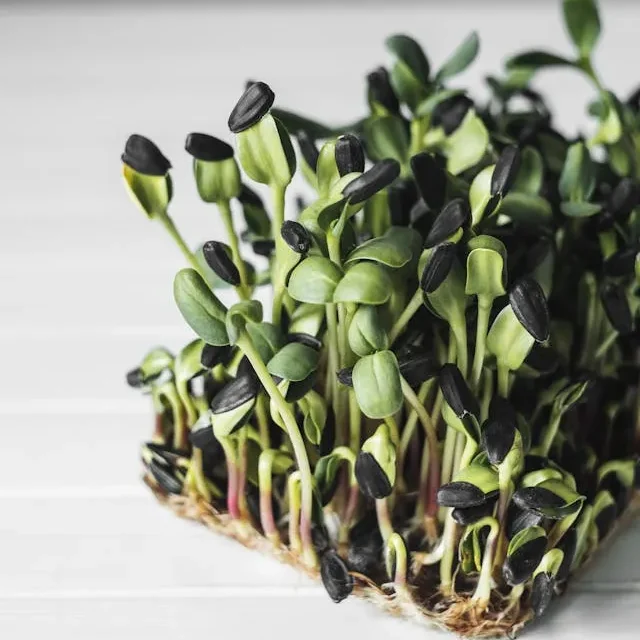
Sunflower microgreens are young sunflower plants cut at the stem right after the first leaves open — usually somewhere between day 7 and day 10 after the seed goes in the soil. That’s it. The whole lifecycle from seed to plate is under two weeks.
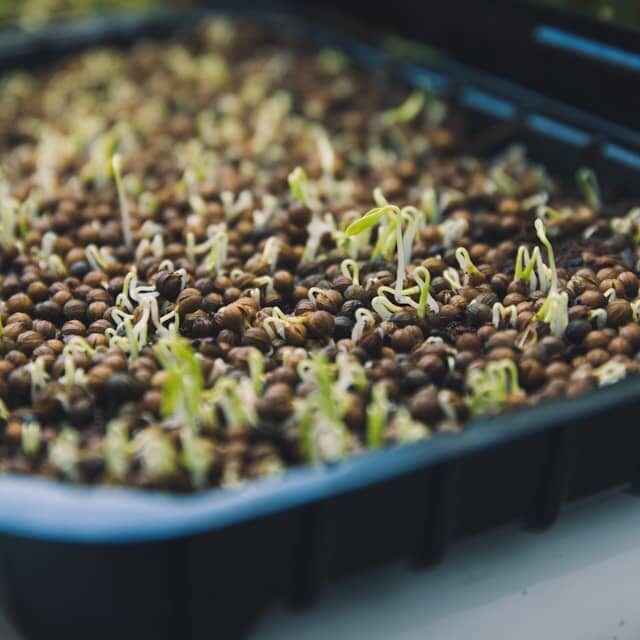
Most growers use black oil sunflower seeds specifically. They’re smaller than the striped seeds you’d snack on, have a thinner hull, and germinate faster and more evenly. You soak them overnight, spread them on a shallow tray with about an inch of growing medium, keep them in the dark for the first few days to encourage the stem to stretch, then move them to light. A week later you have something that looks like a small forest of pale green shoots with two rounded leaves on top.
Here’s a full step-by-step guide on how to grow sunflower microgreens
The flavor is genuinely good — nutty, a little earthy, with a satisfying crunch that holds up in salads better than most delicate greens. They don’t wilt the second dressing touches them. That texture is probably part of why chefs picked them up first.
As for why they’re everywhere now: microgreens broadly went from restaurant garnish to home-grow hobby sometime around 2015, pushed along by the urban gardening trend and a few widely-shared studies on nutrient density. Sunflower specifically became a favorite because they’re forgiving for beginners, fast, and actually taste like something. The pandemic-era surge in home growing didn’t hurt either — a tray of sunflower shoots is one of the few things you can grow on a kitchen counter in 8 days and actually want to eat.
Quick Nutrition Snapshot
Per 100g of sunflower microgreens (approximate values — these vary by seed source and growing conditions):
| Nutrient | Amount (per 100g) | Why It Matters |
|---|---|---|
| Vitamin A | 210 µg RAE | Eye health, immune function |
| Vitamin B complex | B1, B2, B3, B6 present | Energy metabolism, nerve function |
| Vitamin C | 30–35 mg | Antioxidant, skin repair |
| Vitamin E | 26 mg | Cell protection, skin health |
| Vitamin K | ~73 µg | Blood clotting, bone density |
| Magnesium | ~58 mg | Muscle function, sleep regulation |
| Iron | ~3 mg | Oxygen transport, energy |
| Zinc | ~1.4 mg | Immune support, wound healing |
| Calcium | ~40 mg | Bone strength, nerve signaling |
| Protein | ~3.8 g | Muscle repair, satiety |
One thing worth flagging: most of the figures floating around online for microgreen nutrition come from a small number of studies, some with limited sample sizes. The USDA doesn’t have a dedicated entry for sunflower microgreens the way it does for mature produce. The numbers above are real, but treat them as directionally accurate rather than precise. The core point — that these shoots are nutritionally dense relative to their size — holds up. The exact milligrams depend on your seeds, your soil, and your light.
7 Surprising Benefits of Sunflower Microgreens
The benefits of sunflower microgreens go further than most people expect from something that looks like a garnish. These aren’t a wellness trend dressed up in nutritional language — the research on microgreen nutrient density is real, and sunflower consistently ranks near the top of it.
What makes them worth paying attention to isn’t any single compound. It’s the combination: antioxidants, complete protein, fat-soluble vitamins, active enzymes, and anti-inflammatory compounds, all in a food that takes less than a minute to add to a meal.
Here’s what the evidence actually says.
1. Loaded With Antioxidants That Fight Cell Damage
Sunflower microgreens are one of the richest plant sources of vitamin E — a fat-soluble antioxidant that neutralizes free radicals before they damage cells. They also contain selenium and a range of flavonoids that work alongside vitamin E to slow oxidative stress, which is the underlying mechanism behind both accelerated aging and chronic disease development.
- Vitamin E in sunflower shoots runs significantly higher than in the mature plant
- Selenium supports the body’s own antioxidant enzyme production (glutathione peroxidase)
- Flavonoids like quercetin and kaempferol have been studied for their role in reducing inflammation markers
- A 2012 study found microgreens generally contained 4–40x the nutrient density of mature leaves — sunflower ranked among the highest for vitamin E specifically
The antioxidant case for these greens isn’t hype. It’s one of the more solid arguments in microgreen nutrition research.
2. A Complete Plant-Based Protein Source
Most plant foods are incomplete proteins — they’re missing one or more of the nine essential amino acids your body can’t make on its own. Sunflower microgreens are an exception. They contain all nine essential amino acids, which makes them genuinely useful for vegans and vegetarians trying to hit protein targets without relying entirely on legumes or soy.
- Roughly 3.8g of protein per 100g — modest by volume, but high relative to calorie load
- Contains lysine, which is the amino acid most commonly deficient in plant-based diets
- Also contains methionine, often low in beans and lentils
- The amino acid profile is close to what you’d get from sunflower seeds, but in a more bioavailable form because the germination process partially breaks down enzyme inhibitors. USDA study
For context: 100g of sunflower microgreens has more protein than the same weight of cucumber, celery, or lettuce combined.
3. Supports Heart Health Naturally
The cardiovascular case for sunflower microgreens comes from a few different directions at once. They contain phytosterols — plant compounds structurally similar to cholesterol that compete with it for absorption in the gut. They also have lecithin, which helps emulsify fats in the bloodstream, and meaningful potassium levels that support blood pressure regulation.
- Phytosterols have been shown to reduce LDL cholesterol by 5–15% when consumed regularly
- Lecithin supports healthy lipid metabolism and has been studied in relation to arterial flexibility
- Potassium in sunflower shoots helps counteract sodium’s effect on blood pressure
- The healthy fat profile mirrors that of sunflower seeds — high in linoleic acid (omega-6) with some oleic acid (omega-9)
One caution: sunflower microgreens are high in omega-6, so they work best as part of a diet that also includes omega-3 sources.
4. Boosts Immunity and Fights Inflammation
The benefits of sunflower microgreens for immune function come mainly from vitamin C, chlorophyll, and a cluster of anti-inflammatory plant compounds that work together rather than in isolation. Vitamin C directly supports white blood cell production. Chlorophyll has a separate but complementary effect — it’s been studied for its ability to reduce inflammatory cytokines, the signaling proteins that drive chronic inflammation.
- A single 50g serving of sunflower microgreens can deliver 15–18mg of vitamin C
- Chlorophyll has shown anti-inflammatory effects in several small studies, including a 2019 review in Nutrients
- Also contains zinc, which is directly involved in immune cell signaling
- The combination of vitamin C + zinc + chlorophyll is more effective than any one compound alone
Chronic low-grade inflammation is linked to most of the major non-communicable diseases. Dietary anti-inflammatories aren’t a cure, but they’re a reasonable daily input.
5. Improves Bone and Muscle Strength
Calcium gets most of the attention in bone health conversations, but the actual picture is more complicated. Vitamin K is what activates the proteins that bind calcium into bone matrix. Magnesium is what regulates calcium uptake at the cellular level. Sunflower microgreens contain all three, which makes them more useful for bone and muscle health than a calcium number alone would suggest.
- 100g provides roughly 40mg calcium, 58mg magnesium, and ~73µg vitamin K
- Vitamin K2 (present in small amounts) specifically activates osteocalcin — the protein responsible for bone mineralization
- Magnesium deficiency is common and directly linked to muscle cramps, poor sleep, and reduced bone density
- As a % of daily value: approximately 4% calcium, 14% magnesium, 60%+ vitamin K per 100g
Sunflower microgreens won’t replace a calcium supplement if you’re deficient, but they’re a meaningful dietary contribution to the full bone-support picture.
6. Aids Digestion and Gut Health
Sunflower microgreens support digestion through a few overlapping mechanisms. They contain dietary fiber that slows gastric emptying and feeds beneficial gut bacteria. They also carry active enzymes that are present specifically because the seed is in a germination state — these enzymes help break down food compounds that would otherwise pass through undigested.
- Fiber content supports satiety, which means you stay fuller for longer after eating them
- Germination activates amylases, proteases, and lipases — digestive enzymes that are largely absent in mature seeds
- Chlorophyll has mild prebiotic properties and has been studied for its effect on gut microbial diversity
- The fiber-enzyme combination is gentler on digestion than raw mature greens, making sunflower shoots a reasonable option for people with sensitive stomachs
A 2017 paper in Frontiers in Plant Science noted that germination increases enzyme activity significantly across most seed types, with sunflower among the better-studied examples.
7. Supports Skin, Eye, and Brain Health
This is where the benefits of sunflower microgreens get genuinely broad. The carotenoids — including beta-carotene and lutein — are the main story for skin and eye health. Lutein specifically concentrates in the macula of the eye and filters high-energy blue light. For the brain, the B-complex vitamins (B1, B2, B3, B6) are involved in neurotransmitter synthesis, myelin maintenance, and energy production in neural tissue.
- Lutein has been studied extensively for reducing risk of age-related macular degeneration
- Beta-carotene converts to vitamin A, which regulates skin cell turnover and collagen support
- B vitamins in sunflower shoots support serotonin and dopamine synthesis — both mood-relevant neurotransmitters
- Vitamin E (already high in these greens) also plays a direct role in skin barrier function and UV damage repair
The “beauty green” label gets applied to a lot of foods loosely. In this case, the underlying mechanisms are at least real and reasonably well documented.
For a deeper look at the exact nutrients behind these benefits, check out our complete sunflower microgreens nutrition breakdown.
Sunflower Microgreens vs Sunflower Seeds — What’s the Difference?
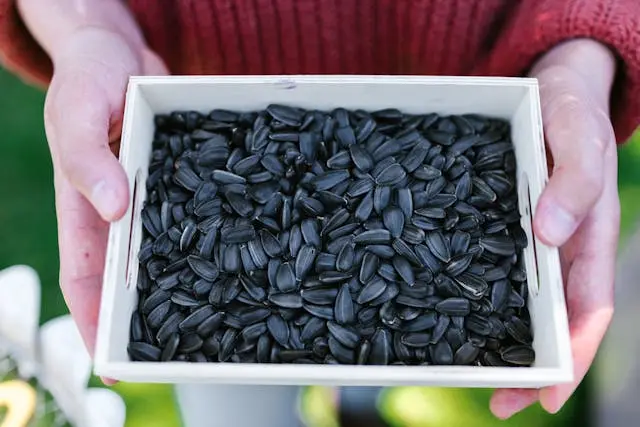
Most people discover sunflower microgreens because they already like sunflower seeds. Makes sense. Same plant, similar flavor profile. But they’re not interchangeable nutritionally, and the differences are more interesting than you’d expect.
The short version: seeds are calorie-dense, fat-rich, and shelf-stable. Microgreens are water-rich, enzyme-active, and nutritionally front-loaded in ways the seed isn’t. They’re optimized for different things by biology, not by processing.
If you’re curious about how sunflower ranks against other varieties, the differences in flavor, yield, and grow time are worth knowing before you pick a seed.
Why Germination Changes Everything
When a seed germinates, it’s essentially digesting itself to fuel growth. Stored fats break down into fatty acids. Proteins get cleaved into free amino acids. Enzyme inhibitors — the compounds seeds use to stay dormant — get deactivated. The result is a plant that’s chemically very different from the seed it came from, even though it’s only 7–10 days old.
This is why bioavailability goes up in microgreens. The germination process does some of the digestive work before the food ever reaches your gut. Phytic acid — which binds to minerals like zinc, iron, and calcium in seeds and blocks their absorption — drops significantly during sprouting and early growth. You absorb more of what’s actually listed on the nutrition label.
Seeds, by contrast, contain phytic acid in meaningful amounts. The minerals are there, but a portion of them pass through without being absorbed, especially if you’re not soaking or roasting the seeds first.
Side-by-Side Comparison
| Metric | Sunflower Seeds (100g) | Sunflower Microgreens (100g) |
|---|---|---|
| Calories | 584 kcal | ~105 kcal |
| Total Fat | 51g | ~4g |
| Protein | 21g | ~3.8g |
| Vitamin E | 35mg | ~26mg |
| Vitamin C | 1.4mg | ~32mg |
| Vitamin K | ~0µg | ~73µg |
| Magnesium | 325mg | ~58mg |
| Phytic Acid | High (reduces absorption) | Low (largely broken down) |
| Active Enzymes | Minimal | High (germination-active) |
| Chlorophyll | None | Present |
What the Numbers Actually Tell You
Seeds win on raw protein, magnesium, and total fat — including the healthy fats. If you’re after calorie density or you need a portable snack that keeps you full for hours, seeds make more sense.
Microgreens win on vitamin C by a wide margin (nearly 23x), vitamin K (seeds have essentially none), chlorophyll, and active enzyme content. They also win on calorie efficiency — you’re getting a lot of nutritional activity for very few calories, which matters if you’re eating a volume of food rather than a small handful.
The bioavailability gap is the part most comparisons skip. A seed with 325mg of magnesium and significant phytic acid doesn’t deliver 325mg of magnesium to your bloodstream. A microgreen with 58mg and low phytic acid might actually deliver more of it. The headline number on seeds looks better. The absorbed amount is closer than it appears.
Which One Should You Eat?
Both, if you can. They’re not really competing. Seeds are a fat and protein source. Microgreens are closer to a concentrated vegetable. The question isn’t which is better, it’s what gap you’re trying to fill in your diet.
If you eat seeds regularly and no other greens, sunflower microgreens are probably the more useful addition. If you already eat a variety of vegetables, seeds give you something microgreens don’t: sustained energy and a meaningful fat profile in a small volume.
How to Eat Sunflower Microgreens
They don’t need much. That’s the honest selling point — sunflower microgreens are one of the few nutritious foods that require zero prep and taste good raw.
5 easy ways to use them:
- Salads — use as a base or mix with romaine/spinach; the crunch holds up better than most microgreens under dressing
- Smoothies — a small handful blends cleanly without making it taste like grass; pairs well with banana, mango, or pineapple
- Sandwiches and wraps — straight swap for lettuce; adds more nutrition and doesn’t go soggy as fast
- Soups — add raw as a topping after the bowl is plated, not while cooking; heat kills the enzymes
- Eggs — fold into scrambled eggs or pile on top of a fried egg; the slight nuttiness works well with yolk
Simple Recipe: Sunflower Microgreen Breakfast Bowl
- 1 soft-boiled egg, halved
- Large handful of sunflower shoots
- Half an avocado, sliced
- Drizzle of olive oil, pinch of flaky salt, squeeze of lemon
That’s it. Takes four minutes. The fat from the egg and avocado helps absorb the fat-soluble vitamins (A, E, K) in the microgreens — so it’s not just a good combination by taste, it’s a better one nutritionally.
Best Time to Eat Them
Morning is the most useful window, practically speaking. Your digestive enzymes are fresh, you’re likely in a mild overnight fast, and pairing microgreens with a fat source at breakfast sets up better fat-soluble vitamin absorption for the day. That said, there’s no rigid rule here — if you eat them at lunch every day, that’s worth more than a perfect morning routine you don’t stick to.
Are There Any Side Effects of Sunflower Microgreens?
For most people, no. Sunflower microgreens are a whole food with a long history of safe consumption and no unusual compounds that make them risky at normal dietary amounts. But a few groups should pay attention before making them a daily habit.
If You Take Blood Thinners
This is the one that comes up most in clinical nutrition contexts. Sunflower microgreens contain a meaningful amount of vitamin K — around 73µg per 100g. Vitamin K is directly involved in blood clotting, and medications like warfarin (Coumadin) work by blocking vitamin K activity. Eating significantly more vitamin K than usual can interfere with how well those medications work.
This doesn’t mean you can’t eat sunflower microgreens if you’re on anticoagulants. It means consistency matters more than avoidance. Sudden large increases in vitamin K intake are the actual problem — not a steady, moderate amount your doctor already knows about.
If you’re on any blood-thinning medication, the right move is to mention it to whoever manages your prescription before changing your diet in a meaningful way. That’s not overcautious — it’s just how these medications work.
Allergy Considerations
Sunflower microgreens come from the same plant as sunflower seeds. If you have a known sunflower seed allergy, that allergy likely extends to the microgreens. Reactions to sunflower can range from mild oral irritation to more significant responses depending on sensitivity.
Sunflower is also in the Asteraceae family, which includes ragweed, chamomile, and chrysanthemums. People with ragweed pollen allergies occasionally experience cross-reactivity with sunflower products — usually mild, but worth knowing if you’re prone to seasonal allergies and notice any oral itching or discomfort after eating them.
If you’ve never had sunflower seeds without issue, sunflower microgreens are very unlikely to cause a problem.
Mold Risk in Home-Grown Batches
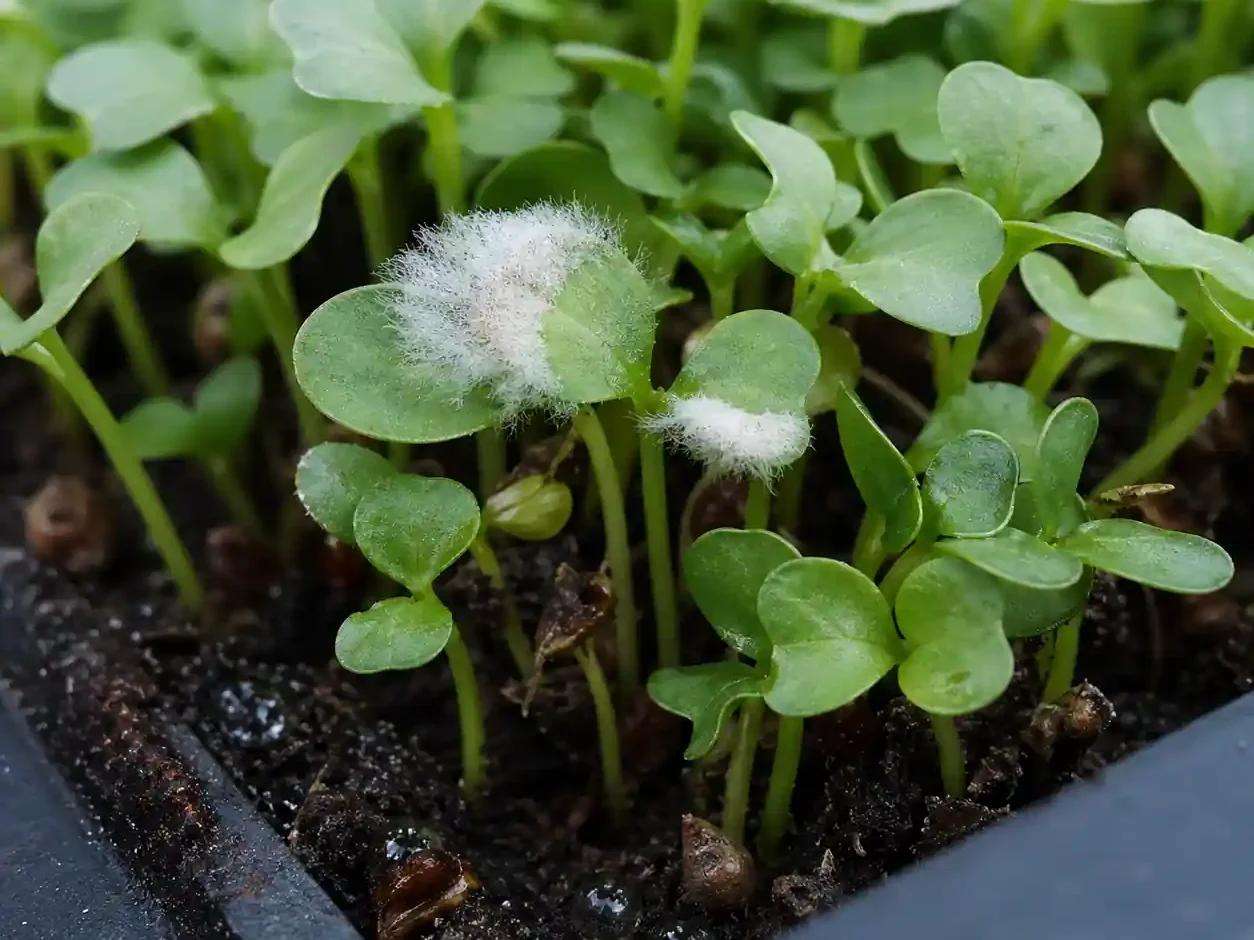
This one doesn’t get talked about enough. Microgreens grown at home in humid conditions can develop mold, particularly at the base of the stem near the soil line. Mold on microgreens isn’t always obvious, it can look like white fuzz that’s easy to mistake for root hairs.
- Rinse home-grown batches before eating
- Inspect the stem base, not just the leaves
- Don’t eat batches that smell off or have visible fuzzy growth at the roots
- Good airflow during growing dramatically reduces mold risk
Commercially grown microgreens from reputable suppliers go through food safety protocols that reduce this risk. Home growers take on more responsibility here.
How Much Is Reasonable
There’s no established official daily limit for sunflower microgreens. They’re food, not a supplement. A reasonable daily amount for most adults — one or two large handfuls (roughly 30–60g) — is well within normal dietary range and unlikely to cause any issues.
Eating very large quantities daily over a long period could theoretically push vitamin K or selenium intake higher than intended, but you’d have to be eating an unusual volume for that to be a real concern.
The broader point: if you’re eating sunflower microgreens as part of a varied diet rather than as a replacement for everything else, the side effect conversation is fairly short. The groups above are the exceptions, not the rule.
This section is for general informational purposes only and is not medical advice. If you have a specific health condition or take prescription medication, speak with a qualified healthcare provider before making significant dietary changes.
Frequently Asked Questions
Are sunflower microgreens good for you?
Yes. Sunflower microgreens are nutrient-dense, containing vitamins A, C, E, and K, plus magnesium, zinc, and complete plant-based protein. They have more vitamin C than sunflower seeds and lower phytic acid, meaning your body absorbs more of what’s in them. For most people, they’re a straightforward nutritional upgrade to an ordinary diet.
How many sunflower microgreens should I eat per day?
A daily amount of 30–60g — roughly one to two large handfuls — is reasonable for most adults. There’s no official upper limit since they’re a whole food, not a supplement. People on blood-thinning medications should keep their intake consistent rather than varying it, and check with their doctor first.
Can I grow sunflower microgreens at home?
Yes, and they’re one of the easier microgreens to start with. You need black oil sunflower seeds, a shallow tray, growing medium, and a light source. Soak seeds overnight, plant densely, keep dark for 3–4 days, then move to light. Most home growers have a harvestable tray in 7–10 days.
If you don’t want to deal with potting mix, soil-free growing works just as well for sunflower — and keeps things cleaner on a kitchen counter.
Are sunflower microgreens better than sunflower seeds?
They do different jobs. Seeds are calorie-dense with more protein and healthy fats. Microgreens have significantly more vitamin C and vitamin K, lower phytic acid, and active digestive enzymes. If you eat seeds regularly but few vegetables, microgreens fill a gap seeds don’t. Eating both makes more sense than choosing one.
Do sunflower microgreens taste like sunflower seeds?
Similar, but milder. They have the same nutty base flavor without the richness or oiliness of a seed. The texture is crunchy rather than chewy. Most people who dislike the intensity of raw seeds find microgreens easier to eat in larger amounts and more versatile across different meals.
Can sunflower microgreens cause any side effects?
For most people, no. The two groups who should pay attention are people on blood-thinning medications like warfarin — because of the vitamin K content — and anyone with a known sunflower seed allergy. Home-grown batches carry a small mold risk if airflow is poor during growing. At normal dietary amounts, side effects are uncommon.
How do sunflower microgreens compare to other microgreens?
Sunflower microgreens rank high for vitamin E, complete protein, and texture among commonly grown varieties. Broccoli microgreens beat them on sulforaphane content. Pea shoots have more vitamin C. Sunflower’s advantage is flavor and versatility — they’re one of the few microgreens that work as a salad base rather than just a garnish.