

Most people assume growing peppers indoors is more complicated than it actually is. They picture grow lights, humidity meters, and a lot of failed experiments before getting anything edible. But the truth is, peppers are pretty forgiving once you understand what they actually need and most indoor failures trace back to the same handful of mistakes: not enough light, watering too often, or starting with the wrong variety.
The problems tend to compound quietly. A plant that’s not getting enough light won’t die right away: it’ll just stretch, look leggy, and eventually stop fruiting. You might spend weeks troubleshooting soil or fertilizer before realizing the window you picked just isn’t cutting it. That gap between “looks okay” and “actually thriving” is where most indoor pepper growers get stuck.
This guide works through the 20 questions that come up most, the ones people actually search for at 11pm after their plants have been sitting on a windowsill for six weeks without doing much. No filler, just what you need to know.
If you want the full setup guide before diving into the Q&A, start with How to Grow Peppers Indoors Without a Garden, it covers everything from seed to harvest.
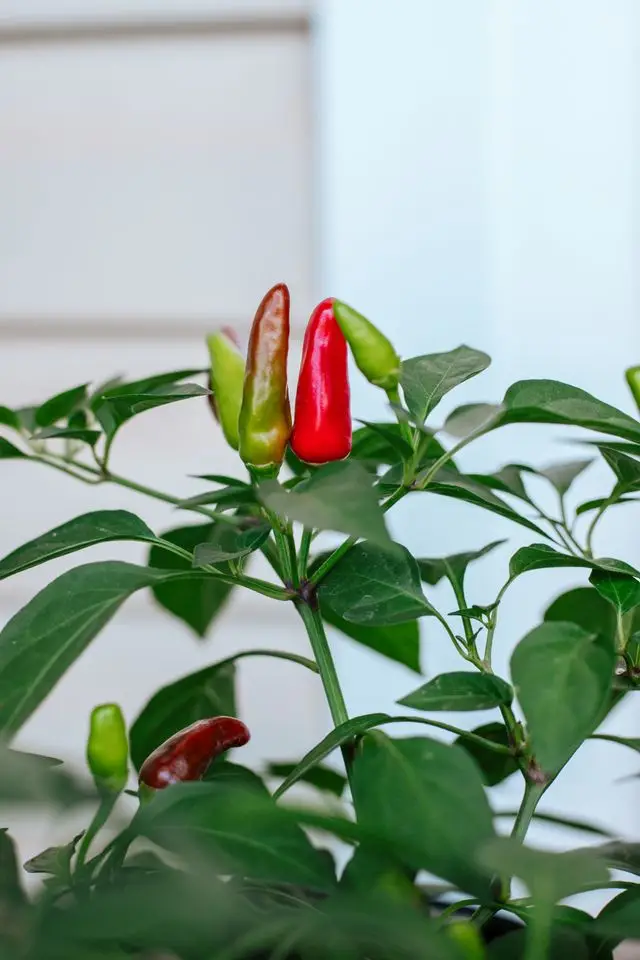
Affiliate Disclosure: This post contains affiliate links. If you purchase through these links, I may earn a small commission at no extra cost to you. This helps keep the website and blog running so I can continue creating free content. Thank you for your support!
Can You Really Start Growing Peppers Indoors?
Yes, peppers can absolutely be grown indoors. They need bright light, a big enough pot, and some patience, but they’re not nearly as demanding as most people think.
The main thing to get right is light. Peppers want at least 6–8 hours of direct sun daily, which most windows can’t deliver year-round. A south-facing window works in summer, but come winter, you’ll likely need a grow light to keep them producing. Get that sorted and everything else becomes much easier.
Pot size matters too. Peppers have deeper roots than people expect, a 3–5 gallon container is the minimum for most varieties. Go too small and the plant stresses out before it even gets a chance to fruit.
For indoors, compact varieties are your best bet. Ornamental types, mini bells, and smaller hot peppers like Lemon Drop or Prairie Fire handle container life well without outgrowing your space.
Bigger varieties aren’t impossible, but they need more room and more light. Start small and you’ll get results a lot faster.
Can Peppers Grow in Shade Indoors?
No. Peppers are sun-hungry plants, shade will stunt their growth and they’ll rarely fruit in low-light conditions. You might get a surviving plant, but not a producing one.
That said, “shade” indoors usually just means a window that isn’t cutting it, and that’s fixable. A grow light placed 4–6 inches above the plant for 14–16 hours a day can fully replace natural sunlight. Full-spectrum LEDs are the go-to: they run cool, use less electricity, and peppers respond well to them.
If your home doesn’t get much natural light, don’t let that stop you. Plenty of people grow peppers in apartments with no direct sun at all, just a decent grow light on a timer. It’s a straightforward fix once you stop waiting on the window.
Check out our complete guide on Light Requirements for Indoor Plants, to better prevent and cure leggy seedlings.
Are Peppers Heavy Feeders?
Yes, peppers are moderately heavy feeders, they won’t perform well in depleted soil, but they don’t need feeding every other day either.
The schedule that works indoors: a balanced fertilizer (10-10-10) every two weeks during the vegetative stage. Once flowers start appearing, shift to something lower in nitrogen and higher in phosphorus and potassium, too much nitrogen at that point pushes leafy growth at the expense of fruit.
Container plants need more frequent feeding than garden peppers because nutrients flush out every time you water. A liquid fertilizer is easier to control than granules indoors, you can adjust the dose if the plant shows signs of stress.
Watch the leaves. yellowing between veins usually means a magnesium or iron deficiency. Dark, curled leaves can mean you’ve overdone the nitrogen. Peppers tell you what they need pretty clearly once you know what to look for.
Every 2–3 months, flush the pot with plain water to prevent salt buildup from fertilizer residue.
How Long Do Peppers Take to Grow Indoors?
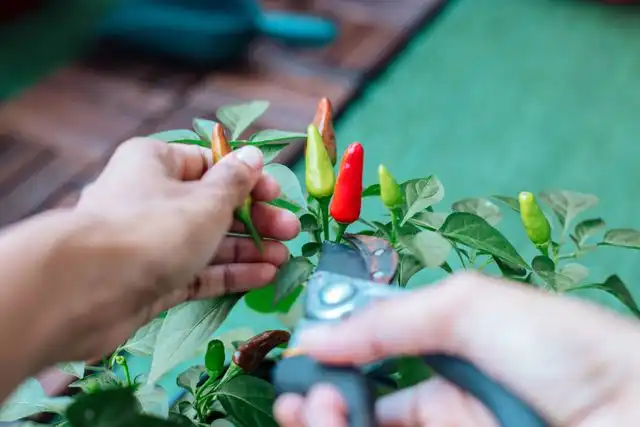
Indoors, peppers typically take 70–120 days from transplant to first harvest, depending on the variety. That clock starts after germination and seedling stage, so from seed to table you’re usually looking at 4–5 months total. Compact and hot varieties tend to run faster. Bell peppers sit at the longer end. The good news with indoor growing is that you control the environment, consistent warmth and light can shave weeks off that timeline compared to outdoor growing with unpredictable weather.
| Pepper Variety | Germination Time | Days to Fruit |
|---|---|---|
| Bell Pepper | 7–14 days | 90–120 days |
| Banana Pepper | 7–10 days | 70–85 days |
| Jalapeño | 7–14 days | 70–85 days |
| Cayenne | 10–14 days | 70–80 days |
| Habanero | 14–21 days | 90–100 days |
| Serrano | 7–14 days | 75–90 days |
| Thai Chili | 10–21 days | 70–85 days |
| Lemon Drop | 10–14 days | 80–90 days |
| Prairie Fire | 7–14 days | 65–75 days |
| Poblano | 7–14 days | 65–80 days |
| Ghost Pepper | 21–35 days | 100–120 days |
| Carolina Reaper | 21–40 days | 90–120 days |
How Long Does Bell Pepper Take to Germinate?
Bell pepper seeds germinate in 7–14 days with soil temperatures around 80°F. Cold soil slows this down significantly, below 65°F and you might wait three weeks or get nothing at all.
How Long Do Banana Peppers Take to Grow?
Banana peppers reach harvest around 70–85 days after transplanting. They’re one of the faster varieties, which makes them a solid choice if you want results without a long wait.
How Tall Do Pepper Plants Grow Indoors?
Indoors, height depends almost entirely on variety. Sweet peppers tend to run taller, often 18–36 inches. Most hot peppers stay more compact, which is part of why they’re popular for container growing.
If a plant is pushing the ceiling (or the grow light), pinch the top growing tip early. It won’t hurt the plant, it redirects energy into bushy lateral growth and usually means more fruit, not less.
| Pepper Variety | Typical Indoor Height |
|---|---|
| Bell Pepper | 18–36 inches |
| Banana Pepper | 18–24 inches |
| Jalapeño | 24–30 inches |
| Cayenne | 18–24 inches |
| Thai Chili | 12–18 inches |
| Prairie Fire | 8–14 inches |
Do Pepper Plants Need Support When Growing Indoors?
Yes, once a pepper plant starts loading up with fruit, the branches can snap under the weight, especially on taller varieties.
A simple bamboo stake and some soft plant ties is all most indoor plants need. Push the stake close to the main stem and tie loosely, tight ties cut into the stem as it thickens.
- For bushier plants with multiple heavy branches, a small tomato cage works better than a single stake. Drop it over the plant early, before the branches spread out and make it awkward to fit.
- Compact varieties like Prairie Fire rarely need any support at all.
How Should You Space Peppers in Indoor Containers?
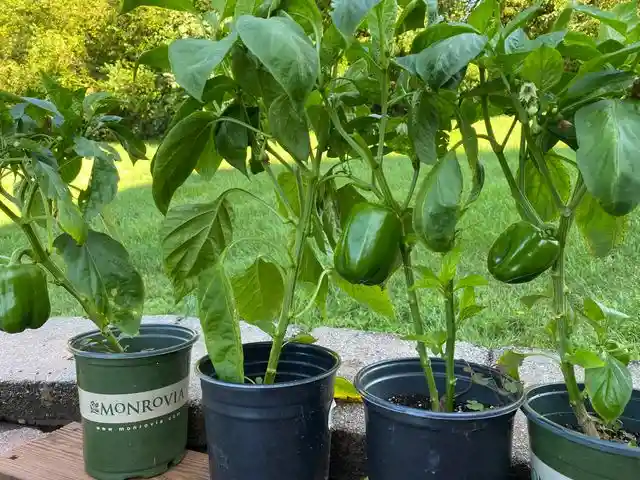
One plant per container is the safest rule indoors. Peppers need airflow around their leaves to stay healthy, and crowding two plants into one pot almost always means both underperform. If you’re growing multiple plants, use separate containers and space them 12–18 inches apart so air can move between them freely.
| Pepper Variety | Container Size | Spacing Between Pots |
|---|---|---|
| Bell Pepper | 5 gallon | 18–24 inches |
| Jalapeño | 3–5 gallon | 12–18 inches |
| Banana Pepper | 3–5 gallon | 12–18 inches |
| Cayenne | 3 gallon | 12–15 inches |
| Habanero | 3–5 gallon | 12–18 inches |
| Thai Chili | 2–3 gallon | 10–12 inches |
| Prairie Fire | 1–2 gallon | 8–10 inches |
How Far Apart to Plant Jalapeños in Containers?
One jalapeño per 3–5 gallon pot. If placing multiple pots together, keep them 12–18 inches apart. Jalapeños branch out fairly wide when healthy, and cramping them kills airflow, which invites fungal issues fast.
How Far Apart to Plant Bell Peppers in Containers?
Bell peppers need more room than most, one plant per 5 gallon container minimum, with pots spaced at least 18–24 inches apart. They grow taller and wider than compact varieties, so generous spacing makes a real difference in yield.
Do Indoor Pepper Plants Need to Be Pollinated?
Yes. Outdoors, wind and bees handle pollination without you thinking about it. Indoors, neither exists, so if your plant is flowering but not setting fruit, that’s almost certainly why.
The fix is simple and takes about 30 seconds per flower.
How to Pollinate Pepper Flowers Indoors?
- Wait for the flower to fully open — a partially opened bud won’t have accessible pollen yet.
- Use a small paintbrush or cotton swab and gently swirl it inside the flower, picking up the yellow pollen from the stamens.
- Transfer it to the next flower by swirling the same brush inside. Repeat across all open flowers.
- Alternatively, just shake the plant gently — a light vibration mimics wind and dislodges pollen naturally. An electric toothbrush held against the stem works surprisingly well for this.
Do this every couple of days while flowers are open. Results show up within a week or two, the flower base swells and a small pepper starts forming.
Should You Remove the First Flowers on a Pepper Plant?
Counterintuitive as it sounds, yes, pinching off the first round of flowers usually leads to a better harvest overall.
When a young pepper plant flowers early, it’s redirecting energy toward producing seed before it’s fully established. Let those first flowers develop and you’ll get a small number of peppers on a plant that never quite reached its potential size.
Remove those early flowers and the plant keeps putting energy into roots, stems, and branches instead. By the time it flowers again, usually a few weeks later, it’s bigger, bushier, and capable of supporting significantly more fruit at once.
It feels wrong to pull off flowers when you’re eager for peppers. But the tradeoff is real: a few weeks of patience early on typically doubles or triples the eventual yield.
Skip this step on mature plants that have already been through a full growing season.
Why Are My Pepper Flowers Falling Off Before Fruiting?
Flower drop is one of the most frustrating things about growing peppers indoors, and it almost always comes down to stress of some kind. The plant is essentially deciding it can’t support fruit right now and cutting its losses.
- Temperature is the most common trigger. Pepper flowers drop when temps push above 90°F or dip below 55°F, both extremes tell the plant conditions aren’t right for reproduction. Check where your plant is sitting and whether it’s near a heat vent, drafty window, or air conditioning unit.
- Low humidity, inconsistent watering, and too much nitrogen fertilizer are the other usual suspects. Dry indoor air, especially in winter, stresses the plant enough to drop flowers before they set. A small humidifier nearby or a pebble tray with water under the pot helps more than people expect.
If none of those apply, check whether you’re pollinating. Unpollinated flowers that don’t get fertilized will eventually drop on their own, the plant won’t hold them indefinitely waiting for a bee that’s never coming.
How Cold Is Too Cold for Pepper Plants Indoors?
Below 55°F and your pepper plant shifts into survival mode: growth slows, flowers drop, and fruiting stalls. Drop below 50°F regularly and you’ll start seeing real damage: yellowing leaves, root stress, and a plant that takes weeks to recover even after temperatures come back up.
Indoors this is rarely a crisis, but it catches people out in winter. Plants sitting on cold windowsills can experience temperatures 10–15 degrees lower than the rest of the room, the glass pulls heat right out. Move plants away from windows on cold nights or slide a piece of cardboard between the pot and the glass.
Peppers want to stay between 65–85°F to grow and fruit consistently. Below 60°F, don’t expect much.
How to Get More Fruit from Your Indoor Pepper Plants?
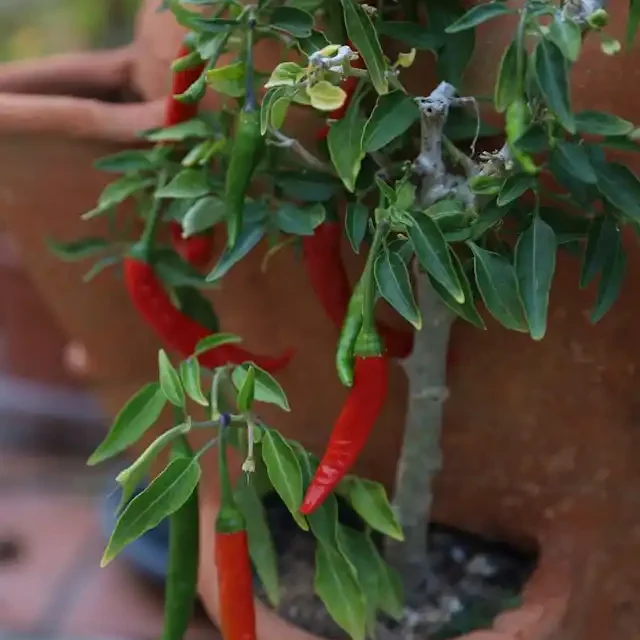
If your indoor pepper plant is flowering but not setting fruit, or just producing less than expected, a few adjustments usually fix it.
- Hand-pollinate the flowers — indoors there are no bees, so give each flower a gentle shake or use a small brush to transfer pollen. This alone solves most fruiting problems.
- Check your light — less than 6–8 hours of bright light and the plant prioritizes survival over reproduction.
- Back off the nitrogen — too much pushes leafy growth instead of fruit. Switch to a phosphorus-heavy fertilizer once flowers appear.
- Keep temperatures stable — above 90°F or below 60°F causes flower drop.
- Prune early growth — pinching the first few flower buds forces the plant to branch out and produce more fruiting sites overall.
- Don’t overwater — consistently soggy soil stresses the roots and shuts down fruiting.
Do Pepper Plants Come Back Every Year?
Technically, peppers are perennials, they don’t die after one season by nature. Outdoors in cold climates they’re treated as annuals because frost kills them. Indoors is a different story.
A pepper plant kept in stable temperatures with consistent light can live and produce for several years. Older plants often fruit more heavily than first-year ones once they’ve had time to establish a proper root system.
The catch is they need a light pruning between seasons to stay productive, left alone, older growth gets woody and output drops. But kept up, an indoor pepper plant is genuinely a long-term investment.
Why Are My Indoor Pepper Plants Not Producing Fruit?
If your plant is growing fine but fruit never appears, work through this list before assuming something is seriously wrong.
- No pollination is the most common cause indoors, flowers come and go without setting fruit because nothing is transferring pollen between them. Hand-pollinate with a small brush every few days while flowers are open.
- Insufficient light is the second thing to check. A plant getting less than 6–8 hours of bright light will grow leaves but rarely commit to fruiting. Grow lights fix this completely.
- Temperature swings, anything consistently above 90°F or below 55°F causes the plant to drop flowers before they develop.
- Too much nitrogen keeps the plant in vegetative mode, pushing leaves instead of fruit. Switch to a phosphorus-heavy fertilizer once flowers appear.
- Overwatering stresses roots quietly and shuts down fruiting without any obvious visible symptoms until the problem is already established.
Can You Overwinter Pepper Plants Indoors?
Yes, and this is honestly one of the best reasons to grow peppers indoors in the first place. Outdoor gardeners have to start from seed every spring, you don’t.
Overwintering is straightforward. When outdoor temps start dropping in fall, bring any container peppers inside before the first frost. Plants already growing indoors just keep going with no transition needed. Here’s the basic process:
- Cut the plant back by a third: remove dead branches, thin out crowded growth, and trim any remaining fruit that won’t ripen. This reduces energy demands over winter.
- Drop the light schedule to 10–12 hours and ease off fertilizing almost completely. The plant isn’t actively growing, so it doesn’t need much.
- Water less frequently, just enough to keep the soil from drying out completely.
- Come late winter, gradually increase light back to 14–16 hours and resume a normal feeding schedule. New growth appears within a few weeks.
Plants that go through this process usually come back stronger than their first year: better branching, faster fruiting, and a root system that’s already fully established.
How Long Are Bell Peppers Good for After Harvest?
Picked bell peppers last about 1–2 weeks on the counter at room temperature. In the fridge, stored whole in the crisper drawer, they’ll hold for up to 2 weeks.Cut peppers are a different story, once sliced, use them within 3–4 days refrigerated.
A few things speed up spoilage:
- moisture on the skin,
- storing near ethylene-producing fruit like apples or bananas,
- and fluctuating temperatures.
Keep them dry, whole, and away from fruit and they’ll last as long as possible. Wrinkled skin doesn’t mean they’re bad, just slightly dehydrated. Still fine to cook with.
Growing peppers indoors doesn’t require a perfect setup or years of gardening experience. Most people who struggle with it are dealing with one fixable problem, usually light, and once that’s sorted, everything else falls into place fairly quickly.
Start with one or two plants. Pick a compact variety, get a decent grow light if your windows are lacking, and focus on not overwatering. That’s genuinely most of it. You can add complexity later: more plants, more varieties, overwintering, the works, but the first harvest is what gets you hooked, and you don’t need much to get there.
If you’ve got questions about your plants or ran into something this guide didn’t cover, drop them in the comments. And if you’re growing other things indoors alongside your peppers, you might run into issues with those too, our guide on Why Are My Green Onions Slimy? Causes, Safety & Easy Fixes is worth a read if green onions are part of your indoor garden.