

You found droppings behind the stove. Or maybe you heard something scratching inside the wall at 2 a.m. Either way, your brain goes straight to the same place and if you’ve read anything about rodents or mice lately, hantavirus probably came up. You might have even searched for plants that repel rodents, hoping there’s a natural fix that doesn’t involve traps or chemicals.
Here’s what’s actually true: hantavirus spreads through contact with infected rodent urine, droppings, and saliva, or by breathing in dust contaminated with them. It does not spread person to person, and it does not travel through open air on its own. That distinction matters, because a lot of what circulates online about “hantavirus prevention” overpromises badly.
So let’s be clear upfront: no plant prevents or treats hantavirus. Full stop. What certain plants may do is make your home and yard less appealing to the mice and rats that carry it. That’s a smaller claim, but it’s an honest one, and it’s actually useful.
Reducing rodent activity near your home is one of the most practical, low-effort first steps you can take. These 10 plants are a reasonable place to start.
Affiliate Disclosure: This post contains affiliate links. If you purchase through these links, I may earn a small commission at no extra cost to you. This helps keep the website and blog running so I can continue creating free content. Thank you for your support!
In This Article
What Is Hantavirus and Why Should You Take It Seriously?
Hantavirus has been around far longer than most people realize. It was first identified in 1978 near the Hantan River in South Korea — which is where it gets its name. It didn’t reach global headlines until 1993, when an outbreak in the Four Corners region of the American Southwest infected dozens of previously healthy young adults, many of whom died within days of their first symptoms. That outbreak changed how seriously public health agencies treat rodent-borne diseases.
How it spreads
Hantaviruses are carried by rodents and transmitted to humans through contact with infected rodent urine, droppings, or saliva. The most common route of infection isn’t touching a rodent — most infections happen when someone disturbs a rodent-contaminated space, like cleaning out a shed, sweeping a basement, or opening a building that’s been closed for a while, and breathes in dust contaminated with mouse or rat droppings. That’s what makes enclosed, poorly ventilated spaces particularly risky. (PBS)
The two main diseases it causes
- Hantavirus Pulmonary Syndrome (HPS) / Hantavirus Cardiopulmonary Syndrome (HCPS) — primarily found in the Americas, this rapidly progressive condition affects the lungs and heart, with a case fatality rate up to 50%. It starts with fever, headache, and muscle aches before escalating fast.
- Hemorrhagic Fever with Renal Syndrome (HFRS) — found mainly in Europe and Asia, this form primarily affects the kidneys and blood vessels, with symptoms including intense headaches, abdominal pain, and in severe cases, internal bleeding.
What’s happening right now: the cruise ship outbreak
Hantavirus is in the news right now for a reason that surprised a lot of people. Three people have died and several others have been sickened aboard the MV Hondius, a Dutch expedition cruise ship, in a suspected hantavirus outbreak. The WHO confirmed the Andes strain of the virus was involved — a strain known to allow limited person-to-person transmission, found in parts of Argentina where the ship departed. The WHO has repeatedly stressed there is a low threat to the general public from this outbreak, but the incident has brought renewed attention to just how serious this virus can be. For further updates visit World Health Organization.
Who is most at risk
Anyone who spends time in spaces with rodent activity faces some level of exposure risk — but people in rural areas, farmers, campers, hikers, construction workers, and anyone cleaning out long-undisturbed enclosed spaces are at higher risk than most.
No cure exists
There is no specific treatment that cures hantavirus. Early supportive medical care is key to improving survival, focusing on close clinical monitoring and management of respiratory, cardiac, and kidney complications. There is also no approved vaccine. Prevention is essentially the only tool available — which is exactly why keeping rodents away from your living spaces is more than a comfort issue. It’s a genuine health consideration.
Medical Note: If you suspect exposure to rodents in an enclosed space, or experience symptoms like fever, muscle aches, fatigue, or difficulty breathing, seek medical attention immediately and mention potential rodent exposure to your doctor. For up-to-date guidance, refer to the CDC and WHO hantavirus resources.
10 Plants That Repel Rodents — And That Rodents Genuinely Hate
Most articles on this topic will tell you that mice dislike “strong smells.” That’s true, but it’s not the whole story. Rodents have an olfactory system roughly 1,000 times more sensitive than ours — specific compounds in certain plants don’t just smell unpleasant to them, they actively interfere with their ability to navigate, communicate, and feel safe. Here’s what’s actually doing the work, plant by plant.
1. Peppermint
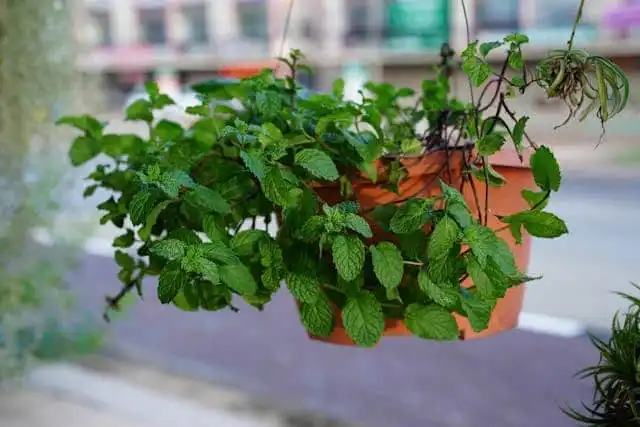
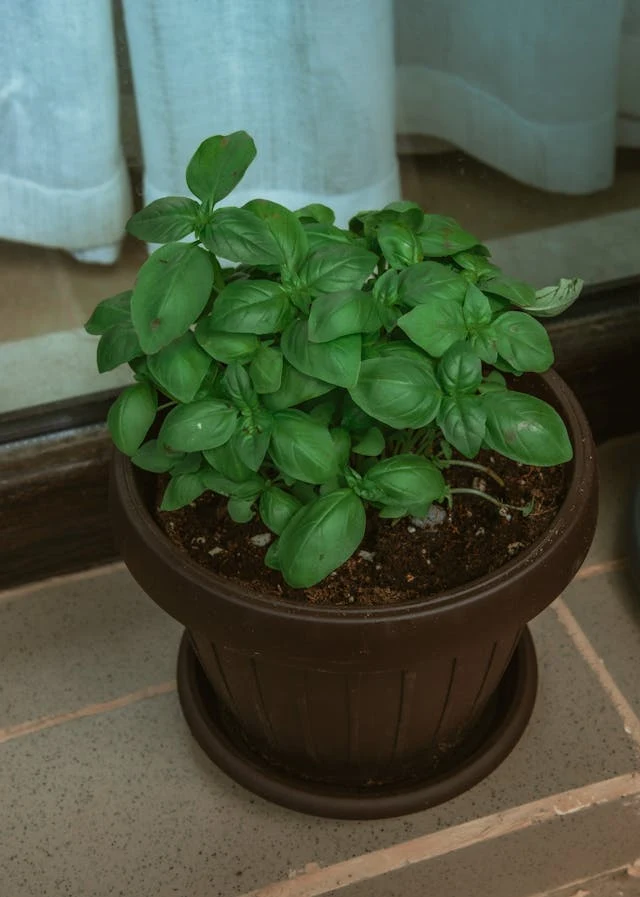
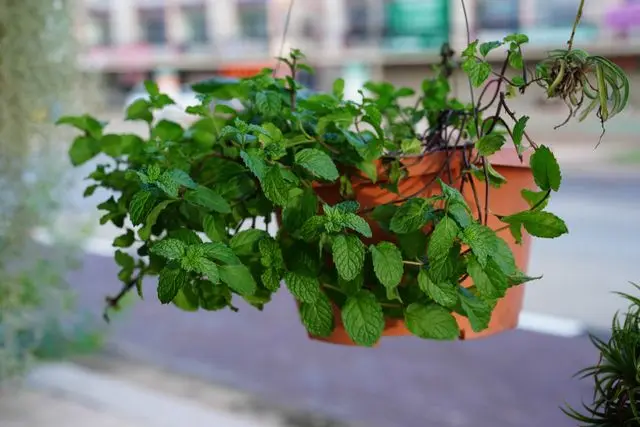
A fast-growing herb with bright green, serrated leaves and a sharp, cooling scent most humans enjoy.
Why rodents hate it: Peppermint contains pulegone and menthone — the exact same compounds used in commercial rodent repellent products. These overwhelm the rodent’s olfactory receptors, making nearby spaces disorienting and unpleasant.
Where to place it: Along foundation walls, near entry points, and under sinks indoors. Plant densely around doorways and garage edges outdoors for best coverage.
Buy Plant Here: https://amzn.to/4esvk7w
Buy Seeds Here: https://amzn.to/4cSiJJC
2. Lavender
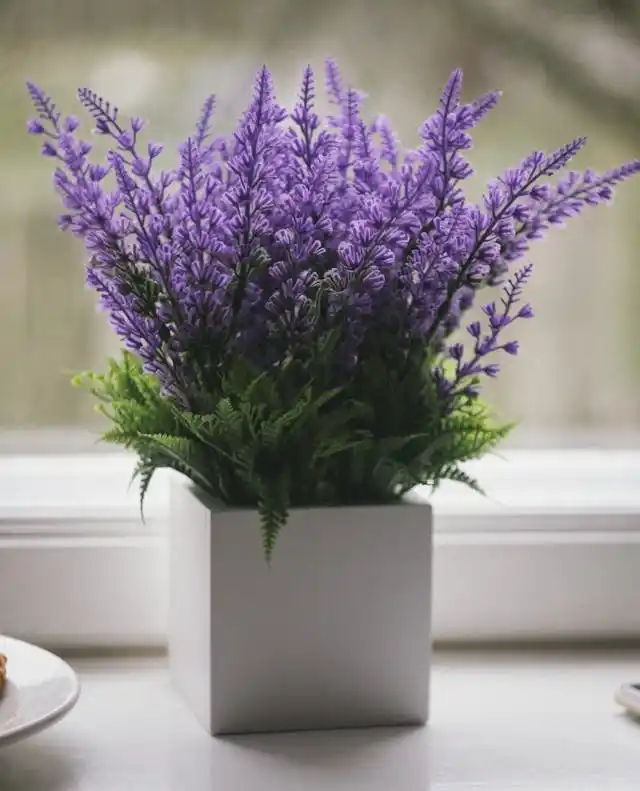
A woody, drought-tolerant shrub with silvery stems and purple flower spikes.
Why rodents hate it: The compound linalool, present in high concentrations in lavender, overwhelms rodents’ highly sensitive olfactory system. What smells calming to us is effectively sensory overload for them.
Where to place it: Garden borders, windowsills, and near outdoor seating areas. Dried bundles work well indoors near pantry shelving.
Buy Plant Here: https://amzn.to/3QW3w1B
Buy Seeds Here: https://amzn.to/4ndhzMp
3. Rosemary
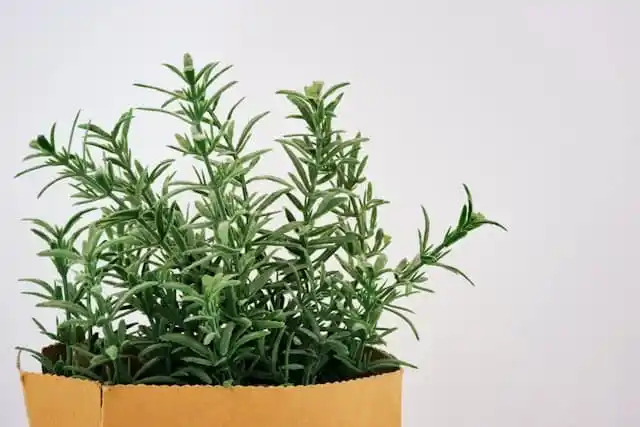
An evergreen herb with needle-like leaves and a piney, resinous fragrance.
Why rodents hate it: Rosemary is rich in camphor and borneol — volatile organic compounds that rodents find deeply off-putting. Unlike milder herbs, these compounds linger in the air even in cooler temperatures.
Where to place it: Near garden entry points, along pathways, and in pots by doorways. Works well as a low hedge along the perimeter of a vegetable garden.
Buy Plant Here: https://amzn.to/4tpgGlc
Buy Seeds Here: https://amzn.to/48P0Fxv
4. Garlic
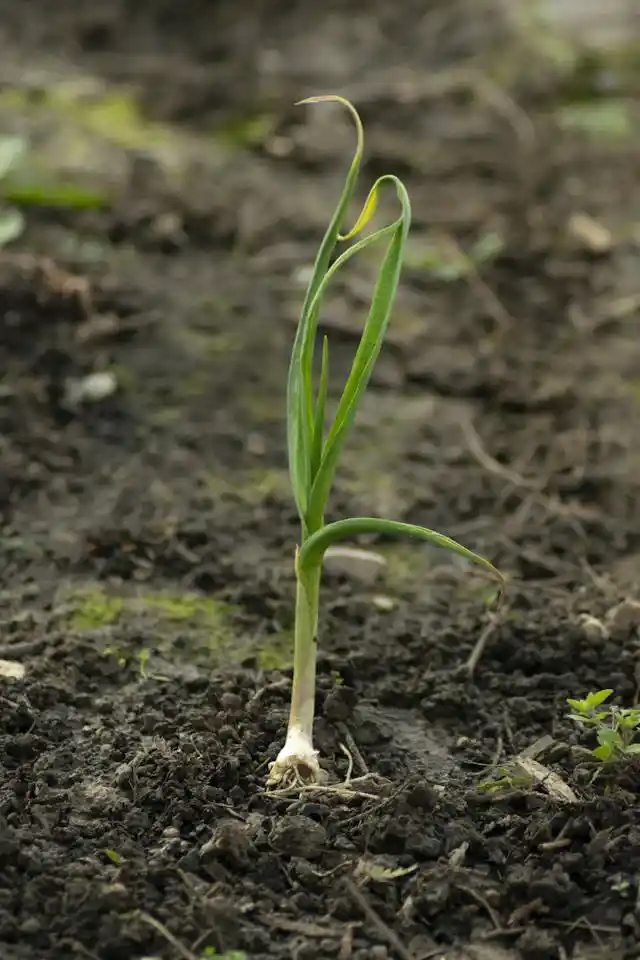
A bulbing plant with flat, strap-like leaves and a pungent smell that needs no introduction.
Why rodents hate it: Garlic produces allicin and sulfur compounds that are not just repellent by smell — they’re toxic to rodents if ingested. The odor alone is enough to make mice and rats avoid treated areas.
Where to place it: Interplanted throughout a vegetable garden to protect surrounding crops. Cloves can also be placed near entry points and along walls indoors.
You don’t need seeds to grow garlic, just pick one from your pantry, and follow our garlic growing guide.
5. Marigolds
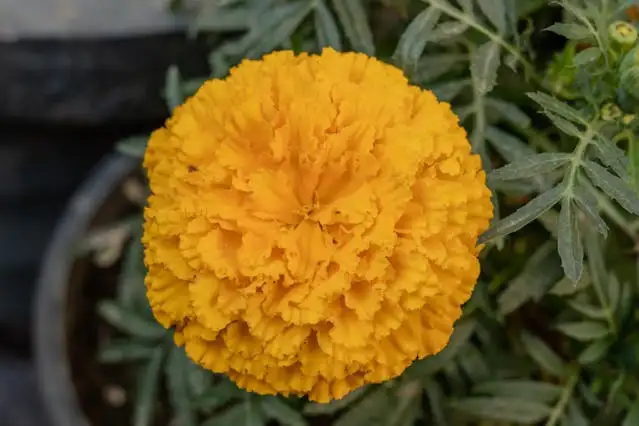
Bright, cheerful annuals with dense, globe-shaped flower heads in orange, yellow, and red.
Why rodents hate it: Marigolds contain pyrethrin — the same naturally occurring compound used as the active ingredient in many commercial pesticides. Rodents avoid the smell, and the compound is also highly effective against insects.
Where to place it: Along garden borders and around the base of raised beds. Plant near compost bins and vegetable patches where rodent activity tends to concentrate.
Buy Plant Here: Durango Orange, Durango Bolero, Durango Red, Durango Yellow
Buy Seeds Here: https://amzn.to/4d7C0FM
6. Catnip
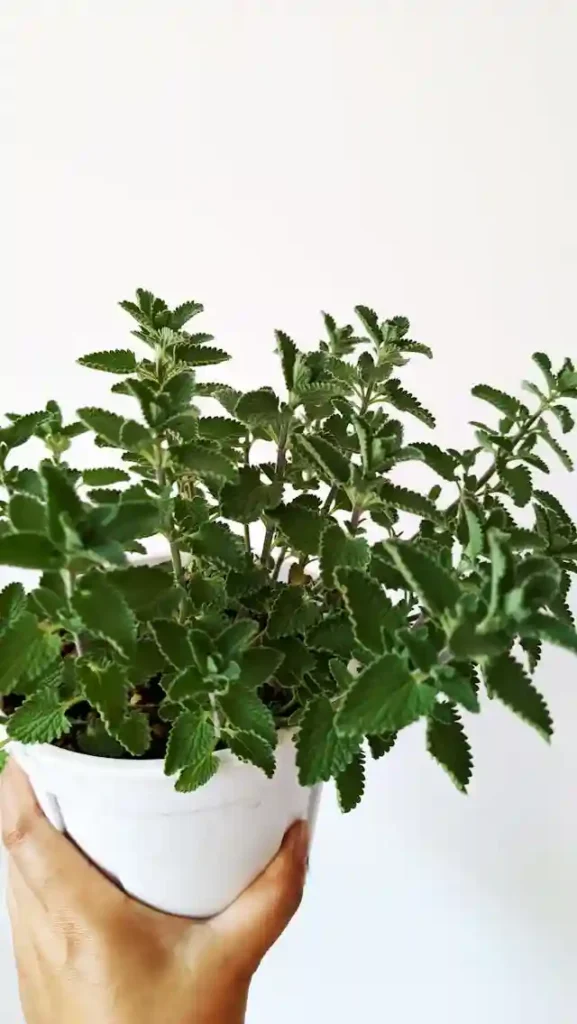
A soft, grey-green herb in the mint family with small lavender flowers and a distinctly musky scent.
Why rodents hate it: Catnip produces nepetalactone, a compound that repels rodents while simultaneously attracting cats — nature’s most effective rodent deterrents. Planting catnip is essentially a two-layer strategy.
Where to place it: Near outbuildings, along fence lines, and around the garden perimeter. Keep away from areas where you don’t want neighborhood cats gathering.
Buy Plant Here: https://amzn.to/3QUCtnk
Buy Seeds Here: https://amzn.to/4cW8Nib
7. Daffodils

Classic spring-blooming bulbs with trumpet-shaped yellow or white flowers.
Why rodents hate it: Every part of the daffodil contains lycorine, an alkaloid that is toxic to rodents. They seem to detect this instinctively and avoid the plant entirely — which is why daffodil bulbs, unlike tulips, are almost never disturbed by burrowing rodents.
Where to place it: Around the perimeter of garden beds, near bulb plantings you want to protect, and along borders closest to the home’s foundation.
Buy Plant Here: https://amzn.to/4cSldYs
8. Sage
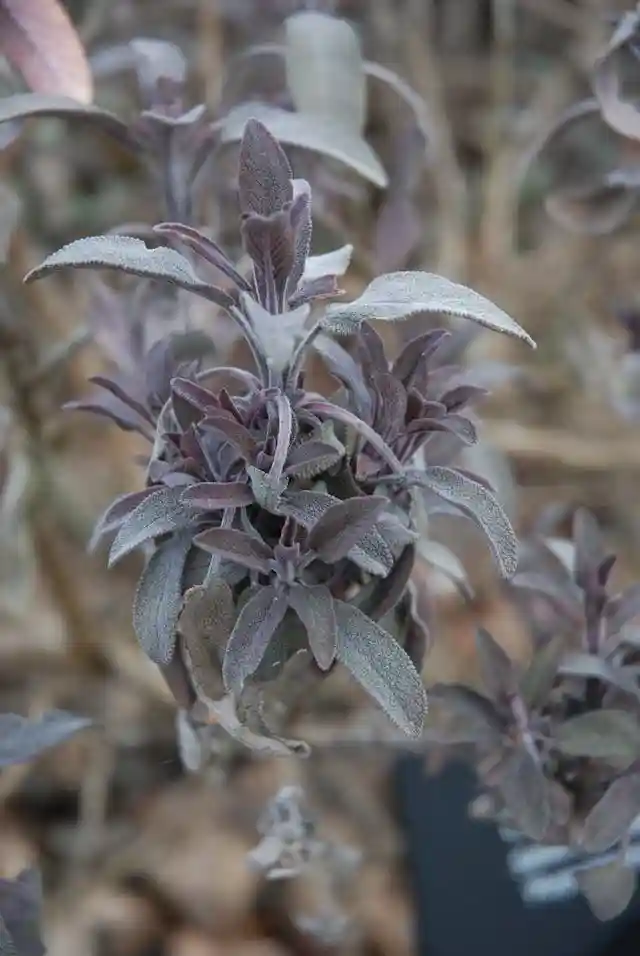
A soft, velvety-leaved herb with a strong, earthy aroma and purple-blue flowers.
Why rodents hate it: Sage contains thujone and camphor — potent aromatic oils that interfere with rodents’ scent-based navigation. Rodents use smell to map territory and locate food; sage disrupts both.
Where to place it: In kitchen garden beds, near pantry windows, and in pots on windowsills. Effective both fresh and dried — dried sage bundles near entry points can extend protection indoors.
Buy Plant Here: https://amzn.to/4cU5urU
Buy Seeds Here: https://amzn.to/4d5KcpX
9. Wormwood / Artemisia
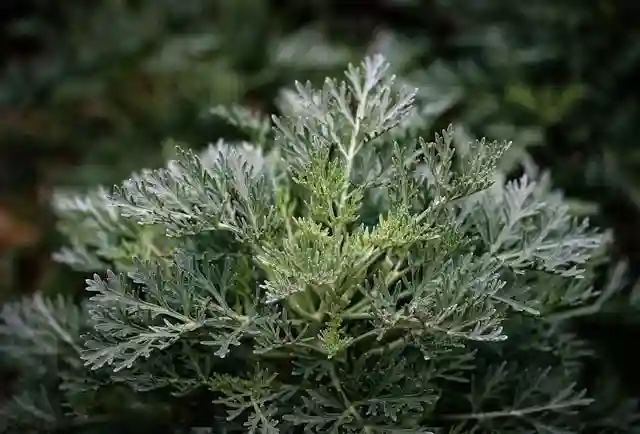
A striking silver-leafed perennial with feathery foliage and a sharp, medicinal smell.
Why rodents hate it: Wormwood contains absinthin — one of the most intensely bitter compounds found in nature. Rodents avoid it on instinct. Even brushing against the plant releases enough of its volatile oils to create a deterrent effect in the surrounding area.
Where to place it: Along garden edges, near compost areas, and as a border plant around vegetable beds. Particularly useful as a natural rodent repellent garden barrier.
Buy Plant Here: https://amzn.to/3ONFx47
Buy Seeds Here: https://amzn.to/4tmBytl
10. Spearmint
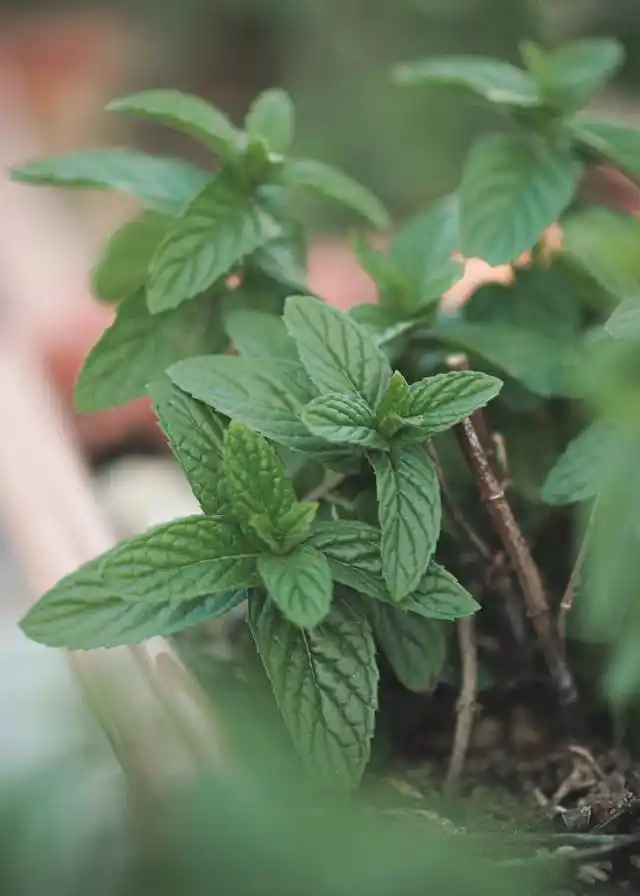
A slightly softer, sweeter cousin of peppermint with bright green crinkled leaves.
Why rodents hate it: Spearmint carries many of the same aromatic compounds as peppermint, just at lower concentrations — making it gentler and more suitable for indoor use. It’s one of the best indoor plants that repel mice, especially in kitchens and pantries where peppermint’s intensity might feel overpowering.
Where to place it: In pots near kitchen counters, pantry shelves, and cabinet bases. Works well on windowsills near entry points mice commonly use.
Buy Plant Here: https://amzn.to/42F2xpj
Buy Seeds Here: https://amzn.to/4uvY43T
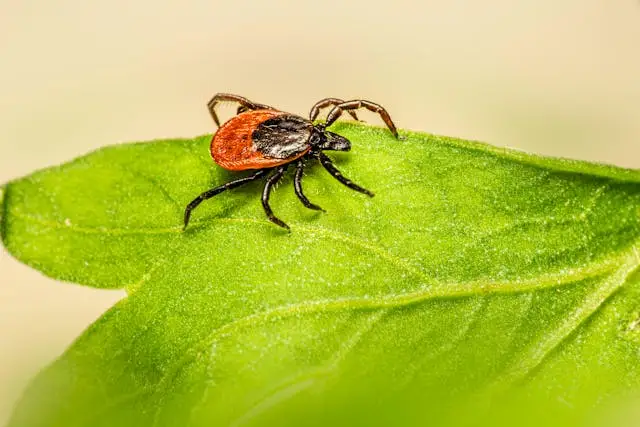
Rodents don’t just damage gardens and storage areas, they can also carry ticks into spaces around your home. In some regions, tick bites are linked to a condition called Alpha-gal syndrome, which can cause reactions to red meat and other animal products. Along with reducing rodent activity, adding plants that discourage ticks may help lower overall exposure around yards and walking areas. Read our guide to 12 Plants That Repel Ticks & Reduce Alpha-Gal Syndrome.
How to Grow and Place These Plants for Maximum Rodent-Repelling Effect
Planting any one of these and hoping for the best is a bit like setting one mousetrap in a ten-room house. Placement matters. So does plant health. Here’s how to get the most out of what you grow.
General Care Tips
The good news: most of these plants are genuinely low-effort. You don’t need a green thumb to make this work.
- Water and sun basics — most of the herbs on this list (mint, rosemary, sage, lavender) prefer well-drained soil and moderate sunlight. Overwatering is the most common mistake; when in doubt, underwater.
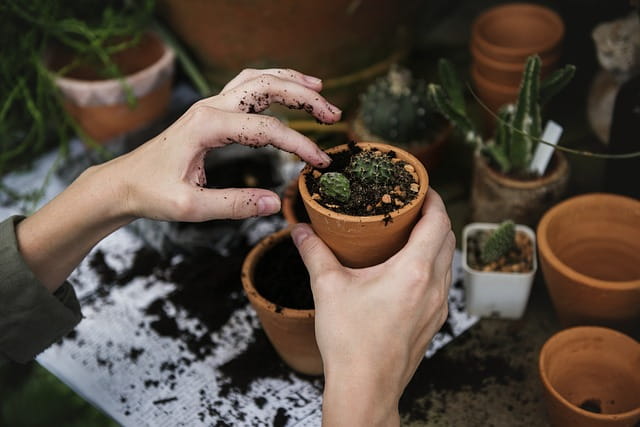
- Containers vs. ground planting — containers give you flexibility that in-ground planting doesn’t. You can move pots directly to problem areas — near a gap in the foundation, beside a garage door, onto a windowsill — and reposition them as needed. For rodent deterrence specifically, containers often make more sense than fixed beds.
- Prune and bruise regularly — this one is important and almost never mentioned. The repellent effect comes from volatile oils released by the plant. That scent is strongest from freshly cut or lightly bruised leaves. A plant that’s been sitting untouched for weeks is doing significantly less work than one that’s been recently trimmed. Brush your mint and sage when you walk past. Snip rosemary lightly every week or two.
- Winter gap — and how to fill it — outdoor plants go dormant in colder months, which is exactly when rodents push indoors seeking warmth. Fill that seasonal gap with:
- Dried herb bundles (lavender, sage, rosemary) placed near entry points
- Peppermint or spearmint essential oil on cotton balls, refreshed every 1–2 weeks
- Overwintered container plants moved indoors near kitchen and pantry areas
New to indoor gardening? Check out our indoor gardening basics for step-by-step, easy to follow guides.
Where to Place Them for Best Results
Think about where rodents enter and where they linger — then put your plants there.
- Foundation perimeter — a row of marigolds, daffodils, or wormwood along the base of your home’s exterior creates a first line of deterrence before rodents even reach entry points
- Garage doors and basement windows — potted rosemary or lavender on either side of garage doors, and wormwood near basement-level vents and crawl space openings
- Kitchen and pantry — a pot of spearmint or peppermint on the counter or windowsill near food storage areas; these are the indoor plants that repel mice most practically
- Compost bins and garden sheds — high-activity zones that attract rodents consistently; plant garlic and catnip nearby, and consider wormwood as a border around the bin itself
- Doors and windowsills — any ground-level entry point benefits from a potted mint, marigold, or lavender placed directly beside it
Combine Plants for a “Scent Barrier” Effect
This is the part most guides skip entirely — and it’s arguably the most effective strategy on this list.
Rodents are adaptable. If they’re exposed to a single scent repeatedly, there’s evidence they can habituate to it over time and begin to ignore it. The solution is to vary the scent profile across your barrier.
- Rotate what you plant seasonally — swap peppermint for wormwood in autumn, or move your lavender pots to different positions every few weeks
- Layer different scent families — mint and garlic together cover both sharp menthol and sulfur profiles; add marigold for the pyrethrin layer and you’re hitting three completely different olfactory triggers at once
- Alternate along the perimeter — rather than planting one species in a row, alternate: marigold, mint, rosemary, marigold, mint, rosemary. This creates an unpredictable scent landscape that’s harder for rodents to map and navigate around
- Think of it as a system, not a single plant — no one species is a silver bullet. A layered, rotating combination of natural rodent repellent plants is what actually reduces rodent activity near your home consistently over time
Plants Help — But They’re Not Enough on Their Own
Honesty matters here. These plants may make your home less attractive to rodents — but attraction isn’t the only thing driving a mouse through your walls. A hungry or desperate rodent will push through a scent barrier without hesitation. If you treat plants as your only line of defense, you’ll likely be disappointed.
Here’s what actually needs to happen alongside your planting strategy:
Seal entry points first
- Mice can squeeze through a gap the size of a dime. Rats need only slightly more room. Walk your foundation, check where pipes and cables enter the home, and inspect weatherstripping around doors and windows.
- Fill small gaps with steel wool packed tightly, then seal with caulk. Use hardware mesh for larger openings. No plant compensates for a structural gap.
Eliminate what’s drawing them in
- Rodents aren’t coming for your garden — they’re coming for food, water, and warmth. Cut off the supply:
- Store dry goods and pet food in airtight containers
- Secure trash bins with tight-fitting lids
- Keep compost in a sealed bin rather than an open pile
- Clear clutter from garages, sheds, and basements — rodents nest in undisturbed piles of material
If you already have an infestation Plants will not resolve an active rodent problem. If you’re finding fresh droppings, gnaw marks, or hearing consistent movement in walls or ceilings, contact a licensed pest control professional. An established rodent population requires intervention beyond deterrence — and the longer it’s left, the more complicated and expensive it becomes.
If you’ve been exposed to rodent droppings or urine This is where hantavirus prevention at home becomes a medical issue, not a gardening one. Do not sweep or vacuum droppings dry — this aerosolizes particles and is exactly how inhalation exposure occurs.
- Ventilate the space for at least 30 minutes before entering
- Wear rubber gloves and an N95 respirator
- Dampen droppings with a bleach solution (1 part bleach to 10 parts water) before wiping
- Bag and dispose of all materials, then wash hands thoroughly
These are the CDC’s recommended safe cleanup guidelines. Follow them exactly.
If you experience fever, muscle aches, fatigue, or any difficulty breathing after potential exposure to rodent droppings or nesting material, seek medical attention immediately and tell your doctor about the exposure. Early supportive care is the only meaningful treatment available for hantavirus — which makes early reporting critical.
Plants are a sensible, low-effort part of a broader strategy to reduce rodent activity near your home. But they work best when the fundamentals are already in place: sealed entry points, removed food sources, and a home that’s simply less inviting than the alternative.
Can Any Herbs Actually Kill Hantavirus?
This is one of the most searched questions on this topic and it deserves a straight answer rather than a vague one.
No herb kills hantavirus. There is currently no plant, essential oil, herbal remedy, or natural compound with clinically proven antiviral activity against hantavirus in humans. The CDC and WHO are explicit on this: there is no cure, no approved antiviral treatment, and no vaccine. Anyone claiming otherwise, whether on a blog, a supplement label, or a social media post, is not reflecting what the current medical evidence actually shows.
What some herbs do is something entirely different and worth understanding clearly:
- Some plants may reduce rodent activity near your home — which indirectly reduces your chances of coming into contact with infected droppings, urine, or nesting material in the first place
- Some plant compounds have shown antimicrobial properties in laboratory settings — but lab results do not translate to real-world antiviral treatment, and none have been tested or approved for use against hantavirus in humans
- Aromatic herbs used in cleaning solutions (such as tea tree oil or eucalyptus-based products) may support general household hygiene, but they do not disinfect hantavirus-contaminated surfaces; a bleach-based solution at CDC-recommended concentrations is what’s required for that
People searching “herbs that kill hantavirus” are usually scared and given the recent cruise ship outbreak, that fear is completely understandable. But reaching for herbal remedies when hantavirus exposure is a real possibility isn’t just ineffective, it can cost you the window of time where early medical care actually makes a difference.
If you believe you’ve been exposed to rodent droppings or nesting material, or if you’re experiencing fever, fatigue, muscle aches, or any difficulty breathing, seek medical attention immediately. Tell your doctor about the potential exposure. Early supportive care remains the single most important factor in hantavirus survival and no herb replaces it.
Your First Step Toward a Rodent-Resistant Home
None of this needs to be complicated. These 10 plants are affordable, low-maintenance, and genuinely useful beyond their role as rodent deterrents — most of them will earn their space in your kitchen or garden regardless.
The logic is straightforward: fewer rodents near your home means lower indirect exposure risk to the diseases they carry. Plants won’t do the whole job, but as a natural first line of defense, they’re a reasonable place to start.
Pick one or two that suit your climate and available space. Each plant on this list links directly to Amazon so you can get started without the guesswork — even a single pot of peppermint on your kitchen windowsill is a step in the right direction.
A Note on Our Sources The health and safety information in this article is based on guidance from the Centers for Disease Control and Prevention (CDC) and the World Health Organization (WHO). Claims about rodent behavior and plant compounds are drawn from publicly available horticultural and pest research. This article is intended for informational purposes only and does not constitute medical advice — if you suspect hantavirus exposure or experience related symptoms, consult a qualified medical professional immediately.
Frequently Asked Questions
Which animals carry the hantavirus?
Hantavirus is carried primarily by wild rodents — most commonly deer mice, white-footed mice, cotton rats, and rice rats in North America. In South America, the Andes virus is associated with the long-tailed pygmy rice rat. Each hantavirus strain tends to be linked to a specific rodent species. Household pets like cats and dogs do not carry or transmit hantavirus to humans.
Do all mouse droppings carry hantavirus?
Not all mouse droppings carry hantavirus — only droppings from infected rodents contain the virus. However, there is no way to tell whether a dropping is infectious by looking at it. The CDC recommends treating all wild rodent droppings as potentially hazardous and following safe cleanup procedures regardless of suspected infection status.
What if I accidentally vacuumed mouse droppings?
Vacuuming dry mouse droppings is one of the highest-risk actions for hantavirus exposure because it aerosolizes the particles directly into the air you’re breathing. If this has already happened, leave the area immediately and ventilate it thoroughly for at least 30 minutes. Going forward, the CDC recommends dampening droppings with a bleach-based disinfectant solution before wiping — never sweeping or vacuuming dry. If respiratory symptoms develop in the days following exposure, seek medical attention and inform the doctor of what occurred.
What is a rat’s biggest enemy?
Rats are preyed upon by owls, hawks, foxes, weasels, and domestic cats. Of these, barn owls are considered among the most effective natural predators — a single barn owl family can consume hundreds of rodents in a nesting season. Encouraging natural predators through habitat features like owl boxes is a legitimate and chemical-free approach to long-term rodent population control around properties.
Is it safe to sleep in a room with mouse droppings?
Sleeping in a room with mouse droppings carries a genuine health risk, particularly if droppings are dry, disturbed, or near ventilation. Dried droppings can release infectious particles into the air with minimal disturbance — including airflow from a heating or cooling system. The room should be vacated, ventilated, and cleaned following CDC safe cleanup guidelines before it is used again. Anyone who has already spent significant time in a heavily contaminated room and develops fever, fatigue, or breathing difficulty should seek medical attention promptly.
What smells do mice hate?
Mice have an acute sense of smell and actively avoid several strong scents. Peppermint oil and spearmint are among the most well-documented — both contain compounds used in commercial rodent repellents. Mice also avoid the smell of garlic, ammonia, naphthalene, cayenne pepper, and predator urine. Among natural options, plants like lavender, rosemary, wormwood, and sage produce aromatic compounds that mice find disorienting and tend to steer clear of.
Which plants keep rodents away?
Several plants produce natural compounds that rodents find repellent. Peppermint and spearmint contain menthone and pulegone, which overwhelm rodents’ olfactory systems. Lavender releases linalool; rosemary and sage contain camphor and borneol; wormwood produces absinthin, one of the bitterest compounds in nature. Marigolds carry pyrethrin — the same active ingredient in commercial pesticides — and daffodils contain lycorine, a toxic alkaloid rodents instinctively avoid. Garlic, with its allicin and sulfur compounds, rounds out the most effective options for a natural rodent repellent garden.
What smells do rats absolutely hate?
Rats are particularly sensitive to peppermint oil, garlic, white vinegar, ammonia, and cayenne pepper. Among plants, wormwood and artemisia are especially effective — their absinthin content produces an instinctive avoidance response in rats. Catnip is another strong deterrent, and has the added effect of attracting cats to the area. For sustained results, rotating between different scent profiles prevents rats from habituating to any single smell over time.