

If you’ve ever wanted to know how to grow lettuce indoors, you’re in the right place, and honestly, it’s one of the most rewarding things you can do in a small kitchen or apartment. No garden, no problem. With just a container, some seeds, and a decent light source, you can have fresh, crispy lettuce ready to harvest in as little as 30 days, any time of year.
I started growing lettuce indoors a few winters ago out of pure stubbornness, I refused to pay $4 for a sad bag of greens at the grocery store. What began as an experiment quickly turned into a year-round habit that I genuinely look forward to. There’s something deeply satisfying about snipping leaves from a plant you grew yourself and tossing them straight into a salad.
Whether you’re a total beginner or you’ve tried (and failed) before, this guide walks you through everything, from choosing the right seeds to knowing exactly when to harvest.

In This Article
How to Grow Lettuce Indoors (Beginner Basics)
A lot of people wonder how hard it is to grow lettuce indoors before they even get started, and the honest answer is: it’s one of the easiest vegetables you can grow. Lettuce doesn’t demand much. It grows fast, it doesn’t need a ton of space, and it handles indoor conditions better than most crops. This is genuinely beginner-friendly.
So, how easy is it to grow lettuce indoors? Think of it this way, if you can remember to water a plant every couple of days, you can grow lettuce. That’s really the baseline.
Now, what is the trick to growing lettuce? Most experienced growers will tell you the same thing: it’s all about keeping it cool and keeping it consistently moist. Lettuce is a cool-season crop, which means it actually prefers temperatures between 60–70°F (15–21°C). Too much heat and it bolts, meaning it shoots up, turns bitter, and goes to seed fast. Keep the temperature steady and the soil evenly damp (not soggy), and you’ve already solved the two biggest problems most beginners face.
What do you need to grow lettuce indoors, practically speaking? You need four basic things:
- A container with drainage holes (6–8 inches deep is plenty)
- Quality potting mix — not garden soil, which compacts too easily indoors
- Light — a sunny south-facing window or a grow light works well
- Lettuce seeds — loose-leaf varieties like Black Seeded Simpson or Buttercrunch are ideal for indoor growing
How to Grow Lettuce From Seeds Indoors
Growing lettuce from seed indoors is easier than most people expect, and there’s something genuinely satisfying about watching a tiny seed turn into something you can eat. The good news is that lettuce seeds germinate quickly (usually within 7–10 days), so you don’t have to wait long before you see results.
What month should you start lettuce seeds indoors? The short answer: any month you want. That’s the whole beauty of growing indoors, you’re not tied to seasons. That said, if you’re planning to eventually move your plants outside, start seeds 4–6 weeks before your last frost date in spring, or 6–8 weeks before the first frost in fall.
But if you’re growing purely indoors year-round? Start whenever you’re ready.
Step-by-Step: How to Plant Lettuce Seeds Indoors
Learn how to grow lettuce from seeds indoors in 9 simple steps. This guide covers everything from choosing the right container and planting depth to germination, thinning, and harvesting, so you can grow fresh lettuce at home year-round, no garden required.
Step 1: Choose Your Container
Pick a container that’s at least 6 inches deep with drainage holes at the bottom. Lettuce has shallow roots, so you don’t need anything deep, but you do need width if you’re planting multiple plants. A standard window box, a plastic tote, or even a repurposed salad container all work well.
Step 2: Fill With the Right Potting Mix
Use a lightweight, well-draining potting mix, not garden soil, which compacts indoors and suffocates roots. A seed-starting mix works great for germination. Fill your container to about an inch below the rim.
Step 3: Sow Your Seeds (and Don’t Plant Them Too Deep)
This is where a lot of beginners go wrong. When planting lettuce seeds indoors, you want to keep them very close to the surface. Plant lettuce seeds no deeper than ⅛ to ¼ inch. Any deeper and they struggle to push through the soil.
Sprinkle seeds thinly across the surface, about 1 inch apart, then press them gently into the soil with your fingertip and cover with just a thin dusting of potting mix. Lettuce seeds actually need a little light to germinate, so resist the urge to bury them.
Step 4: Water Gently
Use a spray bottle or a watering can with a gentle rose head to mist the surface. You want the soil evenly moist, not drenched. Overwatering at this stage is one of the most common mistakes, soggy soil leads to rot before seeds even get a chance to sprout.
Step 5: Cover and Wait for Germination
Cover your container loosely with plastic wrap or a humidity dome to lock in moisture and warmth. Place it somewhere with a temperature around 65–70°F (18–21°C). You don’t need light yet at this stage, just warmth and moisture.
Check daily and remove the cover as soon as you see sprouts, usually within 7–10 days.
Step 6: Move to Light Immediately
Once your seedlings emerge, light becomes everything. Move the container to your brightest window (south-facing is ideal) or place it under a grow light for 12–16 hours a day. Insufficient light is the number one reason indoor lettuce grows leggy, weak, and unproductive. If your seedlings are stretching toward the light and flopping over, they need more.
Step 7: Thin Your Seedlings
Once seedlings are about an inch tall, thin them out so each plant has 4–6 inches of space. I know it feels wasteful, but crowded lettuce competes for nutrients and airflow, which invites disease. Just snip the extras at soil level with scissors, don’t pull them out, which can disturb the roots of neighboring plants.
Step 8: Keep the Soil Consistently Moist
From here, your job is simple: keep the soil evenly moist. Stick your finger about an inch into the soil , if it feels dry, water it. Lettuce grown indoors from seed doesn’t like to dry out completely, but it also doesn’t want to sit in water. Consistent, moderate moisture is the sweet spot.
Step 9: Harvest Using the Cut-and-Come-Again Method
Most loose-leaf varieties are ready to harvest in 30–45 days from seed. Rather than pulling the whole plant, snip outer leaves at the base leaving the center growth intact. The plant keeps producing, and you get multiple harvests from a single planting.
How to Harvest Lettuce Indoors (And Will It Regrow After Cutting?)
One of the best things about growing lettuce indoors is that harvesting it correctly means you don’t just get one salad, you get weeks of continuous picking from the same plant. Here’s how to do it right.
When to Harvest
Lettuce is ready to harvest when outer leaves are at least 3–4 inches long. You don’t need to wait for a full, mature head. With loose-leaf varieties, earlier is often better, young leaves are more tender, less bitter, and honestly better tasting than fully mature ones.
Most lettuce grown indoors from seed is ready in 30–45 days, though this varies by variety and light conditions. Romaine and butterhead types take a little longer, closer to 55–70 days for a full head.
How to Harvest Using the Cut-and-Come-Again Method
This is the technique that turns one planting into a months-long harvest, and it’s simpler than it sounds.
Here’s how it works:
- Use clean, sharp scissors or garden snips
- Start with the outer leaves first, working your way around the plant
- Cut leaves at the base, about an inch above the soil, never pull
- Leave the center crown completely intact, this is where new growth comes from
- Never harvest more than one-third of the plant at a time
- Water after harvesting to encourage new growth
That’s it. The plant redirects its energy into producing fresh leaves and keeps going.
Will Lettuce Regrow After Cutting?
Yes — and this is what makes loose-leaf lettuce so well suited to indoor growing. As long as you leave the central growing point (the crown) untouched, the plant will continue pushing out new leaves after each harvest. It’s not a one-and-done crop.
How many times can you cut and come again lettuce? With proper care, most loose-leaf varieties will give you 4–6 harvests before the plant starts to decline or bolt. Some growers squeeze out even more by keeping temperatures cool and light consistent.
How long does cut-and-come-again lettuce take to regrow between harvests? Typically 7–14 days in good conditions, a bright light source and steady moisture speed things up noticeably.
Green Onion & Coriander also regrow after cutting, if you want to learn how to grow them, check out these guides.
Which Lettuce is Best for Cut-and-Come-Again?
Not all lettuce behaves the same way after cutting, so variety matters.
| Variety | Cut-and-Come-Again? | Notes |
|---|---|---|
| Loose-leaf (Black Seeded Simpson, Oak Leaf, Red Sails) | Best choice | Regrows reliably, multiple harvests |
| Butterhead (Buttercrunch, Boston) | Good | Harvest outer leaves, leave center |
| Romaine | Limited | Better harvested as a full head |
| Iceberg | Not ideal | Head-forming type, doesn’t regrow well |
How many times can you regrow romaine lettuce indoors? Romaine is a head-forming variety, so it doesn’t cut and come again as freely as loose-leaf types. You can harvest a few outer leaves as it grows, but once you cut the head, regrowth is minimal. For continuous indoor harvests, loose-leaf varieties are a much better bet.
How Long Does Lettuce Take to Grow — Start to Finish?
Here’s a quick timeline so you know what to expect:
- Days 1–10 — Germination (seeds sprout)
- Days 10–20 — Seedling stage (thin and establish)
- Days 20–30 — Young leaves form, first light harvest possible
- Days 30–45 — Full loose-leaf harvest begins
- Days 45–70 — Romaine/butterhead reaches maturity
- Weeks 6–12+ — Ongoing cut-and-come-again harvests (loose-leaf)
The whole process from seed to first harvest moves faster than most people expect, and once you’re into the cut-and-come-again rhythm, a single planting can keep your kitchen stocked for months.
How to Always Have Lettuce Ready
The honest trick to never waiting on lettuce is succession planting, starting a new small batch of seeds every 2–3 weeks. By the time your first planting is winding down, your second is hitting its stride, and your third is just germinating. It becomes a quiet little production line that keeps your kitchen stocked without any single harvest feeling precious or stressful.
How to Grow Lettuce Indoors Year-Round (Setup, Light, Temperature & Care)
Can you grow lettuce all year round indoors? Absolutely — and it’s one of the few vegetables where indoor growing actually has advantages over outdoor growing. No frost, no scorching summer heat, no pests decimating your crop overnight. Once your setup is dialed in, you can have fresh lettuce on the counter every single month of the year.
Light: The Most Important Factor
If there’s one thing that determines whether your indoor lettuce thrives or limps along, it’s light. Lettuce needs 12–16 hours of light per day to grow consistently well indoors.
Growing lettuce in a window is possible, but it comes with limitations. A south-facing window in summer might give you just enough. In winter though, most windows, even bright ones, simply don’t deliver the intensity lettuce needs to grow productively. Days are shorter, the sun sits lower, and light quality drops significantly.
This is where a grow light changes everything. A full-spectrum LED grow light positioned 6–12 inches above your plants gives lettuce exactly what it needs regardless of season, weather, or which direction your windows face. Set it on a timer for 14 hours on, 10 hours off, and forget about it.
Will lettuce grow indoors in winter? Yes — but only reliably with a grow light. Window-only setups in winter tend to produce slow, leggy, disappointing results. If you’re serious about year-round growing, a basic LED grow light is the single best investment you can make. They’re inexpensive, energy efficient, and make a night-and-day difference.
Temperature: Keep It Cool
Lettuce is a cool-season crop and genuinely prefers it that way. The ideal indoor temperature range is 60–70°F (15–21°C). Most homes fall right in that range naturally, which is one reason lettuce is so well-suited to indoor growing.
What to avoid:
- Temperatures above 75°F — causes bolting (the plant goes bitter and sends up a flower stalk)
- Heat from vents or radiators — keep containers away from direct heat sources
- Cold windowsill drafts in winter — roots sitting against freezing glass will struggle
If your home runs warm, place your lettuce in the coolest room, a north-facing room, a basement with grow lights, or near (but not against) a window in winter all work well.
Container Setup: What Works and What Doesn’t
What is the best container to grow lettuce indoors? Honestly, lettuce isn’t fussy about the container itself, what matters is depth, drainage, and width.
- Minimum depth: 6 inches (lettuce roots are shallow)
- Drainage holes: non-negotiable — sitting water causes root rot
- Width: the more surface area, the more plants you can grow
Window boxes, plastic storage totes, nursery trays, and fabric grow bags all work well. For a simple kitchen setup, a 12-inch wide window box is hard to beat.
Can You Grow Lettuce Without Soil?
Yes — and it works remarkably well. Lettuce is one of the most popular crops for hydroponic growing, and for good reason. In a hydroponic setup, plants grow in water enriched with nutrients rather than soil, and lettuce responds to this extremely well — often growing faster and producing more than soil-grown plants.
You don’t need an elaborate system to get started. A basic kratky method setup (a container, net pots, and hydroponic nutrients) costs very little and requires almost no maintenance. If you’re growing lettuce indoors in soil and enjoying it, hydroponics is a natural next step worth exploring.
Care Tips: How to Keep Lettuce Growing Indoors
Once your setup is running, keeping lettuce healthy and productive indoors comes down to a handful of consistent habits.
Watering Growing lettuce in soil indoors means you need to stay on top of moisture without overdoing it. Check the soil every 1–2 days by pressing your finger about an inch deep. Water when it feels dry at that depth, and always water until it drains from the bottom. Never let the pot sit in a saucer of standing water.
How to keep a living lettuce alive indoors (the kind you buy from a grocery store with roots attached) follows the same principle, pot it up in fresh potting mix, give it light, keep it moist, and it’ll often keep producing for several more weeks.
Fertilizing Lettuce grown indoors in containers depletes soil nutrients faster than outdoor plants. Feed with a balanced liquid fertilizer diluted to half strength every 2–3 weeks. Nitrogen is especially important for leafy green growth, look for a fertilizer with a higher first number (e.g., 5-2-3 or similar).
Do coffee grounds help lettuce? This one comes up a lot, and the answer is: in moderation, yes. Coffee grounds add nitrogen to the soil and can slightly improve drainage and microbial activity. That said, they’re acidic, and too much can lower your soil pH to a level lettuce doesn’t love. A light sprinkling mixed into the top layer of soil every few weeks is plenty, don’t use them as a primary fertilizer or pile them on thickly.
Pest Watch Indoor lettuce is mostly protected from outdoor pests, but fungus gnats and aphids can still show up. Fungus gnats are usually a sign of overwatering, let the top layer of soil dry out between waterings and they typically clear up. For aphids, a diluted neem oil spray works well and is safe for edible plants.
Succession Planting The most underrated care tip for year-round indoor lettuce: start new seeds every 2–3 weeks. This staggers your harvests so you always have plants at different growth stages, some ready to pick, some coming up behind them. It’s a simple rhythm once you get into it, and it means you’re never waiting on lettuce again.
Types of Lettuce You Can Grow Indoors
Not every lettuce variety is equally well-suited to indoor growing. The best ones tend to be loose-leaf or compact types that don’t need a lot of vertical space, mature quickly, and handle the lower light conditions of an indoor environment reasonably well. Here are the five best varieties to start with.
1. Black Seeded Simpson
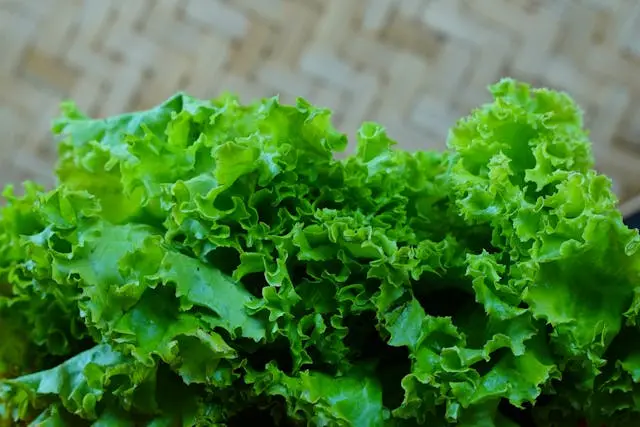
The go-to choice for indoor growing, and for good reason. Black Seeded Simpson is a loose-leaf variety that produces large, crinkled, light-green leaves with a mild, tender flavor. It’s one of the fastest-maturing lettuces you can grow, expect your first harvest in 28–35 days, and it handles heat slightly better than most varieties before bolting. If you only grow one type of lettuce indoors, make it this one.
2. Oakleaf Lettuce
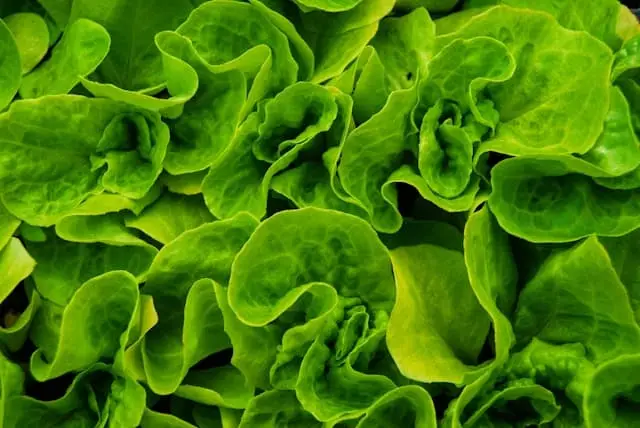
Named for its distinctive deeply lobed leaves that resemble oak tree foliage, oakleaf lettuce comes in both green and red varieties and is one of the most reliable cut-and-come-again performers you’ll find. It’s compact, slow to bolt, and ready to harvest in around 30–40 days. The leaves are tender with a slightly nutty flavor that holds up well in salads.
3. Buttercrunch (Butterhead)
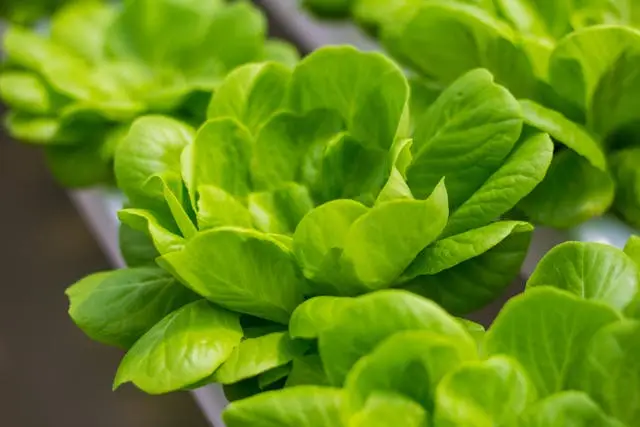
Buttercrunch is a butterhead variety that forms a loose, open head with thick, buttery-textured leaves and a mild, almost sweet flavor. It’s slightly slower than loose-leaf types, coming in at 55–65 days to full maturity, but you can start harvesting outer leaves much earlier. It’s one of the most popular indoor varieties because the flavor is noticeably better than most grocery store lettuce, richer and more satisfying.
4. Little Gem
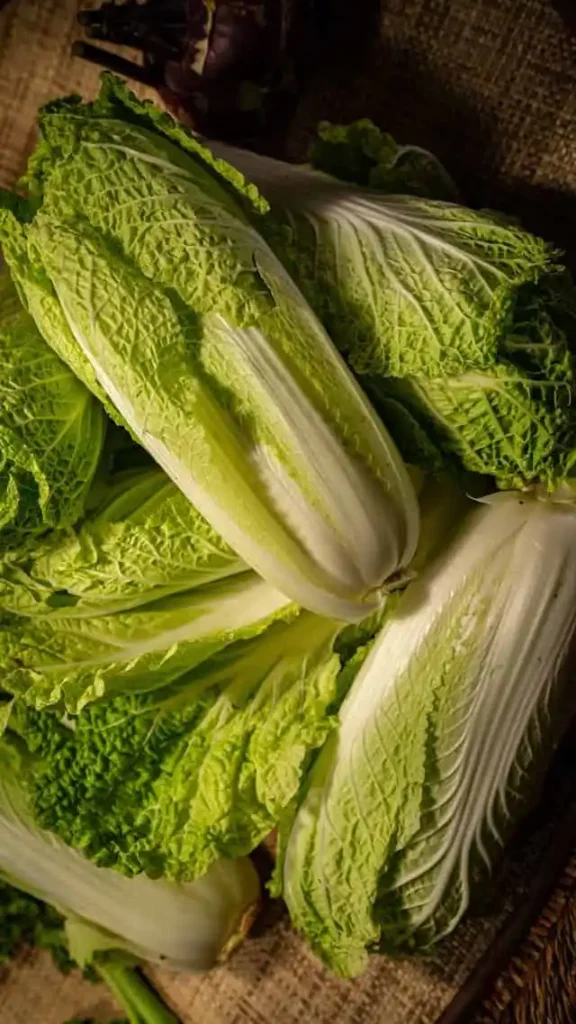
Little Gem is a compact romaine-butterhead cross that was practically made for indoor growing. It stays small, usually reaching just 6–8 inches tall, which makes it ideal for containers and limited shelf space. The leaves are crisp, slightly sweet, and more substantial than loose-leaf types. It matures in around 55–60 days and produces tight, dense little heads that look impressive for something grown on a windowsill.
5. Red Sails
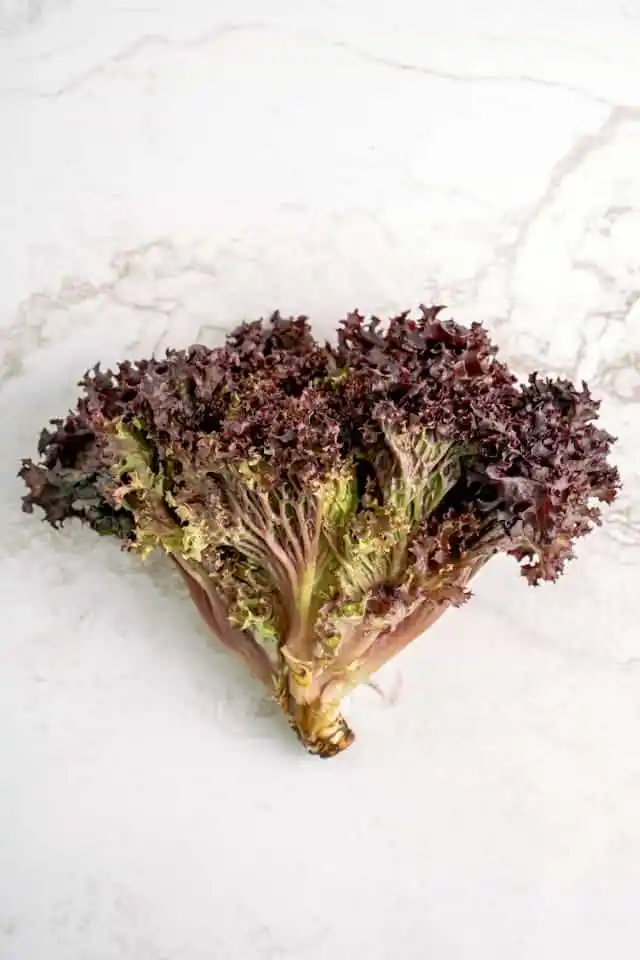
If you want to add some color to your indoor garden, Red Sails is the one to grow. It’s a loose-leaf variety with large, ruffled leaves in deep burgundy and red tones that make it as decorative as it is edible. It matures in 35–45 days, has excellent bolt resistance for a red variety, and the flavor is mild with a very slight bitterness that balances well with other greens. It also tends to hold its color even in lower light conditions, which is a bonus indoors.
A quick note on the others: Iceberg lettuce is possible indoors but not recommended — it’s a head-forming type that takes 70–80 days, needs a lot of space, and doesn’t cut and come again. Romaine is doable but slower and less productive than the varieties above for a typical indoor setup. For most people growing lettuce indoors, sticking to loose-leaf and compact varieties gives you faster harvests, more flexibility, and a lot less frustration.
Growing Lettuce Indoors From Scraps
If you’ve ever bought a head of romaine or butterhead from the grocery store and thrown away the base, you’ve been throwing away a free plant. Regrowing lettuce from scraps is one of the easiest kitchen experiments you can do, it costs nothing, takes about five minutes to set up, and works more often than you’d expect.
How to Regrow Lettuce From Scraps in Water
Step 1: Cut and save the base When you finish using your lettuce, cut the leaves off leaving about 2–3 inches of the base intact. The thicker and healthier the base, the better your results will be.
Step 2: Place it in water Set the base cut-side up in a shallow bowl with about an inch of water covering the bottom, just enough to submerge the base without drowning it. You want the cut surface sitting in water, not the whole thing submerged.
Step 3: Put it somewhere bright Place the bowl on a windowsill that gets decent light, or under a grow light. Change the water every 1–2 days to keep it fresh and prevent it from going stagnant.
Step 4: Watch for new growth Within 3–5 days you’ll start seeing small new leaves emerging from the center of the base. This is the most satisfying part, it genuinely looks like magic the first time you see it.
Step 5: Keep harvesting or transplant to soil You can snip the new leaves directly from the water setup as they grow, or once the regrowth is a couple of inches tall, transplant the base into a pot with potting mix. Soil will give you more sustained growth and better-tasting leaves long term, water regrowing eventually runs out of nutrients and the plant slowly declines.
Green Onion can also be grown from. Check out our green onion growing guide.
What to Expect (Honestly)
Lettuce scrap regrowth is real, but it’s worth setting realistic expectations. You’re not going to regrow a full head of lettuce from a grocery store stump. What you will get is a handful of fresh baby leaves, enough to top a sandwich or add to a small salad, over the course of 1–2 weeks.
Think of it less as a sustainable food source and more as a fun, zero-cost way to extend the life of lettuce you’ve already bought. If you want continuous, productive indoor harvests, growing from seed is the way to go. But for a quick, no-effort experiment, especially with kids, scrap regrowing is hard to beat.
Frequently Asked Questions
Can you grow lettuce indoors year-round?
Yes — and this is one of the biggest advantages of growing lettuce indoors. Unlike outdoor growing, you’re not dependent on seasons, frost dates, or weather. With a grow light and a consistent temperature between 60–70°F, you can grow and harvest fresh lettuce every single month of the year. Succession planting every 2–3 weeks keeps the supply continuous.
How much light does lettuce need to grow indoors?
Lettuce needs 12–16 hours of light per day indoors. A south-facing window can work in summer, but for reliable year-round results — especially in winter — a full-spectrum LED grow light positioned 6–12 inches above your plants is the more dependable option. Insufficient light is the most common reason indoor lettuce grows slowly, stretches toward the light, and produces poor yields.
What is the easiest lettuce to grow indoors?
Loose-leaf varieties are the easiest by a significant margin. Black Seeded Simpson, Oak Leaf, and Red Sails are all excellent beginner choices — they germinate quickly, mature in 30–40 days, produce multiple harvests through cut-and-come-again, and are more forgiving of imperfect light and temperature conditions than head-forming types like romaine or iceberg.
How often should you water lettuce growing indoors?
Check your lettuce every 1–2 days by pressing your finger about an inch into the soil. Water when it feels dry at that depth. There’s no universal schedule because it depends on your container size, potting mix, and how warm and dry your home is — but in most indoor setups, lettuce needs watering every 2–3 days. The goal is consistently moist soil, never soggy and never bone dry.
Why is my indoor lettuce growing slowly?
Almost always, the answer is light. Lettuce growing slowly, stretching toward a light source, or producing small pale leaves is a plant telling you it needs more light and more hours of it. The fix is either moving it closer to a brighter window or switching to a grow light. Temperature is the second most common cause — if your space is above 75°F, growth slows and bolting becomes likely.
Can you grow lettuce indoors without a grow light?
Yes, but with limitations. A bright south-facing window in spring and summer can provide just enough light for decent growth. In winter, or in homes without strong natural light, window-only growing tends to produce leggy, slow-growing plants with lower yields. If you’re serious about growing lettuce indoors consistently, a basic LED grow light makes a significant difference and doesn’t have to be expensive.
Does lettuce need deep containers to grow indoors?
No — lettuce has shallow roots and doesn’t need deep containers. A container that’s 6 inches deep is sufficient for most varieties. What matters more than depth is width (more surface area means more plants) and drainage holes at the bottom. Avoid containers without drainage — sitting water is one of the fastest ways to kill indoor lettuce.
Why is my indoor lettuce bitter?
Bitterness in lettuce is almost always caused by heat stress or the plant beginning to bolt. When temperatures climb above 75°F or the plant matures past its prime, it starts producing compounds that make the leaves taste bitter. The fix is to harvest earlier and more frequently, keep temperatures cool, and make sure your lettuce is getting enough water. Once a plant has fully bolted, the bitterness won’t reverse — start fresh with new seeds.
Can you grow lettuce indoors in just water?
Yes — hydroponic lettuce growing is extremely effective and in many ways outperforms soil growing. Lettuce is one of the most popular hydroponic crops because it responds so well to nutrient-rich water systems. A basic kratky hydroponic setup — a container, net pots, hydroton clay pebbles, and hydroponic nutrients — is inexpensive, low-maintenance, and produces fast, healthy growth without any soil at all.
How do you keep lettuce from bolting indoors?
Bolting is triggered by heat and long periods of stress, so the best prevention is keeping temperatures consistently below 75°F, harvesting regularly so the plant doesn’t over-mature, and making sure it’s getting enough water. Choosing bolt-resistant varieties like Red Sails or Buttercrunch also helps. If your lettuce does bolt — you’ll notice a tall central stalk shooting up and leaves turning bitter — it’s best to pull the plant and start a fresh batch rather than trying to save it.