
You reach for your green onions and notice they feel slippery, coated in a strange gel, or downright mushy, and your first instinct is probably to wonder whether they’ve gone bad. Slimy green onions are one of the most common produce puzzles home cooks run into, and the answer isn’t always as alarming as it looks. Whether you’ve spotted your scallions slimy after just a few days in the fridge, or you’re dealing with green onions slimy inside even when the outside looks fine, there’s usually a clear explanation, and often, a simple fix.
In this guide, you’ll learn exactly why this happens, how to tell when sliminess is harmless versus a sign of spoilage, and how to store your green onions so they stay crisp and fresh far longer.
If you are also looking to grow your own green onions at home, check out our complete guide on How to Grow Green Onions Indoors from Scraps or Seeds
Quick Answer: Green onions become slimy due to natural mucilage, excess moisture, poor storage, or bacterial spoilage. In some cases they’re still safe to eat; in others, they should be discarded. This guide explains how to tell the difference and how to keep your green onions fresh longer.
Table of Contents
What Makes Green Onions Slimy?
Sliminess in green onions isn’t a one-size-fits-all problem. There are actually several distinct causes, some completely natural and harmless, others a genuine sign that your onions have turned. Before you toss that whole bunch, it helps to understand what’s actually going on. Knowing the difference can save you a perfectly good ingredient or, equally importantly, protect you from eating something that’s genuinely gone bad.
1. Natural Mucilage (The Plant’s Own Gel)
If you’ve ever sliced into a fresh green onion and noticed a slightly slippery, gel-like substance inside the stalk, you’ve met mucilage. Green onion mucilage is a naturally occurring polysaccharide gel that the plant produces as part of its normal biology, it’s the same phenomenon you see in okra or aloe vera. This spring onion slime is entirely harmless, has no off smell, and is actually most noticeable in fresh, recently harvested or just-cut onions. If this is all you’re seeing, your scallions are perfectly fine to eat.
2. Excess Moisture & Condensation
One of the most common causes of slimy green onions has nothing to do with the onion itself, it’s how they’re stored. When green onions are placed in sealed plastic bags while still wet, or when condensation builds up inside the bag over time, that trapped moisture creates a damp microenvironment. The result is a slimy film that coats the stalks and accelerates breakdown. This is why so many people pull scallions out of the fridge after a few days and find them unexpectedly slippery, the bag did them in, not age.
3. Age & Natural Decomposition
Green onions don’t last forever, and as they age, their outer layers naturally begin to soften and break down. This process produces that characteristic slippery feel, typically starting on the outermost stalk and working inward. You’ll usually see other signs alongside the sliminess here: yellowing tips, wilting, a slightly translucent appearance, or a generally limp texture. This kind of age-related slipperiness falls somewhere in the middle, the inner layers may still be usable, but you’ll want to inspect carefully before deciding whether slimy green onions are safe to eat in this condition.
4. Bacterial or Fungal Growth
This is the cause that actually warrants concern. Warm temperatures, high humidity, and poor air circulation create ideal conditions for microbial growth on green onions. Unlike natural mucilage or moisture buildup, bacterial or fungal sliminess comes with clear warning signs: a sour, rotten, or otherwise foul smell; dark brown, black, or gray discoloration; and a mushy, almost dissolving texture rather than just a surface film. If your green onions check any of these boxes, discard them, this isn’t a rinse-and-use situation.
5. Freezer Burn or Temperature Damage
If you’ve tried freezing green onions and pulled them out to find a mushy, slimy mess, you’re not alone. Improper freezing, particularly freezing without blanching, or thawing at room temperature, causes the water inside the plant’s cells to expand, rupture the cell walls, and collapse the structure entirely. What you’re left with is soft, wet, and slimy. This isn’t spoilage in the bacterial sense, but the texture is essentially ruined for fresh use. Freezer-damaged green onions are best used only in cooked dishes where texture isn’t a factor.
Are Slimy Green Onions Safe to Eat?
This is the question most people are really asking when they pull a bunch of scallions out of the fridge and find them feeling off. The honest answer is: it depends entirely on the cause. Slimy green onions aren’t automatically unsafe — but they’re not automatically fine either. This section breaks it down clearly so you can make the right call in under a minute.
When in doubt, always follow the USDA food safety guidelines, if your green onions smell off, look discolored, or feel completely mushy, it is safest to discard them.
When Slimy Green Onions Are Still Safe
Not every slippery onion deserves the bin. Here are the situations where your green onions are still good to go:
Natural mucilage is present. If you cut into a fresh green onion and notice a clear, gel-like substance inside the stalk — that’s green onion mucilage, and it’s completely harmless. This spring onion slime is produced by the plant itself and has no smell, no discoloration, and no impact on flavor. Rinse it off if it bothers you, and cook or eat as normal.
The onion is slightly aged but otherwise looks and smells fine. A little limpness and surface slipperiness don’t automatically disqualify a green onion. If there’s no foul odor, no dark spots, and the inner layers still look bright and firm, simply peel away the outermost layer and use what’s underneath. Green onions slimy on the outside but clean inside are often perfectly good — you’re essentially just removing the part that’s begun to turn.
There’s mild yellowing on the tips only. Tip yellowing is a sign of age, not spoilage. Trim the affected ends, check the rest of the stalk, and use your nose as the final judge.
When to Throw Them Away
There are clear, non-negotiable signs that slimy green onions have crossed the line from questionable to unsafe. If your green onions check any of the following boxes, discard them without a second thought:
Strong foul or sour smell. Fresh green onions have a clean, sharp, distinctly oniony aroma. Any smell that deviates from that — sour, rotten, fermented, or just “off” — is the single most reliable sign of bacterial spoilage. Don’t taste-test your way to a diagnosis here; if it smells wrong, it’s wrong.
Dark brown or black discoloration. Surface yellowing is aging. Dark brown or black patches — especially on the stalk or at the base near the roots — indicate fungal or bacterial activity that has already taken hold. These green onions are not safe to eat regardless of how the rest of the bunch looks.
Completely mushy texture from root to tip. When green onions slimy inside have also lost all structural integrity — collapsing under light pressure, feeling wet and paste-like throughout — there’s nothing left to salvage. This level of breakdown means decomposition is well advanced.
Visible mold. Any fuzzy growth, regardless of color, is an immediate discard. Mold on one part of the stalk doesn’t stay on one part — by the time it’s visible, the contamination has already spread further than you can see.
For a deeper understanding of how fresh produce is handled safely from farm to table, the FDA’s commodity-specific food safety guidelines are a great resource to reference.
When in doubt, throw it out. Green onions are inexpensive enough that it’s never worth the risk of eating something you’re genuinely unsure about. If you find yourself deliberating for more than a few seconds, that hesitation is usually your answer.
| Sign | Safe to Eat? |
|---|---|
| Clear gel inside stalk | Yes |
| Slightly wilted, no smell | Yes — trim and use |
| Slimy + yellow outer layer | Remove outer layer |
| Foul or sour smell | No |
| Dark brown or black spots | No |
| Visible mold | No |
If you want to know whether the flowers of green onions are edible or not, check out our full guide on Green Onion Flowers: Are They Edible, Useful, or a Problem?
How to Fix Slimy Green Onions
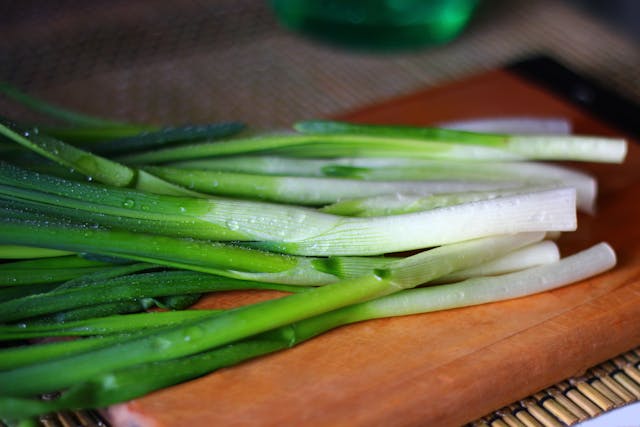
Good news: not every slimy bunch is a lost cause. If you’ve determined your green onions are still safe, no foul smell, no mold, no dark discoloration, a little hands-on rescue work can often bring them back to fully usable condition. The process takes less than two minutes and requires nothing more than cold water, a paper towel, and a sharp knife.
Step 1 — Rinse and Inspect
Start by holding the entire bunch under cold running water and gently rubbing away any slimy film or gel coating on the outer stalks. Cold water is important here, warm water can actually accelerate softening in already-compromised stalks. As you rinse, peel off the outermost layer of each onion; this is almost always where the sliminess is concentrated, and removing it reveals what’s underneath.
Once rinsed, hold each stalk up and give it a gentle bend. If the inner layers are firm, bright green, and spring back with some resistance, you’re working with perfectly usable onions. If the stalk collapses, feels paste-like, or the sliminess goes all the way through, that onion has gone too far and should be discarded. Green onions slimy inside throughout the entire stalk are generally not worth trying to salvage.
Step 2 — Pat Completely Dry
This step is non-negotiable, and it’s the one most people skip. Moisture is the single biggest driver of sliminess in stored green onions, so putting damp onions back into the fridge is essentially scheduling your next slime problem in advance.
After rinsing, lay the stalks out on a clean kitchen towel or several layers of paper towel and pat them firmly and thoroughly dry. Don’t just blot the surface, press along the full length of each stalk, including between any layers. If you have a few minutes to spare, let them air dry on the towel for five to ten minutes before moving on to the next step. The drier they go back into storage, the longer they’ll stay crisp.
Step 3 — Trim the Damaged Parts
With your onions rinsed and dried, take a sharp knife and remove anything that doesn’t look right. That means slimy or discolored tips at the green end, any soft or darkened sections along the stalk, and the root end if it shows signs of mushiness or browning. Don’t be conservative here, trimming a bit extra costs you nothing, while leaving a borderline section in the fridge means it will continue to affect the stalks around it.
What you’re left with after trimming should be the firm, vibrant green middle sections: the most flavorful part of the onion anyway, and the part that holds up best whether you’re using them raw as a garnish or cooked into a dish. Rescued slimy green onions that have been properly rinsed, dried, and trimmed are completely safe to eat and will perform just as well as a fresh bunch in most recipes.
How to Prevent Green Onions from Becoming Slimy
Most sliminess comes down to two factors: too much moisture and too little airflow. Get those right, and your green onions will stay crisp and slime-free far longer than they would in a sealed plastic bag.
1. Store Them Upright in Water (The Best Method)
Trim the root ends slightly, stand the bunch upright in a glass with about an inch of water covering the roots, and refrigerate. Change the water every two days. This keeps onions hydrated from the root up rather than letting moisture pool around the stalks, and can keep them fresh and firm for up to two weeks.
2. Wrap in a Damp Paper Towel, Then Store in a Loose Bag
Wrap your green onions in a lightly damp paper towel, place them in a resealable bag left slightly open, and refrigerate. The towel absorbs excess condensation before it can cause spring onion slime, while the loose bag prevents them from drying out. Note the emphasis on lightly damp, a soaking wet towel creates exactly the trapped moisture that causes slimy green onions in the first place.
3. Never Store Them Wet
Washing green onions before storing, then putting them away still damp, is the most common storage mistake. Always wash immediately before use, not before storage. If they’re already rinsed, dry them thoroughly before returning them to the fridge.
4. Avoid Sealed Airtight Containers
Green onions need a little airflow. Airtight bags and containers trap ethylene gas and moisture, both of which accelerate breakdown. Use a loosely closed bag or a vented container instead.
5. Keep Them Away from High-Ethylene Produce
Apples, bananas, avocados, and tomatoes all emit ethylene gas as they ripen, which speeds up deterioration in nearby produce. Store green onions in a separate fridge compartment, away from high-ethylene neighbors.
6. Freeze Them Properly for Long-Term Storage
Improper freezing is a leading cause of mushy, slimy green onions after thawing. To do it right: wash and dry completely, chop to size, spread in a single layer on a baking sheet, freeze until solid, then transfer to a freezer bag with the air pressed out. Frozen green onions won’t work as a fresh garnish, but they’re perfectly good in soups, stir-fries, and cooked dishes for up to three months.
Frequently Asked Questions
Why are my green onions slimy inside?
A clear, gel-like substance inside the stalk is almost always natural mucilage — a harmless polysaccharide the plant produces on its own. It’s most noticeable in fresh, recently cut onions and has no impact on flavor or safety. Rinse it off and use as normal.
What is the slime that comes out of green onions?
It’s called mucilage — a naturally occurring plant gel made up of polysaccharides and water. The same substance appears in okra and aloe vera. Green onion mucilage is completely normal and not a sign of spoilage.
Can slimy green onions make you sick?
Only if the sliminess is caused by bacterial or fungal spoilage. Watch for these red flags: a foul or sour smell, dark brown or black discoloration, visible mold, or a completely mushy texture. If any of those are present, discard them. Natural sliminess or moisture-related sliminess will not make you sick.
Can you use green onions if they are slimy?
Yes — in many cases. If the sliminess is due to natural mucilage or surface moisture, simply rinse, peel away the outer layer, and use the firm inner stalks. If there’s any bad smell, mold, or dark discoloration, don’t use them.
Why do green onions get slimy in the fridge?
Trapped moisture is the main culprit. When green onions are stored in sealed plastic bags — especially if they were damp when stored — condensation builds up and creates a slimy film on the stalks. Switching to the paper towel method or storing them upright in water solves this almost entirely.
How do you keep green onions from getting slimy?
The easiest fix is wrapping them in a lightly damp paper towel, placing them in a loosely sealed bag, and refrigerating. Even better: store them upright in a jar with an inch of water covering the roots, just like fresh-cut flowers. Never store them wet, and avoid airtight containers.
Is it okay if my onions are slimy?
It depends on the cause. Clear gel inside the stalk? Fine. Slimy outer layer with no smell? Peel and use. Foul odor, dark spots, or visible mold? Throw them out. When in doubt, trust your nose over your eyes.
What is the gelatinous substance in scallions?
Natural mucilage. If the gel is clear, odorless, and found inside a firm stalk, it’s the plant’s own biology at work — nothing to worry about.
How long should I soak green onions to remove slime?
You don’t need to soak them — a thorough rinse under cold running water is enough. Gently rub the stalks as you rinse, peel off the outermost layer if needed, then pat completely dry before using or storing.
How do you know if a green onion has gone bad?
Check for these signs: a sour or rotten smell, dark brown or black spots on the stalk, visible mold, or a texture that’s completely mushy from root to tip. Yellowing tips alone don’t mean the onion is bad — just trim and check the rest of the stalk.
How to tell if an onion is unsafe to eat?
Your nose is the most reliable tool. A fresh green onion smells sharp and clean. Anything sour, fermented, or rotten means it’s unsafe. Back that up visually: mold, dark discoloration, and complete mushiness are all clear discard signals.