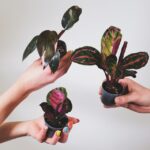

If you’ve noticed that your Philodendron Pink Princess not pink like you expected, you’re not alone. Many plant owners struggle with faded or mostly green leaves, even when providing seemingly proper care. The truth is that several factors affect how much pink your plant produces. In this guide, we’ll explore why your Pink Princess may be losing its color and share practical tips to help it grow vibrant, healthy pink leaves.
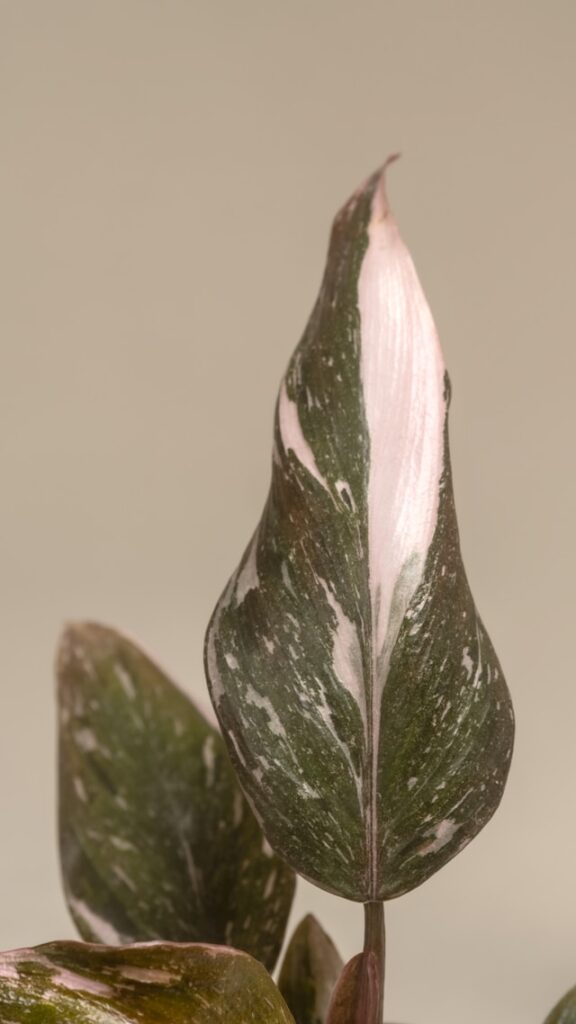
Table of Contents
Factors That Influence Pink Variegation in Philodendron Pink Princess Leaves:
The Philodendron Pink Princess is prized for its stunning pink variegated leaves, but many plant owners struggle when new growth starts turning mostly green. The intensity of pink coloring depends on several factors, including genetics, light intensity, pruning and growth points, plant maturity, temperature and environmental stress, nutrient balance, and natural mutation patterns, all of which influence how much pink your plant can display.
To discover the best ways to care for, grow, and propagate your Pink Princess while keeping its leaves vibrant, explore our full care guide here.
Genetics:
Before trying to enhance pink variegation, it’s important to identify the specific type of Philodendron Pink Princess you have, as genetics play a major role in how much pink your plant can produce. Different plants may show stable variegation, low pink patterns, or even revert to mostly green growth, which affects the results you can achieve with care adjustments.
Identify Which Type of Philodendron Pink Princess You Own:
Although the Philodendron Pink Princess is officially a single cultivar, growers and collectors often categorize it into informal types based on leaf appearance, variegation patterns, and color intensity. These visual differences help plant enthusiasts describe and identify the unique beauty of each specimen.
Types of Philodendron Pink Princess:
- High Variegation Pink Princess
- Large pink patches or dramatic half-moon leaves with less green tissue.
- Slower growing but highly valued for its bold ornamental variegation.
- Low Variegation Pink Princess
- Mostly green foliage with small pink speckles or streaks.
- Faster growth and easier care due to higher chlorophyll levels.
- Marble Pink Princess
- Balanced mix of green, pink, and burgundy marbling across leaves.
- Attractive decorative appearance with steady growth.
- Dark Pink Princess
- Deep burgundy leaves accented with subtle pink highlights.
- Creates a rich, dramatic foliage effect compared to brighter forms.
- Reverted Pink Princess
- Leaves turn mostly green with little or no pink variegation.
- Proper pruning and light conditions may help restore variegation.
- Half-Moon Pink Princess
- Leaves split between green and pink sections in striking patterns.
- Rare and highly prized by collectors for its unique appearance.
You can identify your Philodendron Pink Princess by examining its variegation pattern, stem color, and new growth. Plants with frequent pink patches, streaked burgundy stems, and consistent pink on emerging leaves usually have stable variegation, while those producing mostly green leaves with little pink may be low-variegated or reverting. Since Pink Princess differences are genetic rather than separate cultivars, observing these traits helps determine your plant’s pink potential.
Light Intensity:
Light intensity plays a major role in the pink coloration of Philodendron Pink Princess leaves. Bright, indirect light encourages stronger variegation by supporting balanced growth without overwhelming the delicate pink tissue.
In low light conditions, the plant produces more chlorophyll to compensate, resulting in greener leaves and reduced pink patterns, while excessive direct sunlight can scorch or fade the pink areas. Maintaining consistent bright filtered light helps promote vibrant and stable variegation.
Water:
Watering plays an indirect but important role in pink variegation in Philodendron Pink Princess. Consistent, balanced watering supports healthy growth, which helps the plant maintain stable variegation.
Overwatering can stress roots and lead to dull, weaker foliage, while underwatering may slow growth and reduce the plant’s ability to produce vibrant leaves. Allowing the top layer of soil to dry slightly between waterings helps keep the plant healthy and supports better overall coloration.
Soil:
Soil quality influences the overall health and variegation of Philodendron Pink Princess. A well-draining, airy soil mix rich in organic matter supports strong root development and prevents excess moisture that can stress the plant. Heavy or compact soil can lead to root issues and weaker growth, which may reduce vibrant variegation.
Using a chunky mix with components like bark, perlite, and peat or coco coir helps maintain proper aeration and encourages healthy, colorful foliage.
Pruning and Growth Point:
Pruning and growth points significantly influence pink variegation in Philodendron Pink Princess. Because variegation is tied to the growth node, cutting back to a stem section that shows visible pink can encourage new leaves with stronger variegation. If the plant begins producing mostly green foliage, strategic pruning helps redirect growth from a more variegated node, improving the chances of pinker future leaves while also promoting fuller, bushier growth.
Plant maturity:
Plant maturity can affect the intensity and stability of pink variegation in Philodendron Pink Princess. Younger plants often display inconsistent patterns as their variegation is still developing, while mature plants typically produce larger leaves with more defined and stable pink markings. As the plant establishes a stronger root system and healthier growth habit, its ability to maintain vibrant variegation generally improves.
Temperature & Stress:
Temperature and environmental stress can greatly impact the pink variegation of Philodendron Pink Princess. The plant thrives in stable, warm conditions, ideally between 65–80°F (18–27°C). Sudden temperature fluctuations, cold drafts, or prolonged stress can cause leaves to revert to green or slow pink development. Keeping the plant in a consistent, comfortable environment helps maintain vibrant variegation and supports overall healthy growth.
Fertilizer:
Nutrient balance plays a key role in the color expression of Philodendron Pink Princess leaves. While the plant needs regular fertilization to grow healthy foliage, too much nitrogen promotes chlorophyll production, which can make leaves greener and reduce pink variegation.
Using a balanced fertilizer in moderation, ideally one higher in phosphorus and potassium relative to nitrogen, about once a month during the growing season supports strong growth while helping maintain the plant’s pink patterns.
Leaf Position & Mutation Pattern:
Leaf position and natural mutation patterns also affect the pink variegation of Philodendron Pink Princess. Since variegation is a genetic mutation, each new leaf can differ in pink intensity, even on the same plant. Leaves higher on the plant or closer to active growth points often show more vibrant pink, while older or shaded leaves may appear greener. Understanding this natural variation helps set realistic expectations for the plant’s overall coloration.
Humidity:
Philodendron Pink Princess thrives in moderate to high humidity (50–70%), which keeps leaves healthy and supports vibrant pink variegation. Low humidity can stress the plant and dull its colors, while higher humidity promotes lush, stable pink foliage.
Get more expert tips and tricks for keeping your Pink Princess healthy and vibrant by checking out this helpful guide
How Do You Get More Pink Leaves on Your Pink Princess Philodendron?
To get more pink leaves on your Philodendron Pink Princess, it’s important to maintain a healthy balance of green and pink foliage, ideally around a 50/50 split, since pink areas lack chlorophyll and the plant still needs green leaves to thrive.
Regular pruning above nodes that show variegation, such as pink streaks or lines on the stems, encourages new growth with stronger pink patterns. Taking cuttings from these variegated nodes can also increase your chances of producing vibrant pink leaves.
Alongside pruning, provide bright indirect light, water only when the soil is slightly dry, keep the soil loose and well-aerated, and maintain moderate humidity around 50% to support healthy, colorful foliage.
The Pink Myth of Philodendron Pink Princess:
A common misconception about the Philodendron Pink Princess is that its leaves stay pink forever. In reality, pink leaves don’t maintain their color for life, they gradually lose their vibrancy and can turn brown as they age. This happens because pink areas lack chlorophyll, making them more delicate and prone to drying out or fading over time.
That’s why it’s important to maintain a healthy balance of green and pink leaves, prune regularly to encourage fresh variegated growth, and provide proper light, watering, and humidity to keep your plant healthy and vibrant.
FAQs:
Do all leaves on a Pink Princess stay pink forever?
No, all leaves on a Philodendron Pink Princess do not stay pink forever. Pink areas lack chlorophyll, which the plant needs to produce energy, so over time pink leaves can fade, dry out, or turn brown.
How much sun does a Pink Princess need?
Philodendron Pink Princess thrives in bright, indirect light. Too little light can cause leaves to turn greener and reduce pink variegation, while direct sunlight can scorch the delicate pink areas.
How long does Pink Princess last?
With proper care, a Pink Princess can live for many years, often 5–10 years or more indoors.
How do I keep my Pink Princess Philodendron pink?
To keep your Pink Princess pink, maintain a balance of green and pink leaves (around 50/50), provide bright indirect light, water when the top layer of soil is dry, use well-draining soil, and keep humidity around 50%. Regular pruning above variegated nodes encourages new pink growth.
Why are my Pink Princess leaves turning brown on the edges?
Brown or crispy leaf edges are usually due to low humidity or dehydration. This plant prefers moderately high humidity, and dry air can cause delicate leaf margins, especially pink sections, to brown and die back. Increasing humidity around the plant helps prevent this.
How do I know if my Pink Princess has reverted?
A reverted Pink Princess starts putting out leaves that are entirely green with little to no pink at all. This is often caused by low light, stress, or excess nitrogen, and it shows that green tissue is dominating the growth point. Pruning back to variegated nodes can help.