
Microgreens have earned their reputation as nutritional powerhouses, dense in vitamins, minerals, and flavor, ready to harvest in as little as one week. But here’s what most gardening guides quietly skip over: what seeds should not be used for microgreens matters just as much as knowing which ones thrive in a shallow tray.
The wrong seed choice isn’t just a wasted harvest. In some cases, it can be a health risk. If you’re just getting started, our complete microgreens grow guide covers the best seeds, trays, and timing, but before you plant anything, read this first.
The appeal of growing microgreens at home is understandable. Minimal space, minimal cost, near-instant results. But that ease can breed a false sense of safety, the assumption that anything you’d grow full-size must be fine in miniature. That assumption is wrong. Several plant families contain compounds, glycoalkaloids, oxalates, and other naturally occurring toxins, that concentrate in young sprouts and seedlings at levels higher than in mature plants. Others produce seeds treated with chemical fungicides that aren’t safe to ingest.
Before you fill another tray, it’s worth knowing what’s actually on the do-not-grow list, and why.
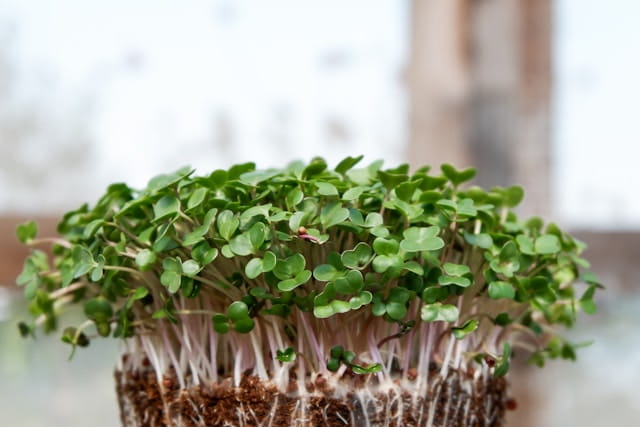
Table of Contents
Are There Toxic Microgreens?
Yes — and it’s one of the most important things to understand before you start growing. While microgreens have rightfully earned their reputation as nutritional powerhouses, not every plant is safe to eat at the seedling stage. The truth is, a plant that’s perfectly harmless, or even medicinal, at full maturity can behave very differently when it’s just a few days old.
Here’s why: young seedlings are still in a vulnerable phase of development. To protect themselves from insects, fungi, and other threats, certain plants produce concentrated doses of alkaloids, glycosides, and other chemical compounds in their earliest tissues. These same compounds that help a mature plant thrive can make a tiny seedling genuinely dangerous to eat.
This isn’t meant to frighten you away from growing microgreens, far from it. Most of the greens you’ll find in a seed packet or starter kit are completely safe and deeply nourishing. But a handful of common plants should never make it into your growing trays. Knowing which ones they are isn’t just good gardening knowledge, it’s how you protect yourself, your family, and anyone else you’re feeding.
So, are there toxic microgreens? Yes, there are — and the 11 plants below are the ones every grower needs to know about.
What Seeds Should Not Be Used for Microgreens? 11 Plants to Never Grow
Some seeds look just like any other in the packet, but a few of them have no place in your growing tray. The plants below aren’t obscure or rare; some are common garden favorites. What makes them dangerous is what happens before they fully mature. Here are the 11 seeds you should never use for microgreens.
1. Tomato (Solanaceae family)
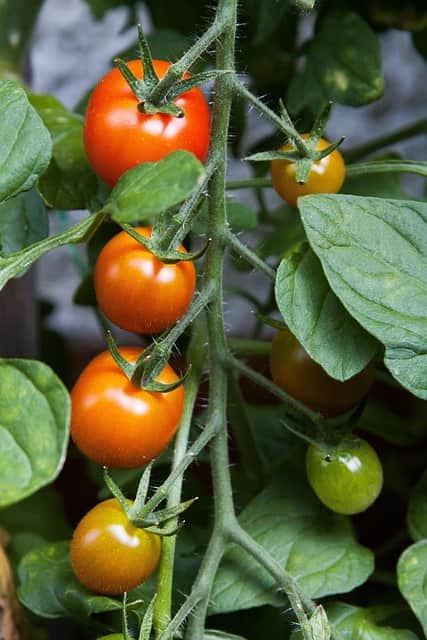
Tomatoes are a kitchen staple, but their seedlings are a different story. The leaves and stems of young tomato plants contain solanine, a natural toxin the plant produces to defend itself. At the microgreen stage, these compounds are concentrated and not safe to eat. Stick to the fruit; skip the seedlings.
2. Potato (Solanaceae family)
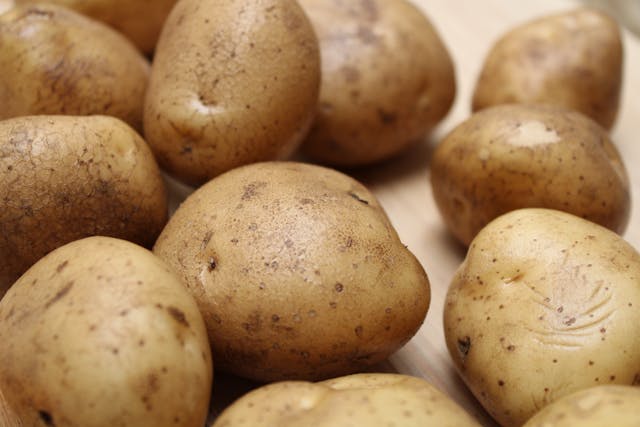
Potato microgreens carry some of the highest solanine concentrations of any nightshade seedling. Even small amounts can cause nausea, headaches, and digestive distress. This is one case where curiosity really isn’t worth the risk.
3. Eggplant / Aubergine (Solanaceae family)
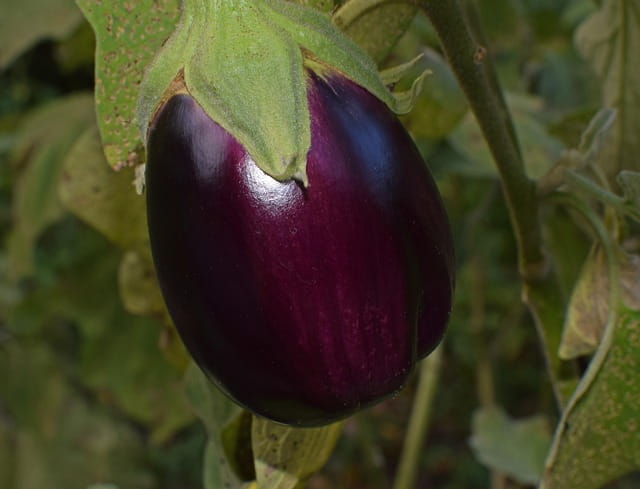
Like its nightshade cousins, eggplant seedlings carry toxic alkaloids that haven’t yet broken down into something the body can handle safely. The mature vegetable is delicious, but at the microgreen stage, it’s best left in the garden.
4. Pepper (Solanaceae family)
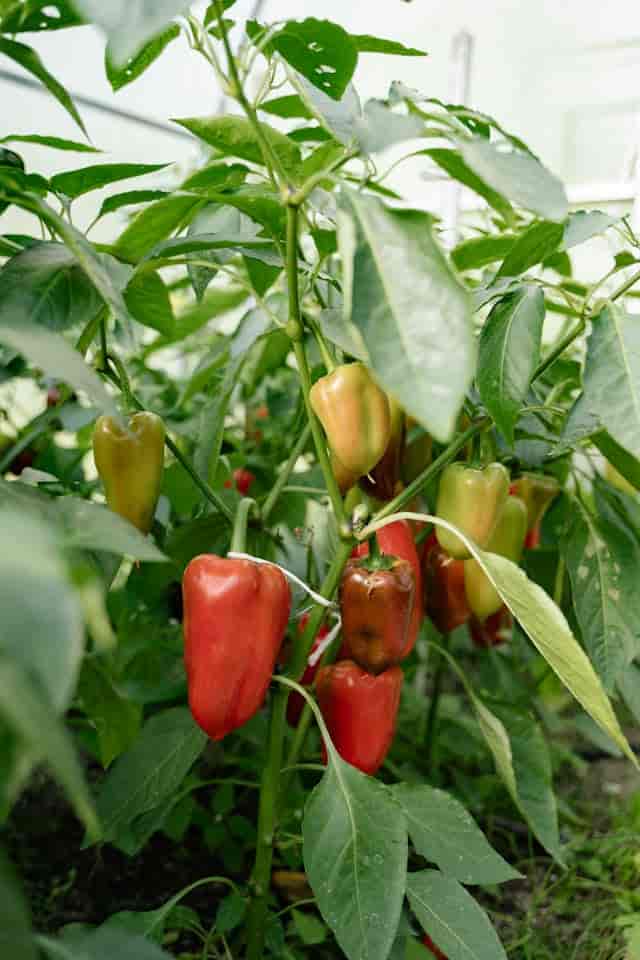
Pepper seedlings contain both capsaicin and solanine compounds in their early leaf tissue. While capsaicin itself isn’t deadly, the combination of alkaloids in young pepper seedlings makes them unsuitable, and potentially harmful, as microgreens.
5. Rhubarb
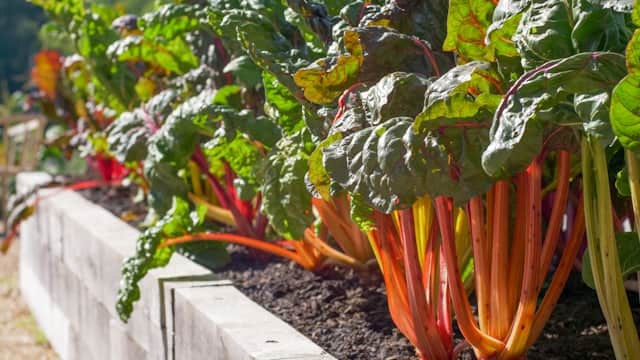
Rhubarb is a classic, stalks in a crumble, leaves in the compost. There’s a reason for that last part. The leaves are loaded with oxalic acid, which is toxic to the kidneys and present in dangerous concentrations even at the seedling stage. Never grow rhubarb as a microgreen.
6. Foxglove (Digitalis)
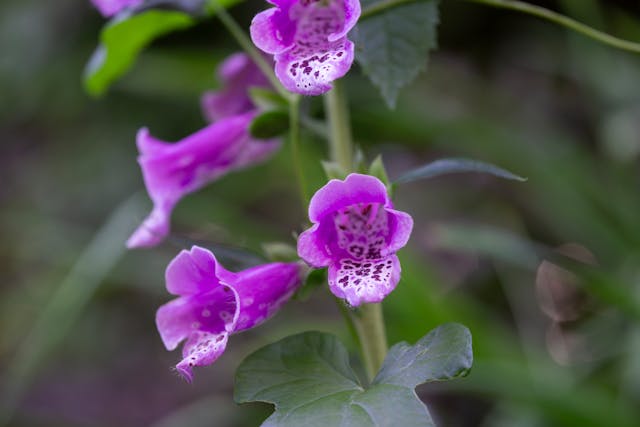
Foxglove is strikingly beautiful and dangerously toxic. It contains digitalis glycosides, compounds powerful enough to affect heart rhythm. There is no safe dose of foxglove as food. Keep it in the flower bed, far away from the kitchen.
7. Datura / Jimsonweed
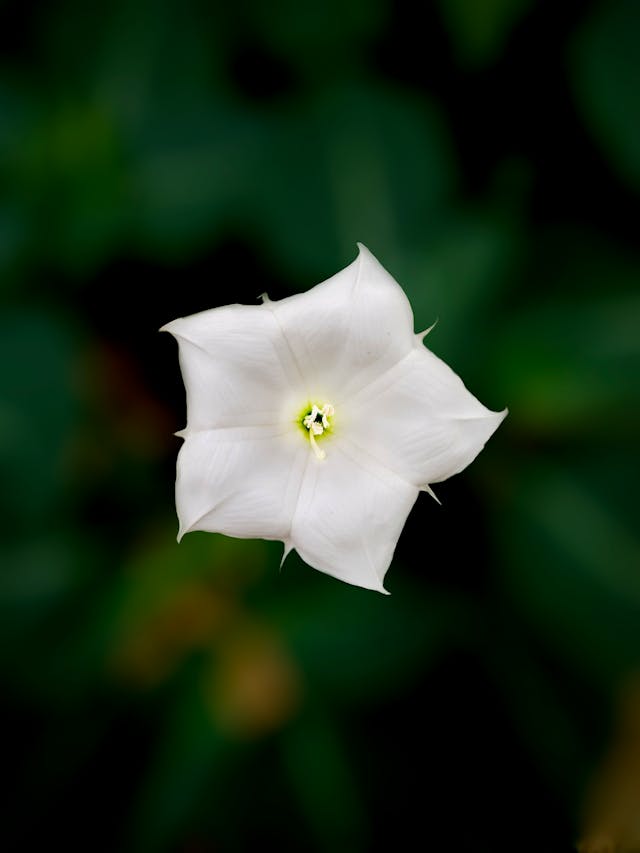
Datura is toxic at every single stage of its life, seed, seedling, flower, and fruit. Its tropane alkaloids can cause hallucinations, seizures, and in serious cases, death. This one isn’t a gray area. Never grow it, and keep it away from children entirely.
8. Lantana
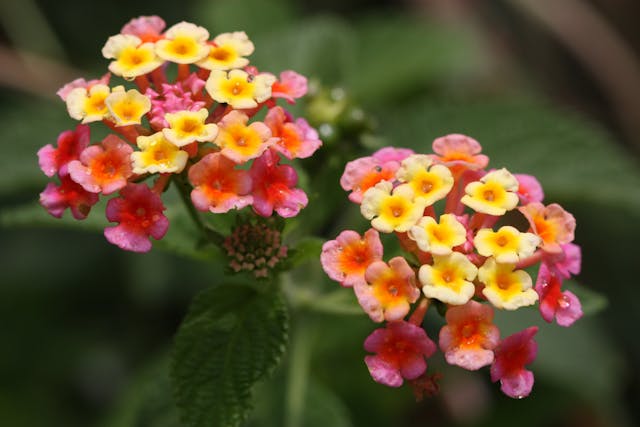
Lantana is a cheerful, colorful garden plant, and a genuinely toxic one. Its alkaloids persist right through the seedling stage, making it harmful if ingested. What looks like a pretty little sprout can cause liver damage and serious illness.
9. Euphorbia
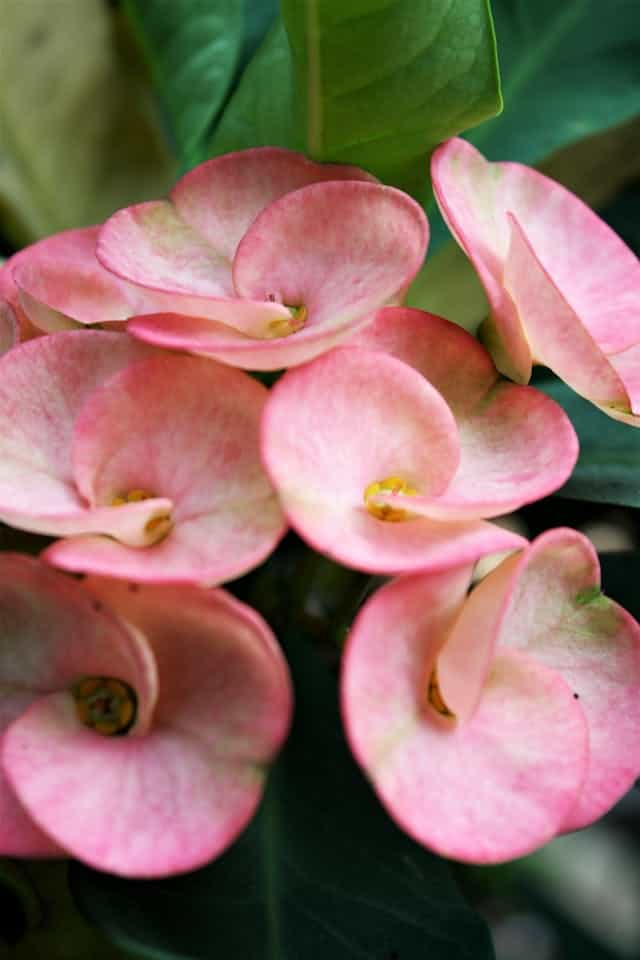
Euphorbia plants produce a milky white sap that’s a skin and eye irritant even on contact, and far worse if swallowed. As microgreens, every part of the plant carries this risk. Even handling the seedlings without gloves can cause irritation.
10. Buttercup (Ranunculus)
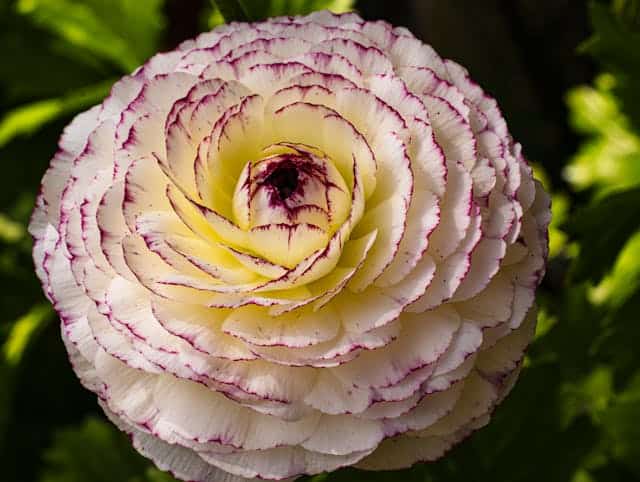
Buttercups seem innocent enough dotting a meadow, but they contain protoanemonin, a compound that causes burning and irritation in the mouth, gut, and skin. Young seedlings carry this toxin just as strongly as mature plants. Not one for the growing tray.
11. Lily of the Valley (Convallaria majalis)
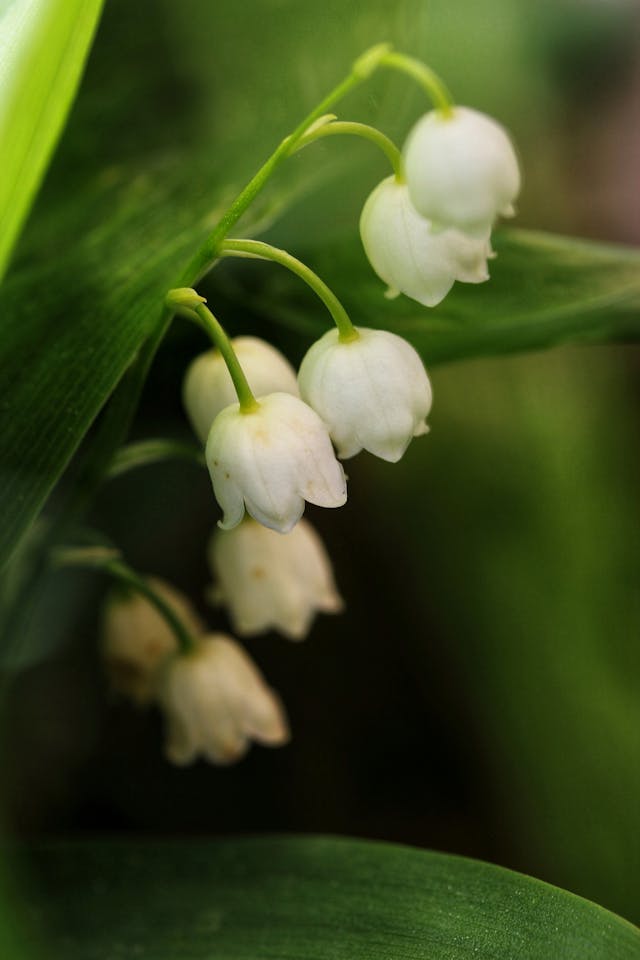
Delicate, fragrant, and deeply toxic. Lily of the Valley contains cardiac glycosides that interfere with heart rhythm, even in very small quantities. Every part of this plant is dangerous, and that includes the tiniest seedling. It has no place anywhere near food production.
Which Microgreens Are Not Edible at Any Stage?
Most toxic plants on this list are dangerous specifically as seedlings, their mature forms are either edible or at least not acutely harmful. Tomatoes, peppers, and eggplants fall into this category. The fruit is fine; the seedling is not.
But a smaller group of plants are toxic at every single stage, seedling, mature plant, flower, and seed. No part of them is safe to eat, ever. These include:
- Datura / Jimsonweed — toxic from seed to flower, no exceptions
- Foxglove — every part contains heart-affecting glycosides
- Lily of the Valley — no stage, no preparation makes it safe
- Lantana — toxic throughout its entire life cycle
This matters because many growers assume ornamental or garden flower seeds are automatically harmless. They aren’t. Beautiful doesn’t mean edible. If a seed came from a flower bed rather than a food garden, treat it with caution until you’ve confirmed it’s safe.
Which microgreens are not edible? Any seedling grown from the plants listed above, but especially Datura, Foxglove, Lily of the Valley, and Lantana, are not edible at any stage and should never be grown as microgreens under any circumstances.
When Should You Not Eat Microgreens?
Even the safest, most well-chosen microgreens can become a health risk if something goes wrong during growing or storage. Knowing when to discard a tray, even when it hurts a little to throw out a week’s worth of work, is just as important as knowing what to grow.
When should you not eat microgreens? Discard them if you notice any of the following:
Mold Mold on microgreens usually appears as fuzzy white, grey, or black patches at the base of the stems or on the soil surface. It spreads quickly and produces harmful mycotoxins that can’t be washed off or cut around. If you see mold, the entire tray goes, not just the affected section.
Off Smell Fresh microgreens should smell clean, green, and faintly earthy. A sour, ammonia-like, or generally unpleasant odor is a clear sign of bacterial growth or decomposition. If it doesn’t smell right, trust your nose. It’s rarely wrong.
Poor Color Yellowing leaves, browning stems, or a translucent, water-logged appearance are all signs that your microgreens have deteriorated past the point of safe eating. Healthy microgreens are vivid and firm dull or mushy means discard.
Treated Seeds This one catches many new growers off guard. Garden and agricultural seeds are often coated with fungicides or pesticides to improve germination outdoors. These coatings are not food-safe. Always buy seeds specifically labelled for microgreen or sprouting use, never use leftover garden seeds unless you can confirm they are untreated.
When in doubt, throw it out. Microgreens grow fast, a fresh tray is never far away, and your health is always worth more than the cost of a handful of seeds.
How to Buy Safe Microgreen Seeds
Choosing the right seeds is where safety actually begins, long before anything goes into a tray. The good news is that buying safe microgreen seeds isn’t complicated. It just requires knowing what to look for and where to look.
Always Choose Food-Grade or Microgreen-Specific Seeds
Not all seeds are created equal, and not all of them are meant to be eaten. Seeds sold specifically for microgreens or sprouting are tested, untreated, and intended for human consumption. This is your safest starting point, every single time. Look for the words microgreen seeds, sprouting seeds, or food-grade on the packaging before anything else.
Check for Organic or Untreated Labelling
Organic seeds are grown without synthetic pesticides and are far less likely to carry chemical residues into your food. If certified organic isn’t available or within budget, look for seeds labelled untreated or chemical-free at minimum. Treated seeds, often identifiable by an unusual pink, blue, or green coating, should never be used for microgreens or any food growing.
Don’t Repurpose Leftover Garden or Flower Seeds
It’s tempting to use whatever seeds you already have at home. Resist that temptation. Garden seeds may be treated with fungicides, stored improperly, or sourced from plants that simply aren’t safe at seedling stage. Flower seeds carry even more risk, ornamental varieties are rarely tested for food safety and some are outright toxic, as we’ve already seen.
Trusted Sourcing Tips
Buy from suppliers who specialise in microgreens or sprouting, not general gardening retailers. Look for transparent labelling, clear batch information, and ideally, some indication of germination testing. A reputable seed supplier will always tell you exactly what’s in the packet and how it was grown.
A little extra care at the buying stage means everything that follows, the growing, the harvesting, the eating, can be done with complete confidence.
Not sure where to start? Check out our grow guide for broccoli microgreens — one of the easiest and healthiest varieties you can grow.
Frequently Asked Questions
Are tomato microgreens poisonous?
Yes — tomato microgreens are considered unsafe to eat. The leaves and stems of young tomato seedlings contain solanine, a natural toxin concentrated in the plant’s earliest growth stages. While ripe tomato fruit is perfectly safe, the seedling is a different matter entirely. Don’t grow tomatoes as microgreens.
Can you grow pepper microgreens?
It’s best not to. Pepper seedlings contain solanine compounds and capsaicin in their early leaf tissue, making them unsuitable for consumption at the microgreen stage. Like tomatoes, peppers belong to the nightshade family, safe to eat at maturity, but not as seedlings.
What happens if you eat moldy microgreens?
Eating moldy microgreens can cause nausea, vomiting, digestive upset, and in some cases more serious illness depending on the type of mold present. Mold produces mycotoxins that cannot be removed by washing or trimming. If you spot mold anywhere on your tray, discard the entire batch, not just the affected area.
Are all sprouts safe to eat?
No — not all sprouts are safe, and the same rules around toxic plants apply here too. Beyond plant choice, sprouts carry a higher risk of bacterial contamination than microgreens because they’re grown in warm, wet conditions without soil. Always source sprout seeds from reputable, food-grade suppliers and follow safe growing practices carefully.
Can microgreens make you sick?
They can, under certain conditions. Growing microgreens from toxic plant varieties, eating moldy or deteriorated greens, or using treated garden seeds are the most common causes of illness. When grown correctly from safe, food-grade seeds and harvested at the right time, microgreens are among the most nutritious foods you can eat.
What seeds should not be used in microgreens?
Seeds from the nightshade family, tomato, potato, eggplant, and pepper, should be avoided. Beyond those, never grow foxglove, datura, lantana, euphorbia, buttercup, rhubarb, or lily of the valley as microgreens. These plants contain toxic compounds that are dangerous at the seedling stage and, in some cases, at every stage of growth.
Can I use any seed for microgreens?
No. While there are dozens of wonderful seeds suitable for microgreens, sunflower, pea, radish, broccoli, basil, and many more, not every seed is safe or appropriate. Always verify that a seed variety is food-safe before growing it as a microgreen, and always buy from suppliers who specialise in food-grade or microgreen-specific seeds.
Which seeds are better for microgreens?
Some of the best seeds for microgreens include sunflower, radish, pea shoots, broccoli, kale, mustard, amaranth, and fenugreek. These varieties germinate reliably, grow quickly, and offer excellent flavor and nutritional value. Beginners often do best starting with sunflower or pea shoots, both are forgiving, fast, and delicious.
Can I use the same seeds for sprouts and microgreens?
Sometimes yes, but not always. Many seeds, like radish, broccoli, and fenugreek, work well for both. The key difference is that sprout seeds must be confirmed safe for consumption without cooking or soil contact, and they carry a higher bacterial risk. Always check that seeds are labelled safe for both uses, and buy from a trusted food-grade supplier either way.
When should you not eat microgreens?
Don’t eat microgreens if you notice mold, a sour or ammonia-like smell, yellowing or browning leaves, or a mushy, water-logged texture. Also avoid any microgreens grown from treated garden seeds or from plant varieties known to be toxic at the seedling stage. When something looks or smells off, trust your instincts and start a fresh tray.