
If you’re wondering what indoor plant is good for sinusitis, the short answer is: eucalyptus, peppermint, and thyme are your strongest options — used through steam inhalation or aromatherapy, they may help open blocked nasal passages and ease that relentless sinus pressure. Beyond herbal plants, certain air-purifying varieties like spider plants and aloe vera can quietly reduce the indoor triggers — dust, mold spores, and airborne irritants — that make sinusitis worse in the first place.
In this guide, you’ll find 7 indoor plants that may support sinus relief, how to actually use each one at home, which herbal plants are traditionally known for sinusitis, and which plants are worth avoiding if your sinuses are already struggling.
Quick note before we dive in: This article is for informational and home-wellness purposes only. It is not medical advice, and these plants are not a treatment or cure for sinusitis. If your symptoms are severe, worsening, or have lasted more than 10 days, please see a qualified healthcare professional.
In This Article
What Indoor Plant Is Good for Sinusitis?
Not all plants help sinusitis in the same way, and that’s actually good news, because there are two distinct ways they can make a difference.
The first is herbal plants you can grow right on your windowsill, think eucalyptus, peppermint, and thyme. These aren’t just decorative. You can harvest their leaves, brew them into steam, drink them as tea, or use their oils in a diffuser. The active compounds in these plants, menthol, cineole, thymol, have been traditionally used for centuries to open nasal passages, thin mucus, and ease that heavy, blocked feeling that sinusitis brings.
The second angle is air-purifying plants. Sinusitis isn’t always caused by infection, dust particles, mold spores, and volatile organic compounds (VOCs) floating around your home can trigger or worsen inflammation in your nasal passages. Certain low-pollen, low-allergen plants quietly filter these irritants from the air around you, making your indoor environment less hostile to your sinuses over time.
Both approaches have a role to play. The 7 plants below cover the best of both, so whether you want active, hands-on relief or passive, long-term improvement in your air quality, there’s something here for you.
7 Indoor Plants That May Help with Sinusitis
Some of these you can brew, steam, and inhale. Others simply do their job by existing in your space, quietly filtering the air while you go about your day. Either way, all 7 of these plants are easy to grow indoors, widely available, and have a legitimate reason to earn a spot in your home if sinusitis is something you deal with regularly.
1. Eucalyptus

What it does: Natural decongestant, the active compound cineole helps open airways and reduce nasal swelling
How to use it indoors: Steam inhalation (a few leaves in hot water), diffuser with eucalyptus oil, or keep the plant in a humid bathroom
Growing tip: Needs bright light, grows well in pots
Note: Keep oil diluted; not safe for young children or pets in high concentrations
2. Peppermint
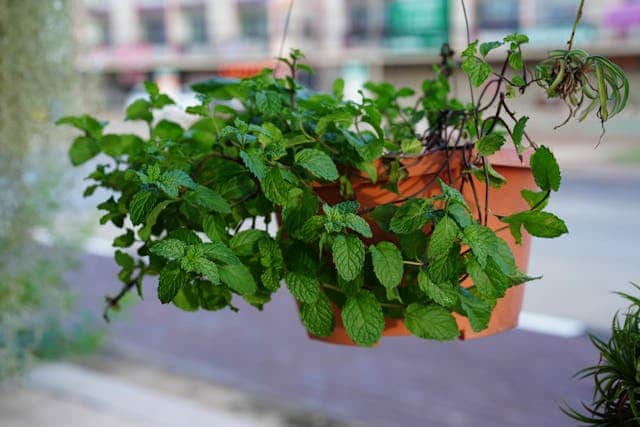
What it does: Contains menthol, a natural compound that cools and opens nasal passages, reduces inflammation
How to use: Brew as tea and inhale the steam, add leaves to a bowl of hot water, or use in a diffuser
Growing tip: Thrives indoors in a sunny windowsill, grows fast
Note: Avoid direct application of undiluted oil near children
3. Thyme
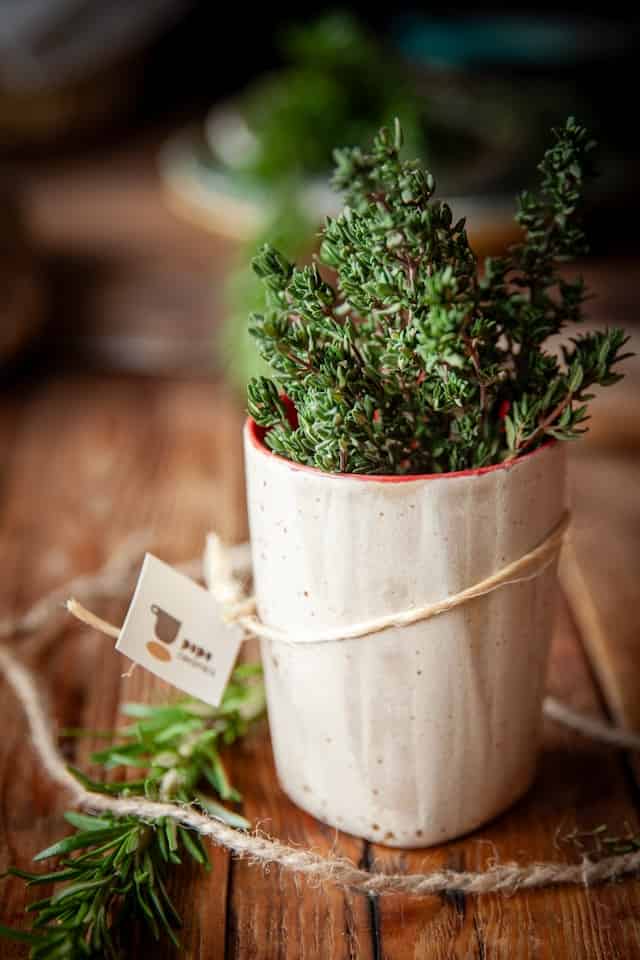
What it does: Antimicrobial and expectorant properties — helps loosen mucus and may support the body against nasal infections
How to use: Thyme tea (drink and inhale steam), steam inhalation with dried leaves
Growing tip: Low maintenance, does well in small pots with good drainage
4. Ginger
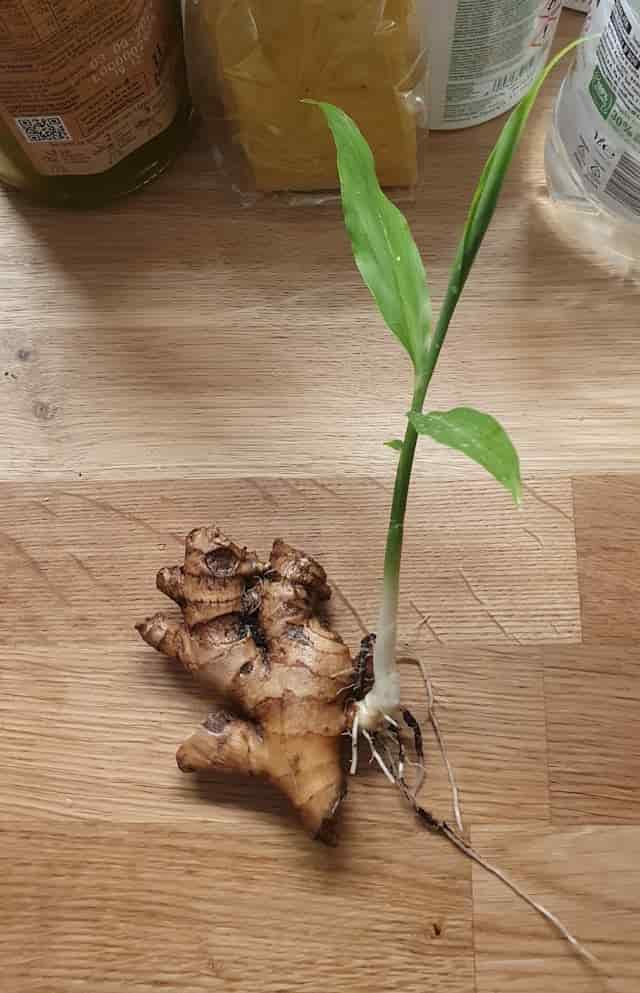
What it does: Natural anti-inflammatory, may reduce swelling in nasal passages; also works as a natural antihistamine
How to use: Fresh ginger tea — sip slowly and breathe in the steam; pair with turmeric for added effect
Growing tip: Can grow ginger root in a wide shallow pot indoors with indirect light
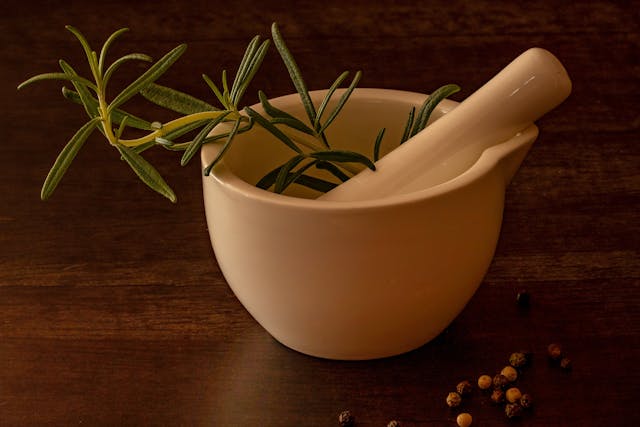
5. Rosemary
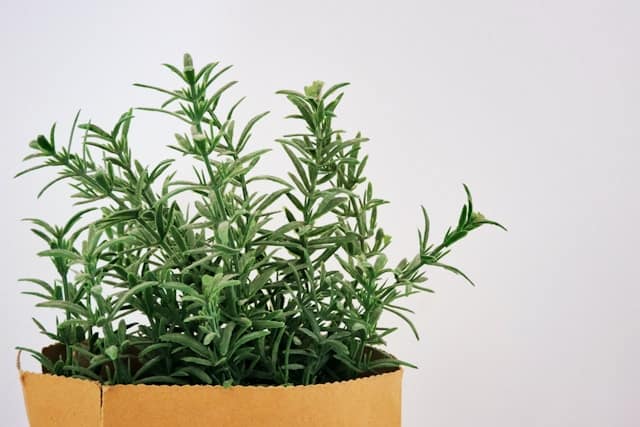
What it does: Antimicrobial essential oils, helps clear nasal passages; often used in herbal steam blends
How to use: Steam inhalation with a sprig in hot water, or diffuse rosemary essential oil
Growing tip: Loves a sunny windowsill, drought tolerant and easy to maintain
6. Aloe Vera
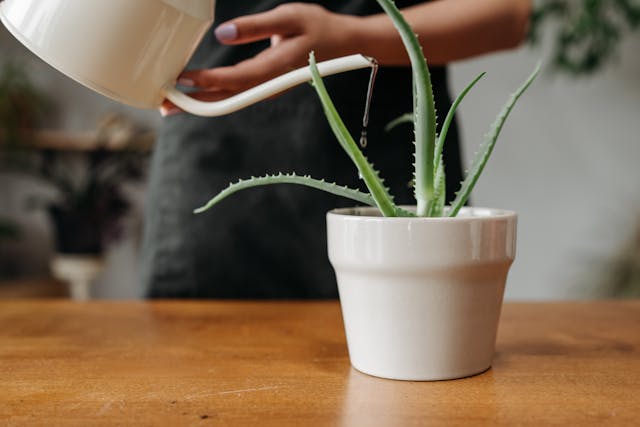
What it does: Removes formaldehyde and benzene from indoor air — common irritants that can worsen sinus symptoms; low pollen, no airborne allergens
How to use: Keep in bedroom or living area; wipe leaves occasionally to keep dust off
Growing tip: Extremely low maintenance, thrives on neglect
7. Spider Plant
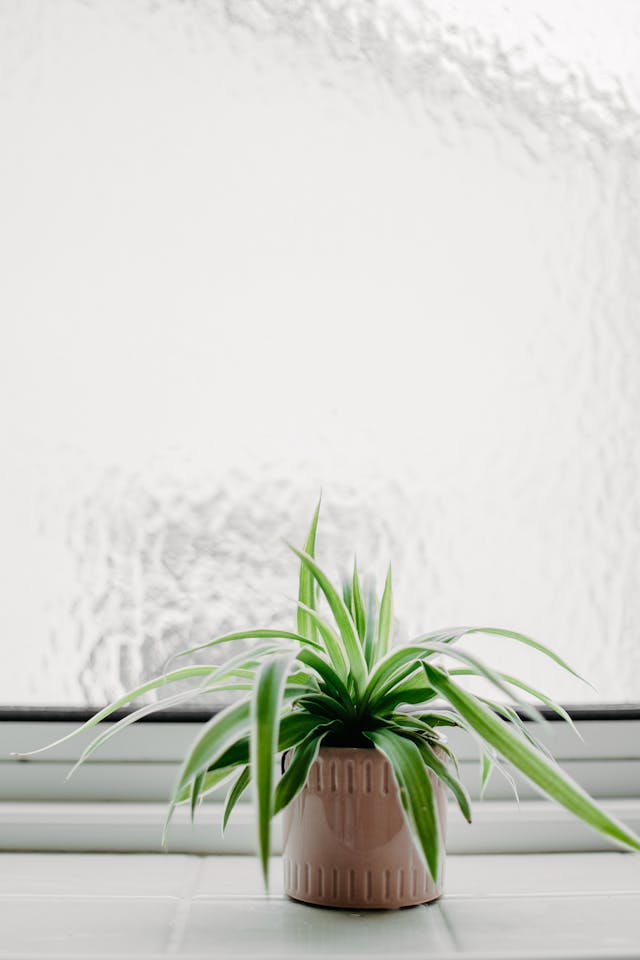
What it does: Filters airborne pollutants like xylene and carbon monoxide; also helps reduce airborne mold and dust particles — common sinusitis triggers
How to use: Hang in common areas for passive air filtering; wipe leaves monthly
Growing tip: Survives in almost any light condition, safe for pets and kids
Herbal Plants for Sinusitis — What’s the Difference?
If you’ve been searching for herbal plants for sinusitis, it’s worth understanding what separates them from the air-purifying plants on this list, because how you use them is completely different.
Herbal plants are active. Eucalyptus, peppermint, thyme, ginger, and rosemary all contain natural compounds that interact directly with your respiratory system when you use them. You’re brewing them, steaming them, inhaling them. The relief, when it comes, is something you create intentionally. You put in a little effort, and the plant delivers.
Air-purifying plants are passive. Aloe vera and spider plants don’t require you to do anything with them beyond basic care. They simply sit in your space and do their job, filtering dust, absorbing airborne irritants, and reducing the indoor pollutants that quietly aggravate your sinuses day after day. No prep, no process. Just cleaner air over time.
Neither approach is better than the other, they solve different parts of the same problem. Herbal plants give you something to reach for when symptoms hit. Air-purifying plants work in the background to make those flare-ups less frequent.
Ideally, you’d have both.
Which Plant Clears Nasal Congestion?
For immediate relief, eucalyptus and peppermint are the two plants that consistently come out on top. Eucalyptus contains cineole, a natural compound shown to reduce nasal inflammation and loosen mucus. Peppermint contains menthol, which creates that familiar cooling sensation that opens up blocked passages almost instantly. Both work fastest through steam inhalation.
Simple steam inhalation at home:
- Boil water and pour it into a heatproof bowl
- Add 4–5 fresh eucalyptus or peppermint leaves (or 3–4 drops of their essential oil)
- Drape a towel over your head and lean over the bowl
- Breathe slowly and deeply through your nose for 5–10 minutes
- Repeat once or twice daily during a flare-up
If steam inhalation isn’t your thing, fresh ginger tea is a gentler drinkable option. Slice a few pieces of raw ginger into hot water, let it steep for 5 minutes, and sip slowly, breathing in the steam from your cup as you go.
What Herb Kills Sinus Infection?
Let’s be straightforward about this one: no herb kills a sinus infection on its own. If your sinusitis is bacterial, that requires proper medical evaluation and potentially antibiotics prescribed by a doctor. No plant — however powerful — is a replacement for that.
What certain herbs may do is support your body’s natural response, help relieve symptoms, and make the experience more manageable while your immune system does its work.
Thyme is one of the most studied herbs for respiratory infections. It contains thymol, a naturally occurring compound with well-documented antimicrobial properties that may help the body fight nasal infections and loosen stubborn mucus.
Eucalyptus contains cineole, which has been the subject of clinical research into sinusitis relief. Some studies suggest it may help reduce inflammation in the nasal passages and support faster symptom recovery, though it is not a cure.
Garlic — while not an indoor plant you’d grow for décor, deserves a mention here. It contains allicin, a compound widely recognized for its antibacterial and antiviral properties. Adding raw garlic to your diet during a sinus flare-up is one of the oldest natural remedies across cultures, and the research behind allicin gives it more credibility than most home remedies.
All three can play a supporting role. None of them replace a diagnosis.
If your sinus symptoms have lasted more than 10 days, are getting worse instead of better, or come with a fever or severe facial pain — see a doctor. These are signs of a condition that needs professional attention, not a steam bowl.
Tips for Using Indoor Plants Safely for Sinus Relief
Bringing the wrong plant into your home, or caring for the right one incorrectly, can actually make your sinusitis worse. These are the things most plant guides won’t tell you.
Don’t overwater your plants. This is the biggest mistake sinus sufferers make. Constantly wet soil is a breeding ground for mold, and mold spores are one of the most common indoor sinusitis triggers. Water your plants only when the top inch of soil is dry, and make sure every pot has proper drainage. If your pot is sitting in standing water, empty it.
Wipe the leaves regularly. Broad, flat leaves collect dust surprisingly fast, and that dust doesn’t just sit there. Air movement stirs it back into your breathing space. A quick wipe with a damp cloth every couple of weeks keeps your plants looking good and your air cleaner.
Use a diffuser instead of burning oils. If you’re using eucalyptus or peppermint oil and you have sensitive airways, burning or heating oils directly can release irritants rather than relief. A cool mist diffuser disperses the compounds more gently and is far less likely to aggravate your sinuses or trigger a headache.
Ventilate your room. Plants improve air quality, but stagnant air limits what they can do. Opening a window for even 10–15 minutes a day keeps air circulating, reduces indoor humidity buildup, and gives your plants a better environment to work in.
Be selective if mold is your trigger. If your sinusitis is mold-related, avoid plants that thrive in high moisture and low airflow, ferns and peace lilies in particular tend to harbor mold in their soil despite their reputation as air purifiers. Stick to low-water plants like aloe vera, snake plants, and spider plants instead.
Managing sinusitis at home isn’t about finding one magic plant, it’s about using the right combination. Keep a herbal plant like eucalyptus or peppermint within reach for the days your sinuses flare up, and let an air-purifying plant like a spider plant work quietly in the background to reduce the triggers that cause those flare-ups in the first place. Small changes to your indoor environment can add up to a real difference over time.
And if you’re ready to start with something genuinely easy, aloe vera is one of the best low-maintenance air-purifying plants you can own. We put together a complete Aloe Vera Grow and Care Guide that covers everything from pot size to watering schedules, so you can keep yours thriving without accidentally turning it into a mold trap.
Which plant are you going to try first? Drop it in the comments, and if you’re dealing with a specific sinusitis trigger like dust or dry air, mention that too. It might help someone else reading this find the right plant for their situation.
Frequently Asked Questions
What house plants are good for sinuses?
The best houseplants for sinuses are eucalyptus, peppermint, and thyme for active relief through steam and inhalation, and spider plants and aloe vera for passively filtering dust and airborne irritants that trigger sinus inflammation.
What plant treats sinusitis?
No plant treats sinusitis medically, but eucalyptus is the most studied for sinus symptom relief — its active compound cineole has been shown to reduce nasal inflammation and help loosen mucus. Always consult a doctor if symptoms persist.
What herbal remedy is good for sinusitis?
Eucalyptus steam inhalation, peppermint tea, and thyme infusions are among the most commonly used herbal remedies for sinusitis. They may help open nasal passages and ease congestion, but they are not a substitute for medical treatment.
What is the fastest way to clear sinus congestion naturally?
Steam inhalation using eucalyptus or peppermint leaves is one of the fastest natural ways to ease nasal congestion. Lean over a bowl of hot water with a towel over your head and breathe deeply for 5–10 minutes.
Can indoor plants improve air quality for sinus sufferers?
Yes, certain indoor plants like spider plants and aloe vera can help filter dust, VOCs, and airborne irritants that worsen sinus symptoms — though they work gradually over time rather than providing immediate relief.
Is peppermint good for sinusitis?
Peppermint contains menthol, a natural compound that may help open blocked nasal passages and reduce sinus inflammation. It works best as a steam inhalation or herbal tea rather than taken as a supplement.
Can plants make sinusitis worse?
Yes. Overwatered plants grow mold in their soil, and heavily flowering plants release pollen — both are common sinusitis triggers. Ferns and peace lilies in particular are worth avoiding if your sinusitis is mold or allergen related.
What is the best plant for sinus headaches?
Eucalyptus and peppermint are most commonly associated with relieving sinus pressure and headaches. Inhaling their steam may help reduce the nasal inflammation that causes that heavy, pressure-behind-the-eyes feeling.
Does ginger help with sinus infections?
Ginger has natural anti-inflammatory and antihistamine properties that may help reduce nasal swelling and ease congestion. Fresh ginger tea — sipped slowly while breathing in the steam — is a simple and widely used home remedy.
Is aloe vera good for sinusitis?
Aloe vera won’t directly relieve sinus symptoms, but as an air-purifying plant it removes indoor pollutants like formaldehyde and benzene that can irritate nasal passages and contribute to chronic sinus inflammation over time.