
Understanding the water requirements for indoor plants is key to keeping your indoor garden healthy and thriving. Water is more than just hydration, it helps plants absorb nutrients, maintain structure, and support steady growth. Getting it right can make the difference between lush, vibrant plants and ones that struggle to survive.
Whether you’re growing decorative houseplants, fresh indoor vegetables, or low-maintenance succulents, each type has its own unique watering needs. In this guide, you’ll learn how much water different plants require, how often to water them, and how to avoid common mistakes like overwatering or underwatering. By the end, you’ll feel confident in creating the perfect watering routine for your indoor plants.
In This Article
What Are Water Requirements for Indoor Plants?
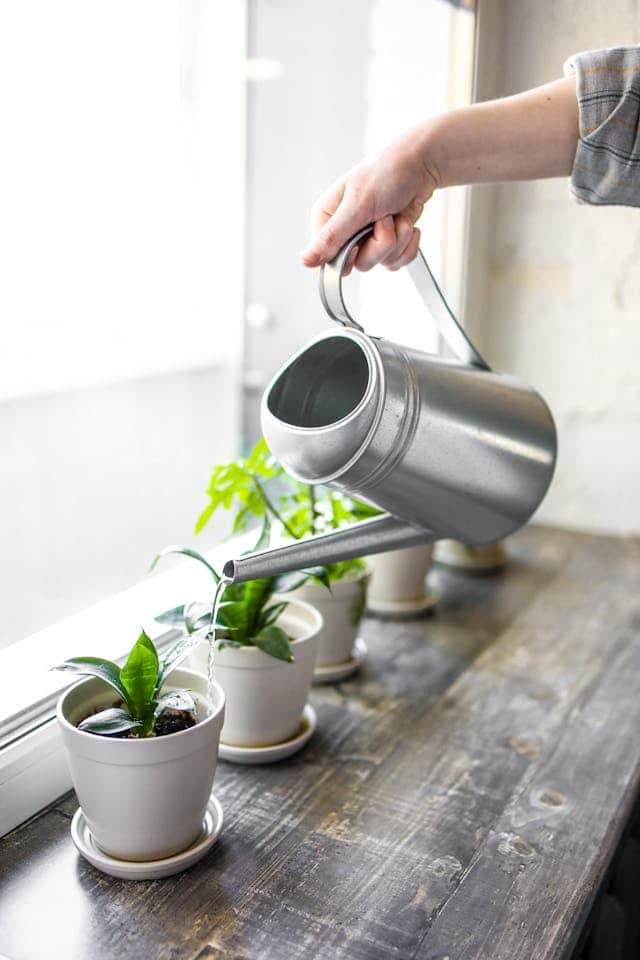
Understanding the water requirements for indoor plants is essential for keeping your plants healthy and thriving. Water plays a vital role in transporting nutrients from the soil to different parts of the plant, maintaining cell structure, and supporting overall growth. Without proper watering, plants can quickly become stressed, leading to drooping, yellowing leaves, or even root damage.
However, not all indoor plants need the same amount of water. Some plants prefer consistently moist soil, while others thrive in drier conditions. Factors like plant type, pot size, soil mix, and indoor environment all influence how often and how much you should water.
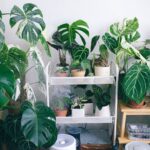
Indoor plants can generally be grouped into three main categories: houseplants, which often prefer moderate watering; vegetables, which usually need more consistent moisture for growth and yield; and succulents, which store water and require less frequent watering. Understanding these differences helps you avoid common mistakes like overwatering or underwatering.
How Often Should You Water Indoor Plants?
One of the most common questions plant owners have is how often to water—but the truth is, there’s no fixed schedule that works for every plant. Instead of watering on specific days, it’s better to check the soil moisture. Stick your finger about 1–2 inches into the soil, if it feels dry, it’s time to water; if it’s still moist, wait a bit longer.
Factors That Affect Watering Frequency:
Watering needs can vary depending on several important factors. Plant type plays a major role, leafy houseplants usually prefer slightly moist soil, vegetables need consistent watering for healthy growth, while succulents store water and require less frequent watering. Pot size also matters, as smaller pots dry out faster than larger ones.
Seasonal changes affect watering as well. During summer, plants grow more actively and lose moisture faster, so they may need more frequent watering. In contrast, during winter, growth slows down and plants require less water.
Finally, indoor conditions like temperature, humidity, and airflow can influence how quickly soil dries out. Warm, dry rooms will require more frequent watering, while cooler or more humid environments help retain moisture longer.
Understanding these factors helps you adjust your watering routine naturally, ensuring your indoor plants stay healthy without the risk of overwatering or underwatering.
Signs Your Indoor Plants Need Water
Knowing when your plants need water is just as important as how often you water them. Instead of following a strict schedule, it’s best to watch for natural signs that your plant is getting thirsty.
Dry Soil:
One of the easiest ways to tell if your plant needs water is by checking the soil. If the top 1–2 inches feel dry to the touch, it’s usually time to water. Completely dry soil may also start to pull away from the edges of the pot.
Drooping Leaves:
Plants often droop or look slightly wilted when they need water. Leaves may feel soft and limp instead of firm. However, keep in mind that drooping can also be a sign of overwatering, so always check the soil first.
Slow Growth:
If your plant’s growth has slowed down or stopped during its active growing season, it could be due to insufficient watering. Lack of water limits nutrient movement, which affects overall plant development.
Signs of Overwatering
Overwatering is one of the most common mistakes in indoor plant care. Giving plants too much water can suffocate the roots, prevent proper oxygen flow, and lead to serious issues if not corrected early.
Yellow Leaves:
One of the first signs of overwatering is yellowing leaves, especially older ones. Unlike underwatering, where leaves look dry and crispy, overwatered leaves often appear soft, pale, and may drop off easily.
Root Rot:
Excess moisture can cause roots to rot due to lack of oxygen. Affected roots turn brown or black and become mushy, which prevents the plant from absorbing water and nutrients properly. This can eventually kill the plant if not treated.
Moldy Soil:
If you notice mold, fungus, or a musty smell coming from the soil, it’s a clear sign of too much moisture. Constantly wet soil creates the perfect environment for fungal growth and pests.
Catching these signs early and adjusting your watering routine can help prevent long-term damage and keep your indoor plants healthy.
Water Requirements for Houseplants
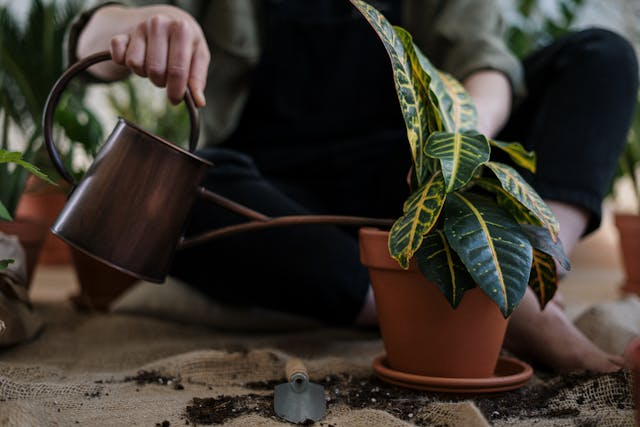
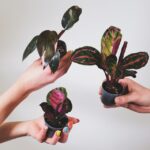
Houseplants like Heartleaf Philodendron and Pink Princess Philodendron have varying water needs, but most thrive with a consistent yet moderate watering routine. Generally, watering once a week is sufficient for many common houseplants, though this can vary depending on factors like indoor humidity, pot size, and season.
Tips for Watering Houseplants:
- Let the topsoil dry: Before watering again, check that the top 1–2 inches of soil are dry to avoid overwatering.
- Use well-draining pots: Pots with drainage holes prevent water from pooling at the bottom, reducing the risk of root rot.
- Adjust for seasons: Plants may need less water during winter when growth slows.
Indoor Plants Watering Requirements Chart
| Plant Name | Watering Frequency | Soil Moisture Preference | Notes |
|---|---|---|---|
| African Violet | Every 5–7 days | Slightly moist | Avoid wetting leaves; water from bottom |
| Alocasia | Every 4–7 days | Moist but well-drained | Doesn’t like drying out completely |
| Anthurium | Every 5–7 days | Lightly moist | Let top inch dry before watering |
| Begonia | Every 4–6 days | Slightly moist | Sensitive to overwatering |
| Calathea | Every 3–5 days | Consistently moist | Prefers high humidity |
| Hoya | Every 7–10 days | Allow soil to dry slightly | Drought-tolerant compared to others |
| Ficus (e.g., Rubber Plant) | Every 5–10 days | Slightly moist | Reduce watering in winter |
| Syngonium | Every 5–7 days | Slightly moist | Can tolerate brief dryness |
| Monstera | Every 5–10 days | Let top 1–2 inches dry | Avoid soggy soil |
| Peace Lily | Every 3–5 days | Moist | Wilts quickly when underwatered |
| Peperomia | Every 7–10 days | Allow soil to dry partially | Sensitive to overwatering |
| Phalaenopsis (Orchid) | Every 7–10 days | Lightly moist | Water less in cooler months |
| Philodendron (Vining) | Every 5–7 days | Slightly moist | Easy to maintain |
| Philodendron (Climbing) | Every 5–7 days | Slightly moist | Needs good drainage |
| Pothos | Every 5–10 days | Let soil dry between watering | Very forgiving plant |
| Sansevieria (Snake Plant) | Every 2–3 weeks | Dry completely | Highly drought-tolerant |
| ZZ Plant | Every 2–3 weeks | Dry completely | Stores water in roots |
| Aloe Vera | Every 2–3 weeks | Dry completely | Avoid frequent watering |
| Jade Plant | Every 2–3 weeks | Dry completely | Succulent; needs minimal water |
| Spider Plant | Every 5–7 days | Slightly moist | Avoid letting soil dry fully |
| Boston Fern | Every 3–5 days | Consistently moist | Needs frequent watering |
Tips for Using This Chart:
- These are general guidelines, always check soil before watering.
- Environmental factors like temperature, humidity, and pot size can change watering needs.
- Overwatering is the most common mistake, when in doubt, wait a day before watering.
Water Requirements for Indoor Vegetables
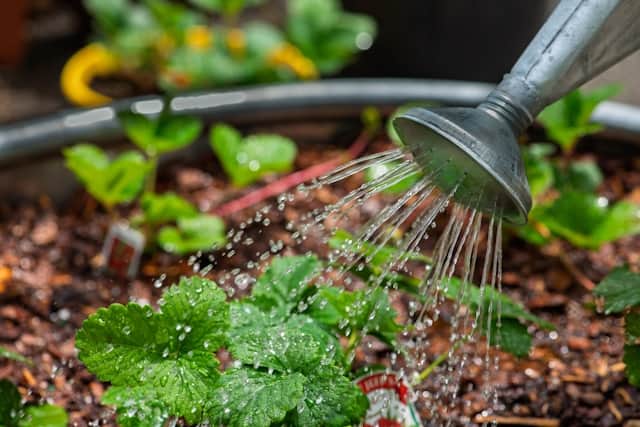
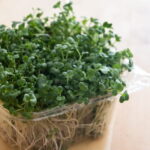
Indoor vegetables like Spinach, Coriander, Cherry Tomatoes, and Green Onions require consistent watering to thrive. Unlike succulents, these plants prefer soil that stays evenly moist, but not soggy, to support healthy growth. Proper watering directly impacts the yield, flavor, and overall quality of your harvest, so getting the balance right is crucial.
Tips for Watering Indoor Vegetables:
- Keep soil evenly moist: Check soil daily, especially for fast-growing leafy greens like spinach.
- Avoid waterlogging: Too much water can lead to root rot or poor nutrient uptake.
- Adjust watering with growth stage: Seedlings and young plants may need more frequent watering than mature plants.
Water Requirements for Succulents
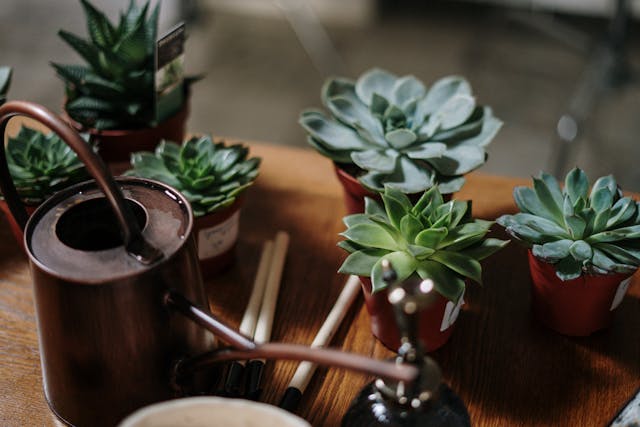
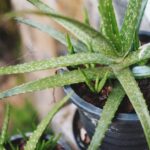
Succulents, such as Aloe Vera, have very low watering needs and are adapted to store water in their leaves. The key to keeping them healthy is to water only when the soil is completely dry. Overwatering is the most common mistake and can easily lead to root rot or other problems.
Tips for Watering Succulents:
- Check soil dryness: Insert your finger about an inch into the soil; only water if it feels completely dry.
- Use well-draining soil and pots: This prevents water from sitting around the roots.
- Avoid frequent watering: Less is more, succulents thrive on neglect compared to most houseplants.
Best Watering Techniques for Indoor Plants
Proper watering techniques are essential to keep your indoor plants healthy and thriving. The right method ensures roots get enough moisture without risking overwatering, which is a common problem. Here’s a closer look at the best watering practices:
Bottom Watering vs Top Watering
- Top watering: This is the most common method where you pour water directly onto the soil surface. It’s quick and effective for most houseplants. Make sure the water reaches all areas of the pot and avoid letting it sit on leaves, which can encourage fungal growth.
- Bottom watering: Place the pot in a shallow tray of water and allow the soil to absorb moisture from the bottom. This encourages roots to grow downward toward the water, promoting stronger root systems. It also prevents water from stagnating on the surface, reducing the risk of mold or root rot.
Top Watering — Pros & Cons
| Pros | Cons |
|---|---|
| Quick and convenient for most plants | Water can splash onto leaves, risking fungal disease |
| Flushes out excess salts and mineral buildup from soil | Uneven watering if water channels through one spot |
| Easy to gauge how much water you’re giving | Can compact soil surface over time |
| Works well for nearly all plant types | May encourage shallow root growth |
| Good for plants that need frequent, light watering | Easy to accidentally overwater |
Bottom Watering — Pros & Cons
| Pros | Cons |
|---|---|
| Encourages deep, downward root growth | Takes longer than top watering |
| Reduces risk of mold, root rot, and fungal issues | Salts and minerals can build up in soil over time |
| Keeps foliage dry and healthy | Not practical for very large or heavy pots |
| Ensures even moisture distribution throughout soil | Requires a tray or container to soak the pot in |
| Great for moisture-sensitive plants like succulents | Easy to forget and leave pot sitting too long |
Using Room Temperature Water
- Water that is too cold or too hot can shock plant roots and slow growth. Room temperature or slightly lukewarm water is ideal because it allows roots to absorb water and nutrients more efficiently. This is especially important for sensitive plants like philodendrons or leafy greens.
Proper Drainage
- Always use pots with drainage holes and well-draining soil. Proper drainage prevents water from accumulating at the bottom of the pot, which can suffocate roots and lead to rot. Adding materials like perlite, sand, or small pebbles can improve soil drainage for most indoor plants.
How to Optimize Watering for Healthy Growth
To help your indoor plants thrive, it’s important to match your watering routine with other growing conditions. Overwatering or underwatering can often be avoided by considering factors like light, soil, and humidity.
Match Watering with Light
Plants that receive more light generally need more water because sunlight increases evaporation and encourages faster growth. Conversely, plants in low-light areas grow more slowly and require less frequent watering. Check out our Indoor Plant Light Guide for tips on how to adjust watering based on light levels.
Match Watering with Soil Type
The type of soil affects how quickly water drains and how long it stays available to roots.
- Well-draining soil: Drains quickly; plants may need more frequent watering.
- Clay or dense soil: Holds water longer; reduce watering frequency to avoid root rot.
Match Watering with Humidity
Indoor humidity levels also influence how fast soil dries out. High humidity slows evaporation, meaning your plants will need less water. Low humidity, common in heated or air-conditioned rooms, can dry out soil quickly, requiring more frequent watering.
Frequently Asked Questions
How much water do indoor plants need a day?
The amount varies by plant type, size, and pot. Most houseplants need water only when the top 1–2 inches of soil are dry. Consistent moisture is key for vegetables, while succulents need very little.
What is the best way to water indoor plants?
Use top watering for most houseplants and bottom watering for deep-rooted plants. Always use room temperature water and ensure proper drainage to prevent root rot.
How many times a week should you water a plant?
Typically, houseplants need watering once a week, vegetables may need more frequent watering, and succulents require water only every 2–3 weeks depending on soil dryness.
Is 2 cups of water enough for a plant?
It depends on the plant size and pot. Small houseplants may only need 2 cups, but larger pots or thirsty vegetables may require more. Always check soil moisture before watering.
What is the best time to water plants?
The ideal time is early morning or late afternoon, when evaporation is slower, allowing plants to absorb water efficiently.
Does putting sugar in water help plants?
No, sugar can harm plants by feeding harmful microbes in the soil and disrupting nutrient absorption. Stick to plain water for healthy growth.
How to avoid overwatering indoor plants?
Allow the topsoil to dry before watering, use pots with drainage holes, and adjust watering based on the plant type, light, soil, and humidity to keep your plants healthy.
How to tell if a plant is thirsty?
Signs include wilting, dry or crunchy leaves, slow growth, or soil that pulls away from the pot edges. Check the soil before watering to confirm.
Do succulents need water every week?
No, succulents like Aloe Vera need water only when the soil is completely dry, usually every 2–3 weeks depending on temperature and humidity.
Can I water plants daily?
Daily watering is usually unnecessary and can cause root rot, especially for houseplants and succulents. Only water daily if soil dries very quickly, like in small pots or very hot, dry environments.