
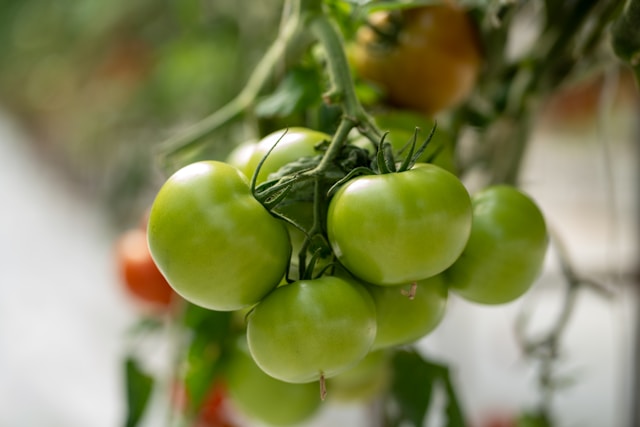
If your tomatoes not turning red are leaving you frustrated, you’re not alone. Many home gardeners eagerly wait for that bright, juicy color, only to see their tomatoes stay stubbornly green or pale for weeks.
The truth is, tomato ripening isn’t always straightforward. Factors like temperature, sunlight, plant health, and even timing can all affect how and when your tomatoes change color. This often leads to confusion about whether your tomatoes are still growing, stuck, or ready to pick.
In this guide, we’ll break down the real reasons behind tomatoes not turning red, how to fix the problem, and exactly when and how to harvest them for the best flavor.
In This Article
How Tomatoes Ripen (Quick Explanation)
Tomatoes don’t turn red overnight, ripening is a natural process controlled by plant hormones and environmental conditions. Understanding this will help you figure out why your tomatoes may be slow to change color.
Ethylene Gas
Ripening is mainly triggered by ethylene gas, a natural plant hormone produced by tomatoes as they mature. Once a tomato reaches a certain stage, it begins producing more ethylene, which signals the fruit to soften, develop flavor, and change from green to red.
This is why even after picking, tomatoes can continue to ripen if they’ve already started producing ethylene.
If you want to study the relationship between tomato ripening and ethylene gas, check out this informative blog.
Temperature
Temperature plays a huge role in ripening speed. Tomatoes ripen best between 68–77°F (20–25°C).
- If it’s too hot (above 30°C / 86°F), ripening can slow down or stop
- If it’s too cold, the process also delays
Extreme temperatures are one of the most common reasons for tomatoes not turning red.
Sunlight
Sunlight helps the plant grow and produce energy, but interestingly, tomatoes don’t need direct sunlight to ripen once they’ve matured.
However, low sunlight can slow overall plant development, which indirectly delays ripening. Healthy plants with good light exposure tend to produce and ripen fruit more efficiently.
7 Reasons Your Tomatoes Are Not Turning Red
If your tomatoes not turning red are testing your patience, one (or more) of these common issues is likely the cause. The good news? Most of them are easy to fix once you know what to look for.
1. Not Enough Sunlight
Cherry tomatoes need 6–8 hours of direct sunlight daily to grow and ripen properly. Without enough light, the plant struggles to produce the energy required for ripening.
What to do:
Move containers to a sunnier spot or trim nearby plants that may be blocking light.
If you don’t get enough sunlight in your home, check out 15 Low Light Indoor Plants That Are Easy to Grow that thrive in low-light conditions.
2. Temperatures Are Too High or Too Low
Tomatoes ripen best between 20–30°C (68–86°F).
- Above 30°C (86°F): Ripening slows or stops
- Below 20°C (68°F): Ripening becomes sluggish
Extreme temperatures can delay the color change, even if the fruit is fully grown.
What to do:
Provide shade during heatwaves or bring potted plants indoors during cold spells.
3. Overwatering or Poor Drainage
Too much water or soggy soil can stress the plant, leading to delayed ripening and sometimes even root problems.
What to do:
Let the top layer of soil dry out between watering and ensure your pots or garden beds have good drainage.
4. Too Much Nitrogen Fertilizer
Excess nitrogen encourages lush green leaves but slows down fruit ripening. Your plant may look healthy but produce stubborn green tomatoes.
What to do:
Switch to a balanced or low-nitrogen fertilizer that supports flowering and fruiting.
Switching to a balanced or low-nitrogen fertilizer that supports flowering and fruiting can make a big difference. If you’re not sure what to use, check out my guide on Homemade Fertilizers for Tomatoes: 10 Easy & Natural Recipes That Work for simple, effective options.
5. Tomatoes Are Still Immature
Sometimes, the simplest reason is timing. Some cherry tomato varieties naturally take longer to ripen.
What to do:
Be patient, once tomatoes reach full size, they usually start turning color within a couple of weeks.
6. Overcrowded Plants
When plants are too close together, they compete for sunlight, nutrients, and airflow. This can slow down both growth and ripening.
What to do:
Prune excess leaves and maintain proper spacing to improve air circulation and light exposure.
7. End-of-Season Slowdown
As the growing season ends and temperatures drop, tomato plants naturally slow down. Ripening becomes much slower in cooler weather.
What to do:
Pick mature green tomatoes and let them ripen indoors if frost or cold weather is approaching.
How to Get Tomatoes to Turn Red Faster
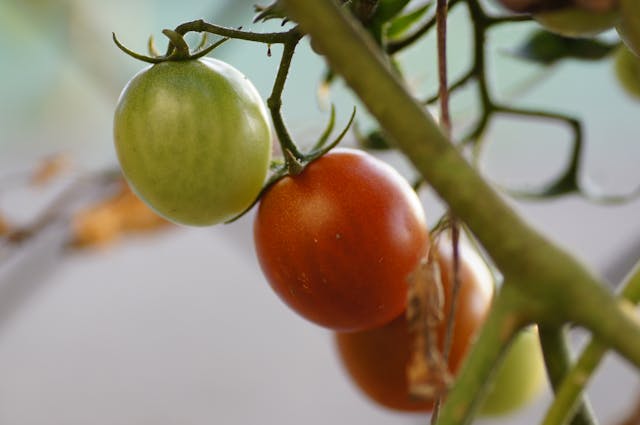
If your cherry tomatoes are taking their sweet time, a few simple adjustments can help your plant focus on ripening fruit instead of just growing leaves.
Increase Sun Exposure
Tomatoes need 6–8 hours of direct sunlight each day to ripen properly. If they aren’t getting enough light, the plant doesn’t have the energy to change green fruits into red, juicy ones. Moving pots to a brighter spot or trimming nearby shading plants can give them the boost they need.
Adjust Watering Habits
Overwatering can slow ripening, while underwatering stresses the plant. Keeping the soil consistently moist but well-drained helps tomatoes develop properly and encourages the color change.
Reduce Nitrogen Fertilizer
Too much nitrogen promotes leafy, green growth but delays fruit ripening. Switching to a balanced or low-nitrogen fertilizer once flowers appear allows the plant to focus on turning its fruits red.
Prune Excess Leaves
Extra leaves can block sunlight and reduce airflow around the fruit, which slows ripening. Pruning leaves that shade clusters helps sunlight reach the tomatoes and speeds up the color change, while still leaving enough foliage for healthy growth.
Harvest and Ripen Indoors
If the season is ending or temperatures are unpredictable, picking mature green tomatoes and letting them ripen indoors works well. Tomatoes continue producing ethylene gas after picking, naturally triggering ripening, and placing them on a sunny windowsill or in a paper bag with a ripe banana can help them turn red faster.
Following these steps will get your tomatoes turning red faster. For a more in-depth look at all the factors that affect tomato growth and ripening, especially indoors, read How to Grow Tomatoes Indoors: The Complete Care Guide (2026).
When to Harvest Tomatoes
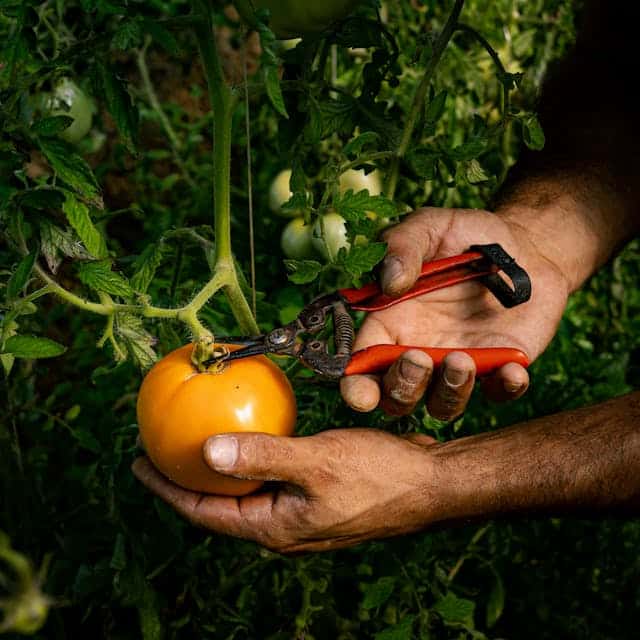
Knowing exactly when to pick your tomatoes can make the difference between bland, underdeveloped fruits and sweet, juicy bites straight from your garden. Tomatoes continue to ripen after being picked, but timing the harvest properly ensures the best flavor, texture, and sweetness. Here’s a detailed guide to help you make the call.
Harvest When Fully Red (Best Option)
The best flavor and sweetness come from tomatoes that are fully red and evenly colored. At this stage, the fruit should feel slightly soft when gently squeezed, but it shouldn’t be mushy. Fully ripe tomatoes have developed all their natural sugars and flavor compounds, making them perfect for eating fresh, adding to salads, or cooking. Waiting for full ripeness on the vine also allows the plant to use its energy efficiently and can sometimes encourage later fruits to develop faster.
However, if you’re dealing with pest problems, it’s not always a good idea to wait this long. Ripe tomatoes are more attractive to insects and can get damaged quickly. In that case, harvesting at the breaker stage (partially red) is a safer option, as the fruit will continue to ripen indoors without as much risk of being attacked.
Harvest at the “Breaker Stage” (Half Green, Half Red)
Sometimes, it’s helpful to pick tomatoes before they are fully red, this is called the breaker stage, where the tomato is half green and half red. Tomatoes at this stage are mature enough to continue ripening off the vine, which is useful if pests are attacking your plants, or if the weather is turning cold and frost is approaching. While the flavor may not be as intense as fully vine-ripened fruit, these tomatoes will still develop good sweetness and texture if allowed to ripen indoors under proper conditions.
Harvest Green (Only If Necessary)
In certain situations, you may need to pick fully green tomatoes. This usually happens at the end of the growing season, if frost is on the way, or if the plant is stressed and may not survive longer. Green tomatoes can still ripen indoors, though it takes longer. Place them on a sunny windowsill or store them in a paper bag with a ripe fruit like a banana, which emits ethylene gas to speed up the ripening process. Even green tomatoes picked early can become flavorful and red with the right care.
Signs Tomatoes Are Ready to Pick
Beyond color, there are several other ways to know when your tomatoes are ready. The fruit should have a deep, vibrant hue, red, yellow, or orange depending on the variety, and a slight give when gently squeezed. Ripe tomatoes come off the vine easily without tugging, and the skin often has a healthy, glossy sheen. Paying attention to these signs ensures you’re picking at the peak of freshness and flavor.
When NOT to Harvest
Avoid picking tomatoes too early. Hard, dark green fruits that haven’t reached full size or maturity will not ripen properly off the vine and may lack flavor. Picking too soon can also stress the plant, slowing the development of other fruits. Give your tomatoes time to reach at least the breaker stage before considering harvesting, unless there’s a pressing reason like frost or pests.
How to Ripen Tomatoes After Harvest
If you’ve picked your tomatoes early, whether at the breaker stage or fully green, they can still ripen beautifully off the vine with a little help.
Keeping tomatoes at room temperature is the most important step. Cold temperatures slow down or completely stop the ripening process, so placing them on a kitchen counter or windowsill works best. Over a few days, you’ll notice them gradually changing color and softening.
For faster results, placing tomatoes in a paper bag helps trap the natural ethylene gas they release, which speeds up ripening. To boost this effect even more, you can add a ripe banana or apple to the bag, as these fruits produce extra ethylene and help tomatoes turn red quicker.
One thing to avoid is the refrigerator. While it might seem like a good way to store them, cold temperatures ruin the texture and flavor, leaving tomatoes mealy and less sweet. It’s always better to let them ripen naturally first, and only refrigerate if they are fully ripe and you need to store them longer.
While you wait for your tomatoes to ripen, consider growing other quick-harvest vegetables indoors. Learn how to grow green onions and spinach easily at home.
How Long Do Tomatoes Take to Turn Red?
Cherry tomatoes typically take about 20–30 days after the fruit forms to fully ripen and turn red. This timeline can vary depending on the variety, growing conditions, and weather.
If your plants are getting plenty of sunlight, proper watering, and ideal temperatures, ripening will usually stay within this range. However, factors like extreme heat, cooler temperatures, or plant stress can slow things down, making it feel like your tomatoes are taking forever to change color.
It’s also worth noting that tomatoes often grow to full size first and then begin the ripening process, so even if they look ready, the color change can take a little extra patience. As long as the fruit is healthy and developing normally, a slight delay is completely natural.
Common Mistakes to Avoid
Sometimes, it’s not a big problem but small mistakes that slow down ripening. Avoiding these can make a noticeable difference in how quickly your cherry tomatoes turn red.
Overfeeding
Giving your plants too much fertilizer, especially high in nitrogen, can lead to lots of leafy growth but very slow fruit ripening. The plant keeps focusing on producing leaves instead of putting energy into turning tomatoes red, which is why you may see big, healthy plants with stubborn green fruit.
Overwatering
Too much water can stress the plant and dilute the nutrients in the soil, slowing down the ripening process. Constantly wet soil can also lead to weak roots and other issues that affect fruit development. Keeping the soil consistently moist, rather than soggy, helps tomatoes ripen more naturally.
Shading Plants
Tomatoes need plenty of sunlight to ripen properly. If your plants are shaded by walls, trees, or even other plants, they won’t get enough energy to turn red. Poor light exposure often leads to slower growth and delayed ripening, even if everything else is done right.
Frequently Asked Questions
Why are my tomatoes still green after weeks?
Tomatoes may stay green due to extreme temperatures, lack of sunlight, or too much nitrogen fertilizer. These factors slow down the natural ripening process, even if the fruit has already reached full size.
Can tomatoes ripen without sunlight?
Yes, tomatoes can ripen without direct sunlight once they have reached the mature stage. Ripening is mainly controlled by ethylene gas, not sunlight, which is why tomatoes can turn red indoors.
Do tomatoes turn red after picking?
Yes, tomatoes will continue to ripen after picking if they’ve reached the mature green or breaker stage. They produce ethylene gas, which helps them gradually change color off the vine.
When should I pick tomatoes?
Tomatoes are best picked when they are fully colored and slightly soft. You can also harvest them at the breaker stage (partially red) if needed, and let them ripen indoors.
How come my tomatoes are not turning red?
Tomatoes may not turn red due to high heat, low temperatures, insufficient sunlight, overwatering, or excess nitrogen. These conditions slow or stop the ripening process.
How do I encourage tomatoes to ripen?
To encourage ripening, ensure your plants get plenty of sunlight, proper watering, and balanced fertilizer. You can also prune excess leaves and, if needed, pick mature tomatoes and let them ripen indoors.
What to do with tomatoes that haven’t ripened?
Unripe tomatoes can be brought indoors and kept at room temperature to ripen. Placing them in a paper bag with a banana or apple can help speed up the process.
What makes tomatoes turn red faster?
Tomatoes ripen faster with warm temperatures, good airflow, and ethylene exposure. Adding a ripe banana or storing them in a paper bag can speed things up.
What chemical makes tomatoes red?
The natural plant hormone ethylene gas triggers ripening, while the red color comes from a pigment called lycopene, which develops as the tomato matures.
Do bananas help ripen tomatoes?
Yes, bananas release ethylene gas, which can speed up the ripening process. Placing tomatoes in a paper bag with a ripe banana helps them turn red faster.