
Understanding the light requirements for indoor plants is the first step to creating a thriving indoor garden. Light isn’t just a nice bonus, it’s what fuels photosynthesis, the process that helps plants grow healthy leaves, vibrant flowers, and even fruits. Different plants have different needs, and providing the right amount and type of light can make the difference between a flourishing plant and one that struggles to survive.
Whether you’re caring for leafy houseplants, growing your own indoor vegetables, or nurturing sun-loving succulents, knowing how much light each plant type needs is essential. In this guide, we’ll break down the best lighting conditions for every kind of indoor plant, helping you create a green space that truly thrives.
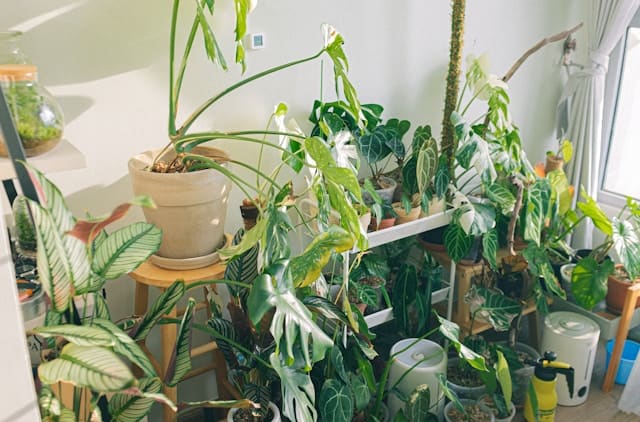
Table of Contents
What Are Light Requirements for Indoor Plants?
Light is like food for indoor plants, it’s what fuels their growth and keeps them healthy and vibrant. With the right amount of light, they can produce lush leaves, beautiful flowers, and even fruits. But without enough, plants can start to droop, stretch out, or struggle to thrive.
Indoor plants rely on two main types of lighting:
- Natural Light – Sunlight entering through windows provides full-spectrum light, ideal for most indoor plants. The intensity and duration vary depending on the direction your windows face.
- Artificial Light – Grow lights, LED panels, and fluorescent bulbs can supplement or replace sunlight, especially in rooms with low natural light or during winter months.
Understanding light requirements for indoor plants helps you provide the right environment for different plant types. Broadly, indoor plants fall into three categories:
- Houseplants – Typically grown for foliage or ornamental purposes; examples include pothos, monstera, and philodendrons.
- Vegetables – Indoor vegetables like tomatoes, spinach, or herbs need higher light intensity to produce edible yields.
- Succulents – These sun-loving plants, such as aloe and echeveria, require bright light to maintain their compact shape and vibrant colors.
By matching the plant type with appropriate light conditions, you can ensure healthy growth, vibrant leaves, and a thriving indoor garden.
Understanding Light Intensity, Duration & Direction
Not all indoor plants need the same amount of light. Understanding light intensity, duration, and direction is key to helping your plants thrive.
Light Intensity:
- Low-light plants – These plants, like snake plants and pothos, can survive in shaded corners or rooms with indirect sunlight.
- Medium-light plants – Examples include peace lilies and spider plants; they do well near bright windows but not in direct sun.
- High-light plants – Succulents, tomatoes, and herbs need strong, direct sunlight to grow healthy and maintain vibrant colors.
Light Duration:
- Low-light plants generally need 6–8 hours of indirect light.
- Medium-light plants thrive with 8–10 hours of bright, filtered light.
- High-light plants usually require 10–12 hours of direct sunlight or equivalent artificial lighting.
Window Direction:
- North-facing windows: Provide soft, indirect light, perfect for low-light plants like snake plants and pothos.
- South-facing windows: Offer the brightest sunlight, ideal for high-light plants such as succulents, tomatoes, and herbs.
- East-facing windows: Receive gentle morning sun, making them great for medium-light plants like spider plants and peace lilies.
- West-facing windows: Get strong afternoon sun, suitable for plants that can handle moderate to high light exposure.
If you’re looking for plants that thrive in lower light conditions, check out our guide on 15 Low Light Indoor Plants That Are Easy to Grow.
Light Requirements for Houseplants
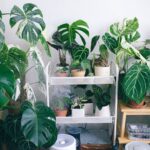
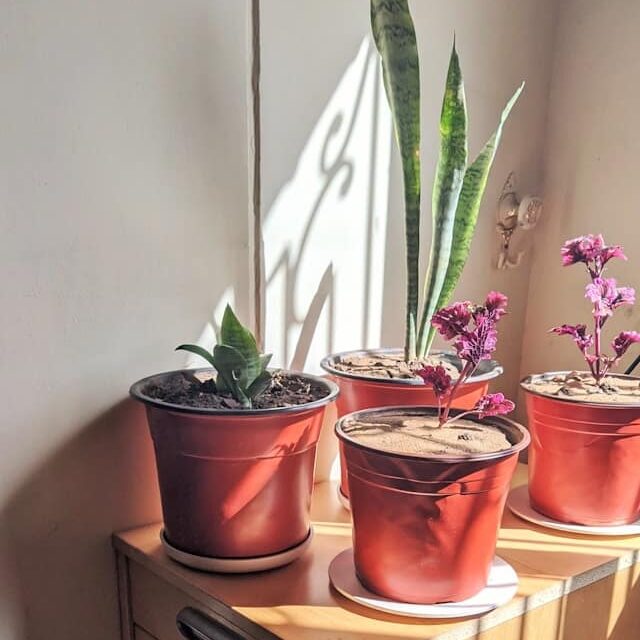
Houseplants like pothos, spider plants, and monstera generally prefer low to medium light, making them ideal for indoor spaces that don’t get direct sunlight. Providing the right amount of light helps these plants maintain vibrant leaves, strong stems, and steady growth.
Measuring and Providing the Right Light:
To determine if your houseplants are getting enough light, observe the natural sunlight in the room throughout the day. One easy method is the shadow test, place your hand above the plant. If it casts a faint shadow, the light is bright enough; if the shadow is barely visible, the plant is in low light. Rotating your plants occasionally also ensures that all sides receive equal light and prevents uneven growth.
Supplementing with Grow Lights:
If your indoor space doesn’t get sufficient sunlight, using LED or fluorescent grow lights can help your houseplants thrive. Position the lights about 12–18 inches above your plants and leave them on for roughly 8–10 hours daily. This mimics natural daylight and encourages healthy foliage development.
If you want to learn which philodendrons thrive in different light conditions, check out 15 Best Types of Philodendrons to Grow Indoors.
Light Requirements for Indoor Vegetables
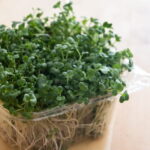
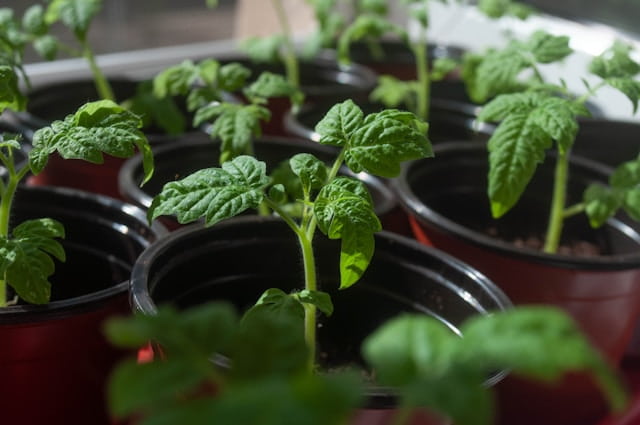
Indoor vegetables like spinach, cherry tomatoes, and green onions need bright, consistent light to grow healthy, produce flavorful leaves or fruits, and yield a good harvest. Unlike most houseplants, vegetables are more sensitive to insufficient light, they can become leggy, produce fewer leaves, or fail to develop fruit properly if they don’t get enough.
How Light Affects Growth, Yield, and Flavor:
Light is not just for growth; it directly impacts the quality of your vegetables. Adequate light encourages strong stems, vibrant leaves, and, in fruiting plants like cherry tomatoes, better flavor and higher yields. Without enough light, vegetables may grow slowly, taste bland, or remain small.
Tips for Placing Vegetable Containers Indoors:
When growing vegetables indoors, place your containers near a south- or west-facing window to maximize sunlight exposure. If natural light is limited, supplement with full-spectrum LED or fluorescent grow lights for 10–12 hours a day. Rotating containers regularly ensures even light distribution and prevents uneven growth.
For best results, monitor your plants closely: leaves should appear healthy and vibrant, and stems should be sturdy, not stretched or weak. Proper light makes all the difference between a flourishing indoor vegetable garden and one that struggles to thrive.
For detailed tips on light, growth, and care, check out our full guides for Green Onions, Cherry Tomatoes, Spinach, and Coriander.
Light Requirements for Succulents
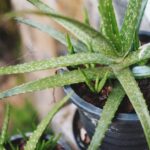
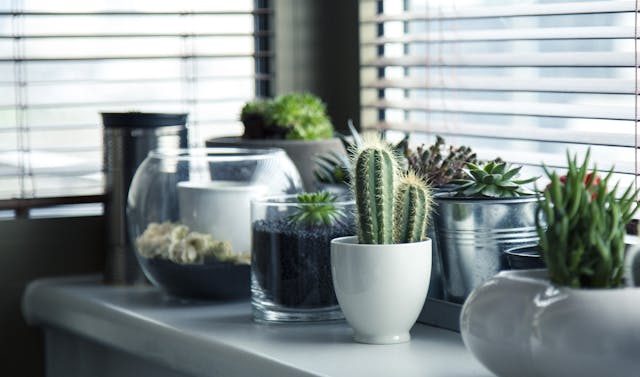
Succulents like Aloe Vera, Echeveria, and Haworthia thrive in bright, direct light, making them some of the sunniest indoor plants you can grow. These plants store water in their leaves and stems, which allows them to handle intense light, but it also means they rely heavily on sufficient sunlight to maintain compact shapes, vibrant colors, and healthy growth.
Why Succulents Need Bright Light:
Insufficient light can cause succulents to stretch out, lose their natural form, and appear pale or weak. Bright light helps them maintain their signature rosette shapes, rich colors, and sturdy leaves. Without it, succulents become “leggy” and more susceptible to disease.
Avoiding Sunburn with Artificial Lights:
When using grow lights, it’s important to avoid placing succulents too close to intense light sources. Keep LED or fluorescent lights about 12–18 inches above the plants, and start with shorter exposure times, gradually increasing to mimic natural sunlight. This prevents leaf burn while still giving your succulents the energy they need to thrive indoors.
How to Optimize Indoor Light for All Plants
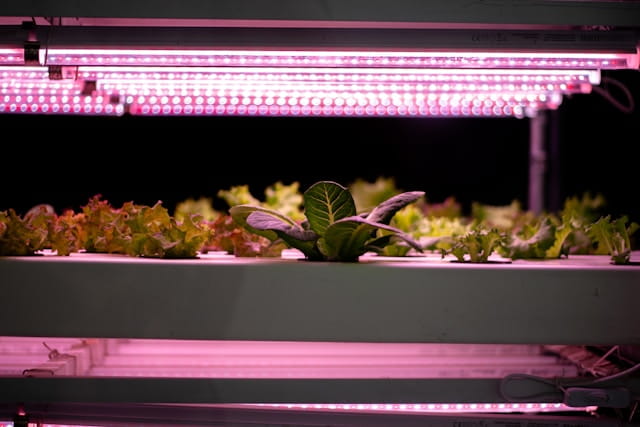
Creating the ideal lighting environment indoors often requires a combination of natural and artificial light. Natural sunlight provides full-spectrum light, but not all spaces get enough of it throughout the day. Supplementing with grow lights ensures your plants receive consistent energy, regardless of window placement or seasonal changes.
Using Grow Lights Effectively:
Choose the right type of grow light for your plants, LEDs are energy-efficient and produce less heat, while fluorescent lights are affordable and widely available. Position lights about 12–18 inches above your plants, and adjust duration depending on plant type: low-light houseplants may need 8–10 hours, while vegetables and succulents often require 10–12 hours of light daily.
Want to see how grow lights work in practice? Learn the best methods for your Philodendron Pink Princess in Best Grow Lights for Pink Princess Philodendron (How to Use Them Correctly).
Recognizing Light Issues:
Plants give clear signs when their lighting isn’t ideal. Too little light can make leaves pale, stems stretch out, or growth slow. Too much light may cause leaf burn, faded colors, or dry, crispy edges. Monitoring your plants and adjusting light intensity or duration accordingly ensures all your indoor greenery stays healthy and vibrant.
Indoor Plant Light Requirements Chart
Light is one of the most important factors for indoor plant health, but each plant has its own range of tolerance. This indoor plant light requirements chart helps you understand the minimum, optimal, and maximum light levels for popular indoor plants:
- Minimum: The lowest light a plant can survive in, though growth may be slow.
- Optimal: The ideal light for healthy growth, vibrant leaves, and flowering or fruiting (if applicable).
- Maximum: The highest light a plant can tolerate without damage, such as leaf burn or fading.
Use this chart to position your plants correctly near windows or under grow lights, ensuring they thrive in your indoor space.
| Plant Name | Minimum Light (FC / µmol) | Optimal Light (FC / µmol) | Maximum Light (FC / µmol) |
|---|---|---|---|
| African Violet | 200 FC (40 µmol) | 400 FC (80 µmol) | 1000–1200 FC (200–240 µmol) |
| Alocasia | 200 FC (40 µmol) | 400 FC (80 µmol) | 2000–5000 FC (400–1000 µmol) |
| Anthurium | 100 FC (20 µmol) | 400 FC (80 µmol) | 1500–2000 FC (300–400 µmol) |
| Begonia | 200 FC (40 µmol) | 400 FC (80 µmol) | 2000–2500 FC (400–500 µmol) |
| Calathea | 200 FC (40 µmol) | 400 FC (80 µmol) | 1000–1200 FC (200–240 µmol) |
| Hoya | 100 FC (20 µmol) | 400 FC (80 µmol) | 1500–2500 FC (300–500 µmol) |
| Ficus (e.g., Fiddle Leaf) | 400 FC (80 µmol) | 800 FC (160 µmol) | 2000–6000 FC (400–1200 µmol) |
| Syngonium | 100 FC (20 µmol) | 200 FC (40 µmol) | 1500–3000 FC (300–600 µmol) |
| Monstera | 100 FC (20 µmol) | 400 FC (80 µmol) | 1000–2500 FC (240–500 µmol) |
| Peace Lily | 50 FC (10 µmol) | 200 FC (40 µmol) | 1500–2500 FC (300–500 µmol) |
| Peperomia | 100 FC (20 µmol) | 200 FC (40 µmol) | 1500–3000 FC (300–600 µmol) |
| Phalaenopsis (Orchid) | 200 FC (40 µmol) | 400 FC (80 µmol) | 1000–1500 FC (200–300 µmol) |
| Philodendron (Vining) | 100 FC (20 µmol) | 200 FC (40 µmol) | 1500–3000 FC (300–600 µmol) |
| Philodendron (Climbing) | 200 FC (40 µmol) | 400 FC (80 µmol) | 1500–2500 FC (300–500 µmol) |
| Pothos (Epipremnum / Scindapsus) | 100 FC (20 µmol) | 200 FC (40 µmol) | 3000–5000 FC (600–1000 µmol) |
| Sansevieria (Snake Plant) | 100 FC (20 µmol) | 200 FC (40 µmol) | 1000–6000 FC (200–1000 µmol) |
| ZZ Plant | 100 FC (20 µmol) | 200 FC (40 µmol) | 1000–2000 FC (200–400 µmol) |
| Rubber Plant (Ficus elastica) | 200 FC (40 µmol) | 400 FC (80 µmol) | 2000–4000 FC (400–800 µmol) |
| Dracaena (e.g., Marginata) | 100 FC (20 µmol) | 200 FC (40 µmol) | 1500–2500 FC (300–500 µmol) |
| Boston Fern | 100 FC (20 µmol) | 200 FC (40 µmol) | 1000–2000 FC (200–400 µmol) |
| Spider Plant | 100 FC (20 µmol) | 200 FC (40 µmol) | 1000–2000 FC (200–400 µmol) |
Frequently Asked Questions
How much light do indoor plants need?
Indoor plants need different amounts of light depending on their type. Low-light houseplants may thrive with 6–8 hours of indirect light, while vegetables and succulents usually need 10–12 hours of bright light daily.
Can succulents survive in low light?
Succulents can tolerate low light temporarily, but they will stretch, lose their vibrant colors, and grow weak. They thrive best in bright, indirect to direct light.
Which indoor vegetables grow best in limited light?
Leafy greens like spinach, lettuce, and green onions can grow in medium light conditions. Fruiting vegetables like cherry tomatoes need higher light to produce yields.
What kind of grow light do I need for my indoor plants?
Use full-spectrum LED or fluorescent grow lights that mimic natural sunlight. The wattage and height depend on your plant type and distance from the light.
Do indoor plants need direct sunlight or just light?
It depends on the plant. Low-light houseplants prefer indirect light, while succulents and fruiting vegetables often need bright, direct light for healthy growth.
Is 6 hours enough light for plants?
Six hours of indirect light may be enough for low-light houseplants, but most vegetables and succulents require more—usually 8–12 hours of bright light.
Can any LED light be used as a grow light?
Not all LEDs work for plants. Standard household LEDs often lack the full spectrum plants need. Use full-spectrum LEDs designed for plant growth.
Can plants get too much LED light?
Yes. Too much intense light can cause leaf burn, fading, or drying. Keep grow lights at the recommended distance and gradually increase exposure.
Can I use a regular lamp as a grow light?
Regular lamps provide some light, but they usually lack the correct spectrum and intensity for plant growth. Grow lights are more effective for consistent indoor plant care.
What common mistakes are made with plant lighting?
Common mistakes include: placing plants too far from light, using the wrong type of grow light, not rotating plants, overexposing light-sensitive plants, or ignoring seasonal changes in natural sunlight.