
If you’ve ever watched a perfectly healthy plant suddenly start drooping, yellowing, or dropping leaves for no obvious reason, temperature might be the culprit you’ve been overlooking. Understanding the ideal temperature for indoor plants is one of those foundational things that doesn’t get nearly enough attention, yet it can make or break your success as a plant parent. We obsess over watering schedules and lighting conditions, but our homes are full of invisible temperature fluctuations that plants feel far more acutely than we do.
From the cold draft sneaking under a windowsill in winter to the dry heat blasting from a radiator, your plant is constantly reacting to the thermal environment around it. Whether you’re nurturing lush tropical houseplants, growing vegetables on a sunny kitchen counter, or collecting low-maintenance succulents, getting the temperature right is the quiet secret behind truly thriving plants. This guide breaks it all down in a way that’s actually easy to use.
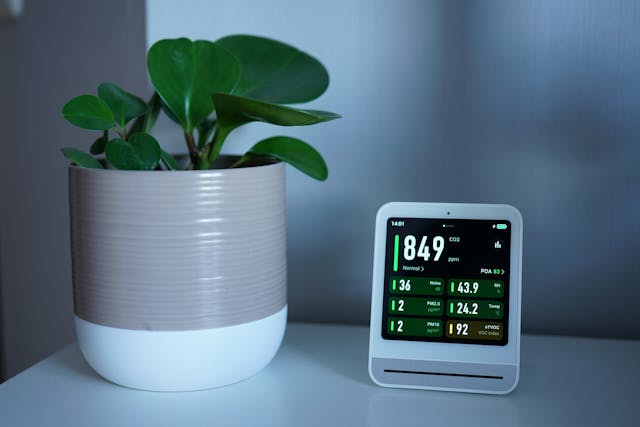
Table of Contents
What Is the Ideal Temperature for Indoor Plants?
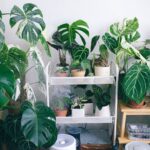
Most indoor plants aren’t as tough as they look. They come from specific climates around the world, tropical rainforests, arid deserts, Mediterranean hillsides, and they carry those temperature preferences with them long after they’ve been potted and placed on your shelf. In general, the ideal temperature for most common houseplants falls somewhere between 60°F and 80°F (15°C to 27°C), which conveniently overlaps with the range most of us keep our homes at. But “most plants” is doing a lot of heavy lifting in that sentence, because the details matter quite a bit.
Temperature isn’t just about comfort, it directly drives how a plant functions at a biological level. It controls the rate of photosynthesis, how efficiently roots absorb water and nutrients, and even how well a plant respires overnight. When temperatures climb too high, plants lose moisture faster than their roots can replace it. When it drops too low, cellular activity slows down, growth stalls, and in worse cases, cell walls can actually rupture from the cold. It’s a much more dynamic relationship than most people realize.
Different plant types also come with very different thresholds. Tropical houseplants like pothos, monsteras, and peace lilies prefer consistently warm conditions and are surprisingly sensitive to cold snaps. Vegetables grown indoors, think tomatoes, peppers, or herbs, often need specific temperature windows to flower and fruit properly. Succulents and cacti, on the other hand, are adapted to handle heat and even cool nights, making them a little more forgiving. Understanding which category your plants fall into is the first step toward giving them exactly what they need.
Why Temperature Matters for Indoor Plants
Temperature is quietly running the show in ways most plant owners never think about. When we talk about the ideal temperature for indoor plants, we’re really talking about the conditions under which a plant can perform its most basic biological functions without strain. At the heart of this is photosynthesis, the process your plant uses to convert light into energy. Temperature directly controls how fast or slow this process runs. Too cold, and the enzymes responsible for photosynthesis slow to a crawl. Too hot, and they start breaking down altogether. Either way, your plant stops thriving and starts merely surviving.
Beyond photosynthesis, temperature plays a huge role in a plant’s metabolism and how efficiently it moves water and nutrients from its roots to its leaves. In warmer conditions, water travels through the plant faster, which sounds like a good thing, but it also means moisture evaporates from leaves more quickly, putting the plant under hydration stress if the roots can’t keep up. In cooler temperatures, the opposite happens. Root activity slows down, nutrient absorption becomes sluggish, and overall growth rate drops noticeably. You might notice leaves looking dull, stems becoming weak, or new growth simply refusing to appear.
Then there’s the damage that comes from temperature extremes. A sudden cold draft from an open window or an air conditioning vent blowing directly onto a tropical plant can cause cold shock, leaves curl, brown at the edges, or drop entirely. On the other end, excessive heat causes wilting, scorched leaves, and accelerated soil drying. These aren’t just cosmetic issues; prolonged temperature stress weakens a plant’s immune system, making it far more vulnerable to pests and disease. Keeping temperatures stable and within the right range isn’t a luxury for your plants, it’s a necessity.
Ideal Temperature Range for Indoor Plants
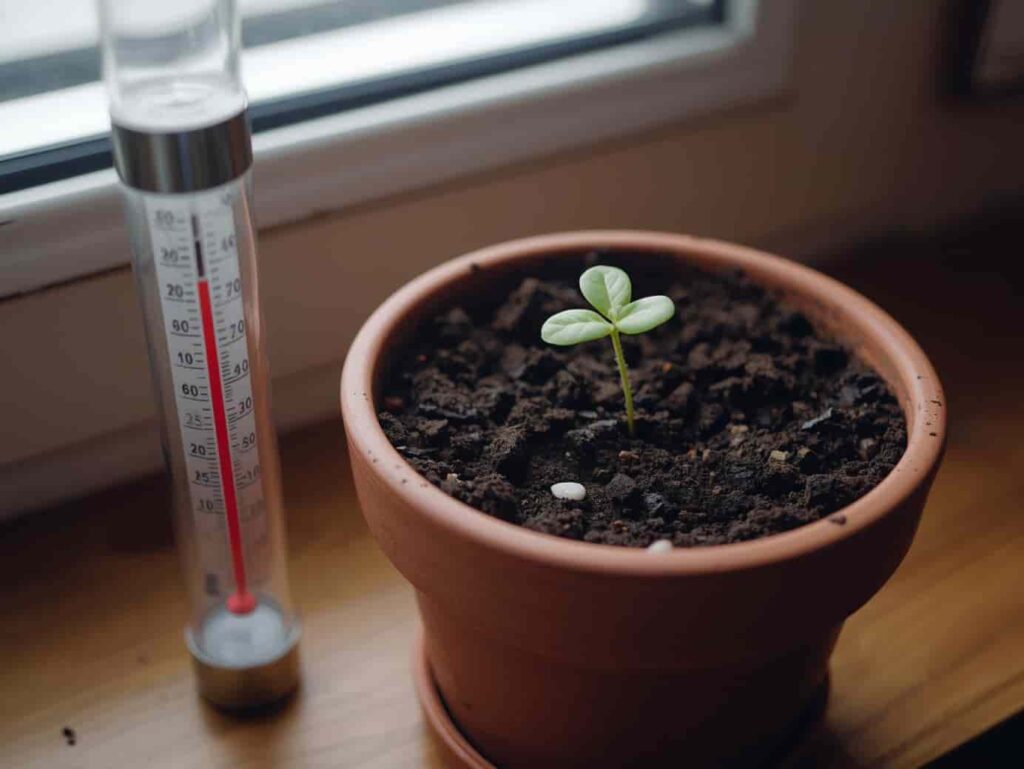
When it comes to keeping your plants happy year-round, having a clear number to work with makes everything easier. The ideal temperature for indoor plants, broadly speaking, sits between 65°F to 75°F (18°C and 24°C). This range mimics the mild, stable climates that most common houseplants originate from, and it’s comfortable enough that your own living environment naturally stays within it for much of the year. That said, this is a general guideline rather than a strict rule, some plants will push those boundaries just fine, while others are surprisingly particular about staying within a narrow window.
One thing many plant owners don’t consider is that plants actually respond differently to daytime and nighttime temperatures. During the day, warmth supports active photosynthesis and growth, so slightly higher temperatures are beneficial. At night, however, most plants prefer a modest drop, typically around 5°F to 10°F (3°C to 5°C) cooler than daytime. This natural dip slows respiration, which means the plant conserves more of the energy it produced during the day rather than burning through it overnight. In fact, for some flowering plants and fruiting vegetables, this day-to-night temperature fluctuation isn’t just preferable, it’s actually necessary to trigger blooming and fruiting cycles.
Seasons add another layer of complexity that’s easy to underestimate indoors. Even though your thermostat might stay relatively consistent, the areas near windows, exterior walls, and doors shift significantly with the weather outside. In winter, windowsills that your plants love in summer can drop to dangerously cold temperatures overnight. In summer, south-facing windows can turn into heat traps that push well beyond the comfortable range. Making small seasonal adjustments, moving plants a few feet away from cold glass in winter or providing shade during peak summer heat, can make a surprisingly big difference in how consistently your plants grow throughout the year.
Ideal Temperature for Houseplants
When it comes to everyday houseplants, stability is the golden rule. The ideal temperature for indoor plants like these generally falls between 60°F and 75°F (16°C and 24°C), and the key word there is consistent. Most popular houseplants aren’t necessarily fragile, but they are creatures of habit. They adapt beautifully to whatever environment you give them, as long as that environment doesn’t keep changing on them. It’s the unpredictability that causes the most damage, not the temperature itself.
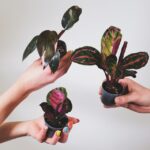
Take the heartleaf philodendron, one of the most forgiving houseplants you can own. It thrives comfortably between 65°F to 80°F (18°C and 27°C) and handles the normal warmth of most homes without complaint. The snake plant is similarly easygoing, it tolerates a wide range of temperatures and can even handle brief cooler spells, though it will slow its growth considerably below 55°F (13°C) and suffers in cold drafts. Then there’s the pink princess philodendron, a more sensitive and coveted variety that prefers steady warmth between 65°F to 78°F (18°C and 25°C). Because of its variegated leaves, it’s especially prone to stress when temperatures fluctuate, and stress on a pink princess often shows up as lost variegation, which no collector wants to see.
What unites all of these plants is a shared vulnerability to sudden temperature swings and drafts. An air conditioning vent blowing cold air directly onto a snake plant, a heartleaf philodendron sitting too close to a single-pane window in January, or a pink princess placed near a door that opens to the outside, these are the kinds of situations that trigger leaf drop, browning edges, and stunted growth almost overnight. A simple habit of checking where your drafts come from before choosing a spot for your plants can save you a lot of troubleshooting down the road.
Ideal Temperature for Indoor Vegetables
Growing vegetables indoors comes with a different set of temperature rules compared to ornamental houseplants. While most houseplants simply want stable warmth, indoor vegetables are more goal-oriented, they’re working toward germination, leafy growth, flowering, or fruiting, and each stage can have its own preferred temperature window. Getting this right has a direct impact not just on whether your plants survive, but on how much they actually produce.
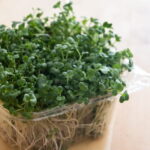
Cool-season crops like spinach and coriander prefer moderate, slightly cooler conditions between 55°F to 70°F (13°C to 21°C). Both are prone to bolting in the heat, rushing to seed and losing flavor, which is why they struggle on warm, sunny windowsills in summer. Green onions are far more adaptable, growing reliably anywhere between 55°F to 75°F (13°C to 24°C) and rarely causing trouble. Cherry tomatoes sit at the warmer end, needing a steady 65°F to 80°F (18°C to 27°C) to set fruit properly, too cold and growth stalls, too hot and flowers drop before they can pollinate. For fruiting vegetables especially, the ideal temperature for indoor plants isn’t just a comfort preference, it’s a direct yield requirement.
Ideal Temperature for Succulents
Succulents have a reputation for being nearly indestructible, and in terms of temperature they do offer more flexibility than most other indoor plants. However, “tolerant” doesn’t mean “indifferent”, they still have a clear sweet spot. The ideal temperature for indoor plants in the succulent family generally falls between 65°F to 80°F (18°C and 27°C). Within this range they grow steadily, store water efficiently, and maintain that plump, healthy appearance that makes them so appealing in the first place.
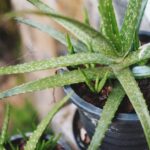
What sets succulents apart is their ability to handle mild temperature swings without the dramatic reactions you’d see in tropical houseplants. In their natural desert habitats, temperatures can shift significantly between day and night, so they’re naturally conditioned to handle some fluctuation. Aloe vera, one of the most popular succulents grown indoors, is a great example of this adaptability, it thrives comfortably between 55°F to 80°F (13°C and 27°C) and tolerates the occasional warm spike without much fuss. Most other common succulents like echeverias and jade plants behave similarly, handling moderate variation without skipping a beat.
Where succulents draw a firm line, however, is with cold. Despite their hardy reputation, most are surprisingly sensitive to low temperatures. Prolonged exposure below 50°F (10°C) causes cell damage as the water stored in their leaves begins to freeze and expand. The result is mushy, translucent patches on leaves that are impossible to reverse. Frost is almost always fatal. Keeping succulents away from cold windowsills in winter and out of air-conditioned rooms that drop too low overnight is a simple precaution that goes a long way in keeping them healthy.
Signs Your Plants Are Affected by Temperature
Plants can’t tell you when they’re uncomfortable, but they do show it, and once you know what to look for, the signs are hard to miss. Temperature stress often gets misdiagnosed as a watering problem or a nutrient deficiency because the symptoms overlap, but context is everything. If your care routine hasn’t changed but your plant suddenly starts struggling, temperature is always worth investigating first.
Leaf drop is one of the most common and alarming responses to temperature stress. When a plant experiences a sudden cold draft or an abrupt drop in room temperature, it essentially goes into survival mode, shedding leaves to reduce the surface area it needs to maintain. Tropical houseplants like philodendrons and peace lilies are particularly prone to this, and the drop can happen surprisingly fast, sometimes within a day or two of exposure to cold air from a vent or window.
Slow or stalled growth is a subtler sign but just as telling. If your plant has stopped putting out new leaves during what should be its active growing season, consistently low temperatures could be suppressing its metabolism. Root activity slows in the cold, which means nutrients aren’t being absorbed efficiently, and the plant simply doesn’t have the resources to grow. This is especially common in winter when indoor temperatures near windows and exterior walls dip lower than we realize.
Wilting and discoloration round out the most visible warning signs. Heat stress typically shows up as wilting even in well-watered soil, along with yellowing or pale, washed-out leaves. Cold stress, on the other hand, tends to produce dark, water-soaked patches, browning at the leaf edges, or a general mushy softness in the affected tissue. Neither condition reverses quickly, which is why catching the early signs and adjusting your plant’s environment promptly makes all the difference.
Signs of Temperature Stress
Not all temperature stress looks the same, and knowing the difference between heat stress and cold stress can save you from making the wrong fix at the wrong time.
| Factor | Heat Stress | Cold Stress |
|---|---|---|
| Leaves appearance | Pale, yellowing, or washed out | Dark, water-soaked, or translucent patches |
| Texture | Dry, crispy edges and tips | Mushy, soft, or limp tissue |
| Wilting | Wilts even in moist soil | Limp but doesn’t improve after watering |
| Leaf edges | Scorched, burnt-looking tips | Brown, blackened edges |
| Leaf drop | Gradual under prolonged heat | Sudden, especially in tropical plants |
| Succulents | Shriveled, dry sections | Mushy, collapsed sections |
| Stems | Weak, drooping | Blackening at the base |
| Common cause | Hot vents, direct sun, high room temp | Cold drafts, winter windowsills, AC vents |
| Recovery speed | Moderate with prompt adjustment | Slow — cell damage is often irreversible |
Sudden environmental changes are often more damaging than a consistently imperfect temperature. A plant that has slowly adapted to a slightly cool room will handle it far better than one that gets moved from a warm interior to a cold windowsill overnight. The same goes for seasonal transitions — the shift from summer to autumn catches many indoor plants off guard, especially those sitting near windows or doors. Gradual adjustments, whenever possible, give your plants the time they need to acclimate without going into shock.
How to Maintain the Right Temperature Indoors
Knowing the ideal temperature for indoor plants is only half the battle, the other half is actually maintaining it consistently in a real home environment. The good news is that you don’t need any special equipment or major changes to your space. A few mindful habits go a long way in creating a stable thermal environment that your plants can genuinely thrive in.
The most common source of temperature damage in indoor plants isn’t the weather outside, it’s the climate control inside. Air conditioning vents, radiators, and heating units create strong, localized temperature extremes that plants sitting nearby absorb directly. A tropical houseplant placed within a foot or two of a blasting AC vent is essentially being hit with cold stress repeatedly throughout the day, even if the rest of the room feels perfectly comfortable. The fix is straightforward, check where your vents and heaters are before choosing a spot for your plants, and keep at least a meter of distance between them wherever possible.
Curtains and blinds are an underrated tool for temperature management, especially through seasonal transitions. In winter, heavy curtains act as an insulating barrier between your plants and the cold glass of a window, a windowsill that feels fine during the day can drop several degrees overnight once the sun goes down. Drawing curtains after dark, or simply moving plants off the windowsill in the colder months, protects them from that overnight chill without any effort. In summer, light sheer curtains diffuse intense heat from direct sun exposure, preventing the kind of scorching that catches plant owners off guard on unexpectedly hot days.
Finally, actually monitoring your room temperature rather than assuming it is one of the simplest and most overlooked steps. Our perception of room temperature is surprisingly inaccurate, and the temperature near the floor, a window, or an exterior wall can differ significantly from what your thermostat reads. A basic digital thermometer placed near your plants gives you an accurate, real-time picture of what they’re actually experiencing, and removes the guesswork entirely. If you want to go a step further, a min/max thermometer records the highest and lowest temperatures reached over a period, which is especially useful for catching problematic overnight dips in winter.
How Temperature Works with Light, Water, Humidity and Soil
Temperature rarely acts alone, it quietly influences how every other care factor performs, making it one of the most important variables to understand in your overall plant care routine.
Light
The more light a plant receives, the more heat it absorbs. On a sunny windowsill, leaf surface temperatures can climb several degrees above the surrounding air, meaning a plant comfortable in indirect light may show heat stress the moment it moves into direct sun, even if room temperature hasn’t changed. Bright light also accelerates photosynthesis, increasing water and nutrient demands in tandem. If you’re working on getting light right alongside temperature, our indoor plant lighting guide walks through everything you need to know.
Water
Water needs shift significantly with temperature, yet most owners stick to a fixed watering schedule year-round. In warmer conditions, soil dries faster and plants transpire more, requiring more frequent watering. In cooler months, the opposite is true, overwatering in winter is one of the most common reasons houseplants decline, as lower temperatures slow water uptake and roots sit in moisture far longer than they should. Our indoor plant watering guide covers how to adjust your routine across every season.
Humidity
Warm air holds more moisture than cold air, which is why indoor humidity drops sharply in winter when heating systems run constantly, the air gets warm but stays dry. For tropical houseplants that crave both warmth and moisture, this combination causes browning tips, curling edges, and slowed growth even when everything else seems right. Addressing temperature without considering humidity often means only solving half the problem, our indoor plant humidity guide explains how to manage both together effectively.
Soil
Soil temperature plays a surprisingly important role in plant health. Air may sit at a comfortable 22°C, but soil in a terracotta pot on a cold tile floor can be several degrees cooler, enough to slow root activity and nutrient absorption significantly. Keeping pots off cold surfaces in winter and choosing pot materials thoughtfully makes a real difference to root health year-round. For a deeper look at how soil composition affects all of this, our indoor plant soil guide is a good place to start.
Fertilizer
Temperature affects how efficiently plants absorb nutrients, making proper feeding essential for healthy growth. Even if you maintain the ideal temperature for indoor plants, poor nutrition can limit development. Using the right fertilizer for indoor plants helps support strong roots, healthy leaves, and overall plant vitality.
Frequently Asked Questions
What is the coldest temperature for indoor plants?
Most indoor plants begin to suffer below 10°C (50°F). Tropical varieties like pothos and peace lilies can show cold stress damage at anything under 13°C (55°F), while succulents can handle slightly cooler conditions down to around 7°C (45°F).
At what temperature should I bring my indoor plants inside?
Bring plants indoors before nighttime temperatures drop below 13°C (55°F). Don’t wait for the first frost — sudden cold nights can cause immediate, irreversible damage. Start moving plants inside when autumn evenings consistently dip below 15°C (60°F).
Can plants be in a cold room?
Hardy varieties like snake plants and succulents can manage in cooler rooms as long as temperatures stay above 10°C (50°F). Tropical houseplants, however, struggle in cold rooms and will show it through slow growth, leaf drop, and discoloration.
How to protect indoor plants in winter?
Move plants away from cold windowsills and exterior walls. Use curtains to insulate against cold glass overnight. Avoid heating vents, group plants together to share warmth, and place pots on cork mats to protect roots from cold floors.
What are the symptoms of cold stress in plants?
Cold stress shows up as dark, water-soaked patches on leaves, browning at leaf edges, sudden leaf drop, and limpness that doesn’t improve after watering. In succulents, it causes mushy, translucent sections. Unlike heat stress, cold damage is usually irreversible.
How to keep a plant warm in winter?
Keep plants in the warmest, most stable room in your home away from drafts and exterior walls. Group plants together to raise local temperature and humidity. For sensitive plants, a seedling heat mat under the pot maintains gentle warmth at the root level.
Do LED lights keep plants warm?
No — LED grow lights produce very little heat, which is one of their advantages. They won’t contribute meaningfully to warming a plant or its environment. They’re excellent for supplementing light in winter but should be paired with proper temperature management, not used as a heat source.
How to keep plants warm without a heater?
Group plants together to create a shared microclimate, place them in interior rooms away from cold walls, insulate pots from cold floors with cork mats, and use thermal curtains to block window cold at night. A loose clear plastic cover over sensitive plants on very cold nights also helps.
Is AC harmful to plants?
AC itself isn’t harmful, but cold dry air blowing directly onto foliage is. Plants in the direct path of an AC vent experience repeated cold blasts that cause leaf curl, browning, and drop over time. Keep plants out of direct airflow and use a humidifier nearby if AC runs heavily.
What is the ideal temperature for indoor plants?
The ideal temperature for indoor plants is between 18°C and 24°C (65°F to 75°F) for most common varieties. Tropical houseplants prefer the warmer end, cool-season vegetables do better slightly below it, and succulents tolerate the widest range. Consistency matters more than hitting a perfect number.