
Getting humidity right is one of the most overlooked secrets to thriving greenery. The ideal humidity for indoor plants varies depending on the species, but most common houseplants prefer relative humidity levels between 40% and 60%, a range that also happens to be comfortable for humans. Too dry, and your plants develop crispy leaf edges, yellowing, and stunted growth. Too humid, and you risk fungal disease, root rot, and pest infestations.
Unlike watering or sunlight, humidity is invisible, which makes it easy to ignore — until your plants start showing signs of stress. Whether you’re nurturing lush tropical foliage, growing vegetables on a windowsill, or keeping a collection of low-maintenance succulents, understanding moisture levels in the air can be the difference between plants that merely survive and plants that truly thrive.
In this guide, we’ll break down the perfect humidity ranges for different plant types, signs your levels are off, and practical tips to adjust your indoor environment for healthier, happier plants.
In This Article
What Is the Ideal Humidity for Indoor Plants?
Humidity refers to the amount of water vapor present in the air around us. More specifically, when we talk about plant care, we’re referring to relative humidity (RH), the percentage of moisture in the air compared to the maximum amount the air can hold at a given temperature. A reading of 50% RH, for example, means the air is holding half of its maximum possible moisture.
Why Humidity Matters for Plant Health
Plants don’t just absorb water through their roots, they also interact with moisture through tiny pores in their leaves called stomata. These pores open and close to regulate gas exchange and water loss through a process called transpiration. When the air is too dry, plants lose moisture faster than they can absorb it, causing cells to shrink, leaves to curl, and growth to slow. In consistently low humidity, even well-watered plants can look parched and stressed.
On the flip side, excessively humid air reduces transpiration, which slows nutrient uptake and creates the warm, moist conditions that fungal pathogens and pests love.
Not All Plants Have the Same Needs
This is where it gets nuanced. Indoor plants come from wildly different natural environments:
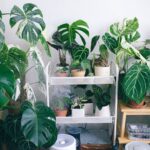
- Tropical houseplants like pothos, calatheas, and ferns evolved in rainforest conditions where humidity regularly exceeds 70–80%.
- Vegetables grown indoors, such as tomatoes, peppers, and lettuce, generally prefer a moderate range of 50–70% to support flowering and fruiting.
- Succulents and cacti are adapted to arid climates and thrive in humidity as low as 10–30%, making them ideal for naturally dry indoor spaces.
Understanding where your plant comes from is the first step toward giving it the humidity environment it truly needs.
Why Humidity Is Important for Indoor Plants
Most plant owners focus on watering schedules and sunlight, but the moisture level in your air plays an equally critical role in how your plants grow, look, and function. Maintaining the ideal humidity for indoor plants isn’t just about comfort; it directly affects core biological processes that determine whether your plants flourish or struggle.
Affects Transpiration and Water Loss
Transpiration is the process by which plants draw water up from their roots, through their stems, and release it as vapor through the stomata in their leaves. This process is what drives nutrient movement throughout the plant. Humidity levels in the surrounding air directly control how fast or slow this happens.
When indoor air is too dry, especially during winter when heating systems strip moisture from the air, transpiration accelerates dramatically. Plants lose water faster than their roots can replenish it, leading to wilting, browning tips, and in severe cases, irreversible cellular damage. Conversely, when humidity is too high, transpiration slows, nutrients stagnate, and the risk of fungal diseases like powdery mildew and botrytis increases significantly.
Helps Maintain Leaf Health
Leaves are a plant’s primary interface with its environment, and humidity has a direct impact on their condition. When relative humidity drops below the comfortable range, leaf cells lose turgor pressure, the internal water pressure that keeps them firm and upright. The result is leaves that look dull, feel papery, develop brown edges, or begin to curl inward as the plant tries to reduce its surface area and conserve moisture.
Adequate humidity keeps leaves plump, glossy, and fully functional, allowing them to photosynthesize efficiently and maintain their structural integrity over time.
Prevents Drying and Stress
Chronic low humidity puts plants in a constant state of stress. Even if you’re watering regularly, dry air can undo your efforts by pulling moisture out of the leaves faster than the roots can supply it. Over time, this stress weakens the plant’s immune response, making it more susceptible to spider mites, pests that thrive in hot, dry conditions, as well as general decline in vigor and growth rate.
Keeping humidity within the right range essentially removes one major stressor from your plant’s life, allowing it to redirect its energy toward growth, blooming, and staying resilient against pests and disease.
Ideal Humidity Levels for Indoor Plants
While every plant has its own preferences, there is a broadly accepted comfort zone that works well for the majority of common houseplants. Understanding this range, and knowing when to adjust it, is the foundation of good indoor plant care.
The General Sweet Spot: 40%–60% Relative Humidity
For most indoor plants, a relative humidity level between 40% and 60% strikes the right balance. Within this range, transpiration occurs at a healthy pace, leaves maintain their structure, and the risk of both drought stress and fungal disease remains low. Conveniently, this range also overlaps with what’s considered comfortable for humans, meaning a well-regulated home environment naturally supports most houseplants without much intervention.
Anything consistently below 30% RH is considered too dry for the majority of plants and will begin to show visible stress symptoms. Levels above 70–80%, particularly in spaces with poor airflow, create the conditions for mold, mildew, and bacterial rot.
Humidity Needs Vary by Plant Type
Not all plants share the same tolerance, and grouping them by their natural habitat helps clarify their needs:
| Plant Type | Ideal Humidity Range | Examples |
|---|---|---|
| Tropical Houseplants | 60%–80% | Calathea, Bird of Paradise, Ferns |
| General Houseplants | 40%–60% | Pothos, Peace Lily, Spider Plant |
| Herbs & Vegetables | 50%–70% | Basil, Tomatoes, Lettuce |
| Succulents & Cacti | 10%–30% | Echeveria, Aloe, Barrel Cactus |
Tropical plants are the most humidity-hungry because they evolved in environments where moisture-rich air is a constant. Succulents sit at the opposite extreme, their thick, waxy leaves are specifically designed to retain water in arid conditions, and excessive humidity can actually cause them to rot from the outside in.
How Seasons Affect Indoor Humidity
Indoor humidity is not static, it shifts considerably between seasons, often without plant owners realizing it.
In winter, central heating systems warm the air but strip it of moisture, sending relative humidity plummeting, sometimes as low as 20–30% in well-heated homes. This is the most common time for plants to show signs of humidity stress: crispy leaf edges, sudden leaf drop, and increased susceptibility to spider mites. Plants that were thriving in summer may begin to look visibly stressed by January without any change in your watering routine.
In summer, natural humidity tends to rise, particularly in humid climates. Indoor levels can climb into the 60–70% range, which benefits most tropical houseplants but may require attention in tightly sealed, air-conditioned spaces where cooling systems also act as dehumidifiers.
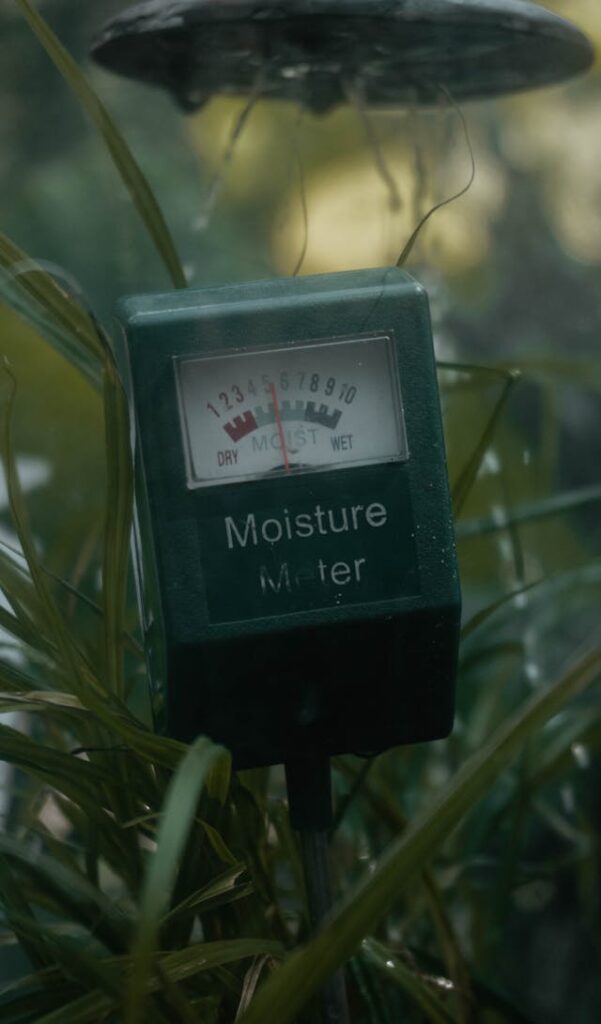
Monitoring your indoor humidity with a simple hygrometer, an inexpensive device available at most hardware stores, takes the guesswork out of seasonal adjustments and helps you respond before your plants show signs of stress.
Ideal Humidity for Houseplants
When it comes to popular houseplants, the majority trace their origins back to tropical and subtropical regions, environments where warm temperatures, filtered light, and moisture-rich air are the norm rather than the exception. Replicating these conditions indoors, even partially, makes a significant difference in how vigorously your plants grow and how healthy their foliage stays.
Tropical Houseplants and Their Humidity Preferences
Most beloved houseplants prefer humidity levels on the higher end of the indoor spectrum, generally between 55% and 80%, though many will tolerate the standard 40–60% range found in average homes without serious harm.
Heartleaf Philodendron (Philodendron hederaceum) is one of the most forgiving tropical houseplants in terms of humidity. It grows comfortably between 40–70% RH, making it well-suited to most indoor environments. However, in higher humidity, closer to 60–70% — it produces noticeably larger, deeper green leaves with more vigorous trailing growth. In very dry air, its leaf edges may begin to yellow or brown at the tips.
Peace Lily (Spathiphyllum) prefers humidity levels between 50–70%. As a plant native to the tropical forest floors of Central and South America, it is accustomed to consistently moist air. In dry indoor conditions, its glossy dark leaves lose their luster, droop more frequently, and develop brown tips, one of the most common complaints among Peace Lily owners. Adequate humidity significantly reduces these issues and encourages more frequent blooming.
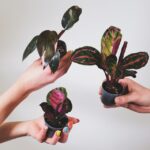
Pink Princess Philodendron (Philodendron erubescens) is one of the more humidity-sensitive popular houseplants, thriving best at 60–80% RH. Its highly variegated leaves, the feature that makes it so sought after, develop more vibrantly and with greater contrast in humid conditions. In dry air, the pink variegation can fade, new leaves may emerge smaller than expected, and leaf edges often turn crispy before the leaf fully unfurls.
Why Most Tropical Plants Prefer Higher Humidity
The preference for higher humidity among tropical houseplants isn’t arbitrary, it’s deeply tied to their evolutionary history. In their native rainforest habitats, these plants experience consistent moisture in the air year-round, often with humidity levels ranging from 70% to over 90%. Their leaf structure, root systems, and growth cycles all developed in response to this environment.
Indoors, we rarely replicate these levels exactly, but even pushing humidity from a baseline of 35–40% up to 55–65% can yield visible improvements, faster growth, fewer pest problems, and foliage that looks the way it does in plant shop photos rather than struggling on a dry windowsill.
How to Maintain Stable Humidity Levels Indoors
Consistency matters as much as the actual level. Humidity that swings dramatically, dropping sharply at night or during winter, is harder on plants than a moderate but stable level. Here are the most effective ways to keep levels steady:
Use a humidifier. This is the most reliable and controllable method. A cool-mist or ultrasonic humidifier placed near your plant collection can maintain a consistent RH level and can be adjusted seasonally. For a dedicated plant corner or shelf, even a small humidifier makes a measurable difference.
Group plants together. Plants naturally release moisture through transpiration, so clustering them creates a shared microclimate with slightly elevated humidity around the group. This is a passive, cost-free method that works particularly well for collections of tropical plants.
Use a pebble tray. Placing a shallow tray filled with pebbles and water beneath your plant pots allows water to evaporate upward around the plant. The pot should sit above the waterline, not in it, to avoid soggy roots. While the humidity boost is modest, it provides a constant, localized source of moisture.
Choose the right room. Bathrooms and kitchens naturally have higher ambient humidity due to steam from showers and cooking. Placing humidity-loving plants in these rooms, provided light conditions are adequate, takes advantage of existing moisture without any additional effort.
Avoid placing plants near heat sources. Radiators, heating vents, and fireplaces dramatically dry out the air immediately surrounding them. Keeping humidity-sensitive plants away from these sources prevents localized drying that a room-level hygrometer may not even detect.
Ideal Humidity for Indoor Vegetables
Growing vegetables indoors has become increasingly popular, whether on a sunny windowsill, under grow lights, or in a dedicated indoor garden setup. While light and nutrients often take center stage in indoor vegetable gardening, maintaining the ideal humidity for indoor plants that produce food is just as critical, directly influencing germination rates, leaf quality, flowering, and overall yield.
Unlike tropical houseplants that crave consistently high moisture levels, most indoor vegetables prefer a moderate, well-balanced humidity range that supports steady growth without creating conditions for disease.
The Right Humidity Range for Indoor Vegetables
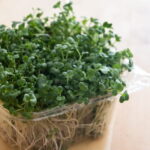
Most edible plants grown indoors thrive at a relative humidity between 50% and 70%. This range supports healthy transpiration, encourages strong root development, and reduces the risk of fungal issues that commonly affect edible crops, such as damping off in seedlings and downy mildew on mature leaves.
Going above 80% RH in a vegetable growing space, especially one with limited airflow, creates ideal conditions for disease outbreaks that can devastate an entire crop quickly. Dropping below 40%, on the other hand, stresses leafy greens into early bolting and reduces the quality and tenderness of harvestable leaves.
Humidity Needs of Popular Indoor Vegetables
Spinach (Spinacia oleracea) thrives at 50–70% RH indoors. Adequate moisture keeps its tender leaves crisp and flavorful, while dry conditions push the plant toward early bolting, prematurely ending your harvest window. Well-humidified spinach produces larger, more succulent leaves over a longer productive period.
Coriander (Coriandrum sativum) prefers 45–65% RH. Consistent moderate humidity slows its notorious tendency to bolt, keeping the plant producing fragrant, harvestable foliage for longer. Be cautious on the upper end, levels above 70% can promote root rot and fungal issues at the stem base.
Green Onions (Allium fistulosum) adapt well between 50–70% RH. Their tubular leaves are less disease-prone than broad-leafed vegetables, but dry air still causes tip yellowing and browning. Consistent humidity keeps them firm, green to the tip, and productive through multiple harvest cycles.
Cherry Tomatoes (Solanum lycopersicum) require more precise humidity management, ideally 50–70% RH during vegetative growth, dropping slightly to 40–60% RH during flowering and fruiting. Higher humidity at flowering time prevents pollen from releasing properly, reducing fruit set. Lower humidity during fruiting also concentrates sugars in the fruit, improving flavor. Of all common indoor vegetables, cherry tomatoes are the most sensitive to humidity fluctuations and reward careful monitoring with significantly better
How Humidity Impacts Growth and Yield
The relationship between humidity and vegetable productivity goes beyond just keeping plants looking healthy, it has a measurable impact on what you actually harvest.
Germination and early growth are particularly sensitive to humidity. Seeds germinate more reliably and seedlings establish faster in moderately humid conditions because the young root systems are not yet efficient enough to compensate for rapid moisture loss through dry air. Many indoor gardeners use humidity domes over seed trays for this very reason.
Leaf quality in edible greens is directly tied to moisture levels. Plants like spinach, coriander, and lettuce that are grown in appropriate humidity produce leaves with higher water content, better texture, and more developed flavor profiles compared to the same plants grown in chronically dry conditions.
Flowering and fruiting vegetables, such as indoor tomatoes or peppers, require humidity management at a more precise level. Too much humidity during flowering can prevent pollen from releasing properly, reducing fruit set. Too little desiccates the flowers before pollination can occur. For leafy crops like the three above, this is less of a concern, but it becomes critical if you expand your indoor vegetable garden to fruiting plants.
Keeping a hygrometer in your growing space and making seasonal adjustments, bumping up humidity in dry winter months and ensuring ventilation during humid summers, goes a long way toward consistent, high-quality indoor vegetable harvests.
Ideal Humidity for Succulents
Succulents sit at the opposite end of the humidity spectrum from tropical houseplants. Native to arid deserts, rocky hillsides, and dry coastal regions, these plants evolved specifically to survive in environments where moisture, both in the soil and in the air, is scarce and unpredictable. Replicating those dry conditions indoors is the key to keeping them healthy long-term.
Succulents Prefer Low Humidity
The ideal humidity range for most succulents indoors falls between 10% and 40% RH, significantly lower than what most other houseplants require. Many common varieties, including echeveria, haworthia, and sedum, grow perfectly well at the lower end of average indoor humidity, which makes them naturally well-suited to centrally heated homes in winter where humidity tends to drop.
Standard indoor humidity of 40–50% is generally tolerable for most succulents, but consistently pushing above that range, particularly in poorly ventilated spaces, begins to create unfavorable conditions. Succulents are not built to shed excess moisture efficiently; their thick, water-storing leaves and stems become a liability in persistently humid air.
Too Much Humidity Can Cause Rot
Excess humidity is the single most common environmental cause of succulent decline indoors. Unlike tropical plants whose leaves actively manage moisture exchange, succulents store water internally and have limited ability to expel it when the surrounding air is already saturated.
When humidity remains high over extended periods, several problems compound quickly. Moisture accumulates on and between leaves, particularly in rosette-forming varieties where water can pool at the center. This creates the perfect conditions for fungal infections and bacterial rot to take hold, often starting invisibly at the base of the plant before becoming apparent on the surface. By the time leaves begin turning mushy, translucent, or black at the base, the rot has usually already reached the stem.
High humidity also encourages overwatering mistakes. In dry conditions, succulent soil dries out quickly and signals clearly when it’s time to water again. In humid air, soil stays moist far longer, and watering on a fixed schedule without checking moisture levels is a fast path to root rot.
Aloe Vera and Humidity
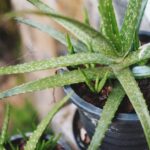
Aloe Vera (Aloe barbadensis miller) is one of the most widely kept succulents indoors, and its humidity preferences reflect its desert origins. Aloe thrives best at 25–40% RH and is remarkably tolerant of dry indoor air, one of the reasons it performs so well in living rooms and offices where humidity is rarely managed.
In high humidity environments above 60%, aloe becomes vulnerable to the same fungal and bacterial issues that affect other succulents. Its thick gel-filled leaves, which make it medicinally valuable, also make it prone to internal rot when excess moisture cannot escape the surrounding air. A tell-tale sign of humidity stress in aloe is leaves that become soft and slightly translucent near the base, a warning that conditions need to dry out quickly before rot spreads to the root system.
Aloe also benefits from the airflow that naturally comes with drier environments. In humid, stagnant air, even a healthy aloe will decline over time, making ventilation just as important as keeping humidity levels low.
Best Conditions for Healthy Succulents
Creating the right environment for succulents indoors comes down to a few consistent practices:
Keep humidity below 40% where possible. If you live in a naturally humid climate or keep many moisture-loving plants nearby, consider giving your succulents their own dedicated space, ideally near a window with good airflow rather than grouped with tropical plants that raise local humidity through transpiration.
Prioritize ventilation. Good air circulation prevents moisture from settling on leaves and soil surfaces. A small fan running on low near your succulent collection, or simply keeping a window cracked nearby, makes a meaningful difference in humid conditions.
Choose terracotta pots. Terracotta is porous and allows moisture to evaporate from the sides of the pot, naturally reducing soil moisture faster than plastic or glazed ceramic containers, an important advantage in any environment where humidity is a concern.
Avoid misting. While misting is recommended for many tropical houseplants, it is actively harmful for succulents. Spraying water directly onto succulent leaves, especially rosette forms, introduces localized moisture that can sit in leaf crevices and trigger rot, regardless of the overall room humidity level.
Signs Your Plants Need More Humidity
Plants can’t tell you directly when they’re struggling with dry air, but they communicate through highly visible physical cues. Learning to read these signals early allows you to intervene before the damage becomes severe or permanent. Here are the most common signs that your indoor plants are not getting enough moisture in the air.
Brown Leaf Tips
One of the earliest and most reliable indicators of low humidity is browning at the very tips and edges of leaves. This happens because the outermost parts of leaves are the furthest from the plant’s water supply and the first to suffer when transpiration is pulling moisture out faster than the roots can replace it.
Brown tips caused by low humidity are typically dry and papery to the touch, distinct from the soft, mushy browning associated with overwatering or disease. They tend to appear first on older, larger leaves and progress inward along the leaf edges if conditions don’t improve. Plants particularly prone to this symptom include peace lilies, spider plants, calatheas, and Boston ferns, all species that evolved in consistently humid environments.
It’s worth noting that brown tips are difficult to reverse once they appear. The affected tissue is dead and will not green up again. Improving humidity prevents further browning but trimming the damaged tips with clean scissors is the only way to restore a neat appearance.
Curling Leaves
When humidity drops significantly, many plants respond by curling their leaves inward, rolling them lengthwise into a tube-like shape that reduces the surface area exposed to dry air. This is essentially a self-preservation mechanism, the plant’s attempt to slow down water loss through transpiration by minimizing the area through which moisture can escape.
Leaf curling from low humidity is usually accompanied by a slightly dull or matte appearance to the foliage, the opposite of the glossy, turgid look healthy leaves carry when moisture levels are adequate. Tropical plants like calatheas, prayer plants, and birds of paradise are especially expressive in this way, curling dramatically and quickly in response to dry air.
Unlike brown tips, leaf curling is often reversible. Once humidity is restored to an appropriate level, leaves frequently uncurl within a day or two, a satisfying and immediate sign that your intervention is working.
Dry Soil Despite Regular Watering
If you find yourself watering more frequently than usual but the soil dries out unusually fast, low humidity may be compounding the problem. In very dry air, moisture evaporates rapidly from the top layer of soil in addition to being pulled from the plant’s leaves through transpiration. The result is soil that feels dry to the touch within a day or two of watering, even when the pot size, plant type, and watering volume haven’t changed.
This symptom is particularly common in winter when indoor heating runs continuously. Many plant owners respond by watering more frequently, but without addressing the underlying humidity issue, the cycle continues. In some cases, the roots begin to dry out before water can be properly absorbed, compounding the stress on an already struggling plant.
If your watering schedule has crept significantly shorter over the season without any obvious change in temperature or light, reach for your hygrometer before reaching for your watering can, dry air is very likely part of the equation.
Signs of Too Much Humidity
Just as dry air stresses plants, excessive moisture creates its own problems, escalating quickly in stagnant, humidity-saturated environments. Here are the key warning signs to watch for.
Moldy Soil White or grey fuzzy growth on the surface of your potting mix is a clear sign humidity is too high. Mold spores activate and spread when moisture remains consistently elevated in both soil and air. While surface mold isn’t immediately fatal to the plant, it signals that root rot may be developing below. Improve airflow, reduce watering, and lower ambient humidity promptly.
Fungal Growth on Leaves White powdery coating, dark spots, or rust-colored patches on leaf surfaces indicate fungal disease, conditions that high humidity directly enables. Powdery mildew, botrytis, and leaf spot all spread rapidly in warm, moist, poorly ventilated spaces. Unlike dry-air browning, these marks are irregular, spread between leaves, and can escalate across an entire collection if left unaddressed.
Yellowing Leaves Widespread yellowing across multiple leaves simultaneously often points to humidity-driven root stress. When high ambient humidity slows soil evaporation, roots sit in waterlogged conditions even without overwatering, losing their ability to absorb nutrients effectively. This symptom is easy to confuse with overwatering, and in humid environments, both problems frequently occur together.
How to Increase Humidity for Indoor Plants
If your plants are showing signs of dry air stress, brown tips, curling leaves, or rapid soil drying, the good news is that raising indoor humidity is straightforward and doesn’t require expensive equipment. Here are the most effective methods, ranging from simple fixes to more controlled solutions.
Use a Humidifier
The most reliable way to raise humidity for your plants is with a dedicated humidifier. Unlike passive methods, it lets you set and maintain a specific RH level consistently. A cool-mist or ultrasonic humidifier works best, as it doesn’t raise the surrounding air temperature the way warm-mist models do. Run it for a few hours daily near your plant collection and monitor levels with a hygrometer to stay within your target range.
Group Plants Together
Plants naturally release moisture into the air through transpiration, so clustering them together creates a shared microclimate with slightly elevated humidity around the entire group. This is one of the easiest and most cost-effective methods, no equipment required. It works particularly well for collections of tropical houseplants that all prefer higher moisture levels. As a bonus, grouped plants also tend to look more visually striking than scattered individuals, making this a practical and aesthetic win simultaneously.
Pebble Trays
A pebble tray is a simple, low-cost humidity booster. Fill a shallow tray with pebbles or gravel, add water until it sits just below the top of the pebbles, and place your plant pot on top. As the water evaporates, it releases moisture upward directly around the plant. The key detail is keeping the pot elevated above the waterline, sitting directly in water invites root rot. While the humidity boost from a pebble tray is modest and localized, it provides a consistent, passive source of moisture that complements other methods well.
Mist Plants (When Appropriate)
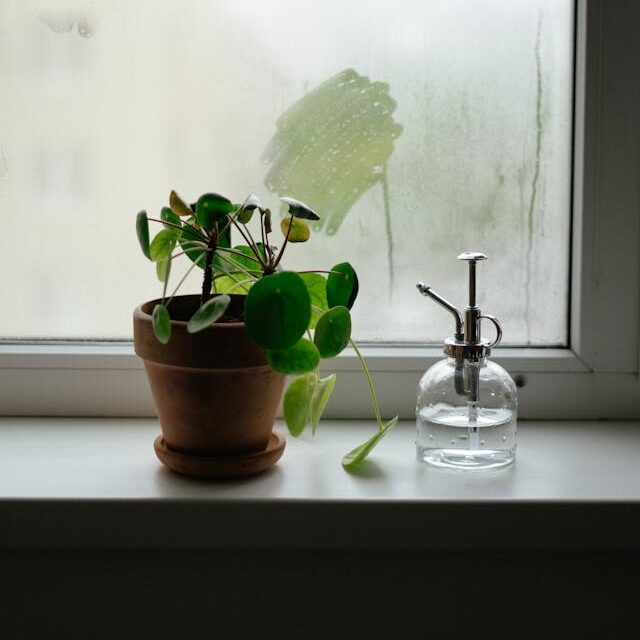
Misting provides only a temporary humidity boost, evaporating within minutes and having little lasting impact on ambient RH levels. It works best as a supplementary method rather than a primary solution. Ferns, calatheas, and orchids appreciate occasional misting, always in the morning so leaves dry completely before nightfall, since wet foliage overnight creates ideal conditions for fungal disease. Avoid misting succulents, cacti, and plants with fuzzy leaves entirely, as trapped moisture causes more harm than good.
How to Reduce Humidity Indoors
If your plants are showing signs of excess moisture, moldy soil, fungal spots, or yellowing leaves, bringing humidity down is just as important as raising it. Here are the most effective ways to create a healthier growing environment.
Improve Air Circulation
Stagnant air allows moisture to settle on leaves and soil, accelerating fungal disease and rot. A small fan running on low near your plants keeps air moving without creating harsh drafts. Opening windows periodically exchanges humid indoor air with drier outdoor air. For densely packed collections, spacing plants further apart reduces the localized humidity that grouping naturally creates.
Avoid Overwatering
High ambient humidity slows soil evaporation significantly, meaning plants need water far less frequently than in drier conditions. Always check soil moisture before watering rather than following a fixed schedule, push a finger an inch into the soil and only water when it feels dry at that depth. Switching to terracotta pots in persistently humid conditions helps further, as their porous walls allow excess moisture to evaporate naturally from the sides.
Use Proper Ventilation
Good ventilation addresses humidity at the room level. Use extractor fans consistently in bathrooms and kitchens, the rooms that generate the most moisture, to prevent humid air from spreading through your home. In dedicated growing spaces, a small dehumidifier offers precise RH control during humid summer months. Keeping interior doors open encourages air exchange between rooms, preventing moisture from concentrating in any single space.
How Humidity Works with Light, Water, Temperature, and Soil
Humidity doesn’t operate in isolation, it interacts constantly with every other environmental factor affecting your plants. Understanding these relationships helps you make smarter adjustments across the board rather than managing each variable separately.
Light
Stronger light raises leaf temperature, which accelerates transpiration and increases the rate at which plants lose moisture into the air. In bright, sunny spots, humidity drops faster and plants may need additional moisture support. If you’re already following a solid indoor plant lighting routine, pairing it with humidity awareness ensures your plants aren’t losing more water than they can absorb.
Water
Watering and humidity are deeply interconnected. In low humidity, soil dries out faster and plants need more frequent watering. In high humidity, soil stays moist longer and overwatering becomes a real risk. Understanding how much water your indoor plants actually need becomes far more accurate once you factor in the ambient moisture level of your growing space.
Temperature
Warm air holds more moisture than cold air, meaning humidity levels shift naturally with temperature changes, even without any change in the actual water content of the air. Heated winter rooms feel drier despite similar absolute moisture levels, which is why managing indoor temperature for plants and managing humidity often go hand in hand seasonally.
Soil
Soil composition directly affects how humidity interacts with your plant’s root zone. Dense, moisture-retaining mixes stay wet longer in humid conditions, increasing rot risk. Well-draining, airy mixes, particularly important for succulents and vegetables, allow the root zone to dry appropriately regardless of ambient humidity. Choosing the right soil for your indoor plants gives you far more control over the overall moisture balance your plant experiences, working alongside humidity rather than against it.
Fertilizer
While humidity plays a key role in plant health, nutrients are just as important for proper growth. Even with the ideal humidity for indoor plants, a lack of nutrients can lead to weak growth and pale leaves. Using the right fertilizer for indoor plants ensures your plants get essential nutrients to thrive in a balanced indoor environment.
Frequently Asked Questions
What humidity level is best for indoor plants?
Most indoor plants thrive between 40–60% relative humidity. Tropical varieties prefer the higher end of that range or above, while succulents and cacti do best between 10–40%. The right level ultimately depends on the specific plant you’re growing.
Is 70% humidity too high for plants?
Not for most tropical houseplants, many actually prefer it. However, 70% and above becomes problematic in spaces with poor airflow, where stagnant humid air encourages mold, fungal disease, and root rot. Good ventilation makes higher humidity far more manageable.
How to increase humidity for plants?
The most effective methods are using a cool-mist humidifier, grouping plants together, placing pots on pebble trays filled with water, and positioning humidity-loving plants in naturally moist rooms like bathrooms or kitchens.
Is 100% humidity good for plants?
No. While some tropical plants tolerate very high humidity, 100% RH means the air is fully saturated and cannot absorb any more moisture. This creates ideal conditions for fungal disease, bacterial rot, and pest infestations, even the most humidity-loving houseplants struggle in these conditions without exceptional airflow.
Does a bowl of water increase humidity for plants?
Marginally. A bowl of water placed near plants does release some moisture as it evaporates, but the effect is minimal compared to a pebble tray or humidifier. It can serve as a small supplementary boost but shouldn’t be relied on as a primary humidity source.
Do all plants like high humidity?
No. While tropical houseplants thrive in higher moisture levels, succulents, cacti, and many Mediterranean herbs actively prefer dry air. Placing humidity-sensitive plants near moisture-loving ones, or using a humidifier without considering all the plants in the space, can do more harm than good.
Do indoor plants need a humidifier?
Not all of them. Most common houseplants manage adequately in average indoor humidity of 40–50%. However, humidity-sensitive tropicals like calatheas, ferns, and orchids genuinely benefit from one, especially in winter when heating systems dry out indoor air significantly.
What is the ideal humidity for indoor plants?
For the majority of houseplants, 40–60% RH is the ideal range. Tropical plants prefer 60–80%, vegetables grow best at 50–70%, and succulents thrive at 10–40%. Matching humidity to your specific plant type is the most reliable approach.
Can succulents survive in high humidity?
They can survive short periods of elevated humidity, but they don’t thrive in it. Consistently high humidity causes moisture to accumulate on and between leaves, leading to fungal infections and rot, particularly at the base of the plant. Succulents do best in dry, well-ventilated spaces.
Is misting enough for indoor plants?
For most plants, no. Misting provides only a brief, localized humidity boost that evaporates within minutes and has little lasting impact on ambient RH levels. It works best as a light supplement for ferns and orchids rather than a standalone humidity solution.