
If you’ve ever bought coriander from a store only to see it wilt in a day or lose its taste, wouldn’t it be better to grow your own coriander at home and harvest as much as you need and let the rest keep growing. The coriander that you didn’t harvest will keep growing, will retain its aroma and that freshness that’s never in the store bought ones.
Learning how to grow coriander at home is incredibly easy, even if you’re a complete beginner. Coriander is a fast-growing herb that doesn’t need much space or effort, making it ideal for indoor gardening, small balconies, or even a sunny windowsill.
Whether you want a steady supply for your kitchen or just enjoy growing your own food, coriander is one of the most rewarding herbs to start with. In this step-by-step guide, you’ll learn everything you need to successfully grow fresh, healthy coriander right at home.
In This Article
Cilantro vs Coriander: Leaves and Seeds
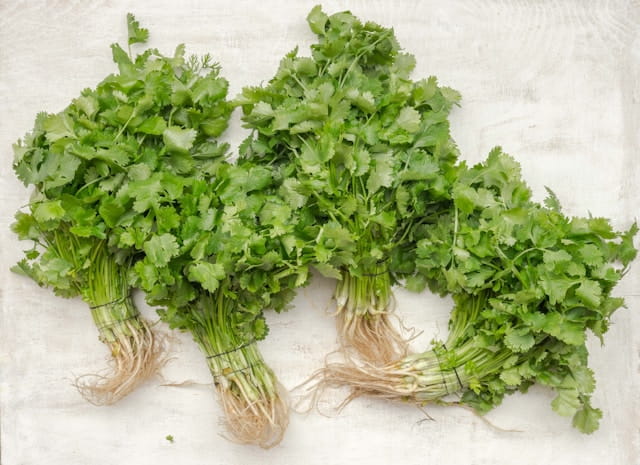
Cilantro and coriander come from the same plant (Coriandrum sativum), but they refer to different parts and have distinct uses. Cilantro is the fresh green leaves and stems, commonly used in salads, chutneys, garnishes, and fresh sauces. It has a bright, citrusy flavor and is best enjoyed fresh, as the leaves lose flavor quickly.
Coriander, on the other hand, usually refers to the dried seeds. The seeds have a warm, nutty, slightly sweet flavor and are used as a spice in curries, soups, baking, and other cooked dishes. They can be used whole or ground and have a much longer shelf life than the delicate leaves.
The terminology also varies by region. In the United States, “cilantro” refers to the leaves, and “coriander” to the seeds. In the UK, India, and South Asia, “coriander” often refers to both the leaves and seeds, which can sometimes cause confusion.
In short, while both come from the same plant, cilantro leaves are ideal for fresh, zesty flavors, and coriander seeds are perfect for adding warmth and depth to cooked dishes.
What You Need to Grow Coriander at Home
Before you start, it helps to have a few basic things ready, but don’t worry, coriander is not demanding at all. You can begin with simple coriander (cilantro) seeds, which are easy to find and quick to sprout. A small pot or container works perfectly, as long as it has proper drainage holes so excess water can escape and the roots don’t rot. A plastic strainer basket would also work perfectly as it has a lot of drainage holes, but keep one thing in mind you would have to place a tray under it.
For the best growth, use loose, well-draining soil that doesn’t stay soggy after watering. Coriander doesn’t like sitting in wet soil for too long. Place your pot somewhere it can get around 4–6 hours of sunlight each day, like a windowsill, balcony, or any bright spot in your home.
That’s really all you need, nothing fancy. With just these basics in place, you’re already set up for success.
How to Grow Coriander from Seeds (Step-by-Step)
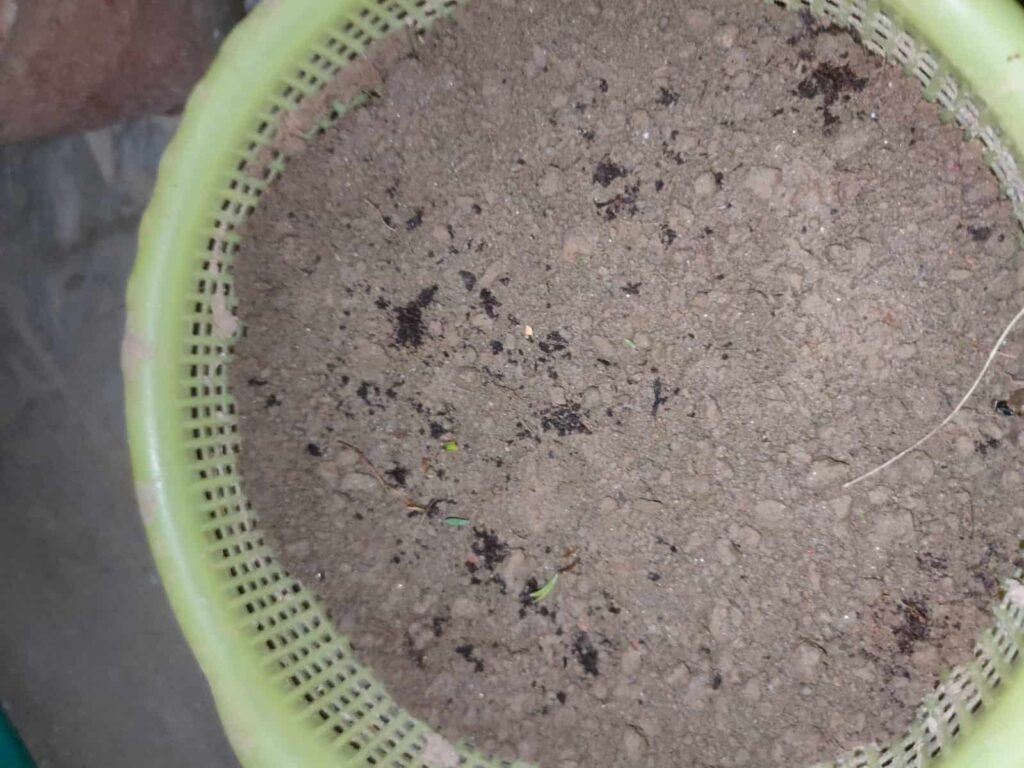
Step 1 – Prepare the Seeds
Coriander seeds are actually small seed clusters, which means each “seed” can grow into more than one plant. To improve germination, gently crush the seeds using your fingers or a rolling pin, just enough to split them into halves, not powder them. This helps water penetrate the seed coat faster and speeds up sprouting.
Step 2 – Choose the Right Pot
Picking the right container makes a big difference in how well your coriander grows. Go for a pot that’s at least 6–8 inches deep so the roots have enough space to develop properly. Just as important is good drainage, make sure the pot has holes at the bottom to let excess water escape. Without proper drainage, the soil can stay soggy and lead to root rot, which coriander doesn’t tolerate well. My suggestion for beginners would be to use a plastic strainer basket, it has drainage holes so the soil doesn’t get soggy. Just put a shallow tray under it for watering.
Step 3 – Plant the Seeds
Once your seeds are ready and your pot is set, it’s time to plant. Sprinkle the seeds evenly over the surface of the soil, then cover them with a very thin layer of soil—just enough to barely hide them. Avoid pressing or compacting the soil, as coriander seeds need some air circulation to sprout properly.
Step 4 – Water Properly
For a regular pot, water your coriander gently to keep the soil consistently moist but never soggy. Overwatering can cause the roots to rot, while letting the soil dry out can slow growth. Check the top inch of soil—if it feels dry, it’s time to water.
If you’re using a beginner-friendly setup like a plastic strainer basket, place it over a shallow tray and add water to the tray. The soil will naturally absorb moisture from below, keeping the roots hydrated without the risk of overwatering. This method is convenient and reduces the chance of waterlogging, making it ideal for indoor growing.
Step 5 – Provide Sunlight
Coriander loves light. Place your pot or basket where it can get at least 4–6 hours of sunlight each day, such as a sunny windowsill or balcony. If sunlight is limited, you can supplement with a grow light. Proper light helps the leaves stay vibrant and flavorful, and encourages healthy growth.
How to Grow Coriander At Home: Tips
Growing coriander indoors can be simple and rewarding if you follow a few key tips:
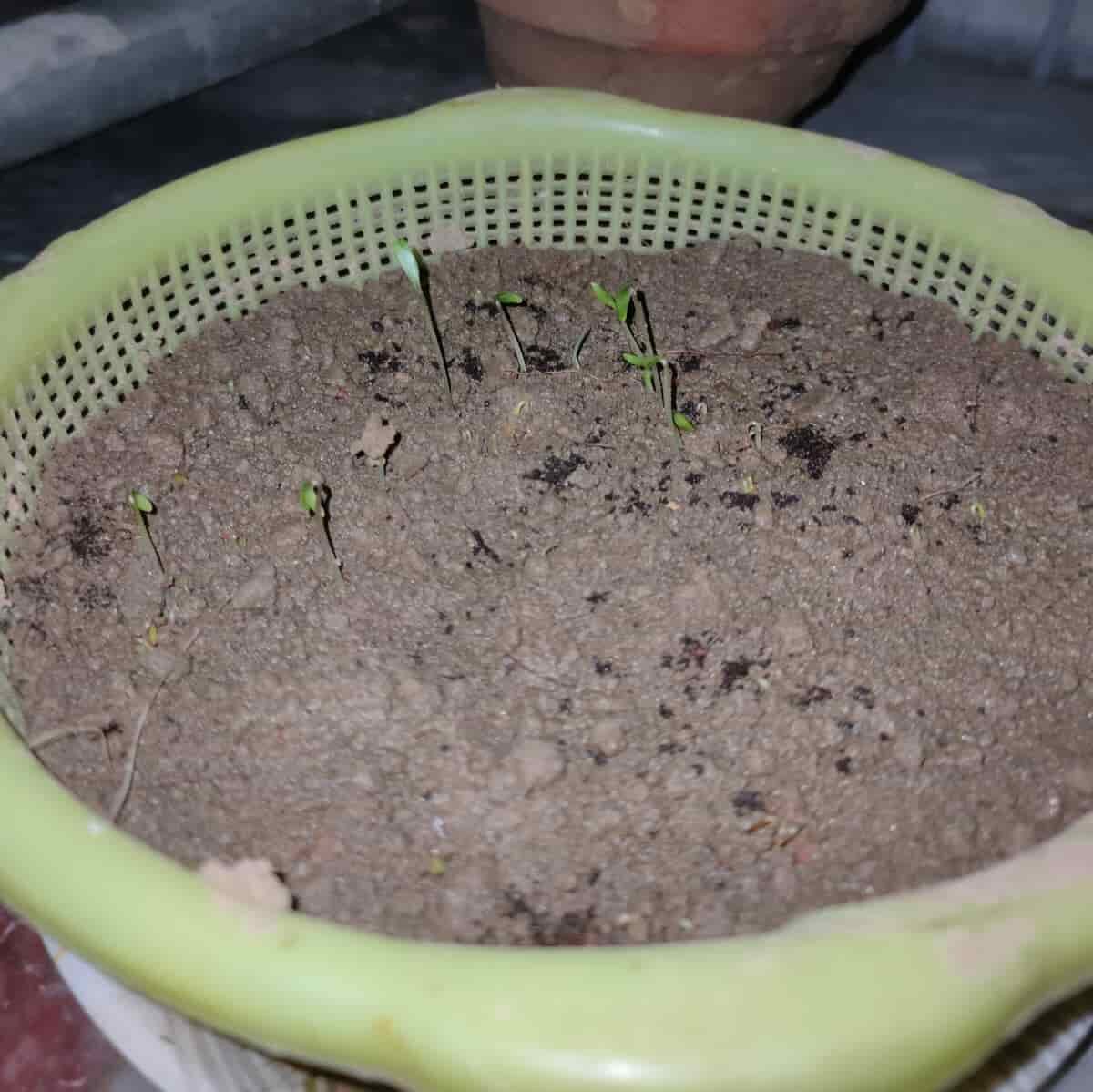
- Pick the Right Spot: Place your pot or basket on a sunny windowsill with at least 4–6 hours of sunlight daily. South-facing windows work best, but east- or west-facing windows are fine too.
- Use Grow Lights in Low-Light Homes: If natural light is limited, supplement with an LED grow light for 10–12 hours a day to keep your leaves strong and flavorful.
- Ensure Good Air Circulation: Keep a gentle airflow around your plants to prevent fungal issues and encourage healthy growth.
- Water Carefully: Indoor conditions can dry out soil unevenly. Keep the soil consistently moist but not soggy, adjusting watering as needed depending on humidity.
- Start Small and Experiment: Beginner-friendly setups like plastic strainer baskets over a tray can make watering easier and reduce the risk of overwatering.
For more indoor gardening ideas, check out our vegetable growing guides about Green onion, Spinach, and cherry tomatoes.
How Long Does Coriander Take to Grow?
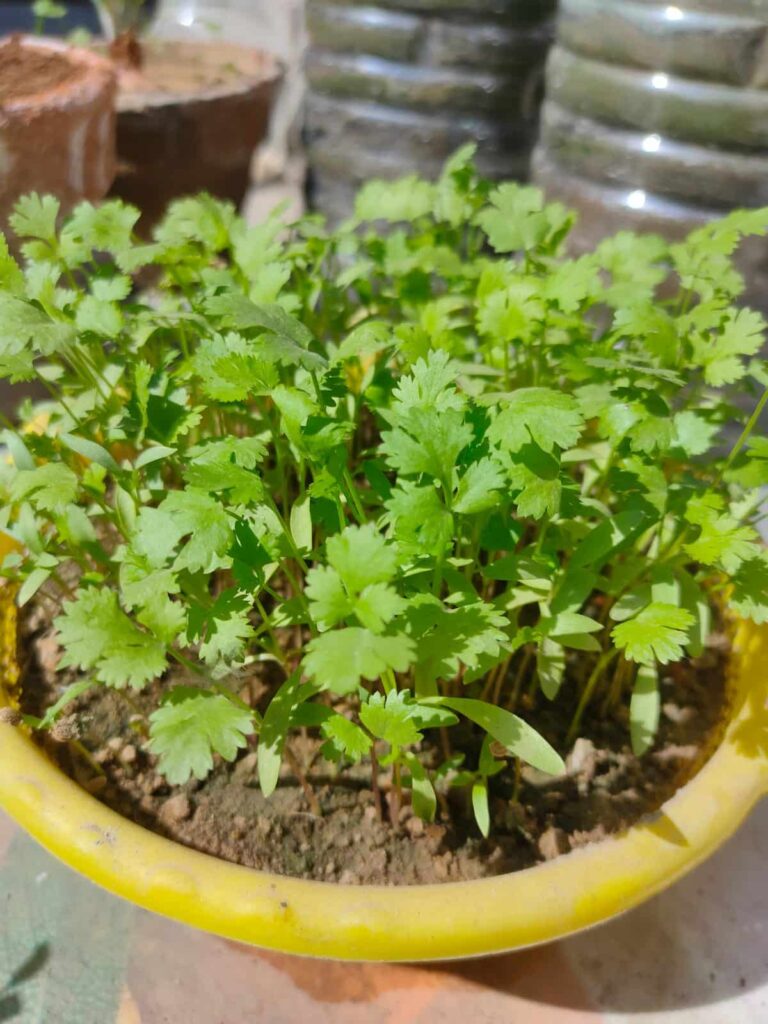
Coriander is a fast-growing herb, which makes it perfect for beginner gardeners. After planting the seeds, you can expect germination within 7–14 days, depending on temperature and soil moisture.
Once sprouted, the leaves grow quickly. You can usually start harvesting fresh coriander leaves in 3–4 weeks.
Keeping the soil consistently moist, providing enough sunlight, and trimming leaves regularly can help your coriander grow faster and healthier.
Coriander Plant Care Tips (For Faster Growth)
To help your coriander grow healthy and strong, keep the soil consistently moist without overwatering. Light watering every day or every other day, depending on your indoor humidity or outdoor conditions, works best. Sunlight is also crucial, make sure your plants get at least 4–6 hours of direct light, or use a grow light if natural light is limited.
You can give your coriander a gentle boost with a light feeding of balanced, water-soluble fertilizer once or twice during its growth, but avoid over-fertilizing, as that can reduce the flavor of the leaves. If multiple seedlings sprout close together, thin them out so each plant has enough space to grow, crowded plants tend to become leggy and slow-growing.
With consistent watering, enough light, and proper spacing, your coriander will thrive and produce lush, flavorful leaves quickly.
If you want to give your coriander a natural boost, light feeding with homemade fertilizers can help. Many recipes designed for tomatoes also work well for herbs and leafy greens, check out our guide on Homemade Fertilizers for Tomatoes: 10 Easy & Natural Recipes That Work for simple, kitchen-friendly options.”
How to Harvest Coriander Properly
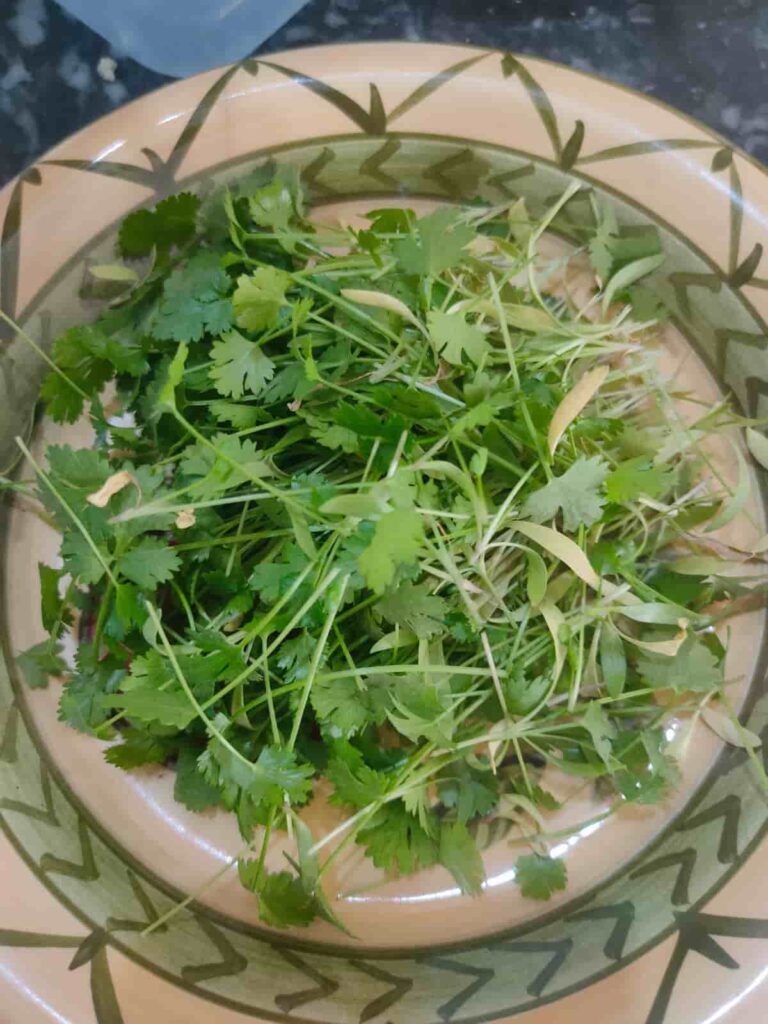
Harvesting coriander the right way helps the plant stay productive and keeps your leaves fresh. Always start by cutting the outer leaves first, leaving the inner leaves to continue growing.
Avoid removing more than one-third of the plant at a time, as taking too much can stress the plant and slow down growth. By harvesting selectively, you encourage regrowth, giving you a continuous supply of fresh coriander for weeks.
Tip: Use clean scissors or garden shears to prevent damaging the stems and reduce the risk of disease.
Don’t know what to do with all your fresh cilantro? Use it to make coriander lime rice, a refreshing coriander lemon soup, or simply add it to salads, wraps, chutneys, and smoothies for flavor and nutrition.
Coriander Leaves Benefits
Coriander leaves, also called cilantro, are packed with nutrients and health benefits. They are rich in vitamins A, C, and K, as well as minerals like potassium and iron. Coriander leaves act as natural antioxidants, support digestion, may help regulate blood sugar, and aid in detoxifying the body.
Beyond health, they add a fresh, zesty flavor to salads, soups, and dishes, making them a low-calorie, nutritious way to enhance your meals.
How to Make Coriander Flower
Coriander naturally produces flowers if left to grow beyond the leafy stage. Flowering is important if you want to harvest seeds or let the plant complete its life cycle. Here’s how to encourage healthy flowering and what to expect.
Tips to Encourage Flowering
To help your coriander bloom, allow some plants to grow without cutting the leaves too early. Make sure they get full sun for most of the day, and reduce frequent watering slightly once the plant is mature, which signals it to move energy into flowering. Avoid over-fertilizing at this stage, as too much nitrogen encourages leaf growth instead of flowers.
How Long Does It Take for Coriander to Flower
Coriander typically starts flowering 6–8 weeks after germination, depending on sunlight, temperature, and care. Warmer conditions and plenty of sunlight can speed up flowering, while cooler or shaded areas may delay it.
Harvesting Coriander Seeds
Once flowers appear and turn into seeds, let them dry on the plant for the richest flavor. You can then collect the seeds for cooking or replanting for your next coriander crop.
Just like coriander, other common kitchen plants also produce flowers with unique uses. For example, you can learn all about the edibility, uses, and potential problems of green onion flowers in our detailed guide.
Common Problems & Easy Fixes
Even though coriander is easy to grow, sometimes it can face a few common issues. Knowing how to spot and fix them early will keep your plants healthy and productive.
Coriander Not Growing Well
If your coriander seems stunted or weak, it’s often due to poor soil quality or insufficient sunlight. Make sure you’re using well-draining soil and placing your pot in a bright spot with at least 4–6 hours of sunlight daily.
Yellow Leaves
Yellowing leaves usually indicate overwatering. Coriander prefers consistently moist soil, but too much water can suffocate the roots and cause the leaves to turn yellow. Allow the top inch of soil to dry out before watering again.
Plants Bolting (Flowering Too Fast)
Sometimes coriander starts flowering prematurely, a process called bolting. This often happens due to heat stress or high temperatures. To slow bolting, keep the plants in cooler spots, provide adequate water, and harvest leaves regularly to reduce stress.
For more tips on troubleshooting common kitchen garden problems, you can also check out our guide on why cherry tomatoes aren’t ripening and easy fixes to get them back on track.
Can You Regrow Coriander from Cuttings?
While some herbs like basil or green onions regrow easily from cuttings, coriander isn’t one of them. Trying to regrow coriander from cut stems is not very effective, as the plant rarely develops new roots from cuttings.
The best way to grow coriander consistently is still from fresh seeds, which germinate quickly and produce healthy, flavorful plants. Starting from seeds ensures a strong, productive crop every time.
Can You Eat Coriander Sprouts?
Yes! Coriander sprouts are edible and highly nutritious. When coriander seeds germinate, the young sprouts (also called microgreens) have a mild, fresh flavor similar to the leaves, with a slightly sweeter, less pungent taste. You can enjoy them in salads, sandwiches, smoothies, juices, or as a garnish for soups and cooked dishes.
They’re packed with vitamins, antioxidants, and minerals, making them a healthy addition to your diet. For the best taste and texture, harvest sprouts when they’re 1–3 inches tall, as letting them grow too long can make them bitter like mature leaves.
How to Keep Coriander from Drying Out
To keep coriander fresh, water the soil consistently without overwatering, harvest leaves carefully (no more than one-third at a time), and ensure moderate humidity and airflow. For harvested leaves, store stems in a glass of water or wrap in a damp paper towel in the fridge to maintain freshness for weeks.
Coriander Leaves Substitutes
If you don’t have fresh coriander (cilantro), the best substitutes are flat-leaf parsley, mint, basil, or dill. Parsley with a squeeze of lemon comes closest to coriander’s fresh, citrusy flavor, while mint or basil work well in salads and Asian dishes. Culantro is another option with a stronger flavor, ideal for cooked recipes.
Use these substitutes in small amounts and adjust to taste, as none perfectly match the unique flavor of coriander leaves.
Frequently Asked Questions
How to grow coriander at home without seeds?
Coriander grows best from seeds. While you can try regrowing from cuttings, it’s rarely successful. Starting from seeds ensures healthy, productive plants.
Can coriander grow in shade?
Coriander prefers 4–6 hours of sunlight daily. It can survive in partial shade, but growth will be slower, and leaves may be smaller.
How often should I water coriander?
Keep the soil consistently moist but not waterlogged. Water lightly whenever the top inch of soil feels dry.
Why is my coriander dying?
Common reasons include overwatering, poor soil drainage, insufficient sunlight, heat stress, or pests. Correcting these factors usually revives the plant.
Can I grow coriander all year round?
Yes! Indoors or in mild climates, coriander can grow year-round if it gets adequate light and consistent care.
Does coriander grow back after cutting?
Yes, if you don’t remove more than one-third of the plant at a time. Proper harvesting encourages regrowth.
Can coriander grow in just water?
Coriander doesn’t regrow reliably in water like green onions. Soil-grown plants produce the best results.
What fertilizer is good for coriander?
A light, balanced fertilizer works best. Homemade organic fertilizers, like those used for tomatoes, are also effective. Avoid over-fertilizing, which reduces leaf flavor.
Is cilantro and coriander the same thing?
Yes, they come from the same plant (Coriandrum sativum). Cilantro refers to the fresh leaves, while coriander usually refers to the dried seeds.
Do you need to plant coriander every year?
Yes. Coriander is an annual herb, so you need to plant new seeds each year for continuous harvest.