
If you’re wondering how to grow and care for Philodendron Pink Princess, you’ve come to the right place. This guide covers everything from light and watering to soil, fertilizing, and propagation tips, helping you keep your plant healthy and vibrant indoors.
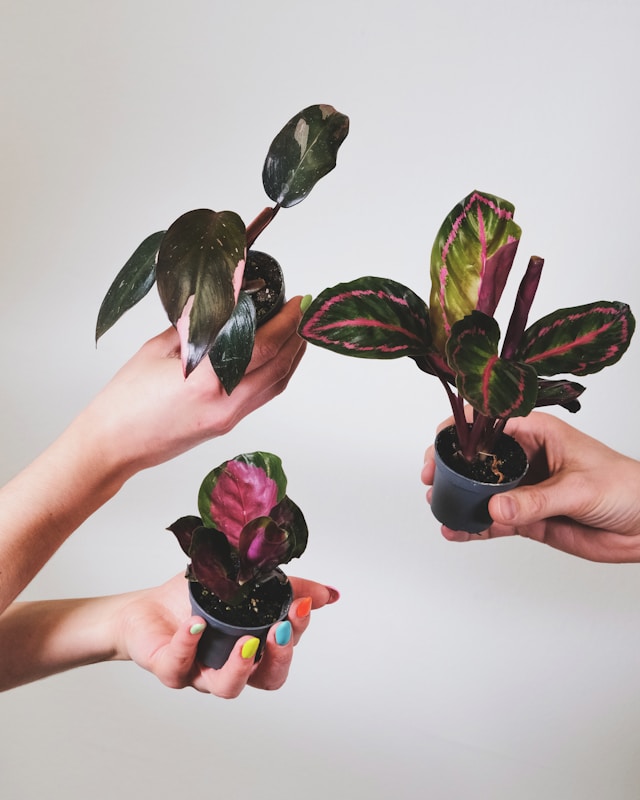
Table of Contents
How to Grow and Care for Philodendron Pink Princess:
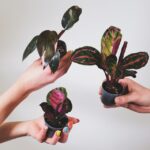
The Philodendron Pink Princess is a highly sought-after tropical houseplant admired for its striking dark green leaves splashed with vibrant pink variegation. This slow-growing perennial is relatively easy to care for indoors when provided with bright light and consistent moisture, making it a favorite among collectors and indoor plant enthusiasts.
| Common Name | Pink Princess Philodendron |
| Botanical Name | Philodendron erubescens ‘Pink Princess’ |
| Family | Araceae |
| Plant Type | Perennial, climbing houseplant |
| Mature Size | 2–4 ft. tall, 1–2 ft. wide (vines can grow longer with support) |
| Sun Exposure | Bright indirect light |
| Soil Type | Well-drained, airy potting mix |
| Soil pH | Slightly acidic to neutral |
| Hardiness Zones | 9–11 (USDA) |
| Native Area | South America |
| Toxicity | Toxic to humans and pets |
Types of Philodendron Pink Princess:
Although the Philodendron Pink Princess is officially a single cultivar, growers and collectors often categorize it into informal types based on leaf appearance, variegation patterns, and color intensity. These visual differences help plant enthusiasts describe and identify the unique beauty of each specimen.
- High Variegation Pink Princess
- Large pink patches or dramatic half-moon leaves with less green tissue.
- Slower growing but highly valued for its bold ornamental variegation.
- Low Variegation Pink Princess
- Mostly green foliage with small pink speckles or streaks.
- Faster growth and easier care due to higher chlorophyll levels.
- Marble Pink Princess
- Balanced mix of green, pink, and burgundy marbling across leaves.
- Attractive decorative appearance with steady growth.
- Dark Pink Princess
- Deep burgundy leaves accented with subtle pink highlights.
- Creates a rich, dramatic foliage effect compared to brighter forms.
- Reverted Pink Princess
- Leaves turn mostly green with little or no pink variegation.
- Proper pruning and light conditions may help restore variegation.
- Half-Moon Pink Princess
- Leaves split between green and pink sections in striking patterns.
- Rare and highly prized by collectors for its unique appearance.
In the Philodendron Pink Princess, low-variegation plants are generally the easiest to grow because their higher green leaf content supports stronger photosynthesis, leading to faster and more resilient growth. However, highly variegated and half-moon forms are considered the most desirable and visually striking, prized for their bold pink patterns and rarity, even though they tend to grow more slowly and require more attentive care.
How to Grow Philodendron Pink Princess from Seeds:
The Philodendron Pink Princess is a cultivated hybrid and is rarely grown from seed. Seeds are difficult to obtain, and plants grown from seed usually do not retain the signature pink variegation, which is why propagation is typically done through stem cuttings.
Steps to Grow from Seeds:
- Prepare the growing medium
Use a sterile, well-draining mix such as peat moss with perlite or coco coir. Light, airy soil prevents rot and supports root development. - Sow the seeds
Scatter seeds on the surface and lightly press them into the soil without burying deeply, as they need light to germinate. - Provide warmth and humidity
Keep temperatures around 75–80°F (24–27°C) and cover the tray with a humidity dome or plastic wrap to maintain moisture. - Water carefully
Mist the soil to keep it evenly moist but not soggy. Overwatering can cause fungal issues and seed rot. - Ensure bright indirect light
Place the container in bright indirect light to encourage germination without overheating the seeds. - Transplant seedlings
Once seedlings develop a few true leaves, move them into small pots with an airy aroid mix.
When grown from seed, a Philodendron Pink Princess often loses the signature pink variegation because the pink color is genetically unstable. Seed-grown plants usually produce mostly green leaves, so they may not resemble the striking pink-patterned parent plant that makes this cultivar so popular.
Propagating Philodendron Pink Princess:
Propagating the Philodendron Pink Princess through stem cuttings is by far the easiest and most reliable method for home gardeners. Unlike growing from seed, cuttings allow you to preserve the plant’s distinctive pink variegation, ensuring that each new plant looks just like the parent. This method is fast, beginner-friendly, and highly effective for expanding your collection while keeping the vibrant pink leaves intact.
Methods to Propagate Philodendron Pink Princess:
- Stem Cuttings: The most common and reliable method, preserving the pink variegation.
- Air Layering: Ideal for larger or mature plants to produce strong new roots while still attached to the parent.
How to Propagate Philodendron Pink Princess Through Stem Cuttings:
Propagating Philodendron Pink Princess via stem cuttings is the easiest and most reliable way to grow new plants while retaining the vibrant pink variegation.
Steps to Propagate via Stem Cuttings:
- Choose a Healthy Stem
Select a stem with at least one node and a few healthy leaves. The node is where roots will develop. - Make a Clean Cut
Using sterilized scissors or a knife, cut just below the node to prevent infection and encourage rooting. - Remove Lower Leaves
Trim leaves near the cutting’s base to prevent them from rotting when placed in water or soil. - Root in Water or Soil
Place the cutting in a jar of water or a moist, well-draining potting mix. Keep it in bright, indirect light. - Maintain Humidity and Care
Keep the environment humid and soil or water consistently moist. Roots usually develop within 2–4 weeks. - Transplant to Pot
Once roots are 2–3 inches long, plant the cutting in a small pot with airy, well-draining soil and continue regular care.
How to Propagate Philodendron Pink Princess Through Air Layering:
Air layering is a great method for propagating Philodendron Pink Princess, especially for larger or mature plants. It allows roots to develop on a stem while it’s still attached to the parent, producing a stronger, more established plant. However, this method can be tricky for beginners, as it requires careful handling and consistent moisture to succeed.
Steps to Air Layer a Philodendron Pink Princess:
- Select a Healthy Stem
Choose a mature, flexible stem with at least one node and a few healthy leaves. - Make a Small Cut or Wound
Gently remove a small section of the stem’s outer layer just below a node to expose the inner tissue. - Apply Rooting Hormone (Optional)
Dust the wounded area with rooting hormone to encourage faster root growth. - Wrap with Moist Sphagnum Moss
Cover the wounded section with damp sphagnum moss, ensuring it stays in contact with the cut. - Secure with Plastic Wrap or Foil
Wrap the moss with clear plastic or foil to hold moisture, and secure both ends with twist ties or string. - Wait for Roots to Develop
Keep the moss consistently moist and check after 3–6 weeks for root growth. - Cut and Pot
Once roots are visible through the moss, cut below the new root ball and plant the stem in well-draining soil.
Potting and Repotting Philodendron Pink Princess:
Proper potting and repotting are key to keeping your Philodendron Pink Princess healthy and vibrant. Using well-draining soil, choosing the right pot size, and repotting when roots become crowded ensures strong growth and helps maintain the plant’s striking pink variegation. With careful attention, your Pink Princess will thrive and continue to be a stunning addition to your indoor garden.
Potting Tips:
- Use a well-draining, airy potting mix such as a blend of peat moss, perlite, and orchid bark.
- Choose a pot with drainage holes to prevent waterlogging and root rot.
- Start with a slightly snug pot; Pink Princess prefers being a little root-bound initially.
Repotting Tips:
- Repot every 1–2 years or when roots start crowding the pot.
- Gently remove the plant, untangle the roots, and trim any damaged or rotted roots.
- Place the plant in fresh, airy soil and a pot just one size larger than the previous.
- Water lightly after repotting and keep in bright, indirect light until the plant adjusts.
Signs your Plant Needs Repotting:
- Roots growing out of drainage holes
- Soil dries out very quickly
- Slow or stunted growth
- Top-heavy or tipping plant
- Yellowing or dropping leaves
- White salt or mineral build-up on soil
Best Soil Mixture for Philodendron Pink Princess:
The Philodendron Pink Princess thrives in a well-draining, airy soil mix that mimics its natural tropical environment. A good mixture helps prevent root rot while allowing the roots to breathe and retain enough moisture for growth.
Recommended Soil Mix:
- 40% Peat Moss or Coco Coir – retains moisture without becoming soggy
- 30% Perlite – improves aeration and drainage
- 20% Orchid Bark or Pine Bark – adds structure and prevents compacting
- 10% Activated Charcoal (optional) – keeps soil fresh and reduces toxins
Tip: You can also add a small amount of worm castings or slow-release fertilizer to support healthy growth, especially for maintaining the pink variegation.
Philodendron Pink Princess Care Guide:
The Philodendron Pink Princess is a stunning tropical houseplant prized for its dark green leaves with vibrant pink variegation. While it’s relatively low-maintenance, following the right care routine ensures healthy growth and maintains its striking pink foliage.
Light:
This plant thrives in bright, indirect light. Avoid direct sunlight, which can scorch the leaves, and low light, which reduces the pink variegation.
Providing the right light is key for your Pink Princess to develop vibrant pink leaves. If natural light is limited, our guide on Best Grow Lights for Pink Princess Philodendron (How to Use Them Correctly) explains how to choose and schedule grow lights for healthy growth.
Water:
Keep the soil evenly moist but never soggy. Water when the top 1–2 inches of soil are dry, and reduce watering during winter.
Soil:
Use a well-draining, airy mix such as peat moss or coco coir combined with perlite and orchid bark. Proper drainage prevents root rot and promotes healthy growth.
Temperature and Humidity:
Philodendron Pink Princess grows best in 65–80°F (18–27°C) with high humidity. Protect it from cold drafts and sudden temperature changes, and use a humidifier if needed.
Fertilizer:
Feed every 4–6 weeks during spring and summer with a balanced liquid fertilizer. Cut back in fall and winter when the plant’s growth naturally slows.
Leaf cleaning and maintenance:
Regularly cleaning your Philodendron Pink Princess leaves keeps them healthy and vibrant. Wipe with a soft, damp cloth or rinse under lukewarm water, and remove any yellow or damaged leaves. Avoid chemical leaf shines, which can harm the plant.
Sustaining the Pink Variegation:
One of the most common concerns with Pink Princess Philodendrons is losing that vibrant pink color. Maintaining proper light, temperature, and nutrition is key to keeping the variegation strong. For a deeper dive into why your plant might be losing its pink leaves and practical tips to fix it, check out Why Your Philodendron Pink Princess Isn’t Pink (and How to Fix It)
Common Pests & Plant Diseases:
Philodendron Pink Princess is generally a resilient houseplant, but improper care, low light, or poor airflow can make it susceptible to pests and diseases. Early detection and proper maintenance help keep the plant healthy and preserve its vibrant pink leaves.
Mealybugs – Small white, cotton-like insects that hide near leaf nodes and suck plant sap, causing weak growth and dull foliage.
Spider mites – Tiny pests that create fine webbing and lead to speckled or yellowing leaves, especially in dry indoor conditions.
Aphids – Soft-bodied insects that cluster on new shoots, causing curling leaves and sticky residue.
Root rot – Caused by overwatering or poorly draining soil, leading to mushy roots and yellowing leaves.
Leaf spot diseases – Fungal or bacterial infections that appear as brown or black spots, often triggered by excess moisture and low airflow.
Inspect your plant regularly, ensure bright indirect light, maintain good airflow, and avoid overwatering to prevent issues. If problems arise, treat early with neem oil or insecticidal soap for pests, and improve watering and drainage to manage fungal or root-related diseases. Learn how to identify and treat common plant pests and diseases.
FAQs
How much light does a Pink Princess Philodendron need?
Pink Princess thrives in bright, indirect light. Too much direct sunlight can scorch the leaves, while low light reduces pink variegation and slows growth.
How fast do Philodendron Pink Princess plants grow?
They are slow to moderate growers, especially highly variegated plants. Growth is faster under optimal conditions with bright indirect light, proper watering, and humidity.
Why are Pink Princess Philodendrons so expensive?
Their price is high because the pink variegation is rare and unstable, and propagation takes time. Highly variegated or unique patterns are particularly sought after by collectors.
How often should I water my Pink Princess?
Water when the top 1–2 inches of soil feel dry. Avoid overwatering, as soggy soil can cause root rot, and reduce watering during the plant’s slower winter growth.
Can I propagate Pink Princess from leaves?
No, propagation requires a stem cutting with at least one node, as roots form only from nodes, not from individual leaves.
Do Pink Princess Philodendrons climb or hang?
Pink Princess Philodendrons are naturally climbing plants. They can grow upward when given a support like a moss pole or trellis, but their trailing vines also make them suitable for hanging baskets, giving you flexible display options.