
If you’re wondering how to grow and care for heartleaf philodendron, this guide covers everything you need for healthy indoor growth. Learn essential tips on light, watering, soil, and maintenance to keep your plant lush and thriving year-round.
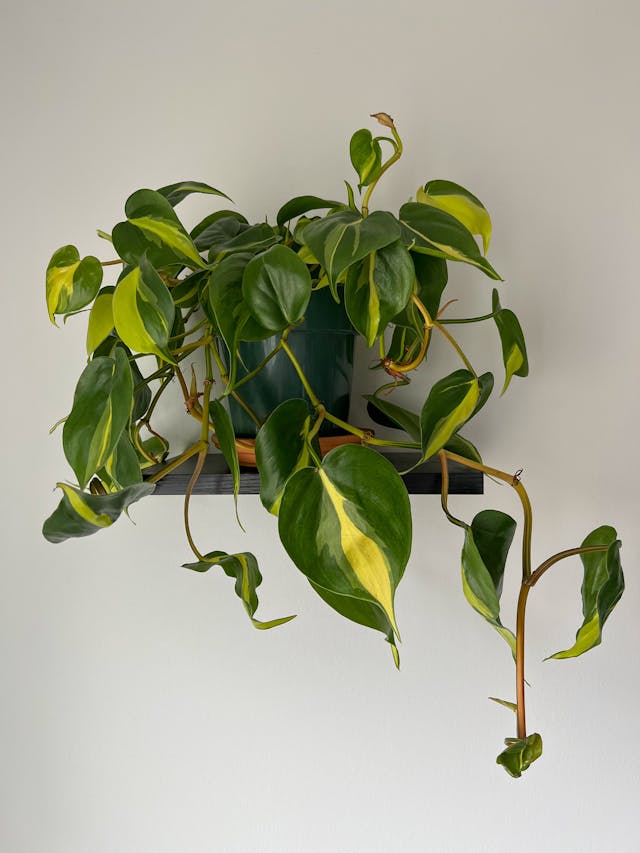
Table of Contents
The heart-leaf philodendron (Philodendron hederaceum) is a tropical plant valued for its glossy, deep-green foliage. This perennial is widely loved as a low-maintenance houseplant that grows well with little care, making it a great option for indoor gardeners.
| Common Name | Heart-leaf philodendron, sweetheart plant |
| Botanical Name | Philodendron hederaceum |
| Family | Araceae |
| Plant Type | Perennial |
| Mature Size | 1-3 ft. wide, 3-13 ft. long |
| Sun Exposure | Partial |
| Soil Type | Well-drained |
| Soil pH | Acidic, neutral |
| Hardiness Zones | 9–11 |
| Native Areas | Central America, South America |
| Toxicity | Toxic to humans, toxic to pets |
Types of Heart-leaf Philodendron:
Heart-leaf philodendron is a popular trailing houseplant loved for its attractive heart-shaped leaves and easy-care nature. Native to tropical environments, it adapts well to indoor conditions and thrives with minimal maintenance. Over time, several varieties have been developed, offering different colors, textures, and variegation patterns. These types add visual interest while keeping the same beginner-friendly growth habits. Whether you prefer classic green foliage or vibrant variegated leaves, there’s a heartleaf philodendron for every indoor plant collection.
- Classic Green Heartleaf – The most common variety with smooth, glossy dark-green leaves and fast trailing growth. It’s highly adaptable, making it perfect for beginners and hanging baskets.
- Brasil – A popular variegated type featuring green leaves with bold lime or yellow stripes down the center. Its colorful foliage makes it a great choice for brightening shelves and planters.
- Lemon Lime – Recognized for its vibrant chartreuse leaves that stay bright even in indoor conditions. This variety adds a fresh, modern look and pairs well with darker foliage plants.
- Micans (Velvet Philodendron) – Known for soft, velvety leaves with bronze, burgundy, and deep-green tones that shift with lighting. It has a more delicate, elegant appearance compared to the classic type.
- Variegated Heartleaf – Displays irregular splashes of cream, yellow, or light green on each leaf, making every plant unique. Variegated forms often grow slightly slower but offer strong decorative appeal.
The Classic Green Heartleaf philodendron is the most common variety in households due to its affordability, resilience, and ability to thrive in typical indoor conditions with minimal care. It is also the fastest-growing type, producing long trailing vines rapidly when provided with bright indirect light and consistent watering, whereas variegated varieties like Brasil or other patterned forms generally grow a bit slower because their leaves contain less chlorophyll.
How to Grow Heart-leaf Philodendron from Seed:
Although most philodendrons are started from leaf stem cuttings it is possible to grow them from seed. Here is the best method:
Steps to Grow from Seeds:
- Use fresh heartleaf philodendron seeds and sow them on the surface of a light, well-draining potting mix.
- Mist gently to keep soil moist and place the container in warm, humid conditions with bright indirect light.
- Expect philodendron seed germination within 2–6 weeks; avoid letting the soil dry out.
- Once seedlings develop 2–3 leaves, transplant them into small pots with airy houseplant soil.
- Provide consistent moisture and indirect light to support healthy heartleaf philodendron growth.
Propagating Heart-leaf Philodendron:
Heart-leaf philodendron is widely considered one of the easiest houseplants to propagate, making it ideal for beginners. Its fast-growing vines naturally produce nodes that root quickly, allowing you to create new plants with minimal effort. With just a simple cutting and the right conditions, propagation success rates are usually very high.
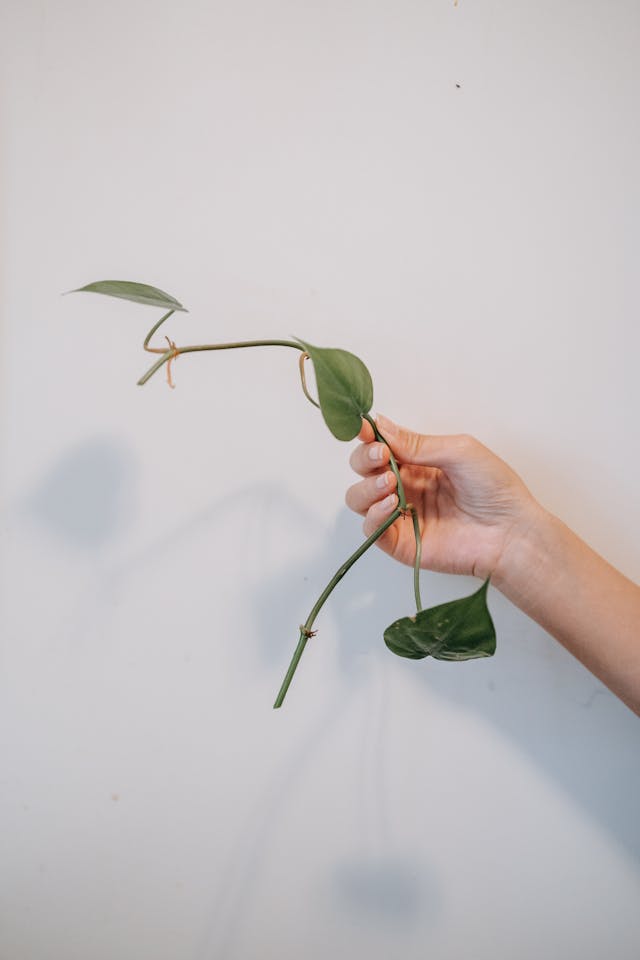
Propagation Steps:
- Take a healthy vine cutting just below a node during spring or summer, when active growth improves rooting success, ensuring it has at least 1–2 leaves.
- Place the cutting in water or moist, well-draining soil to encourage root growth.
- Keep the cutting in bright, indirect light and maintain consistent moisture.
- Roots typically develop within 1–3 weeks; change water regularly if propagating in water.
- Once roots are a few centimeters long, transplant into soil and continue normal care.
Potting and Repotting Heart-leaf Philodendron:
Heart-leaf philodendron grows best in a slightly snug pot with well-draining soil, but it will eventually need repotting as roots expand. Proper potting and timely repotting support healthy growth, prevent root binding, and encourage fuller trailing vines.
Potting and Repotting Steps:
- Use a pot with drainage holes and a light, airy houseplant mix containing peat/coco coir and perlite.
- Choose a pot only 1–2 inches larger than the root ball to avoid excess moisture retention.
- Repot every 1–2 years or when roots circle the pot or emerge from drainage holes.
- Gently loosen root-bound plants before placing them into fresh soil.
- Water lightly after repotting and keep in bright indirect light to reduce transplant stress
Signs your Plant Needs Repotting:
- Roots growing out of drainage holes or circling the soil surface
- Water draining too quickly or soil drying out faster than usual
- Slowed growth despite proper light and watering
- Plant becoming top-heavy or tipping over easily
- Soil staying compacted or no longer holding moisture properly
Heart-leaf Philodendron Care:
Heart-leaf philodendron is a low-maintenance houseplant that thrives in typical indoor conditions, making it ideal for beginners. With proper light, balanced watering, and occasional feeding, this trailing plant grows quickly and maintains lush, healthy foliage.
Light:
Heart-leaf philodendron prefers bright, indirect light but can tolerate low-light conditions. Avoid harsh direct sun, which can scorch leaves, while moderate light encourages fuller growth and longer vines.
Soil:
Use a light, well-draining potting mix soil that retains some moisture without becoming soggy. A blend containing peat or coco coir with perlite works well to support healthy root development.
Water:
Water heartleaf philodendron when the top 2–3 cm of soil feels dry. In most indoor conditions, this usually means watering every 7–10 days, though frequency may vary with light, temperature, and humidity. Always avoid soggy soil, as overwatering can lead to root rot.
Temperature and Humidity:
This plant grows best in temperatures between 18–27°C and appreciates moderate to high humidity. However, it adapts well to normal indoor humidity levels.
Fertilizer:
Feed with a balanced liquid houseplant fertilizer every 4–6 weeks during spring and summer. Reduce feeding in fall and winter when growth naturally slows.
Leaf cleaning and maintenance:
Wipe the leaves gently with a soft, damp cloth to remove dust, which helps the plant photosynthesize efficiently and keeps the foliage looking glossy and healthy.
Pruning:
Prune heart-leaf philodendron to control length, encourage bushier growth, and remove damaged foliage. The best time to prune is during spring and summer when the plant is actively growing. Use clean, sharp scissors to cut just above a node (the small bump where leaves and roots form), as this is where new shoots will emerge. You can also remove yellow, leggy, or overcrowded vines at their base to maintain a fuller, healthier plant shape.
Regular pruning keeps heart-leaf philodendron healthy, encourages fuller growth, and helps maintain an attractive trailing shape. With proper timing and clean cuts above nodes, pruning not only improves plant appearance but also provides cuttings that can be easily propagated into new plants.
Common Pests & Plant Diseases:
Heart-leaf philodendron is generally a resilient houseplant, but improper care or low airflow can make it vulnerable to pests and diseases. Early detection and proper maintenance help keep the plant healthy and prevent serious damage.
- Mealybugs – Small white, cotton-like insects that hide near leaf joints and suck plant sap, causing weak growth.
- Spider mites – Tiny pests that create fine webbing and lead to speckled or yellowing leaves, especially in dry conditions.
- Aphids – Soft-bodied insects that cluster on new growth and cause leaf curling and sticky residue.
- Root rot – Caused by overwatering and poor drainage, leading to mushy roots and yellowing foliage.
- Leaf spot diseases – Fungal or bacterial infections that appear as brown or black spots on leaves, often due to excess moisture and poor airflow.
Inspect your plant regularly, maintain good airflow, avoid overwatering, and wipe leaves clean to prevent pest and disease issues. If problems appear, treat early using neem oil or insecticidal soap for pests and improve watering and drainage to manage fungal or root-related diseases.
Common Problems With Heart-leaf Philodendron:
Heartleaf philodendron is an easy-care houseplant, but occasional problems can arise due to watering mistakes, lighting issues, or environmental stress. Identifying symptoms early helps you correct care routines and keep the plant healthy and thriving.
Yellow leaves: Yellowing leaves are often a sign of overwatering or poor drainage that leads to root stress. Check soil moisture before watering and ensure the pot has drainage holes. Removing affected leaves and allowing the soil to dry slightly can help recovery.
Brown leaf tips: Brown tips usually result from low humidity, inconsistent watering, or fertilizer salt buildup. Increase humidity, maintain a steady watering schedule, and occasionally flush soil with water to remove excess salts.
Leggy growth: Long, sparse vines with wide gaps between leaves indicate insufficient light. Move the plant to a brighter spot with indirect sunlight and prune leggy stems to encourage fuller growth.
Drooping leaves: Drooping can occur from underwatering, overwatering, or sudden temperature changes. Check soil moisture and adjust watering accordingly while keeping the plant away from drafts or heat sources.
Leaf discoloration or fading: Faded or scorched leaves often happen when exposed to direct sunlight. Relocate the plant to bright indirect light and trim damaged foliage to promote fresh growth.
Slow growth: Slow growth may be caused by low light, lack of nutrients, or root-bound conditions. Provide brighter indirect light, fertilize during the growing season, and repot if roots are crowded.
Is heart-leaf philodendron fast growing?
Yes, heart-leaf philodendron is a fast-growing vine, especially in bright indirect light with consistent watering and occasional fertilization. Under good conditions, it can quickly produce long trailing stems.
How often should you water heart-leaf philodendron?
Water when the top 2–3 cm of soil feels dry. This usually means watering every 7–10 days, but frequency varies depending on light, temperature, and humidity.
Do heart-leaf philodendron like deep or wide pots?
They prefer moderately deep pots with good drainage rather than very wide containers, as their roots grow downward and thrive in slightly snug conditions.
How to make heart-leaf philodendron leaf size bigger?
Increase light exposure, provide balanced fertilizer, maintain proper watering, and offer support like a moss pole to encourage larger, healthier leaves.
How to make heart-leaf philodendron grow faster?
Provide bright indirect light, maintain consistent moisture, fertilize monthly during the growing season, and prune tips to encourage bushier and faster growth.
Disadvantages of heart-leaf philodendron
The plant is toxic if ingested by pets or children, can become leggy in low light, and may attract common indoor pests if humidity and airflow are poor.