
How to grow aloe vera is a common question for beginners who want an easy to grow indoor plant. In this guide, you’ll learn how to grow aloe vera from seed, propagate it, and care for it successfully indoors.
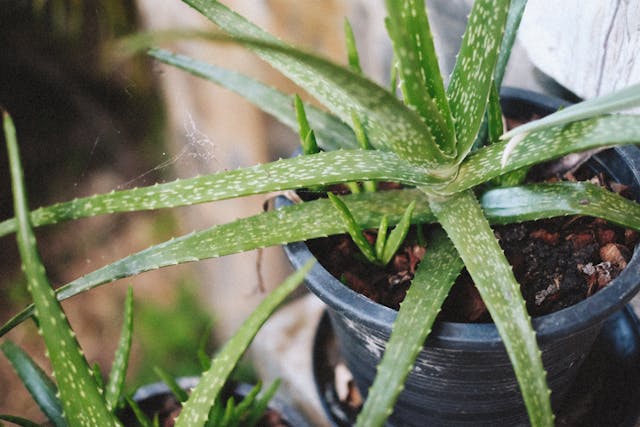
Table of Contents
| Botanical Name | Aloe vera |
| Plant Type | Cacti/ Succulents |
| Sun Exposure | Full Sun, Part Sun |
| Soil PH | Neutral |
| Bloom Time | Spring, Summer, Fall |
| Flower Color | Orange, Pink, Red, Yellow |
| Hardiness Zone | 10, 11 |
Aloe vera is an easy to grow indoor plant that’s ideal for both beginners and experienced gardeners. Its low-maintenance nature and ability to thrive indoors make it a popular choice for home spaces, and its gel is widely used to help soothe minor burn wounds. Growing aloe vera from seed and understanding its simple propagation and care can be a fun and rewarding process. With minimal effort, this easy to grow indoor plant can flourish and add lasting greenery to your indoor garden.
About Aloe Vera:
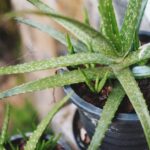
Aloe vera is a succulent plant species of the genus Aloe. Aloe vera has thick, fleshy green leaves that grow in a rosette shape, with pointed tips and soft serrated edges. Its leaves are filled with a clear gel and give the plant a plump, sculptural look that stands out indoors.
How To Grow Aloe Vera:
Learning how to grow aloe vera is simple and rewarding, making it a great choice for beginners. This easy to grow indoor plant thrives with minimal care and adapts well to home environments. Whether you start from seed or propagate an existing plant, aloe vera grows best with the right balance of light, soil, and watering. With a few basic steps, you can successfully grow a healthy aloe vera plant that lasts for years.
How To Grow Aloe Vera From Seeds:
Although aloe vera is easy to find in stores nowadays, there’s something special about growing a plant from seed yourself. If you’re like me and enjoy the process of nurturing plants from the very beginning, it’s a rewarding experience. You’re in the right place to learn how to grow aloe vera from scratch and watch it thrive.
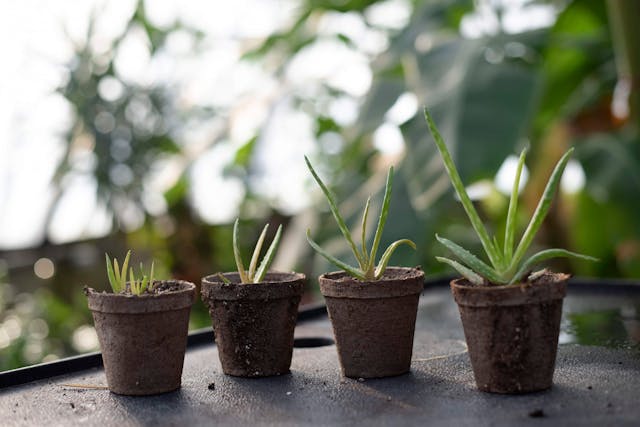
Steps to Grow Aloe Vera from Seeds:
- Step 1: Prepare the right soil
Start with a well-draining cactus or succulent mix. Fill a shallow tray or small pots and lightly moisten the soil so it’s damp but not wet. Good drainage is key to preventing rot. - Step 2: Plant the seeds
Sprinkle the seeds evenly over the soil and gently press them in. Cover them with a very thin layer of sand or soil, just enough to hold them in place. - Step 3: Create a mini greenhouse
Cover the container with plastic wrap or a clear lid to trap warmth and humidity. Place it in a warm spot with bright, indirect light. Aloe seeds germinate best in warm conditions. - Step 4: Keep moisture consistent
Mist the soil regularly to keep it slightly moist. Avoid overwatering, as soggy soil can damage young seedlings. Germination usually takes about 2–4 weeks. - Step 5: Remove the cover after sprouting
Once seedlings appear, remove the cover to improve airflow. Continue providing bright, indirect light to encourage healthy growth. - Step 6: Transplant young plants
When seedlings are large enough to handle, carefully move them into individual pots with fresh, well-draining soil. - Step 7: Care for growing aloe plants
Water sparingly and let the soil dry out between waterings. Gradually introduce the plants to more sunlight as they mature.
Pro Tips:
- Use a spray bottle instead of pouring water to avoid disturbing seeds
- Keep temperatures between 68–77°F (20–25°C) for faster germination
- Be patient, aloe grown from seed takes time but grows stronger roots
Learn how to harvest seeds from an aloe vera flower in this simple guide.
Propagation of Aloe Vera:
There are several ways to grow a succulent like aloe vera, including from seeds, leaf cuttings, offsets, or stems. Before we dive into the specific methods of propagating aloe vera, it helps to understand what propagation actually means.
Propagation is the process of creating new plants from an existing one by using parts like seeds, leaves, or stems to grow healthy new plants.
How To Grow Aloe Vera From Leaves:
Growing aloe vera from leaves is possible, but it requires patience and the right technique. While this method is less reliable than using offsets, you can still try it if you want to experiment with propagating aloe from a single leaf.
Steps to grow Aloe Vera from Leaves:
- Step 1:Select and cut a healthy leaf with some stem attached
Choose a thick, mature leaf from a healthy aloe plant and carefully remove it with a small portion of the stem or base attached. Use a sterilized knife and make a clean cut. Having some stem tissue attached increases the chances of successful growth, as a leaf alone is unlikely to root. - Step 2: Let the leaf dry and callous
Place the cut leaf in a dry, shaded area for a few days until the end forms a callous. This step is important because it helps prevent rot after planting. - Step 3: Plant in well draining succulent soil
Insert the calloused end into a pot filled with cactus or succulent soil. Make sure the soil drains well to avoid excess moisture. - Step 4: Water lightly and carefully
Mist the soil lightly and keep it slightly moist, not wet. Overwatering is the main reason leaf cuttings fail. - Step 5: Provide warm, bright indirect light
Place the pot in a warm location with bright, indirect sunlight. With time, roots or small growth may begin to develop.
Important tip: Growing aloe vera from leaves has a lower success rate than propagating from offsets, so do not be discouraged if some leaves do not root.
How To Grow Aloe Vera From Offsets:
Growing aloe vera from offsets is the easiest and most reliable way to propagate a healthy new plant. Offsets, also called pups, are small baby plants that grow around the base of a mature aloe.
Pups or offsets are small baby aloe plants that grow at the base of a mature parent plant. They develop their own roots and can be separated and replanted to grow into new, independent aloe plants.
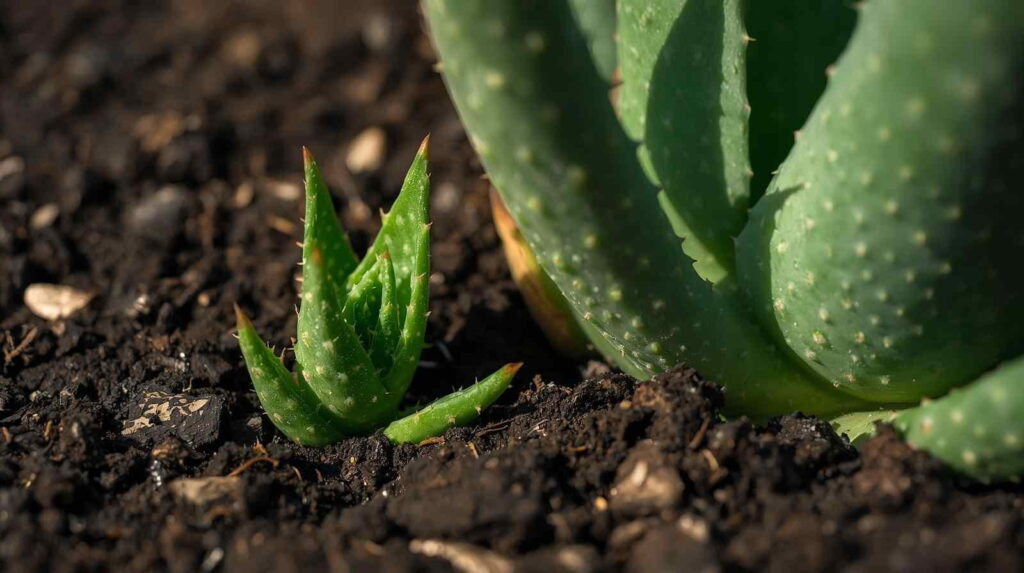
Steps to grow Aloe Vera from Pups or Offsets:
- Step 1: Identify healthy offsets
Look for small offsets growing around the base of the parent plant. Choose pups that are a few inches tall and have their own roots. - Step 2: Gently remove the offset
Carefully take the plant out of its pot and separate the offset from the parent. Use your hands or a clean knife to detach it without damaging the roots. - Step 3: Let the offset dry briefly
Allow the separated offset to sit in a dry place for a few hours so any cuts can dry. This helps reduce the risk of rot. - Step 4: Plant in well draining soil
Place the offset in a small pot filled with cactus or succulent soil. Gently firm the soil around the roots to keep the plant stable. - Step 5: Water lightly after planting
Give a small amount of water to help the roots settle, then let the soil dry out between waterings. Aloe plants prefer dry conditions. - Step 6: Provide bright indirect light
Keep the new plant in a warm spot with bright, indirect sunlight. As it establishes, you can gradually introduce it to more light.
Pro tip: Offsets grow faster than seed or leaf cuttings and usually establish strong roots within a few weeks.
How To Grow Aloe Vera From Stem Cuttings:
Growing aloe vera from a stem cutting only works if the cutting already has some roots attached. In this case, you are essentially planting a small division that can establish itself with proper care.
- Step 1: Check the roots
Make sure the stem cutting has healthy, firm roots attached. Trim away any soft or damaged parts with a clean knife. - Step 2: Let the cutting dry briefly
Allow the cut area to dry for a few hours in a shaded place. This helps prevent rot after planting. - Step 3: Plant in well draining soil
Place the rooted cutting in a pot filled with cactus or succulent soil. Gently cover the roots and firm the soil to keep the plant stable. - Step 4: Water lightly after planting
Give a small amount of water to help settle the soil. After that, let the soil dry out between waterings to avoid overwatering. - Step 5: Provide bright indirect light
Keep the pot in a warm spot with bright, indirect sunlight. Avoid harsh direct sun while the plant is establishing. - Step 6: Monitor new growth
Over the next few weeks, watch for signs of new growth. This shows the roots are settling and the plant is adapting well.
Tip: Avoid overwatering during the first few weeks. Slightly dry conditions help the roots grow stronger and reduce the risk of rot.
How To Get Your Aloe Vera TO Flower:
Getting an aloe vera plant to flower indoors can be a rewarding sign that it’s healthy and well cared for. While blooming is not very common indoors, the right conditions can encourage your plant to produce a beautiful flower stalk.
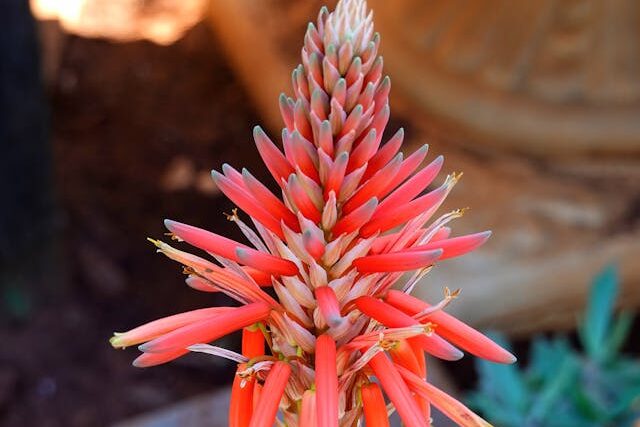
Aloe vera produces a tall flower stalk with clusters of tubular yellow or orange blooms that rise above the leaves. The flowers are slender and vibrant, adding a striking touch to the plant’s simple, sculptural shape.
- Lighting Requirements
Place your Aloe vera in the brightest indoor spot you have, ideally a south or west facing window. Aloe needs strong light to build the energy required to bloom. - Plant Maturity and Age
Only healthy, mature plants, usually 3 to 4 years old or older, will flower, so patience is important. - Proper Watering
Allow the soil to dry out completely between waterings, since overwatering can prevent blooming. - Temperature Conditions
Slightly cooler winter temperatures around 55–65°F (13–18°C) help trigger flowering. - Fertilizing Schedule
Feed with a diluted succulent fertilizer once or twice during the growing season.
Aloe Vera Care Guide for Beginners:
Growing an aloe vera plant is only half the job, because proper care is what keeps it healthy and thriving. After planting, it’s important to focus on the right light, watering, and environment so the plant can continue to grow strong. With consistent care, your aloe vera will stay vibrant and last for years indoors.
- Light
Place your aloe in bright, indirect sunlight. A south or west facing window is ideal for healthy growth. - Watering
Water deeply but infrequently, and always let the soil dry out completely between waterings. - Temperature
Keep the plant in warm conditions between 55–80°F (13–27°C) and protect it from cold drafts. - Soil
Use well draining cactus or succulent soil to prevent excess moisture around the roots. - Pot and drainage
Choose a pot with drainage holes, preferably terracotta, to help excess water escape. - Fertilizer
Feed lightly with diluted succulent fertilizer once or twice during the growing season. - Humidity
Normal indoor humidity is perfect. Aloe prefers dry air and does not need misting. - Maintenance
Remove dead or damaged leaves at the base to keep the plant healthy and tidy.
Aloe Vera Pests/Diseases:
Even though Aloe vera is a hardy and low-maintenance plant, it can still face a few pest and disease problems, especially when overwatered or stressed.
Common Pests:
- Mealybugs: Small white, cotton-like insects that hide between leaves and suck plant sap.
- Aphids: Tiny green or black insects that cluster on new growth and can weaken the plant.
- Spider mites: Very small pests that cause speckled, dusty-looking leaves, especially in dry indoor air.
Common Diseases:
- Root Rot: The most common issue, caused by overwatering and poor drainage. Leaves become soft, yellow, and mushy.
- Fungal Infections: Dark spots or soft patches on leaves can appear if the plant stays too wet.
Prevention Tips:
- Use well-draining succulent soil
- Avoid overwatering
- Ensure good airflow
- Keep leaves dry
- Inspect the plant regularly
How to Grow Aloe Vera – Frequently Asked Questions:
Can I grow aloe vera from a leaf cutting?
Aloe vera cannot be grown from a leaf alone. If you cut just the leaf and plant it, it will usually rot instead of producing roots. However, if the leaf is removed with a small portion of the stem or base attached, there is a chance it may grow, especially if some root tissue is present.
Why is my aloe vera plant turning yellow?
Yellow leaves are usually caused by overwatering or poor drainage. Make sure the soil dries out completely between waterings and use a well-draining succulent mix.
How do I know if my aloe vera is overwatered?
Signs of overwatering include soft, mushy leaves, yellowing, and a drooping appearance. In severe cases, the roots may rot due to excess moisture.
What is the easiest way to propagate aloe vera?
The easiest way to propagate aloe vera is by separating the small offsets, also called pups, from the base of a mature plant. This method is faster and more reliable than growing from seed.
How much sunlight does aloe vera need indoors?
Aloe vera grows best in bright, indirect sunlight for at least 6 hours a day. A south or west facing window is usually ideal.