
If you’ve ever wanted fresh vegetables but don’t have a garden, tools, or expensive setups, the good news is that you can grow vegetables indoors without equipment. Many vegetables can grow easily using simple household items, natural light, and a little patience. You don’t need grow lights, hydroponic systems, or specialized gardening gear to get started.
The good news is that it’s completely possible to grow vegetables indoors without any equipment. With a little creativity and a few everyday household items, you can start growing fresh greens, herbs, and small vegetables right inside your home. Windowsills, recycled containers, and basic kitchen supplies can replace traditional gardening tools and still give you great results.
In this beginner’s guide, you’ll learn how to grow vegetables indoors without equipment, even if you live in a small apartment with no garden space. Whether you want to save money, eat fresher food, or simply enjoy the process of growing plants, indoor vegetable gardening can be simple, affordable, and surprisingly rewarding.
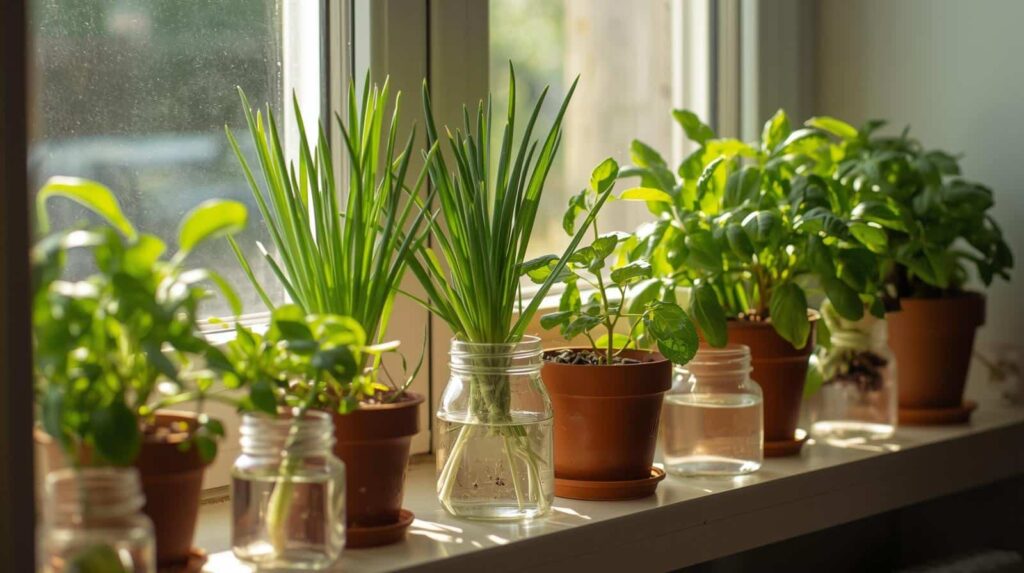
Table of Contents
Can You Really Grow Vegetables Indoors Without Equipment?
Yes, you absolutely can grow vegetables indoors without equipment. While many gardening guides recommend special tools, grow lights, or expensive planters, the truth is that plants only need a few basic things to grow: light, water, and soil. If you can provide these three essentials, many vegetables will grow just fine indoors.
One of the easiest ways to provide light is by using a sunny windowsill. Most leafy greens and small vegetables grow well with several hours of natural sunlight each day. A south-facing or west-facing window is usually ideal, but even bright indirect light can support simple indoor crops like lettuce, spinach, and herbs.
You also don’t need fancy pots or containers. Reused household containers work perfectly for indoor gardening. Items like yogurt cups, plastic bottles, food cans, or old kitchen bowls can easily become plant containers. Just make sure they have small drainage holes so excess water can escape.
By using natural light and repurposing everyday items, you can create a simple indoor garden without spending money on specialized gardening equipment.
What You Actually Need (And You Already Have It)
You don’t need fancy gardening tools or expensive setups to start growing vegetables indoors. Most of the things you need are already available in your home. Here are the basic essentials every plant needs.
Natural Sunlight
Light is one of the most important factors for plant growth. Most indoor vegetables grow well when placed near a bright windowsill that receives several hours of sunlight each day. South-facing or west-facing windows usually provide the best light.
Reusable Containers
Instead of buying pots, you can reuse everyday household items. Containers like yogurt cups, plastic bottles, food cans, glass jars, or old bowls can work perfectly. Just make sure to add small drainage holes at the bottom so extra water can escape.
Basic Potting Soil or Garden Soil
Plants need soil to anchor their roots and absorb nutrients. You can use regular potting soil from a store or even garden soil if it’s loose and well draining. If the soil feels too heavy, mixing in a little sand or compost can improve drainage.
Check out these 7 best soils to grow vegetables indoors.
Water
Like all living things, plants need water to survive. Indoor vegetables usually need light but consistent watering. Keep the soil slightly moist, but avoid overwatering, as this can lead to root rot.
11 Vegetables You Can Grow Indoors Without Any Equipment
If you have a bright windowsill and a little patience, you can successfully grow vegetables indoors without equipment. From leafy greens to small root vegetables, several plants grow well in small spaces and are perfect for beginners.
Below are 11 vegetables you can easily grow indoors without any equipment, using simple household items and natural sunlight.
Green Onion
Lettuce
Spinach
Radish
Cherry Tomatoes
Carrots
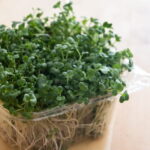
Microgreens
Peppers
Garlic Greens
Basil
Mint
Coriander
Click on any vegetable above to read the complete guide on how to grow it indoors without equipment.
Step-by-Step Guide to Growing Vegetables Indoors
Growing vegetables indoors doesn’t have to be complicated. With a few simple steps and basic household items, you can create a small indoor garden right in your home. Follow this beginner-friendly process to successfully grow vegetables indoors without any special equipment.
Choose the Right Spot
Start by finding a bright location in your home. A sunny windowsill is usually the best option because most vegetables need several hours of natural light each day. South-facing or west-facing windows typically provide the most sunlight for healthy plant growth.
Pick the Right Container
You don’t need to buy expensive pots. Many everyday household items can work as plant containers. Plastic bottles, yogurt cups, food cans, jars, or small bowls can all be reused for growing vegetables. Just make sure to add small drainage holes at the bottom to prevent excess water from collecting.
Use Good Soil
Fill your container with loose, well-draining soil, leaving enough space at the top for watering. Avoid packing it down too tightly, roots need air to grow. You can mix in a little compost or organic matter to give your vegetables extra nutrients, and gently level the soil before planting your seeds.
Plant the Seeds
Fill your container with soil and plant the seeds according to their depth requirements. Most small vegetable seeds only need to be planted about 1–2 cm deep. After planting, lightly cover them with soil and gently press it down.
Water Properly
Water the soil lightly after planting the seeds. Keep the soil consistently moist but not soaked, as too much water can damage young plants. A small cup or spray bottle works well for watering indoor plants.
Harvest Your Vegetables
Once your vegetables grow and mature, you can start harvesting them. Leafy greens like lettuce or spinach can be harvested gradually, while root vegetables or fruits should be picked when they reach the right size. Regular harvesting also encourages plants to keep producing more growth.
Common Mistakes When Growing Vegetables Indoors
Indoor gardening is simple, but beginners often make a few small mistakes that can slow plant growth or damage the vegetables. Avoiding these common issues will help your indoor plants grow healthier and produce better harvests.
Not Enough Sunlight
Light is essential for plant growth. Placing vegetables in a dark corner or far from a window can cause weak, slow growing plants. Always keep your plants near a bright windowsill where they can receive several hours of natural sunlight each day.
Overwatering
One of the most common mistakes is watering too often. When the soil stays constantly wet, plant roots can rot and the plant may start to wilt. It’s better to keep the soil slightly moist rather than soaked. Let the top layer of soil dry a little before watering again.
Using Containers Without Drainage
Containers without drainage holes can trap excess water, which leads to soggy soil and unhealthy roots. Always make small holes at the bottom of containers so extra water can drain out properly.
Planting Too Many Seeds Together
Planting too many seeds in a small container causes overcrowding. When plants compete for light, water, and nutrients, they grow weaker and smaller. Leave enough space between seeds so each plant has room to grow properly.
Tips for Faster Indoor Vegetable Growth
Growing vegetables indoors can be easy, but a few small adjustments can help them thrive faster and healthier. Here are some simple tips to speed up growth:
Rotate Plants for Even Light
Turn your containers every few days so all sides of the plant get sunlight. This prevents plants from leaning toward one side and encourages even, balanced growth.
Use Warm Indoor Spots
Most vegetables grow faster in slightly warm environments. Keep your plants away from cold drafts and place them in bright, warm spots indoors to boost growth.
Harvest Regularly
Picking leaves or small vegetables as they mature encourages plants to keep producing. Frequent harvesting can result in a longer, more productive indoor garden.
Keep Soil Slightly Moist
Consistently moist soil helps roots absorb nutrients efficiently. Avoid overwatering, the soil should feel damp but not soggy.
Grow with Confidence
Indoor vegetable gardening is easier than you think and completely doable, even in a small apartment. With just a sunny spot, some soil, water, and everyday containers, you can grow fresh, healthy vegetables right at home. Don’t worry about equipment or space, start small, stay consistent, and you’ll be amazed at how much you can grow.
Take the first step today, and enjoy the joy of harvesting your own homegrown vegetables!
Frequently Asked Questions
Which vegetables are easiest to grow indoors without equipment?
Easy options include green onions, lettuce, spinach, radishes, microgreens, basil, mint, garlic greens, peppers, and cherry tomatoes. They require minimal space and no special tools.
Do indoor vegetables need sunlight?
Yes, natural sunlight is essential for indoor vegetables. Place your plants near a south-facing window for 4–6 hours a day to ensure healthy growth.
Can I use recycled containers for indoor gardening?
Absolutely! You can use jars, cups, or small pots as containers. Just make sure they have drainage holes to prevent waterlogging.
How often should I water indoor vegetables?
Watering depends on the plant and container size, but generally, keep the soil slightly moist. Avoid overwatering, as indoor plants can easily develop root rot.
How long does it take to grow vegetables indoors?
It varies by plant. Microgreens take 7–14 days, lettuce 3–4 weeks, and cherry tomatoes 2–3 months. Quick-growing vegetables are ideal for beginners.
Can I grow vegetables indoors without soil?
Yes, some vegetables like green onions and lettuce can grow in water using a method called hydroponics, which doesn’t require soil at all.
How can I make my indoor vegetables grow faster?
Ensure they get enough sunlight, water consistently, use proper containers, and rotate plants for even light exposure. Regular harvesting also encourages growth.
Is indoor vegetable gardening worth it?
Yes! Growing vegetables indoors without equipment saves money, provides fresh produce year-round, and is a rewarding hobby even for beginners.