
Imagine picking sweet, sun-ripened cherry tomatoes straight from your kitchen windowsill, in January. No garden, no outdoor space, no green thumb required. Learning how to grow cherry tomatoes indoors is one of the most rewarding things a home grower can do, and it’s far more achievable than most people think.
Indoor tomato growing has surged in popularity, and for good reason. With the right container, a sunny spot or a basic grow light, and a little know-how, you can enjoy a continuous harvest of fresh tomatoes year-round, regardless of the season or your climate. No more waiting for summer. No more watery supermarket substitutes.
In this complete care guide, we’ll walk you through everything, from choosing the best varieties for indoor growing and setting up your space, to watering, feeding, pollinating by hand, and troubleshooting common problems. Whether you’re a first-time grower or looking to level up your indoor garden, this guide has you covered.
In This Article
Can Cherry Tomatoes be Grown Indoors?
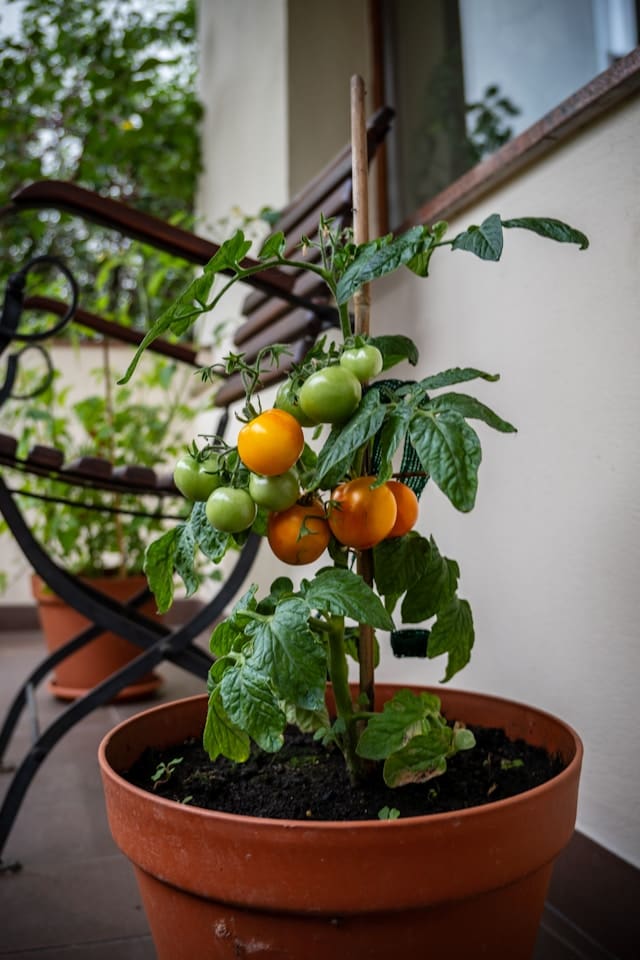
Yes, cherry tomatoes are one of the best vegetables you can grow indoors. Unlike larger tomato varieties, they’re compact, fast-fruiting, and perfectly suited to container life. All they need is a bright spot that gets 6–8 hours of direct light per day (a south-facing window works well, or a simple LED grow light), a pot of at least 5 gallons, and consistent watering. That’s it.
You don’t need a greenhouse, a large balcony, or any prior gardening experience. Thousands of beginners grow thriving cherry tomato plants on windowsills, in apartments, and under grow lights in spare rooms, and produce harvests that last for months.
Just like cherry tomatoes, many vegetables thrive indoors with minimal effort. If you’ve caught the indoor gardening bug, check out our guides on growing Green onions and Spinach, both are beginner-friendly and incredibly rewarding.
Best Cherry Tomato Varieties for Indoors
Not all cherry tomatoes thrive inside. The best indoor varieties are compact, don’t need staking, and produce fruit reliably without acres of sunlight. These four are consistently the top performers for indoor growers.
1. Tiny Tim
Best for small spaces
The undisputed king of windowsill tomatoes. Tiny Tim grows to just 30–45 cm tall, making it ideal for pots on a kitchen counter or narrow ledge. It’s a true dwarf determinate variety, meaning it stops growing at a fixed height and sets all its fruit at once — no pruning, no staking, no fuss. The tomatoes themselves are small and bright red with a pleasantly sweet flavor.
Height: 30–45 cm
Type: Determinate
Pot size: 3 gal+
2. Red Robin
Best for beginners
Another compact dwarf variety bred specifically for container and indoor growing. Red Robin reaches around 30–40 cm and produces clusters of small, deep-red tomatoes with a rich, classic tomato flavor. It’s particularly forgiving for beginners — tolerant of inconsistent watering and lower light conditions than most varieties. A great starter plant if this is your first time growing indoors.
Height: 30–40 cm
Type: Determinate
Pot size: 3 gal+
3. Tumbling Tom
Best for hanging baskets
Tumbling Tom is a trailing variety, its stems cascade downward as it grows, making it a natural choice for hanging baskets near a bright window or under a grow light. It’s available in red and yellow, both of which are heavy producers of small, sweet fruit. The cascading habit also means you can place it on a shelf and let it trail freely without any support structure at all.
Height: Trailing
Type: Determinate
Pot size: 5 gal+
4. Sweet Million
Best for high yields
If yield is your priority, Sweet Million delivers. This indeterminate variety keeps growing and producing fruit continuously throughout the season, with long trusses of up to 100 tomatoes per cluster. It grows taller than the others, up to 120 cm, so it does need some support and more vertical space. But for growers with a taller window or a dedicated grow-light setup, the harvest is unmatched. The flavor is exceptionally sweet, as the name suggests.
Height: Up to 120 cm
Type: Indeterminate
Pot size: 5 gal+
Not sure which to choose? Start with Tiny Tim or Red Robin if space is tight and you’re new to indoor growing. Upgrade to Sweet Million once you have a reliable light source and want maximum harvests.
What You’ll Need to Grow Cherry Tomatoes Indoor
The good news: you don’t need much. Indoor cherry tomatoes are low-cost to set up and most of the equipment lasts for years. Here’s everything to have ready before you plant.
Pot
Choose a container of at least 5–7 gallons with drainage holes at the base. Tomato roots need room to spread, and without drainage, water pools at the bottom and causes root rot. Terracotta, plastic, and fabric pots all work well, fabric grow bags are a particularly popular choice for indoor growers as they air-prune the roots and prevent overwatering.
Potting Mix
Always use a high-quality peat-free potting compost, never garden soil. Garden soil compacts heavily inside containers, which suffocates roots and blocks drainage. It also carries pests and diseases that spread quickly indoors. A good potting mix stays loose, drains freely, and holds just enough moisture between waterings.
Light Source
Tomatoes need 6–8 hours of bright light per day. A south-facing window is the ideal natural option. If your home doesn’t get reliable sun, especially through winter, a full-spectrum LED grow light is a worthwhile investment. Look for one rated between 2000 and 3000 lux and position it 20–30 cm above the plant. Without sufficient light, plants grow leggy and produce little to no fruit.
Fertilizer
Container-grown tomatoes deplete nutrients quickly, so regular feeding is essential once your plant starts flowering. Use a liquid tomato fertilizer that’s high in potassium, this is what drives fruit set, size, and flavor. Apply it weekly, following the dosage on the pack. Before flowering begins, a balanced general-purpose feed is fine to support leafy growth.
Want to skip the store-bought stuff? We’ve got you covered, explore our guide on Homemade Fertilizers for Tomatoes: 10 Easy & Natural Recipes That Work.
Stakes and Cages
Whether you need support depends on your chosen variety. Compact dwarf types like Tiny Tim and Red Robin are self-supporting and need nothing at all. Indeterminate varieties like Sweet Million, however, will keep growing upward and need a bamboo cane and soft ties, or a small wire tomato cage, to keep them upright as they fruit. If in doubt, put a stake in early, it’s much easier than trying to add one once the plant is established.
Optional Extras
A waterproof saucer or tray under each pot protects your floors and windowsills from drainage water. A basic digital humidity gauge is useful for keeping tabs on air moisture, tomatoes do best at 50–70% humidity indoors. And a small soft-bristle paintbrush comes in handy for hand-pollination, since there are no bees indoors to do the job for you. More on that in the care section below.
How to Grow Cherry Tomatoes Indoors (step-by-step)
Once you have your equipment ready, the planting process itself is straightforward. Follow these steps in order and your cherry tomato plant will be off to the strongest possible start.
Starting from Seed vs. Transplants
Your first decision is whether to grow from seed or buy a young transplant from a garden center. Both work well indoors, the choice mostly comes down to time and preference.
Growing from Seed
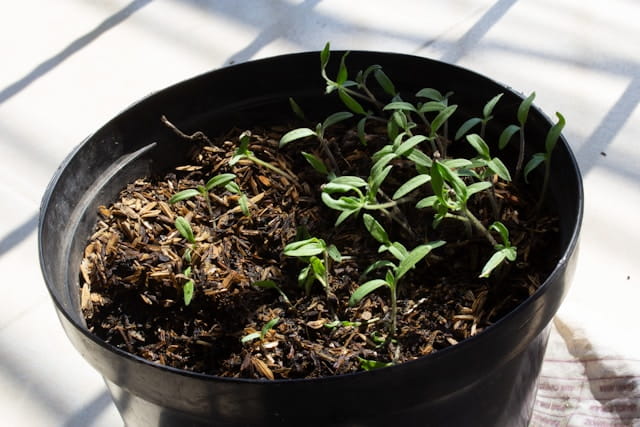
- Gives you access to a much wider range of varieties, including compact indoor types like Tiny Tim and Red Robin that aren’t always stocked as transplants
- Sow seeds 6–8 weeks before you want to move them into their final pot
- Place two seeds per small cell or pot, cover with a thin layer of compost, and keep somewhere warm (18–24°C)
- Seeds typically germinate within 7–14 days
- Once seedlings develop their first true leaves, thin to one per pot by snipping the weaker one at the base, don’t pull it, as this disturbs the roots of the one you’re keeping
Buying Transplants
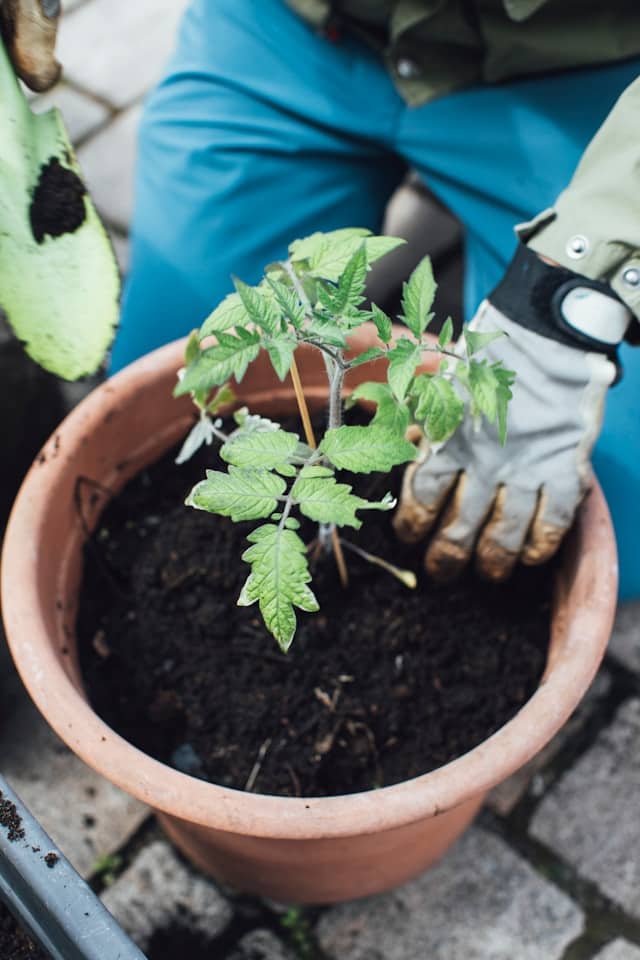
- The faster, lower-effort route, you skip germination entirely and start with a plant already 10–15 cm tall
- Shaves 6–8 weeks off the process, ideal if you’re starting mid-season or want results sooner
- When buying, look for stocky, dark green plants with thick stems
- Avoid anything tall and spindly, this is a sign of inadequate light in the nursery
Choosing the Right Container
The container you choose has a direct impact on how well your tomato plant performs. Get this right and you won’t need to repot mid-season or deal with the problems that come from an undersized or poorly draining pot.
- Size: a minimum of 5 gallons for compact varieties; 7–10 gallons for indeterminate types like Sweet Million that grow taller and fruit for longer
- Drainage: non-negotiable — your pot must have holes at the base. Standing water is the fastest route to root rot
- Material: plastic pots are lightweight and retain moisture well; terracotta is breathable but dries out faster and needs more frequent watering; fabric grow bags offer excellent air circulation and are a favourite among indoor growers
- Whatever you choose, place a saucer or tray underneath to catch drainage water and protect your surfaces
Best Potting Mix For Indoor Tomatoes
The right growing medium makes a significant difference to how well your plant roots, drains, and feeds. Here’s what to use — and what to avoid.
- Use peat-free potting compost — it drains freely, stays aerated, and holds just enough moisture between waterings without becoming waterlogged
- Never use garden soil — it compacts in containers, blocks drainage, and introduces pests and diseases that spread quickly indoors
- For extra drainage, mix in 10–20% perlite — this is especially useful in plastic pots that retain more moisture
- Add a layer of crocks, gravel, or broken pot pieces at the base of the container before filling to stop drainage holes from blocking over time
- Optionally, mix a slow-release granular fertilizer into the compost at planting — this feeds the roots gently for the first 4–6 weeks and delays the need for liquid feeding
Planting Depth and Spacing
Tomatoes have a valuable trait most plants don’t — they can grow roots all along any buried section of stem. Use this to your advantage at planting time.
- Plant deeper than the nursery pot — bury the stem right up to the first set of leaves to encourage a larger, more robust root system
- If your seedling is tall and leggy from stretching toward light, this deep-planting method is the ideal fix — bury as much of the stem as possible
- One plant per 5–7 gallon pot — crowding two plants into one container causes competition for nutrients, reduces airflow, and raises disease risk
- If growing multiple pots, space them at least 40–50 cm apart for good airflow between plants
- After planting, firm the compost gently around the base, water in well, and place the pot in its final position — tomatoes don’t respond well to being moved repeatedly once established
How to Grow Cherry Tomatoes in Pots — Size, Drainage, and Material Tips
Growing in pots indoors introduces a few specific challenges that outdoor or in-ground growers don’t face. Here’s how to stay ahead of them.
- Pots dry out faster indoors than outside — check soil moisture daily in warm months by pressing a finger 2 cm into the compost. Water when it feels dry at that depth, not on a fixed schedule
- Bigger is almost always better when it comes to pot size — a larger volume of compost retains moisture longer, buffers temperature swings, and gives roots more room, all of which lead to healthier plants and better yields
- Dark-coloured pots absorb heat from grow lights or sunny windows — if your pot gets very warm to the touch, the root zone may be overheating. White or light-coloured pots are a better choice in brightly lit indoor setups
- Self-watering containers are worth considering if you travel or tend to forget to water — they have a reservoir at the base that the plant draws from as needed
- Refresh your potting mix each season — reusing the same compost year after year depletes nutrients and increases the risk of disease buildup
What Season is Best to Grow Cherry Tomatoes Indoors?
Season still matters indoors, it affects natural light levels, room temperature, and when you’ll get your first harvest. Here’s what to know.
Can You Grow Cherry Tomatoes Year-Round Indoors?
Yes, with a grow light, you can start and harvest cherry tomatoes at any time of year. Without one, winter growing is harder; shorter days and weaker sunlight through even a south-facing window will slow growth and reduce fruiting significantly. A basic LED grow light is the one investment that genuinely makes year-round harvests possible.
Best Time to Start Seeds
For windowsill growers, late January to March is the sweet spot. Day length is increasing, so seedlings get progressively more light as they develop, and by flowering time, natural light is strong enough to support good fruit set. Expect your first harvest in late spring, well ahead of outdoor-grown tomatoes.
Adjusting Light and Temperature by Season
Spring and Summer
- Natural light is strongest, a south-facing window may be all you need
- If windowsill temperatures exceed 30°C, move the pot slightly back from the glass
- Open windows when possible, airflow aids pollination and reduces fungal risk
Autumn and Winter
- Add a grow light on a 14–16 hour timer to compensate for shorter days
- Keep plants away from cold draughts, temps below 10°C will stunt growth
- Central heating dries the air, mist leaves lightly or place a tray of water nearby
Bottom line: late winter is the sweet spot without a grow light. With one, ignore the calendar entirely.
How to Care for Cherry Tomatoes Indoors
Once your plant is in its pot, consistent care is what separates a thriving, productive plant from one that struggles. Light, water, and feed, get these three things right and everything else falls into place.
Natural Light
A south-facing window is the best natural option, delivering the 6–8 hours of direct sun cherry tomatoes need through spring and summer. East or west facing windows can work for compact dwarf varieties but expect lighter harvests. North-facing windows don’t provide enough light for fruiting tomatoes, a grow light is essential. Rotate your pot a quarter turn every few days so the plant receives even exposure on all sides.
Best Grow Lights for Cherry Tomatoes
Full-spectrum LED grow lights are the best choice, they cover the wavelengths needed for flowering and fruiting, run cool, and use less electricity than older alternatives. Position the light 20–40 cm above the plant, raise it as the plant grows, and use a plug-in timer to automate the cycle. Avoid budget panel lights designed for herbs, they rarely deliver enough intensity for fruiting tomatoes.
How Many Hours of Light do They Need?
Cherry tomatoes fruit best with 14–16 hours of light per day and need 8–10 hours of darkness each night, running lights for 24 hours disrupts their natural cycle and doesn’t speed up growth. Under natural light alone, this is only achievable in midsummer; a grow light fills the gap for the rest of the year.
Watering and Humidity
Inconsistent watering is one of the most common reasons indoor tomato plants underperform. Both overwatering and underwatering cause damage, and the signs can look surprisingly similar at first glance.
How Often to Water Indoor Cherry Tomatoes
There’s no fixed schedule, watering frequency depends on pot size, material, temperature, and how much light the plant is getting. The most reliable method is the finger test: press a finger 2 cm into the compost. If it feels dry at that depth, water thoroughly until it drains freely from the bottom. If it still feels moist, leave it another day.
In warm, bright conditions during summer this may mean watering daily. In cooler, lower-light winter conditions, every 2–3 days is more typical. Always water at the base of the plant rather than overhead, wet foliage encourages fungal disease.
Signs of Overwatering vs. Underwatering
Both conditions stress the plant and reduce yields, catching them early makes recovery straightforward.
Overwatering:
- Yellowing lower leaves
- Soft, mushy stem base
- Mould on compost surface
- Wilting despite wet soil
Underwatering:
- Drooping, crispy leaf edges
- Dry, pulling-away compost
- Flower or fruit drop
- Wilting in dry, warm conditions
Feeding and Fertilizing
Container-grown tomatoes exhaust the nutrients in their compost within a few weeks. Regular feeding isn’t optional, it’s what drives healthy foliage, strong flowering, and flavorful fruit.
NPK Ratios Explained
Fertilizer labels show three numbers, the NPK ratio, representing nitrogen (N), phosphorus (P), and potassium (K). Each plays a different role at different stages of growth.
- High nitrogen (N): promotes leafy green growth. Use a balanced or nitrogen-rich feed in the early vegetative stage, before flowers appear
- High potassium (K): drives flowering, fruit set, and flavor. Switch to a high-potassium tomato feed once the first flowers open and continue weekly until the end of the season
- Too much nitrogen after flowering begins pushes the plant toward leaves at the expense of fruit, a common mistake that leads to lush, green, near-fruitless plants
How Often to Feed
- Before first flowers: feed every 2 weeks with a balanced general-purpose fertilizer
- Once flowering begins: switch to weekly liquid tomato feed (high potassium)
- Always water the plant before feeding, applying fertilizer to dry compost can burn the roots
Organic vs. Synthetic Fertilizers
Organic:
- Slow-release, gentler on roots
- Improves soil biology over time
- Lower burn risk
- e.g. seaweed extract, worm castings, fish emulsion
Synthetic:
- Fast-acting, precise dosing
- Consistent, predictable results
- Higher burn risk if overdosed
- e.g. Tomorite, Miracle-Gro Tomato
Want to go the organic route without spending a lot? We’ve put together a guide on Homemade Fertilizers for Tomatoes: 10 Easy & Natural Recipes That Work — simple ingredients, no specialist knowledge needed, and most of them cost next to nothing.
When to Harvest Cherry Tomatoes:
Cherry tomatoes are ready to harvest when they’ve reached their full, vibrant color, whether red, yellow, or orange depending on the variety. They should feel firm yet slightly soft when gently squeezed, and come off the vine with little to no resistance. The flavor is at its peak when they’re fully colored and have a slight sheen to the skin. Aim to check your plants daily once they start ripening, as they can go from perfect to overripe quickly.
If you’re not sure whether to let tomatoes ripen on the vine or harvest them when they’re green off the vine, check out this harvesting guide.
Pruning, Staking, and Support
How much work your plant needs here depends on the variety. Dwarf types like Tiny Tim and Red Robin need almost no intervention, indeterminate varieties like Sweet Million need both pruning and support to stay manageable.
Removing Suckers
Suckers are small shoots that sprout from the junction between the main stem and a leaf branch. Left to grow, each one becomes a full branch, which indoors quickly creates an overcrowded plant with poor airflow and reduced fruiting. Pinch them out when small (under 2–3 cm) using clean fingers or scissors, and check for new ones every few days during the growing season.
Topping the Plant
Once your plant reaches the top of its support or grow-light range, pinch out the growing tip at the top of the main stem. This stops upward growth and redirects energy into ripening existing fruit. Do it 6–8 weeks before the end of your season for the best results.
Staking and Support
Put support in at planting time, before roots establish, to avoid disturbing them later. A bamboo cane with soft ties is the simplest option; a wire tomato cage works well for bushier plants. Tie stems loosely and check regularly, ties that were loose a few weeks ago can quickly cut into a thickening stem.
Growing Tiny Tim or Red Robin? Skip this section, dwarf determinate varieties need no pruning or staking whatsoever
How to Pollinate Cherry Tomatoes Indoors
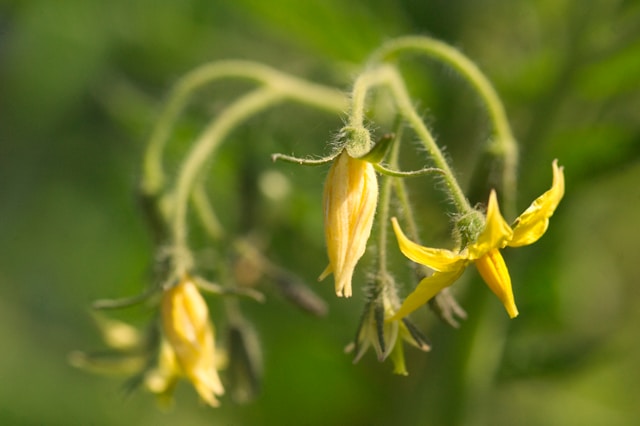
Tomatoes are self-fertile, each flower contains both male and female parts, but they still need vibration to release pollen. Outdoors, bees and wind do this automatically. Indoors, there are no bees and little air movement, so you need to pollinate by hand. Without it, flowers will open and drop without setting any fruit.
Pollinate once or twice a week during flowering, ideally midday when pollen is most active. Any of these three methods works well, choose whichever feels easiest.
The Paintbrush Method
Take a small, soft-bristle paintbrush and gently swirl it inside each open flower, then move to the next. This mimics the action of a bee collecting pollen and transfers it between flowers. It’s the most precise method and works well when flowers are few or spread out. Clean the brush between plants if you’re growing multiple varieties.
The Shaking Technique
Gently flick or tap the main stem just below a cluster of open flowers, or shake the whole plant lightly for a few seconds. The vibration dislodges pollen from the anthers and drops it onto the stigma below. It’s the quickest method when your plant is covered in flowers. Do it over a light colored surface and you’ll often see a small cloud of yellow pollen fall, a good sign it’s working.
The Electric Toothbrush Trick
This is the closest thing to genuine bee pollination. Touch the back of a running electric toothbrush to the stem behind each flower cluster, the vibration travels through the stem and shakes pollen loose far more effectively than hand-shaking alone. Commercial growers use electric “buzz pollinators” for exactly this reason. Any battery-powered toothbrush works fine and the whole plant takes under a minute to do.
How to Know it Worked
A successfully pollinated flower will drop its petals within a day or two and leave a small swelling at the base, that’s your tomato beginning to form. Flowers that drop cleanly without any swelling weren’t pollinated. If this keeps happening, pollinate more frequently or increase airflow around the plant by placing a small fan nearby on a low setting.
How Long do Cherry Tomatoes Take to Grow?
Cherry tomatoes take 60–80 days from seed to first harvest. Starting from a transplant cuts this to around 45–60 days. Under good light with consistent care, compact indoor varieties like Tiny Tim tend to be at the faster end of that range.
Seed to Sprout (7–14 days)
Seeds germinate within 7–14 days when kept at 18–24°C. Cooler conditions slow this down considerably, a heat mat speeds things up if your home is cool.
Sprout to Transplant-Ready (4–6 weeks)
Seedlings develop their first true leaves and grow large enough to move into their final pot. This stage requires good light, inadequate light here produces the leggy, weak seedlings that struggle later.
Transplant to First Flowers (3–4 weeks)
Once in its final pot, the plant establishes its root system before putting energy into flowering. The first yellow flowers typically appear 3–4 weeks after transplanting, this is when you switch to a high-potassium feed and begin hand-pollinating.
Flower to Ripe Fruit (6–8 weeks)
After successful pollination, the tiny green tomatoes take 6–8 weeks to reach full size and ripen. Color change, from green to red, yellow, or orange depending on variety, is the clearest sign they’re ready. A gentle tug should release the fruit cleanly from the truss.
Total: seed to first harvest (60–80 days)
From transplant: 45–60 days. Once the first fruits ripen, an indeterminate variety like Sweet Million will continue producing for months, harvest regularly to encourage more fruit to set.
Common Problems and How to Fix Them
Most indoor tomato problems come back to light, water, or airflow. Here’s how to spot and fix the most common ones quickly.
Leggy or Weak Stems
Move closer to the window or lower your grow light. Bury the leggy stem deeper — new roots will form along it.
Flowers Dropping Without Fruit
Start hand-pollinating every 2–3 days. If you already are, check temperatures — flowers abort above 30°C or below 10°C.
Fungus Gnats, Aphids, Spider Mites
Let soil dry between waterings to deter fungus gnats. Remove aphids by hand or with neem oil. For spider mites, increase humidity and treat with insecticidal soap.
Yellowing Leaves
Lower leaves, overwatering or natural ageing. Top growth, nutrient deficiency, try a balanced feed. All over, likely root rot, check drainage.
Are cherry tomatoes safe for pets?
If you’ve ever been snacking on cherry tomatoes and your pet is staring at you, you might wonder, can I share this with them?
The good news is that ripe cherry tomatoes are generally safe for pets like dogs and cats, but only in small amounts and with a few important precautions.
For Dogs
Most dogs can safely eat a small piece of a ripe (red) cherry tomato as an occasional treat. It’s not something they need, but it’s usually harmless in moderation.
That said:
- Always remove any stems or leaves
- Stick to fully ripe tomatoes only
- Avoid giving too many, as it can upset their stomach
For Cats
Cats can technically eat ripe cherry tomatoes too, but most of them won’t be very interested. If they do take a bite, a small amount is usually fine.
Just like with dogs:
- Only offer ripe tomatoes
- Keep them away from the plant itself
What You Should Never Feed
This is the important part, the green parts of the tomato plant (like leaves, stems, and unripe tomatoes) can be harmful to pets.
They contain a natural compound that can cause:
- Upset stomach
- Vomiting or diarrhea
- Low energy or weakness
If your pet eats any of these, it’s best to contact a vet just to be safe.
Frequently Asked Questions
Can cherry tomatoes grow indoors without sunlight?
Yes, but only with a full-spectrum LED grow light. Tomatoes need 6–8 hours of strong light daily to fruit, which artificial lighting can fully replace. Without either sunlight or a grow light, the plant will survive but produce little to no fruit.
What pot size is best for indoor cherry tomatoes?
A minimum of 5 gallons for compact dwarf varieties; 7–10 gallons for indeterminate types like Sweet Million. When in doubt, go bigger, a larger pot retains moisture longer, buffers temperature, and gives roots more room to develop.
Do indoor tomatoes produce as much as outdoor ones?
Generally, no, outdoor plants benefit from stronger natural light, better airflow, and natural pollination. But with a good grow light and consistent care, indoor yields can come close, and the advantage of harvesting year-round often outweighs the difference in volume.
How do I know if my cherry tomato plant is healthy?
A healthy plant has deep green leaves, a thick upright stem, and steady new growth at the top. Flowers appear regularly, fruit sets after pollination, and there are no signs of wilting, yellowing, or pests. If all of those boxes are ticked, you’re doing everything right.
How long does it take for cherry tomatoes to grow indoors?
From seed to first harvest takes 60–80 days under good conditions. Starting from a transplant cuts this to around 45–60 days. Compact varieties like Tiny Tim tend to be at the faster end of that range.
Do cherry tomatoes need to climb?
Not all of them. Compact dwarf varieties like Tiny Tim and Red Robin are self-supporting and need no staking. Indeterminate varieties like Sweet Million grow tall and do need a cane or cage for support as they fruit.
Do cherry tomatoes need to be planted every year?
Technically tomatoes are perennials, but indoors they’re almost always grown as annuals, replanted each season for the best yields. An old plant can be kept going but productivity drops significantly after the first season. Starting fresh each year gives you stronger, more productive plants.
What is the best month to plant cherry tomatoes indoors?
Late January to March is ideal for windowsill growers, rising day length gives seedlings progressively more light as they develop. With a grow light, any month works equally well.
How many cherry tomatoes per plant?
It varies widely by variety and conditions. A well-cared-for indeterminate plant like Sweet Million can produce several hundred tomatoes over a season. Compact dwarf varieties yield less, typically 50–150 fruits, but ripen all at once in a concentrated flush.