
If your indoor plants have yellowing leaves, slow growth, or just look… off, the problem might not be light or water, it could be nutrients. Many plant owners overlook feeding, but using the right fertilizer for indoor plants can make a huge difference in plant health and overall growth.
Unlike outdoor plants, indoor plants depend entirely on you for nutrients because their soil gets depleted over time. In this guide, you’ll learn how to choose the right fertilizer, how often to use it, and how to keep your houseplants, vegetables, and succulents thriving year-round.
If you’re new to plant care, explore our Indoor Gardening Basics guides to learn everything you need to grow healthy indoor plants.
In This Article
What Is Fertilizer for Indoor Plants?
Fertilizer for indoor plants is a nutrient-rich substance added to soil or water to support healthy growth. Since indoor plants don’t have access to natural nutrient sources like garden soil, fertilizers provide essential elements, mainly nitrogen (N), phosphorus (P), and potassium (K), often called NPK. These nutrients help plants grow strong leaves, develop roots, and produce flowers or fruits.
Different indoor plants have different nutrient needs. Leafy houseplants usually need more nitrogen for lush growth, flowering plants benefit from higher phosphorus, and succulents or cacti require lighter feeding overall. Choosing the right balance ensures your plants stay healthy without overfeeding them.
Why Indoor Plants Need Fertilizers
Indoor plants rely on a limited amount of soil, and over time, that soil loses its nutrients. Unlike outdoor gardens where natural processes like decomposition and rainfall replenish the soil, potted plants don’t get a steady supply of essential minerals. This is why using the right plant fertilizer for indoor plants is so important, it replaces the nutrients that get used up and keeps your plants growing strong.
The most important nutrients in any fertilizer are nitrogen (N), phosphorus (P), and potassium (K), often referred to as NPK. Nitrogen supports leafy growth, phosphorus helps with root development and flowering, and potassium improves overall plant health and resistance. Without these nutrients, plants start to struggle. Common signs of nutrient deficiency include yellowing leaves, weak or leggy growth, slow development, and a lack of flowers or fruit.
Whether you choose a store-bought option or a natural fertilizer for indoor plants, the goal is the same: to restore balance in the soil. Many gardeners also use a homemade fertilizer for indoor plants, such as compost-based mixes, to provide a gentle and organic nutrient boost. No matter the type, regular feeding ensures your indoor plants stay healthy, vibrant, and able to thrive in a controlled indoor environment.
Types of Fertilizers for Indoor Plants
Not all fertilizers work the same way, and choosing the right type depends on your plants, your routine, and how quickly you want results. Some fertilizers act fast and need regular application, while others release nutrients slowly over time. Understanding these different formats will help you pick the best fertilizer for indoor plants based on your needs.
Liquid Fertilizer for Indoor Plants

Liquid fertilizers are one of the most popular options because they are fast-acting and easy to control. They are typically diluted in water and applied during regular watering, making them ideal for most houseplants, especially tropical varieties. If you’re using a liquid fertilizer for indoor plants in water, it’s important to follow dilution instructions carefully, overfeeding can damage roots.
These fertilizers are also available in organic forms, making organic liquid fertilizer for indoor plants a great choice for those who prefer natural options. Many gardeners consider this the best liquid fertilizer for indoor plants because it delivers nutrients quickly and allows flexible dosing depending on the plant’s growth stage.
Water-soluble options, often labeled as water soluble fertilizer for indoor plants, dissolve completely and are easily absorbed by roots. They’re also commonly used as hydroponic fertilizer for indoor plants, where soil isn’t used at all. A well-known example is a balanced 20 20 20 fertilizer for indoor plants, which provides equal parts nitrogen, phosphorus, and potassium for overall growth support.
Granular Fertilizer for Indoor Plants
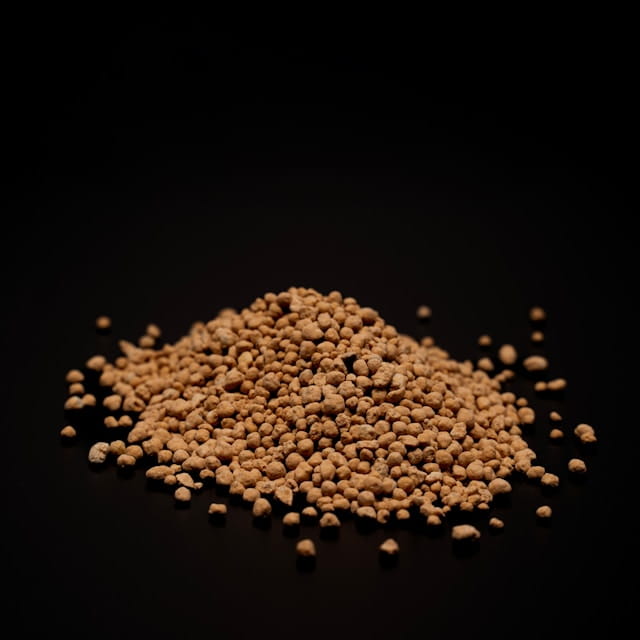
Granular fertilizers are slow-release and designed for convenience. You simply mix them into the soil, and they gradually release nutrients over weeks or even months. This makes granular fertilizer for indoor plants perfect for people who don’t want to fertilize frequently.
Compared to liquid fertilizers, granular options require less maintenance but act more slowly. Popular choices like osmocote fertilizer for indoor plants are coated pellets that release nutrients based on temperature and moisture levels. These are especially useful for consistent feeding without the risk of frequent overapplication.
Most granular options are considered a balanced fertilizer for indoor plants, meaning they provide a steady mix of NPK nutrients. They work well for general plant care and are ideal for long-term growth support, especially in larger pots.
Fertilizer Sticks & Spikes
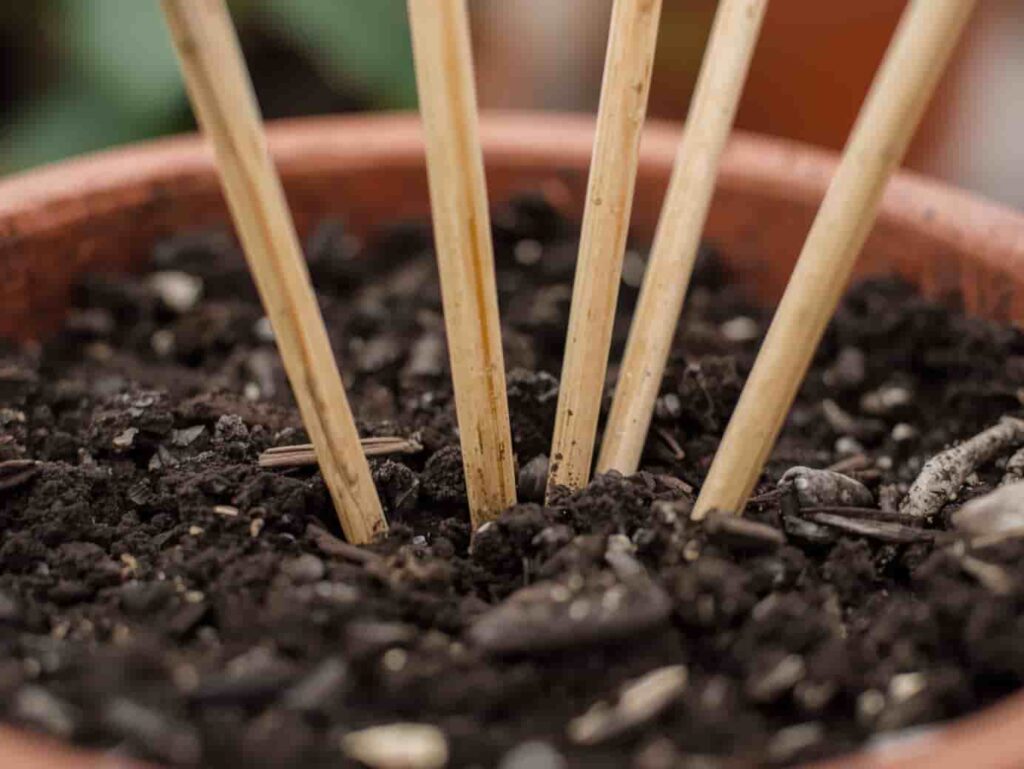
If you want the easiest possible method, fertilizer sticks and spikes are a great option. You simply push them into the soil, and they slowly release nutrients over time. Fertilizer sticks for indoor plants are compact and convenient, while fertilizer spikes for indoor plants are slightly larger and designed for deeper placement in the pot.
These are perfect for beginners or anyone who tends to forget regular feeding schedules. While they don’t offer as much control as liquid fertilizers, they provide consistent nourishment with minimal effort. They’re especially useful for low-maintenance plants or busy plant owners.
Organic & Natural Fertilizers
For those who prefer chemical-free gardening, organic options are a great alternative. Natural fertilizer for indoor plants includes materials like compost, plant extracts, and other organic matter that improve soil health over time.
One popular option is fish fertilizer for indoor plants, which is rich in nutrients and promotes strong growth. Another simple DIY option is eggshell fertilizer for indoor plants, which adds calcium and helps strengthen plant structure. Many gardeners also create homemade fertilizer for indoor plants using kitchen scraps or compost tea.
If you want to try DIY options, explore these homemade fertilizers for tomatoes for simple, natural recipes that work well even for indoor plants.
Organic liquids, such as organic liquid fertilizer for indoor plants, combine the benefits of fast absorption with natural ingredients. These options are gentler on plants and help build healthier soil ecosystems, making them ideal for long-term plant care.
Fertilizer Types Comparison
| Type | Speed | Ease of Use | Best For | Maintenance |
|---|---|---|---|---|
| Liquid | Fast | Moderate | Quick results, most houseplants | High |
| Granular | Slow | Easy | Long-term feeding, larger pots | Low |
| Sticks & Spikes | Slow | Very Easy | Beginners, low-maintenance care | Very Low |
| Organic & Natural | Medium | Moderate | Eco-friendly, soil health | Medium |
Choosing the right type depends on your routine and plant needs, but combining methods can also work well, for example, using granular fertilizer for consistent feeding and liquid fertilizer for occasional boosts.
How to Fertilize Indoor Plants (Step by Step)
Fertilizing correctly can make a huge difference in plant health, but doing it wrong can harm your plants. Follow this simple step-by-step guide to learn how to fertilize indoor plants the right way.
-
Choose the Right Fertilizer
Start by selecting a fertilizer that suits your plant type. Leafy plants prefer nitrogen-rich formulas, while flowering plants need more phosphorus. For most plants, a balanced fertilizer works well.
-
Check the Right Time to Fertilize
Fertilize during the growing season (spring and summer) when plants are actively growing. Avoid fertilizing in winter, as most indoor plants enter a resting phase.
-
Dilute the Fertilizer Properly
If you’re using a liquid option, always dilute it according to the instructions. For beginners, it’s safer to use half-strength to prevent overfeeding, especially when using liquid fertilizer for indoor water plants.
-
Water the Plant First
Never apply fertilizer to dry soil. Lightly water your plant beforehand to prevent root burn and ensure even nutrient absorption.
-
Apply the Fertilizer Evenly
Pour the diluted solution evenly around the soil, avoiding direct contact with leaves. For granular or spikes, follow placement instructions on the packaging.
-
Follow a Consistent Schedule
Most indoor plants benefit from feeding every 2–4 weeks during the growing season. Slow-release fertilizers may only need to be applied every few months.
-
Watch for Signs of Over-Fertilizing
Too much fertilizer can damage your plants. Look out for brown leaf tips, salt buildup on the soil surface, or wilting despite moist soil.
Tips for Best Results
- Less is more: It’s better to under-fertilize than overdo it.
- Flush the soil occasionally: Run plain water through the soil every few months to remove excess salts.
- Adjust by plant type: Succulents and cacti need far less fertilizer than tropical plants.
Fertilizer for Houseplants
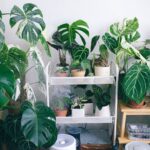
Houseplants, such as Heartleaf Philodendron, Philodendron Pink Princess, and Peace Lily, thrive when provided with a balanced nutrient mix. A balanced fertilizer, like a 10-10-10 NPK formula, supplies equal parts nitrogen, phosphorus, and potassium, supporting healthy leaves, roots, and overall growth.
Most houseplants do well with a moderate feeding schedule, usually every 2–4 weeks during the growing season. Be careful not to overfeed, as this can lead to burned roots or salt buildup in the soil.
Fertilizer works best when combined with proper care. Make sure your plants get the right amount of light, follow a consistent watering routine, and use quality soil for optimal nutrient absorption.
For philodendrons specifically, we’ve also created a detailed guide: Best Fertilizer for Philodendrons: Complete Feeding Guide to help you choose the right products and feeding schedule.
Fertilizer for Indoor Vegetables
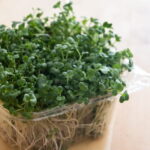
Indoor vegetables, such as Spinach, Coriander, Green Onions, and Cherry Tomatoes, have higher nutrient requirements than most houseplants. Since they grow quickly and produce edible leaves, stems, or fruits, they rely on consistent feeding to stay healthy and productive.
For best results, use nitrogen-rich fertilizers, which promote lush leafy growth and strong stems. Nitrogen is especially important for leafy greens like spinach and coriander, while balanced NPK fertilizers support fruiting vegetables such as cherry tomatoes.
Pair fertilization with proper care to maximize yield: ensure your vegetables get enough light, maintain a consistent watering routine, and use fertile soil for optimal nutrient absorption.
Fertilizer for Succulents
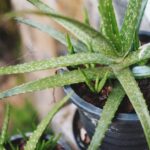
Succulents like aloe vera have low feeding needs compared to houseplants and vegetables. Over-fertilizing can harm their roots and cause weak, leggy growth, so it’s important to feed them sparingly.
When using fertilizer, always dilute it to at least half the recommended strength. This ensures the nutrients are gentle on the plant while still supporting healthy growth.
Fertilize succulents only during their active growth periods, typically spring and summer. Avoid feeding during dormancy in fall and winter, as the plants naturally slow down and won’t utilize extra nutrients effectively.
Common Fertilizing Mistakes to Avoid
Fertilizing indoor plants might seem simple, but several common mistakes can harm your plants instead of helping them.
Overfertilizing is one of the most frequent errors. Too much fertilizer can burn plant roots, causing brown leaf tips, wilting, or even plant death.
Another mistake is fertilizing dry soil. Always water your plant lightly before applying fertilizer to prevent root damage and ensure nutrients are absorbed evenly.
Using the wrong type of fertilizer can also be harmful. Leafy plants, flowering plants, succulents, and vegetables all have different nutrient needs, so a one-size-fits-all approach rarely works.
Finally, ignoring plant-specific requirements, such as growth stage, seasonal cycles, or sensitivity to certain nutrients, can reduce the effectiveness of feeding and even harm the plant. Tailoring fertilizer type, frequency, and strength to each plant ensures optimal growth and health.
How Fertilizer Works with Soil, Water, and Light
Fertilizer doesn’t work in isolation, its effectiveness depends on the right combination of soil, water, and light.
Soil holds nutrients for your plants, acting as a reservoir that releases them slowly. Using the right type of soil ensures that nutrients from fertilizers are available when plants need them. Learn more in our best soil for indoor plants guide.
Water helps nutrient absorption by dissolving fertilizer particles and carrying them to the roots. Consistent and proper watering ensures your plants can take full advantage of the nutrients. Check out our watering indoor plants guide for tips.
Light supports growth by powering photosynthesis, which allows plants to convert nutrients into energy for leaves, flowers, and fruit. Without adequate light, even well-fertilized plants will struggle. Read more in our light requirements for indoor plants guide.
Frequently Asked Questions
Which fertilizer is best for indoor plants?
A balanced NPK fertilizer, such as 10-10-10 or 20-20-20, works well for most houseplants. Liquid fertilizers provide fast results, while slow-release granules or sticks are convenient for low-maintenance care.
Do indoor plants need fertilizer?
Yes. Indoor plants rely on potted soil, which gradually loses nutrients. Fertilizer replenishes essential minerals like nitrogen, phosphorus, and potassium for healthy growth.
What is the best homemade fertilizer for indoor plants?
Common homemade options include compost tea, diluted fish fertilizer, crushed eggshells, and banana peel compost. These natural sources provide gentle nutrients without chemicals.
What is the easiest way to fertilize houseplants?
Fertilizer sticks or spikes are the simplest method. Just push them into the soil and let them release nutrients slowly over time.
What are the top 3 fertilizers?
The most popular fertilizers for indoor plants include liquid balanced fertilizers, which provide quick results and are easy to adjust for different plant needs; slow-release granular fertilizers, which offer convenience by gradually feeding plants over time; and organic or natural fertilizers, which are ideal for gardeners who prefer chemical-free options and want to improve soil health while nourishing their plants.
Can I fertilize my indoor plants in winter?
Generally, no. Most indoor plants enter a dormant phase during winter and require little to no fertilizer. Resume feeding in spring when growth picks up.
How to choose fertilizer for indoor plants?
Consider plant type, growth stage, and nutrient needs. Leafy plants need nitrogen, flowering plants need more phosphorus, and succulents require low-strength feeding.
Which houseplants don’t like fertilizer?
Plants with very slow growth, like some succulents, cacti, and snake plants, require minimal or infrequent feeding. Over-fertilizing can harm them.
Can eggshells be used as fertilizer?
Yes. Crushed eggshells add calcium to the soil, strengthen plant cell walls, and improve overall growth.
Can banana peels be used as fertilizer?
Yes. Banana peels are rich in potassium and phosphorus, which support flowering and fruiting. They can be chopped and buried in the soil or blended into a natural fertilizer paste.