
After the long winter months, spring is just around the corner and temperatures are slowly starting to warm up. This makes March a great time to sow the seeds you’ve been saving. Starting seeds indoors now gives them the warmth and light they need to germinate and grow strong.
In this guide, you’ll discover 13 easy indoor houseplants to start from seed in March that grow well indoors and are perfect for beginners. From colorful foliage plants to flowering varieties, these plants can help you create a beautiful and lively indoor garden.
Table of Contents
Want to grow your own vegetables from seed? Check out our guides on 11 easy vegetables to grow indoors — including beginner-friendly picks like green onions, cherry tomatoes, and spinach.
Should you Start Houseplants from Seeds?
You must be wondering, can’t I just go to the store and buy houseplants, and not have to grow them from seeds? You are right, but if you are like me who enjoys the process of planting a tiny seed, nurturing it, and watching it slowly grow into a beautiful, thriving plant, then starting houseplants from seeds is an experience you won’t want to miss. Here are 13 easy indoor houseplants to start from seeds in march (2026 guide).
13 Easy Indoor Houseplants to Grow from Seeds in March (2026)
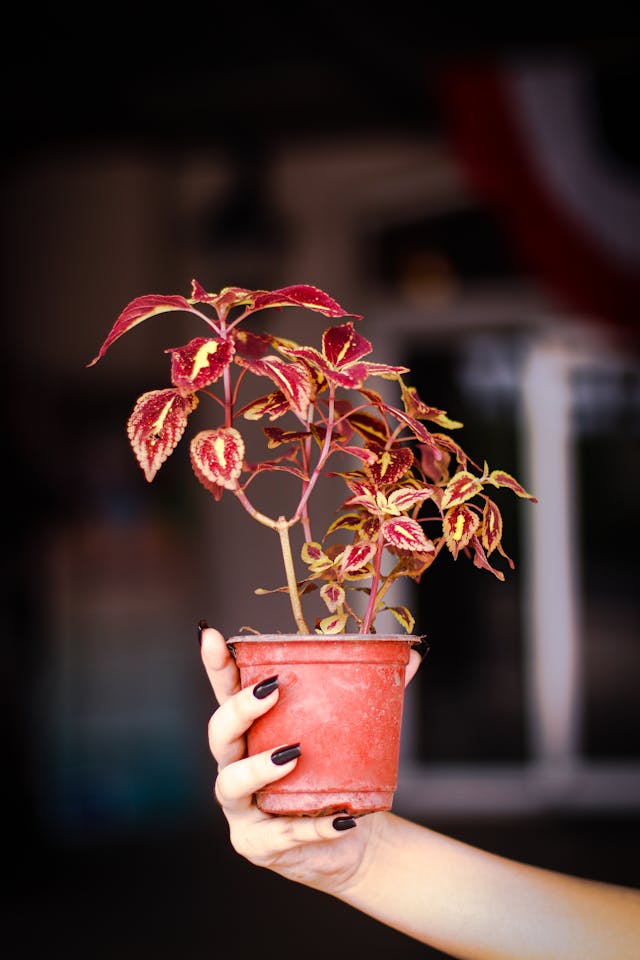
1. Coleus (Plectranthus scutellarioides)
Appearance:
Coleus is loved for its colorful foliage that comes in shades of green, burgundy, pink, and yellow. The leaves often have striking patterns and serrated edges that make the plant very decorative indoors.
Germination Time:
10–14 days
Sowing Directions:
Sow the seeds on the surface of moist seed-starting mix and press them lightly into the soil. Do not cover them, as they need light to germinate. Keep the tray in bright indirect light.
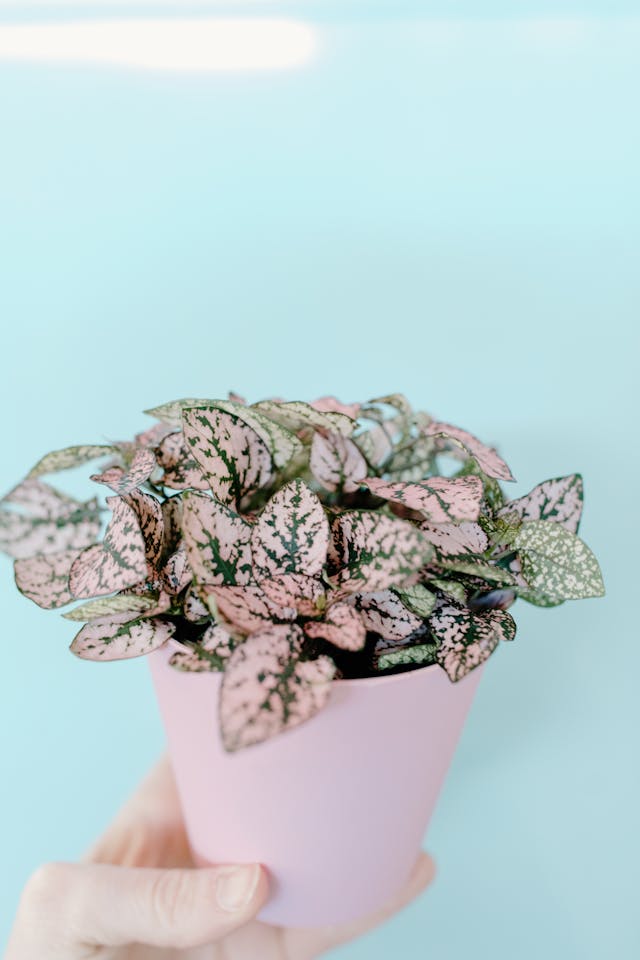
2. Polka Dot Plant (Hypoestes phyllostachya)
Appearance:
This compact plant has green leaves dotted with pink, red, or white spots. It adds bright color and texture to indoor plant collections.
Germination Time:
7–14 days
Sowing Directions:
Scatter seeds on moist soil and gently press them into the surface. Keep the container warm and place it in bright indirect light.
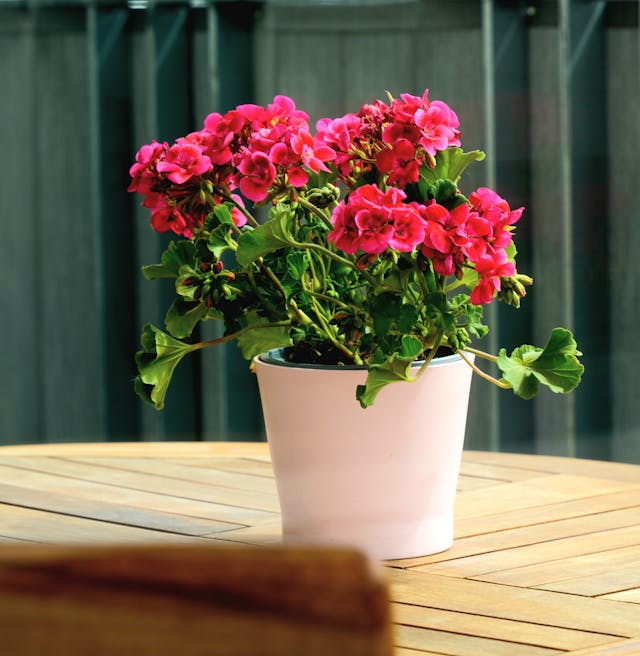
3. Geranium (Pelargonium)
Appearance:
Geraniums have rounded green leaves and bright flowers in shades of red, pink, orange, or white. They add cheerful color to indoor spaces.
Germination Time:
10–14 days
Sowing Directions:
Plant seeds about 0.5 cm deep in moist potting mix. Keep the container warm and provide plenty of light.
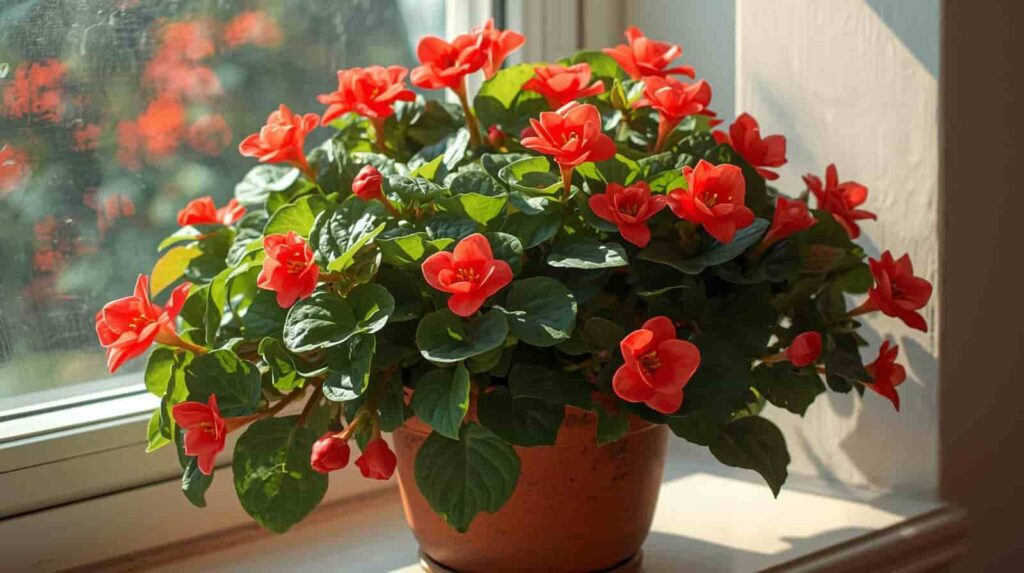
4. Begonia (Begonia semperflorens)
Appearance:
Begonias produce glossy green or bronze leaves with small clusters of red, pink, or white flowers. They make attractive decorative houseplants.
Germination Time:
10–21 days
Sowing Directions:
Sprinkle the tiny seeds on the surface of moist seed-starting mix. Do not cover them, and keep the soil consistently moist.
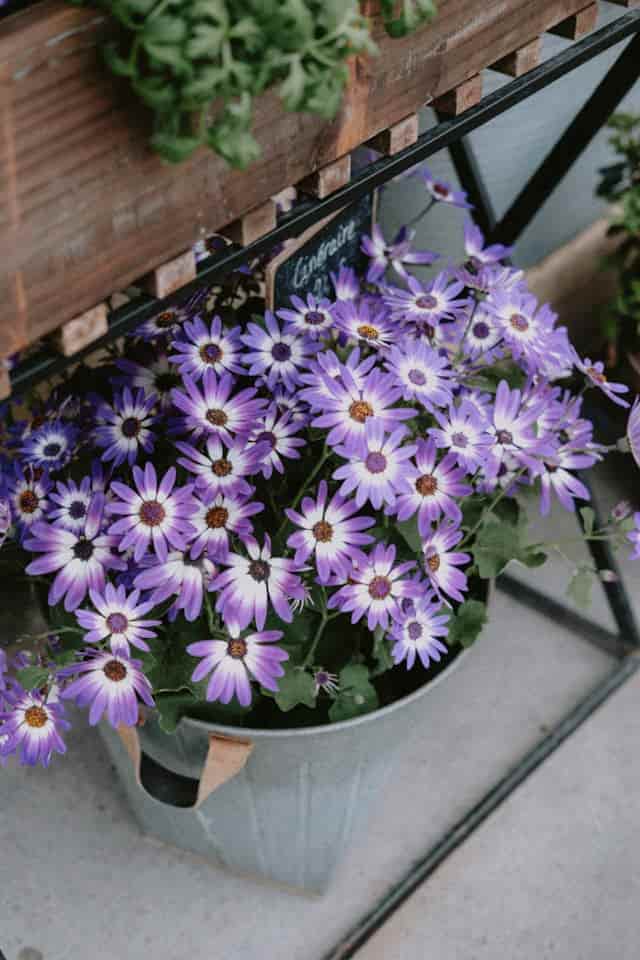
5. Cineraria (Pericallis × hybrida)
Appearance:
Cineraria produces bright daisy-like flowers in purple, blue, pink, and white. The plant has soft green leaves that contrast beautifully with the blooms.
Germination Time:
10–14 days
Sowing Directions:
Sow seeds on the surface of moist soil and press them lightly. Keep the tray in a cool, bright location.
6. Asparagus Fern (Asparagus setaceus)
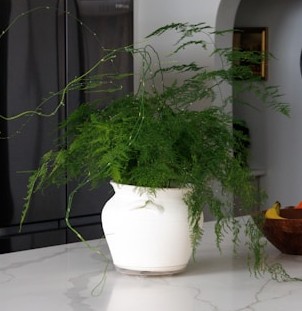
Appearance:
This plant has soft, feathery foliage that gives it a light and airy appearance. It looks beautiful in hanging baskets or decorative pots.
Germination Time:
14–21 days
Sowing Directions:
Soak seeds overnight before planting. Sow them about 1 cm deep in moist soil and keep the container warm.
7. Impatiens (Impatiens walleriana)
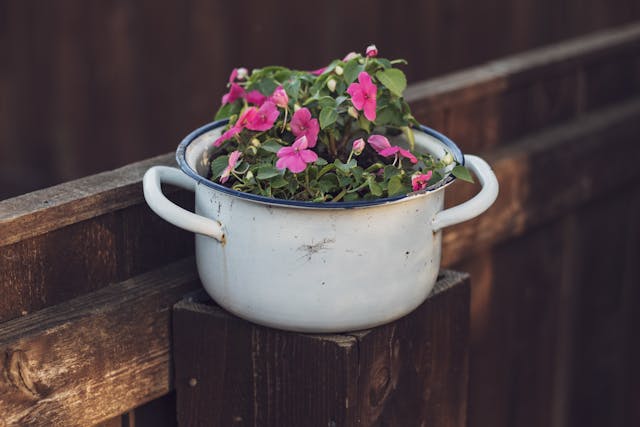
Appearance:
Impatiens have soft green leaves and bright flowers in many colors including red, pink, orange, and white. They grow well indoors in containers.
Germination Time:
14–21 days
Sowing Directions:
Scatter seeds lightly over moist soil and press them gently into the surface. Keep them warm and maintain consistent moisture.
8. Lavender (Lavandula angustifolia)
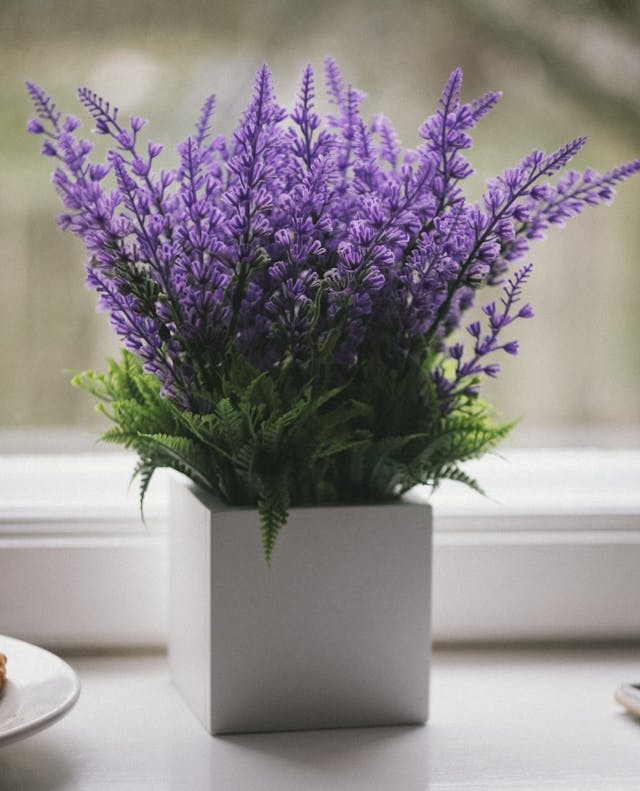
Appearance:
Lavender has narrow silver-green leaves and fragrant purple flower spikes. It adds a pleasant scent and elegant look to indoor plant collections.
Germination Time:
14–28 days
Sowing Directions:
Sow seeds on the soil surface and lightly cover with a thin layer of soil. Keep the soil moist and place in bright light.
9. Petunia (Petunia hybrida)
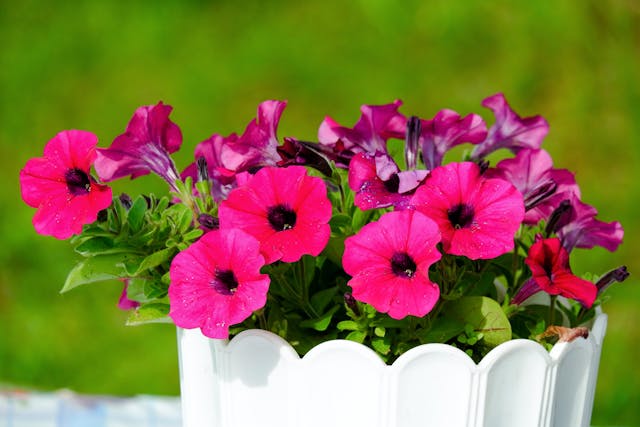
Appearance:
Petunias produce soft green foliage and trumpet-shaped flowers in many vibrant colors. They can grow well indoors when given enough light.
Germination Time:
7–10 days
Sowing Directions:
Sprinkle seeds on moist soil and press them gently into the surface. Do not cover them, as they require light to germinate.
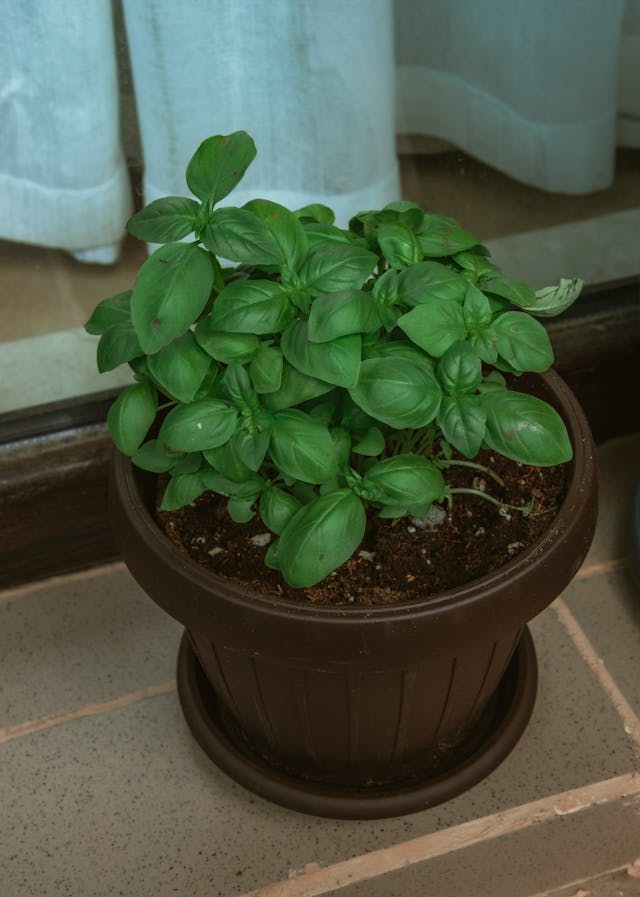
10. Basil (Ocimum basilicum)
Appearance:
Basil has soft green aromatic leaves that grow on compact stems. It is both decorative and useful for cooking.
Germination Time:
5–10 days
Sowing Directions:
Plant seeds about 0.5 cm deep in moist soil. Keep the container in a warm, sunny location.
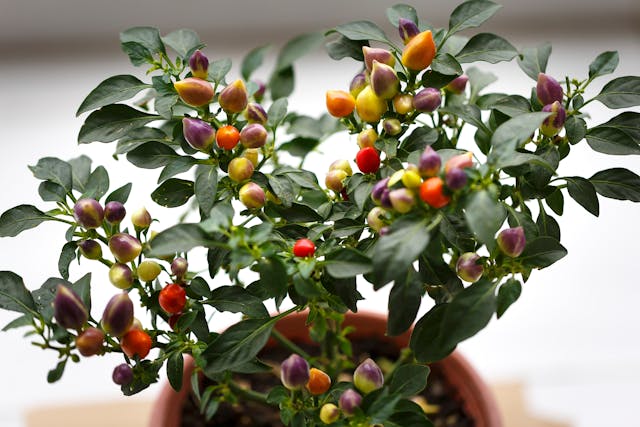
11. Ornamental Pepper (Capsicum annuum)
Appearance:
This plant has glossy green leaves and produces small colorful peppers in red, yellow, orange, or purple. It adds a bright decorative touch indoors.
Germination Time:
10–20 days
Sowing Directions:
Plant seeds about 0.5–1 cm deep in seed-starting mix. Keep the container warm and place it in bright light.
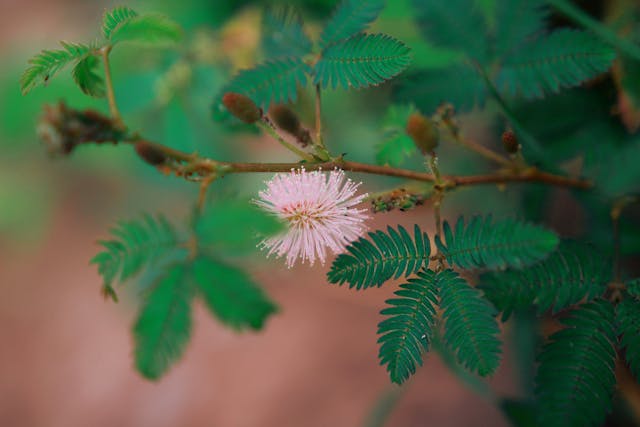
12. Sensitive Plant (Mimosa pudica)
Appearance:
The sensitive plant has delicate fern-like leaves that fold when touched. It also produces small fluffy pink flowers.
Germination Time:
5–10 days
Sowing Directions:
Soak seeds in warm water overnight before planting. Sow them about 0.5 cm deep and keep the soil warm and moist.
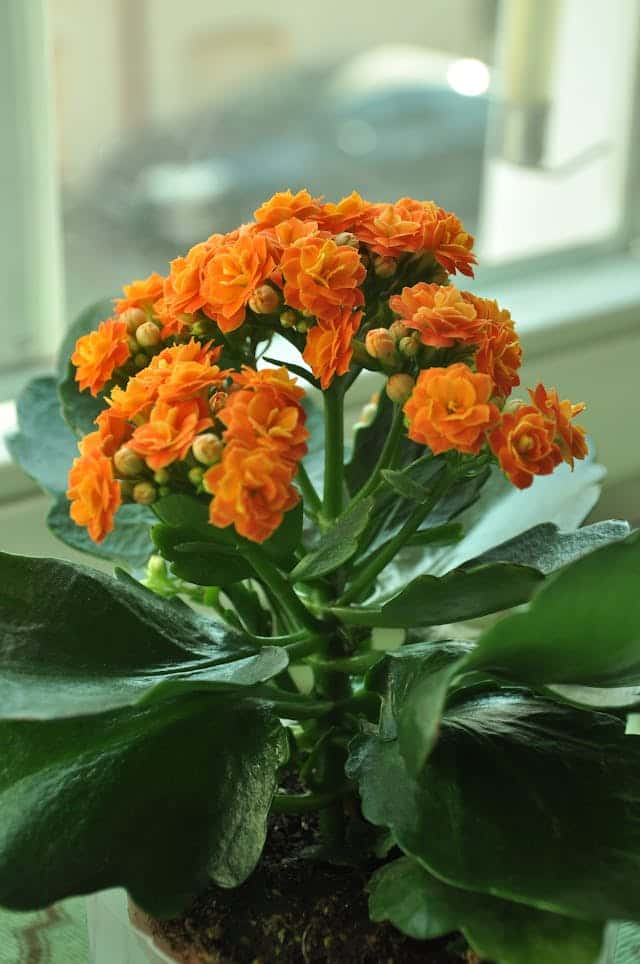
13. Kalanchoe (Kalanchoe blossfeldiana)
Appearance:
Kalanchoe is a compact succulent with thick, glossy green leaves and clusters of small flowers in red, pink, yellow, orange, or white. It is a very attractive flowering houseplant that grows well in pots indoors.
Germination Time:
14–21 days
Sowing Directions:
Sow the tiny seeds on the surface of moist seed-starting mix and gently press them into the soil. Do not cover the seeds, as they need light to germinate. Keep the container warm and place it in bright indirect light.
5 Simple Tips to Germinate Seeds Faster Indoors
1. Use Warm Soil
Most seeds germinate faster in warm soil. Keep the seed trays in a place where the temperature stays around 68–75°F (20–24°C). A warm environment helps seeds sprout more quickly.
2. Soak Seeds Before Planting
Soaking seeds in lukewarm water for 8–12 hours softens the seed coat. This allows water to enter the seed easily and speeds up germination.
3. Use a Good Seed-Starting Mix
A light, well-draining seed-starting mix helps seeds sprout faster. It keeps the soil moist but not soggy, allowing young roots to grow easily.
4. Keep the Soil Consistently Moist
Seeds need moisture to germinate. Water the soil gently and make sure it stays slightly moist but not waterlogged, which can cause seeds to rot.
5. Provide Bright Indirect Light
Once seeds sprout, place them in bright indirect light or under grow lights. Good light helps seedlings grow strong and prevents them from becoming weak or leggy.
For more tips check out this guide here.