
You’re standing in the produce aisle, basket in hand, staring at two nearly identical containers of small red tomatoes. One says “cherry,” the other says “grape”, and you’re genuinely not sure which one to grab. Does it even matter? (Spoiler: it does, more than you’d think.)
If you’ve ever wondered about cherry tomatoes vs grape tomatoes, what actually sets them apart, which one belongs in your salad versus your pasta sauce, and whether one tastes better than the other, you’re in the right place. In this post, we’ll break down the real differences between these two crowd favorites: shape, flavor, texture, water content, and how each performs in the kitchen. And because the world of small tomatoes doesn’t stop at just two, we’ll also introduce you to eight other bite-sized varieties worth knowing, from the jewel-like Sungold to the meaty San Marzano piccolo. By the time you finish reading, you’ll never second-guess that produce aisle decision again.
In This Article
What Are Cherry Tomatoes?
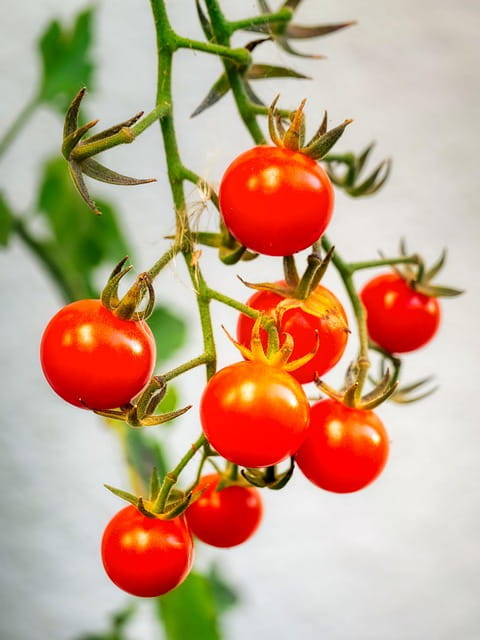
Cherry tomatoes are arguably the most recognizable small tomato on the market, and for good reason. Bursting with juice and sweetness, they’ve earned a permanent spot in home gardens, farmers markets, and grocery stores alike.
If cherry tomatoes are your favorite, why not grow them yourself? Check out our complete guide to growing cherry tomatoes at home, from seed to harvest.
Origin and Appearance
Cherry tomatoes are believed to have originated in South America, with cultivation tracing back centuries before modern breeding refined them into the varieties we know today. True to their name, they’re round, sometimes perfectly spherical, sometimes very slightly oval, and typically range from about half an inch to an inch in diameter. They come in a wide spectrum of colors: classic red, sunny yellow, deep orange, and even near-black and purple hues depending on the variety.
Flavor and Texture
This is where cherry tomatoes really shine. They have a notably high sugar-to-acid balance, which gives them that bright, almost candy-like sweetness with a pleasant tang underneath. Bite into one and you’ll immediately notice how thin the skin is, it snaps easily, releasing a rush of sweet, watery juice. That high moisture content makes them refreshing eaten raw, but it also means they’ll release a fair amount of liquid when cooked, which is worth keeping in mind for certain recipes.
Common Varieties
Not all cherry tomatoes are created equal. Here are three standout varieties worth seeking out:
- Sungold: A firm fan favorite among gardeners and chefs, Sungold tomatoes are a vibrant tangerine-orange with an almost tropical sweetness. They’re exceptionally high in sugar and tend to be less acidic than red varieties, making them a joy to eat straight off the vine.
- Black Cherry: Deep mahogany-red to near-purple in color, Black Cherry tomatoes offer a richer, more complex flavor profile, earthy, sweet, and slightly smoky. They’re a gorgeous addition to salads and charcuterie boards where visual contrast matters.
- Sweet 100: The name says it all. Sweet 100s produce long, cascading clusters of small, intensely sweet red tomatoes. They’re incredibly prolific in the garden and are one of the most widely grown cherry tomato varieties for home growers.
Best Uses in the Kitchen
Cherry tomatoes are at their best when their juiciness and sweetness can take center stage. Toss them raw into green salads, grain bowls, or caprese-style platters. Halve them into pasta dishes where you want pops of bright flavor without a heavy sauce. One of the best things you can do with a pint of cherry tomatoes is roast them low and slow, the heat concentrates their sugars and mellows the acidity, producing a jammy, intensely flavored result that works beautifully on toast, pizza, or stirred into risotto. They’re also the go-to tomato for skewering in appetizers and quick sautés since they hold their shape just long enough under heat before yielding into something silky and sweet.
Already growing them but struggling with ripening? Read our guide on why tomatoes are not turning red: 7 common reasons and how to fix them.
What Are Grape Tomatoes?
Grape tomatoes might look like cherry tomatoes’ quieter cousin, but they’ve carved out their own loyal following, particularly among home cooks who want a reliable, low-fuss tomato that holds up well whether it’s Monday or Friday in the fridge.
Origin and Appearance
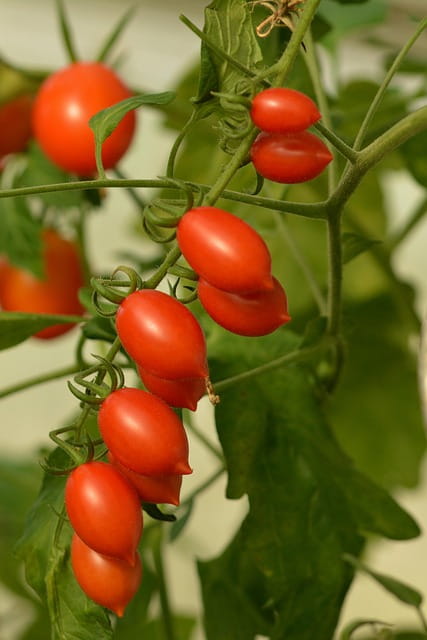
Unlike cherry tomatoes, which have centuries of agricultural history behind them, grape tomatoes are a relatively modern development. They were primarily bred in the 1990s with shelf life and durability in mind, a direct response to the demands of commercial grocery retail, where tomatoes need to survive long transit times and extended display without splitting or going soft. The result is a tomato with thicker skin, denser flesh, and significantly less moisture than its cherry counterpart.
In terms of appearance, grape tomatoes are oblong and elongated, shaped, as the name suggests, much like a small grape or a miniature plum tomato. They’re typically smaller and more uniform in size than cherry tomatoes, which makes them a favorite for pre-packaged containers. While red is the most common color, yellow and orange grape tomato varieties are also widely available.
Flavor and Texture
Where cherry tomatoes lean into bright, juicy sweetness, grape tomatoes offer something a little different: a meatier, more concentrated flavor with a noticeably lower water content. The flesh is denser and chewier, and the thicker skin gives each tomato a satisfying firmness when you bite through it. The flavor tends to be milder and less acidic than cherry tomatoes, pleasantly sweet but without the same punchy tang. Some people find this subtler profile more versatile in cooking; others prefer the bolder hit of a cherry tomato eaten raw. It largely comes down to personal preference and what you’re making.
Common Varieties
Juliet: Often called a “mini Roma,” the Juliet is technically classified as a grape tomato and is one of the most beloved varieties among home gardeners. It’s slightly larger than a typical grape tomato, with a rich, full flavor, meaty texture, and notably crack-resistant skin. Juliet tomatoes hold their shape exceptionally well when roasted or slow-cooked, making them a kitchen workhorse.
Santa Grape: A widely available commercial variety found in most major grocery stores, Santa Grape tomatoes are consistent, firm, and reliably sweet. They’re bred specifically for uniformity and longevity, which is why they tend to be the default tomato in pre-packaged snack containers and salad kits. Not the most exciting tomato on the shelf, but dependable in a way that matters on a busy weeknight.
Best Uses in the Kitchen
Grape tomatoes’ dense flesh and lower moisture content make them particularly well-suited to applications where you don’t want your dish swimming in tomato liquid. They’re excellent halved into pasta salads, chopped into fresh salsas and bruschetta, or scattered into sheet pan dinners where they’ll blister and caramelize without turning watery. Their firm texture also makes them ideal for skewering on kebabs, they won’t fall apart on the grill the way a juicy cherry tomato might. When roasted, grape tomatoes develop a deeper, more concentrated sweetness than cherry tomatoes, with less of the jammy collapse. If you’re meal prepping or making a dish that needs to sit for a few hours before serving, grape tomatoes are almost always the smarter choice.
Cherry Tomatoes vs Grape Tomatoes: Side-by-Side Comparison
Both are small, both are sweet, and both will absolutely work in a pinch, but once you know the differences, you’ll always reach for the right one. Here’s exactly how cherry tomatoes and grape tomatoes stack up across every category that matters in the kitchen.
| Category | Cherry tomato | Grape tomato |
|---|---|---|
| Shape | Round to slightly oval; plump and spherical | Oblong and elongated; miniature plum-like |
| Size | ½ – 1 inch diameter; slightly larger on average | Smaller and more uniform; consistent across packs |
| Skin thickness | Thin, delicate skin, splits easily when ripe | Thicker, tougher skin, resists splitting |
| Flavor | Bright, sweet, and tangy with high sugar-acid balance Bolder flavor | Milder, sweeter, and less acidic; more subtle More versatile |
| Juiciness | Very juicy, high moisture content; bursts when bitten | Denser and meatier, lower moisture; firm bite |
| Shelf life | 3–5 days at peak; skins split quickly once ripe | 7–10 days; bred for durability and longer display |
| Best uses | Raw salads, roasting, caprese, slow-roasted sauces | Pasta salads, kebabs, sheet pan meals, meal prep |
| Price | Slightly higher, more variety-specific and seasonal | Slightly lower, mass-produced and widely available |
Choose cherry tomatoes when flavor intensity and juiciness are the priority, raw eating, quick roasting, or anywhere their brightness can shine. Choose grape tomatoes when texture, shelf life, or a lower-moisture result matters more, meal prepping, grilling, or dishes that sit for a while before serving.
The good news is that in most recipes, either will work. But knowing which one to reach for means your food will be better for it.
Cherry and grape tomatoes pair beautifully with fresh herbs and vegetables. If you love growing your own produce, don’t stop at tomatoes. Check out our beginner-friendly growing guides:
→ How to Grow Green Onions at Home
→ How to Grow Spinach: A Step-by-Step Guide
→ How to Grow Coriander (Cilantro) at Home
Nutritional Comparison: Cherry Tomatoes vs Grape Tomatoes
Neither tomato is going to upend your diet either way, both are low in calories, high in water content, and packed with the same core nutrients. But there are a few minor differences worth knowing.
| Nutrient (per 100g) | Cherry tomato | Grape tomato |
|---|---|---|
| Calories | 18 kcal | 31 kcal |
| Water content | ~94% | ~91% |
| Vitamin C | 19mg — slightly higher | 15mg — slightly lower |
| Lycopene | Good source | Higher concentration due to denser flesh |
| Sugar | ~2.6g — noticeably sweeter | ~4.8g — concentrated sweetness |
| Fiber | 1.2g | 1.0g |
Which One Should You Use? (Cooking & Substitution Tips)
Now that you know how they differ, the more practical question is: when does the distinction actually matter? The answer depends less on the recipe name and more on what you want the tomato to do in the dish.
When to Reach for Cherry Tomatoes
Cherry tomatoes are the right call whenever you want the tomato itself to be the star, something whose flavor and juiciness carry the dish forward.
Salads and raw applications. The thin skin and high juice content make cherry tomatoes genuinely pleasurable to eat raw. Halved into a green salad, scattered over a grain bowl, or layered into a caprese, they deliver a clean burst of sweet-tart flavor that a denser grape tomato can’t replicate.
Roasting and blistering. Cherry tomatoes are exceptional under high heat. Their moisture turns to steam inside the skin, which blisters and chars beautifully while the flesh collapses into something jammy and concentrated, toss with olive oil, salt, and garlic, roast at 400°F, and you have an effortless sauce.
Burst tomato sauces. Because of their high water content, cherry tomatoes break down quickly in a hot pan. A simple burst sauce comes together in under ten minutes and coats pasta with a light, fresh, intensely flavored result.
When to Reach for Grape Tomatoes
Grape tomatoes earn their place whenever durability, texture, or moisture control matters more than bold flavor.
Meal prep and packed lunches. Thicker skin and lower water content mean grape tomatoes don’t weep or go soft after cutting. Pack them whole on Monday and they’ll still be firm by Wednesday, cherry tomatoes at the same stage are likely leaking juice onto everything around them.
Skewers and grilling. Firm flesh and tight skin mean grape tomatoes stay on the skewer, hold their shape over direct heat, and don’t split when you go to turn the kebab.
Sheet pan dinners and pasta salads. Grape tomatoes blister and caramelize without flooding the pan with liquid, and they stay firm and distinct in composed dishes that sit for a few hours before serving.
Can You Substitute One for the Other?
In most everyday cooking, yes, and no one will notice. The flavor difference is real but not dramatic enough to derail a dish. A few guidelines worth keeping in mind:
If a recipe calls for cherry tomatoes and you only have grape, the dish will be slightly less juicy and the tomatoes will take a little longer to break down during cooking. Add a small splash of water or stock if you’re making a pan sauce and it looks dry.
If a recipe calls for grape tomatoes and you only have cherry, keep the heat a little lower and watch them closely, they’ll blister and collapse faster than you expect. In raw applications, cherry tomatoes are actually the upgrade, so no adjustment needed at all.
The one situation where the substitution noticeably matters is a long, slow roast, the kind that goes for 90 minutes or more at a low temperature. Cherry tomatoes will likely collapse entirely and reduce to a very saucy, jammy consistency. Grape tomatoes will hold more of their shape and give you something with more texture at the end. Neither outcome is bad; they’re just different dishes.
Other Small Tomato Varieties That Look Like Cherry Tomatoes
Cherry and grape tomatoes get most of the spotlight, but the world of small tomatoes runs much deeper. Whether you’re browsing a farmers market, planning a garden, or just trying to decode a produce label, these eight varieties are worth knowing by name.
Cocktail Tomatoes
Cocktail tomatoes sit in the size gap between a cherry tomato and a standard slicing tomato, typically one to two inches across, too large to pop whole but too small and sweet for a sandwich. They’re round, reliably sweet, and bred for uniformity much like grape tomatoes. Their medium size makes them ideal for halving into salads, roasting whole, or serving on a cheese board where a full-size tomato would feel out of place.
Campari Tomatoes
Those deep-red, glossy tomatoes sold on the vine in small plastic clamshells at the grocery store? Almost certainly Camparis. Slightly larger than a cherry tomato, they’re widely considered one of the best-tasting commercially available tomatoes year-round, unusually well-balanced between sweet and acidic, with a juicy interior and thin but sturdy skin. They’re grown hydroponically, which lets growers prioritize flavor over shelf life. Use them anywhere you’d use cherry tomatoes.
Pear / Teardrop Tomatoes
Named for their distinctive tapered shape, pear tomatoes come in red, yellow, and orange varieties, with yellow being the most common at farmers markets. The flavor is similar to a cherry tomato: sweet, mild, and moderately juicy, with slightly meatier flesh. They hold their shape well when halved and dressed, and their silhouette makes them a visual standout on salads and appetizer platters.
Currant Tomatoes
Currant tomatoes are the smallest tomatoes you’re likely to encounter, roughly the size of a large blueberry, growing in long delicate clusters. They’re almost exclusively a farmers market and home garden variety, rarely appearing in supermarkets. Despite their tiny size, the flavor is intense: candy-sweet, bright, and with a skin so thin it practically dissolves. Best eaten raw and straight from the cluster.
Juliet Tomatoes
Sometimes called a “mini Roma,” the Juliet is officially a grape tomato but punches well above its category in flavor. It’s oblong, meaty, and notably crack-resistant, a home gardener favorite since the late 1990s. The flesh is denser and more complex than a standard grape tomato, and it holds up beautifully under heat. Roast Juliets low and slow and they concentrate into something deeply savory and sweet without falling apart.
Sungold Tomatoes
Sungolds have a cult following, and rightly so. These small tangerine-orange cherry tomatoes are among the sweetest you can grow or buy, with a flavor that leans almost tropical, think mandarin orange meets ripe tomato with very little sharpness. The skin is thin and the flesh intensely juicy, which means they don’t travel well and are mostly found at farmers markets and in home gardens. Eat them raw whenever possible.
Black Cherry Tomatoes
Deep mahogany-red to near-purple at peak ripeness, Black Cherry tomatoes stand out visually and in flavor. They’re richer and more complex than standard red cherry varieties, earthy, sweet, and faintly smoky with hints of dark berry. The slightly thicker skin gives a satisfying snap before the juicy flesh follows. They’re beautiful raw in salads but also develop an almost wine-like depth when roasted.
Heirloom Cherry Varieties
Heirloom cherry tomatoes aren’t a single variety, they’re a broad category of open-pollinated tomatoes grown and saved across generations, prioritizing flavor over commercial durability. At a good farmers market in peak summer you might find a dozen in one stall: Isis Candy, Matt’s Wild Cherry, Chocolate Cherry, Green Grape, and more. Colors range from pale green to deep burgundy, and flavors span bright citrus to rich, wine-like complexity. They’re rarely found in supermarkets, thin skins and short shelf lives make them commercially impractical, which is exactly what makes growing or finding them so worthwhile.
Frequently Asked Questions
Are grape tomatoes sweeter than cherry tomatoes?
Grape tomatoes have a higher sugar content by weight, but cherry tomatoes taste sweeter because of their higher sugar-to-acid ratio. Grape tomatoes express sweetness as mellow and concentrated; cherry tomatoes express it as bright and punchy. Both are sweet, just differently.
Can I substitute grape tomatoes for cherry tomatoes?
Yes, in most recipes. Grape tomatoes release less moisture during cooking, so add a small splash of water or stock if making a pan sauce. In raw applications like salads, cherry tomatoes are actually the upgrade, no adjustment needed.
Which tomatoes are best for salads?
Cherry tomatoes for fresh green salads, their thin skin and juicy burst pair beautifully with leafy greens. Grape tomatoes for pasta salads or any composed salad that sits before serving, as they hold their shape and won’t bleed into the dressing.
What’s better cherry or grape tomatoes?
Neither is objectively better. Cherry tomatoes win on bold flavor and juiciness. Grape tomatoes win on shelf life, structure, and meal prep practicality. Choose cherry for flavor-forward dishes and grape when texture and durability matter more.
Do grape tomatoes taste like cherry tomatoes?
They’re similar but not identical. Both are sweeter and milder than full-size tomatoes. Cherry tomatoes are juicier and tangier; grape tomatoes are denser and milder. The difference is subtle in everyday cooking but obvious when tasted side by side.
Are cherry tomatoes healthier than grape tomatoes?
Not meaningfully. Both are low in calories, rich in vitamin C, potassium, and lycopene. Cherry tomatoes have a slight edge in vitamin C; grape tomatoes offer marginally more lycopene due to denser flesh. The difference is too small to use as a deciding factor.
Can diabetics eat cherry tomatoes?
Yes. Cherry tomatoes have a low glycemic index and minimal impact on blood sugar. They’re low in carbohydrates, high in fiber relative to their size, and considered diabetic-friendly. Anyone with specific dietary concerns should consult their doctor or dietitian.
What is the tastiest type of tomato?
Among small tomatoes, Sungold cherry tomatoes are the most widely praised for their tropical sweetness and low acidity. For year-round grocery options, Campari tomatoes are the standout. For peak flavor overall, seek out heirloom cherry varieties at a farmers market in late summer.
Why are cherry tomatoes more expensive than grape tomatoes?
Grape tomatoes were bred for commercial production, they’re durable, uniform, and cheap to ship. Cherry tomatoes, especially specialty and heirloom varieties, are more fragile, have shorter shelf lives, and require more careful handling, all of which adds to the cost.
What is smaller, cherry or grape tomatoes?
Grape tomatoes are generally smaller and more uniform in size. Cherry tomatoes vary more by variety, some are comparable in size, others grow noticeably larger. If two containers look similar, the grape tomatoes will be the smaller, more elongated ones.