
Choosing the best soil for indoor plants is one of the most important steps for growing healthy and thriving plants inside your home. The right soil does much more than just hold your plant in place, it controls drainage, retains the right amount of moisture, and provides essential nutrients for proper growth. Whether you’re caring for leafy houseplants, growing vegetables indoors, or maintaining drought-tolerant succulents, each type of plant has unique soil needs that shouldn’t be ignored.
Many indoor gardening problems, such as yellowing leaves, root rot, or stunted growth, can often be traced back to using the wrong soil mix. That’s why understanding soil composition, like the balance between aeration and moisture retention, is key to long-term success. In this guide, you’ll discover how to choose the perfect soil for different types of indoor plants, along with practical tips to improve plant health and boost growth naturally.
Table of Contents
What Is the Best Soil for Indoor Plants?
The best soil for indoor plants is not regular soil from your garden, it’s a specially formulated potting mix designed for container growing. Indoor plant soil is typically lightweight, well-draining, and made from a blend of materials like peat moss or coco coir, perlite, vermiculite, and compost. This combination helps provide the right balance of moisture retention, aeration, and nutrients that indoor plants need to thrive.
Regular garden soil is not suitable for indoor plants because it is too dense and compact. It can hold excess water, leading to poor drainage and root rot, while also limiting airflow around the roots. Additionally, garden soil may contain pests, diseases, or weed seeds that can harm your indoor plants.
Different indoor plants have different soil needs. For example, tropical houseplants prefer moisture-retentive soil, vegetables need nutrient-rich mixes, and succulents require fast-draining soil to prevent overwatering. Choosing the right soil based on your plant type is essential for healthy growth.
What Makes Good Soil for Indoor Plants?
The quality of your soil plays a huge role in how well your indoor plants grow. The best soil isn’t just about nutrients, it’s about creating the perfect environment for roots to breathe, absorb water, and stay healthy. A good indoor potting mix has a balanced structure that supports three key factors: drainage, aeration, and nutrient retention.
Drainage is essential to prevent excess water from sitting in the soil. Without proper drainage, roots can become waterlogged, leading to root rot and other issues. Materials like perlite or coarse sand help excess water flow out easily.
Aeration allows oxygen to reach the roots, which is crucial for healthy growth. Loose, airy soil prevents compaction and gives roots space to expand. Ingredients like coco coir and bark improve airflow within the mix.
Nutrient retention ensures that your plants get a steady supply of essential minerals. Organic matter like compost or peat moss helps hold nutrients while still allowing roots to access them when needed.
A well-balanced soil structure combines all three of these elements. Too much drainage can dry out plants quickly, while too much moisture retention can suffocate roots. The key is finding the right mix that keeps your plants hydrated, well-fed, and properly aerated for consistent, healthy growth.
Types of Soil for Indoor Plants
Choosing the right type of soil is essential because not all indoor plants thrive in the same growing medium. Here are the most common types of soil used for indoor plants:
Potting Soil
Potting soil is a traditional mix that may contain actual soil along with organic materials like compost, peat moss, and sand. It’s heavier than other options and can retain more moisture, making it suitable for some houseplants. However, it may not always provide the best drainage for all indoor plants.
Potting Mix (Soilless Mix)
A potting mix is the most popular choice for indoor gardening. It doesn’t contain real soil and is made from materials like coco coir, peat moss, perlite, and vermiculite. This type of mix is lightweight, well-draining, and designed to provide optimal aeration and moisture balance, making it ideal for most indoor plants.
Cactus & Succulent Mix
This type of soil is specially designed for plants that need excellent drainage. It usually contains a higher proportion of sand, perlite, or pumice to prevent water retention. Succulents and cacti thrive in this fast-draining mix because it helps avoid overwatering and root rot.
Organic vs Synthetic Mixes
Organic mixes are made from natural materials like compost, bark, and coco coir. They improve soil health over time and are environmentally friendly. Synthetic mixes, on the other hand, may include added fertilizers or chemical components designed to provide consistent nutrients. Both can be effective, but organic mixes are often preferred for long-term plant health and sustainability.
Best Soil for Houseplants
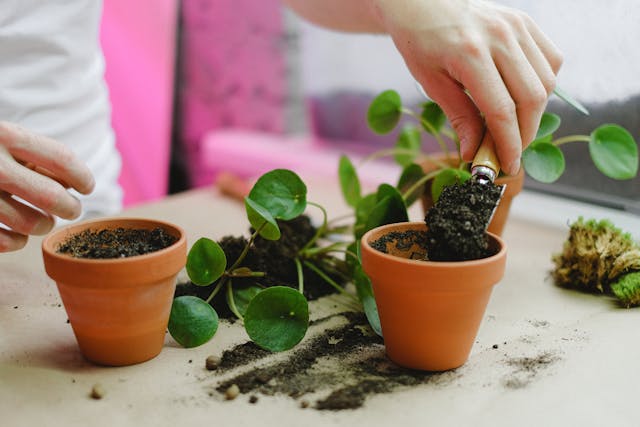
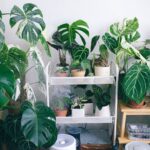
Popular indoor plants like Heartleaf Philodendron and Pink Princess thrive in a well-balanced, moisture-retentive yet airy soil mix. These tropical houseplants prefer soil that holds some moisture but still drains well to prevent soggy roots.
A general ideal mix for most houseplants includes:
- Peat moss or coco coir (for moisture retention)
- Perlite (for drainage and aeration)
- Compost or organic matter (for nutrients)
This combination creates a light, fluffy structure that supports healthy root growth while reducing the risk of overwatering issues.
If you’re using store-bought potting soil, you can easily improve it for better performance. Many commercial mixes are too dense, so try adding extra perlite or coarse sand to boost drainage. Mixing in a bit of compost or worm castings can also increase nutrient content and promote stronger plant growth.
Using the right soil works hand-in-hand with proper care. Match your soil choice with correct watering and lighting for best results. For guidance on watering and lighting requirements for indoor plants check out our guide on Watering and Lighting for indoor plants.
Best Soil for Indoor Vegetables
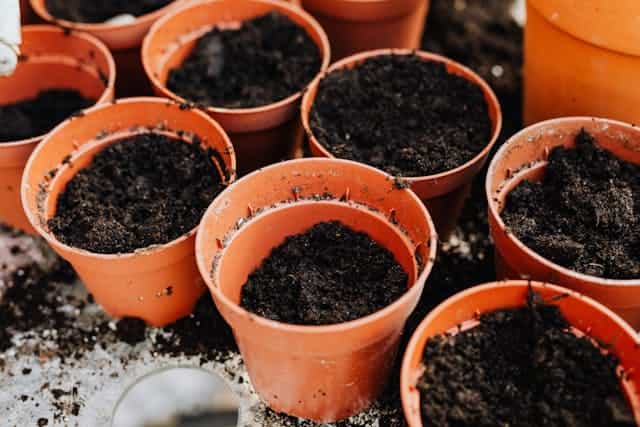
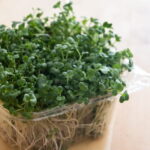
Indoor vegetables like Spinach, Coriander, Green Onions, and Cherry Tomatoes need soil that is rich in nutrients and retains moisture without becoming waterlogged. Unlike houseplants, edible plants rely heavily on a steady supply of minerals to support fast growth and flavorful harvests.
The ideal soil mix for indoor vegetables should include:
- Compost or well-rotted organic matter (for nutrients)
- Coco coir or peat moss (for moisture retention)
- Perlite or vermiculite (for drainage and aeration)
Organic matter is especially important because it not only provides essential nutrients but also improves soil structure and encourages healthy root development. Regular feeding with compost or organic fertilizers can further boost growth and yields.
Best Soil for Succulents
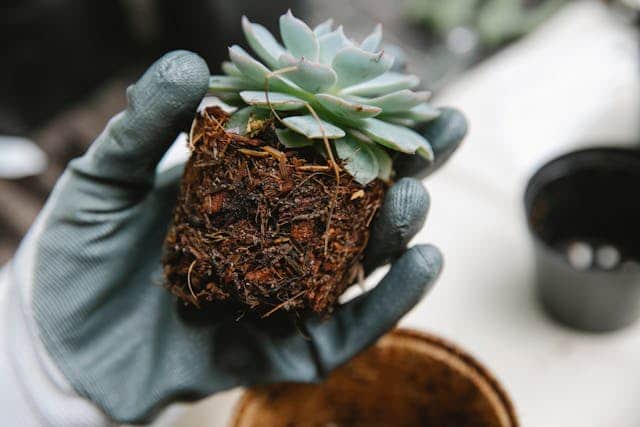
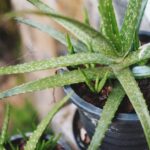
Succulents, including Aloe Vera, thrive in fast-draining soil that prevents water from sitting around their roots. Unlike houseplants or vegetables, succulents are highly prone to root rot if their soil retains too much moisture.
The ideal soil mix for succulents includes:
- Coarse sand (for drainage)
- Perlite or pumice (for aeration)
- Cactus or succulent-specific potting mix (for structure and nutrients)
Using regular potting soil for succulents can be risky because it often holds too much water, leading to root rot and slow growth. A properly balanced succulent mix ensures your plants get just the right amount of moisture while staying aerated, allowing roots to grow healthy and strong.
How to Make Your Own Indoor Plant Soil Mix
Creating your own indoor plant soil mix is cost-effective and fully customizable, allowing you to provide the ideal growing environment for each plant type. Using the right ingredients in the right proportions ensures proper drainage, aeration, and nutrient availability, which are crucial for healthy root development and growth. Here’s how to make mixes for different types of indoor plants:
General Houseplant Mix:
- 2 parts peat moss or coco coir – retains moisture while keeping the soil light.
- 1 part perlite – improves drainage and prevents compaction, ensuring roots get enough oxygen.
- 1 part compost or worm castings – adds essential nutrients for steady growth.
Why this works: Houseplants like Pothos, Monstera, and Peace Lily need soil that holds some moisture but still drains well. This ratio creates a balanced, fluffy mix that prevents overwatering issues while feeding your plants naturally.
Vegetable Mix:
- 2 parts compost or well-rotted organic matter – provides rich nutrients for fast-growing edible plants.
- 1 part coco coir or peat moss – retains moisture to keep vegetables hydrated.
- 1 part perlite or vermiculite – ensures excess water drains away and roots stay healthy.
Why this works: Indoor vegetables like Spinach, Coriander, Green Onions, and Cherry Tomatoes require nutrient-dense soil. This mix keeps the soil fertile and aerated, supporting strong growth and better yields.
Succulent & Cactus Mix:
- 2 parts coarse sand – allows water to drain quickly, preventing root rot.
- 1 part perlite or pumice – improves aeration and prevents compaction.
- 1 part cactus/succulent soil – provides structure and minimal nutrients suitable for slow-growing succulents.
Why this works: Succulents like Aloe Vera are highly sensitive to overwatering. This fast-draining mix mimics their natural environment, keeping roots dry and healthy while still providing just enough support for growth.
By preparing these mixes, you can customize soil for each plant type, adjusting ingredients if needed to match your indoor conditions, humidity, and watering habits. This approach ensures every plant gets the perfect foundation for thriving indoors.
Common Soil Mistakes to Avoid
Using the wrong soil can quickly undo all your efforts in indoor gardening. Here are some common mistakes to watch out for:
Using Garden Soil Indoors
Regular garden soil is too dense for pots and often contains pests, diseases, or weed seeds. It can retain too much water, leading to root rot and poor plant growth. Always use a proper indoor potting mix or DIY soil blend.
Poor Drainage
Soil that doesn’t drain well causes water to accumulate around the roots, suffocating them and encouraging fungal growth. Make sure your mix includes ingredients like perlite, sand, or pumice to improve drainage.
Compact Soil
Overly compacted soil restricts airflow to the roots and prevents water from spreading evenly. Avoid heavy mixes and gently loosen the soil before potting your plants.
Reusing Old Soil Without Treatment
Reusing soil from old pots without refreshing it can introduce pests, diseases, and depleted nutrients. If you plan to reuse soil, sterilize it and mix in fresh compost or perlite to restore its structure and fertility.
How Soil Affects Watering and Fertilizing
The type of soil you use directly impacts how often you need to water your plants and how effectively they absorb nutrients. Choosing the right soil mix helps create a balance that keeps your plants healthy without overwatering or underfeeding them.
Soil Impacts Water Retention
Different soil mixes hold water differently. For example, soils with more peat moss or coco coir retain moisture longer, meaning you’ll need to water less frequently. On the other hand, fast-draining mixes with sand or perlite dry out quickly and require more frequent watering. Understanding your soil type helps you avoid common issues like overwatering or dry roots.
Soil Affects Nutrient Absorption
Soil also plays a key role in how nutrients are delivered to your plants. Nutrient-rich soils with compost or organic matter slowly release nutrients, while lighter mixes may require regular fertilizing to keep plants fed. Poor-quality or depleted soil can limit nutrient uptake, leading to weak growth and yellowing leaves.
Frequently Asked Questions
What type of soil is best for indoor plants?
The best soil for indoor plants is a well-draining potting mix made with materials like coco coir or peat moss, perlite, and compost. It should balance moisture retention, aeration, and nutrients.
Should I use potting mix or potting soil for indoor plants?
Potting mix is usually better because it’s lightweight, drains well, and is designed for containers. Potting soil can be heavier and may not provide enough aeration for indoor plants.
Can I use normal soil for indoor plants?
No, regular garden soil is too dense and may contain pests or diseases. It can also cause poor drainage and root rot in indoor plants.
How often should I change indoor plant soil?
You should refresh or replace indoor plant soil every 12–18 months, or sooner if the soil becomes compacted or depleted.
What soil do I need to repot indoor plants?
Use a fresh, well-draining potting mix suited to your plant type. For most houseplants, a mix of coco coir/peat, perlite, and compost works well.
What are the disadvantages of potting mix?
Some potting mixes can dry out quickly, lack nutrients over time, or be too lightweight for larger plants. They may require regular fertilizing and adjustments.
What are the signs of bad potting soil?
Common signs include foul smell, mold growth, poor drainage, compacted texture, and plants showing yellow leaves or stunted growth.
What is a good soil alternative for indoor plants?
Soilless mixes like coco coir with perlite, LECA (clay balls), or hydroponic setups are good alternatives depending on your plant and setup.
What soil is best for succulents?
Succulents need fast-draining soil, typically a mix of sand, perlite or pumice, and cactus soil to prevent water retention and root rot.
Do indoor vegetables need special soil?
Yes, indoor vegetables need nutrient-rich, moisture-retentive soil with plenty of organic matter to support healthy growth and good yields.