
Choosing the best fertilizer for philodendrons is essential if you want lush, healthy foliage and steady indoor growth. While these tropical plants are known for being low-maintenance, the right nutrients can make a noticeable difference in leaf size, color vibrancy, and overall plant vigor. In this guide, you’ll learn how to select the best fertilizer for philodendrons, when to apply it, and how to feed your plants properly for strong roots and thriving growth year-round.
Table of Contents
Fertilizers for Philodendron:
Philodendrons are known for their lush, tropical foliage and easy-going nature, but proper fertilization plays a key role in keeping them healthy and thriving. While these plants can survive with minimal feeding, providing the right nutrients encourages faster growth, larger leaves, and more vibrant foliage. Fertilizers supply essential elements like nitrogen, phosphorus, and potassium that support strong roots, steady development, and rich leaf coloration.
However, more fertilizer is not always better. Over-fertilizing can lead to salt buildup, root damage, and leaf burn, so it’s important to feed your philodendron in moderation and follow a balanced schedule to avoid harming the plant.
Do Philodendrons Need Fertilizer?
Yes, philodendrons benefit from fertilizer, particularly during their active growing season in spring and summer, when they produce new leaves and roots more rapidly. During this time, regular feeding helps support healthy growth and vibrant foliage.
In winter, growth naturally slows, so fertilizing should be reduced or paused to prevent nutrient buildup and potential root stress. Detailed feeding schedules and fertilizer types can be adjusted based on your plant’s growth stage and environment.
In potted philodendrons, nutrients gradually become depleted because the limited soil volume cannot replenish itself like garden soil. Regular watering also washes nutrients out over time, making occasional fertilization important to maintain healthy growth and strong foliage.
Best Fertilizer for Philodendrons:
When it comes to feeding philodendrons, you have a few good options, each with its benefits depending on how hands on you want to be and the results you’re after. Here’s a quick overview of the types of fertilizers and which ones work best for philodendrons:
Balanced Liquid Fertilizers:
Liquid fertilizers with a balanced ratio (like 10-10-10 or 20-20-20) are among the most popular choices for philodendrons. They’re easy to apply, you simply dilute them in water and feed your plant during the growing season.
Best for: Consistent, controllable feeding and general healthy growth.
Slow-Release Granules:
Slow-release fertilizers come in granular form and steadily release nutrients over weeks or months. You mix them into the potting soil or sprinkle on top. They reduce the need for frequent feeding and help avoid over-fertilizing.
Best for: Beginners or busy plant owners who want low-maintenance feeding.
Organic Fertilizers:
Organic options like fish emulsion, worm castings, or compost teas provide nutrients more gently and improve soil health over time. They work slowly but are less likely to cause fertilizer burn.
Best for: People who prefer natural, gentle feeding and soil enrichment.
Specialized Houseplant Fertilizers:
Many plant brands make formulations tailored to indoor foliage plants, often with micronutrients that boost color and leaf quality. These work similarly to balanced fertilizers but are optimized for leafy plants like philodendrons.
Best for: Maximizing foliage vibrancy and overall plant health.
Which Fertilizer to use?
- For most growers, a balanced liquid fertilizer during spring and summer is ideal.
- If you forget to fertilize regularly, slow-release granules make feeding easier.
- If you’re focused on organic gardening, go with organic fertilizers for long-term soil benefit.
Key Nutrients Philodendrons Need:
Philodendrons owe their lush, vibrant foliage to a careful balance of essential nutrients. While water and light keep them alive, the right macro and micronutrients fuel healthy growth, strong roots, and colorful leaves. Understanding which nutrients your philodendron needs, and why, helps you provide the proper fertilization for bigger leaves, faster growth, and thriving indoor plants.
Nitrogen (N): Promotes lush, green leaf growth and overall plant vigor. Nitrogen deficiency often shows as yellowing leaves.
Phosphorus (P): Supports strong root development and encourages new growth. It’s essential for establishing healthy plants.
Potassium (K): Helps with overall plant health, disease resistance, and vibrant leaf coloration.
Calcium (Ca): Strengthens cell walls, helping leaves maintain structure and reducing leaf tip burn.
Magnesium (Mg): A key component of chlorophyll, magnesium keeps leaves green and aids photosynthesis.
Micronutrients (Iron, Manganese, Zinc, etc.): Required in small amounts to ensure healthy metabolic functions, rich leaf color, and overall resilience.
By providing these nutrients, either through balanced fertilizers, slow-release options, or organic amendments, you ensure your philodendron grows larger leaves, stronger roots, and vibrant foliage.
How Often to Fertilize Philodendrons:
Here’s a simple guide showing when and how to fertilize your philodendron throughout the year, so you can keep it healthy and thriving.
| Season | How Often | Concentration | What’s Happening in the Plant |
|---|---|---|---|
| Spring (Mar-May) | Every 2–4 weeks | Half-strength balanced fertilizer | Active growth begins; new leaves and roots develop, increasing nutrient demand. |
| Summer (Jun-Aug) | Every 2–3 weeks | Half to full strength (depending on growth rate) | Peak growth period with rapid foliage production and strong root activity. |
| Fall (Sep-Nov) | Every 4–6 weeks | Quarter to half strength | Growth slows as daylight decreases; plant begins conserving energy. |
| Winter (Dec-Feb) | Rarely or none (once every 6–8 weeks if growing) | Very diluted (quarter strength) | Dormant or slow growth stage; minimal nutrient uptake and reduced metabolism. |
Remember: While regular feeding supports healthy growth, over-fertilizing can harm your plant. Stick to the seasonal schedule, adjust based on your plant’s growth rate, and always use the recommended concentration to keep your philodendron thriving year-round.
How to Feed Different Philodendron Varieties:
Different philodendron varieties have slightly different growth habits, so their fertilization needs vary. Here’s a guide for five popular types of philodendrons:
Heartleaf Philodendron (Philodendron hederaceum):
Heartleaf philodendrons are hardy climbers or trailers that grow steadily indoors. Use a balanced liquid fertilizer (10-10-10 or 20-20-20) diluted to half strength every 4–6 weeks during spring and summer. Reduce feeding in winter when growth slows. For potted plants, always water before fertilizing to prevent root burn.
Learn more to Grow and Care for Heartleaf Philodendron.
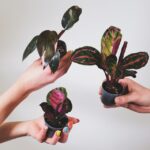
Philodendron Pink Princess (Philodendron erubescens ‘Pink Princess’):
This variegated beauty thrives with careful feeding. A high-nitrogen fertilizer encourages lush, green growth, but moderate phosphorus and potassium help maintain vibrant pink variegation. Feed every 4 weeks in the growing season, using a diluted liquid fertilizer, and avoid fertilizing dry soil to protect sensitive roots.
Learn more to Grow and Care for Philodendron Pink Princess.
Philodendron Brasil (Philodendron hederaceum ‘Brasil’):
Philodendron Brasil grows quickly and produces trailing stems. Balanced liquid or slow-release fertilizer works well, applied every 4–6 weeks during active growth. Make sure to water first, and occasionally flush the soil to prevent salt buildup in pots, which can affect leaf color and growth.
Philodendron Birkin:
Birkin philodendrons are slower growers with striking white-striped leaves. Use a diluted, balanced liquid fertilizer during spring and summer. Feed lightly to avoid over-fertilizing, which can scorch the delicate leaves. Occasional flushing of the soil helps maintain healthy roots and vibrant foliage.
Philodendron Monstera (Monstera deliciosa):
Monstera philodendrons need steady nutrients to support their large leaves. Use balanced liquid fertilizer or organic options like compost tea every 4–6 weeks during active growth. Water before applying fertilizer, and reduce feeding in winter. Flushing the soil periodically prevents salt buildup and promotes steady leaf development.
Following these feeding routines ensures each philodendron type receives the right nutrients for strong roots, lush foliage, and vibrant colors.
If you’re not sure which philodendron is right for your space, check out my guide on “15 Best Types of Philodendrons to Grow Indoors” to explore the most popular and beginner-friendly varieties for your home.
How to Apply Fertilizer:
Proper fertilization helps your philodendron grow lush, healthy foliage without risking damage to the roots. Here’s a detailed guide for each step:
Water Plant First:
Always moisten the soil before applying fertilizer. Wet soil protects the roots from burning and helps nutrients spread evenly, allowing your philodendron to absorb them safely. This step also prevents sudden stress to the plant from concentrated fertilizer.
Use Diluted Fertilizer
Mix liquid fertilizer to about half the recommended strength for indoor plants. Diluted fertilizer delivers nutrients gradually, reducing the risk of overfeeding, leaf burn, or root damage, while still supporting healthy growth and vibrant foliage.
Avoid Dry Soil Fertilizing:
Never apply fertilizer to completely dry soil, as it can concentrate around the roots and cause burns. Moist soil helps nutrients dissolve and be absorbed properly, ensuring your plant stays healthy and continues growing steadily.
Flush Soil Occasionally:
Every few months, water the soil thoroughly to wash away excess salts and nutrient buildup. Flushing prevents root damage, maintains balanced soil pH, and ensures that future fertilization remains effective.
Signs Your Philodendron Needs Fertilizer:
Recognizing when your philodendron is lacking nutrients can help you act before growth slows or leaves suffer. One common sign is slow or stunted growth, where new leaves take longer to emerge or remain smaller than usual. Pale or yellowing leaves also indicate a nutrient deficiency, especially nitrogen, which is crucial for healthy, green foliage. Additionally, weak stems or smaller, less vibrant leaves can signal that your plant needs a nutrient boost.
Specific deficiency symptoms:
Nitrogen deficiency: Older leaves turn yellow while new growth is slow and pale.
Potassium deficiency: Leaf edges may brown or curl, and overall growth slows.
Magnesium deficiency: Leaves develop yellowing between the veins while veins remain green, giving a mottled appearance.
Iron deficiency: New leaves appear pale or whitish while older leaves remain green, affecting leaf vibrancy.
Identifying these signs early allows you to adjust your fertilization routine, helping your philodendron regain healthy growth, strong stems, and vibrant foliage.
Signs of Over-Fertilizing Your Philodendron:
While fertilizing helps philodendrons thrive, too much can harm your plant. One of the first signs is brown or scorched leaf edges, caused by excess salts accumulating in the soil. Leaf yellowing or wilting can also occur if the roots are stressed from over-concentration of nutrients. In severe cases, you may notice stunted growth or leaf drop, as the plant struggles to take up water and nutrients properly.
Other indicators include white crusts on the soil surface, which signal salt buildup, and a generally unhealthy appearance despite regular care. If you spot these signs, it’s important to flush the soil with water and reduce or pause fertilization to restore your philodendron’s health.
FAQs About Fertilizing Philodendrons:
Do indoor philodendrons need more fertilizer than outdoor ones?
Indoor philodendrons often need regular feeding because nutrients in pots deplete quickly. Outdoor plants may receive nutrients from natural soil and organic matter. However, both benefit from balanced fertilization during active growth. Monitor growth to adjust feeding frequency.
What is the best fertilizer for philodendrons?
The best fertilizer for philodendrons is a balanced liquid fertilizer such as 10-10-10 or 20-20-20. This ratio provides equal nitrogen, phosphorus, and potassium to support strong root development and lush foliage. Liquid formulas are especially effective because nutrients are absorbed quickly. Always dilute to half strength to avoid overfeeding.
How often should I fertilize my philodendron?
Philodendrons should be fertilized every 2–4 weeks during spring and summer when they are actively growing. During fall, reduce feeding as growth slows. In winter, fertilizing is usually unnecessary because the plant enters a resting phase. Overfeeding during dormancy can cause salt buildup.
Do philodendrons need fertilizer in winter?
Most philodendrons do not need fertilizer in winter since their growth naturally slows down. Feeding during this time may stress the roots and lead to nutrient burn. If your plant is still actively growing under bright indoor light, you can feed lightly once. Otherwise, resume regular feeding in spring.
Is liquid fertilizer better than slow-release for philodendrons?
Liquid fertilizer provides quicker nutrient absorption and allows better control over feeding schedules. Slow-release fertilizers are convenient and release nutrients gradually over time. Both options work well if used correctly. Beginners often prefer liquid fertilizers for flexibility.
Can I use all-purpose fertilizer for philodendrons?
Yes, an all-purpose houseplant fertilizer is suitable for philodendrons as long as it is balanced. Make sure to dilute it to prevent overfeeding. These plants are not heavy feeders, so moderate fertilization works best. Consistency is more important than strength.
Can I fertilize philodendron every time I water?
Fertilizing at every watering is not recommended unless using a very diluted solution. A safer approach is feeding every 2–4 weeks during the growing season. Over-fertilizing can damage roots and cause brown leaf tips. Moderation ensures steady and healthy growth.
Is coffee grounds good for philodendrons?
Coffee grounds can benefit philodendrons if composted first. Fresh grounds may compact the soil and reduce drainage. When used properly, they add small amounts of nitrogen. However, they should not replace a balanced fertilizer.
Does fertilizing make philodendrons grow faster?
Yes, proper fertilization during the growing season promotes faster and healthier growth. Nutrients help produce larger leaves and stronger stems. Without feeding, growth may slow in nutrient-depleted soil. Balanced fertilizing enhances overall plant vitality.
Should I fertilize a newly repotted philodendron?
Wait 4–6 weeks after repotting before fertilizing. Fresh potting mix usually contains nutrients that support initial growth. Fertilizing too soon can stress newly disturbed roots. Once established, resume a regular feeding schedule.
How do I fix fertilizer burn on philodendron?
Flush the soil thoroughly with distilled or filtered water to remove excess salts. Trim damaged leaves to improve appearance. Stop fertilizing for several weeks to allow recovery. Ensure proper drainage before resuming feeding.
What is the best time of day to fertilize philodendrons?
Morning is the best time to fertilize philodendrons. Plants are actively photosynthesizing and can absorb nutrients efficiently. Avoid fertilizing late at night when growth slows. Proper timing supports healthier nutrient uptake.
What fertilizer ratio is best for philodendrons?
A balanced NPK ratio like 10-10-10 or 20-20-20 works best for most philodendrons. These plants are grown mainly for their foliage, so nitrogen is especially important. A slightly higher nitrogen formula can encourage fuller leaf growth. Avoid fertilizers with extremely high phosphorus levels unless promoting root growth.