

If you’ve ever wondered whether you can use the same seeds for sprouts and microgreens, you’re not alone. It’s one of the most common questions among home growers and gardening enthusiasts who are just getting started with these nutrient-packed greens. The short answer is: sometimes yes, but there are important differences you need to understand before you start soaking or sowing. Choosing the right seeds can mean the difference between a thriving harvest and a disappointing, or even unsafe, result. Before diving into seed selection, if you’re just getting started with growing indoors, check out our complete beginner’s guide to growing microgreens at home to get a solid foundation first.
Now, back to seeds. Both sprouts and microgreens have exploded in popularity in recent years, and for good reason. They’re easy to grow, incredibly nutritious, and can be ready to eat in days. But despite how similar they seem on the surface, the way they’re grown is quite different, and that affects which seeds are best suited for each method. In this guide, we’ll break down everything you need to know so you can grow with confidence.
In This Article
What Is the Difference Between Sprouts and Microgreens?
Before deciding which seeds to use, it helps to understand what actually separates these two growing methods, because they’re more different than most people realize.
Sprouts are germinated seeds that are eaten whole, root, seed, and shoot, usually within 3 to 7 days of soaking. They grow in water or in a jar with no soil required, and the entire plant is consumed. Think of classic examples like alfalfa, mung bean, or lentil sprouts.
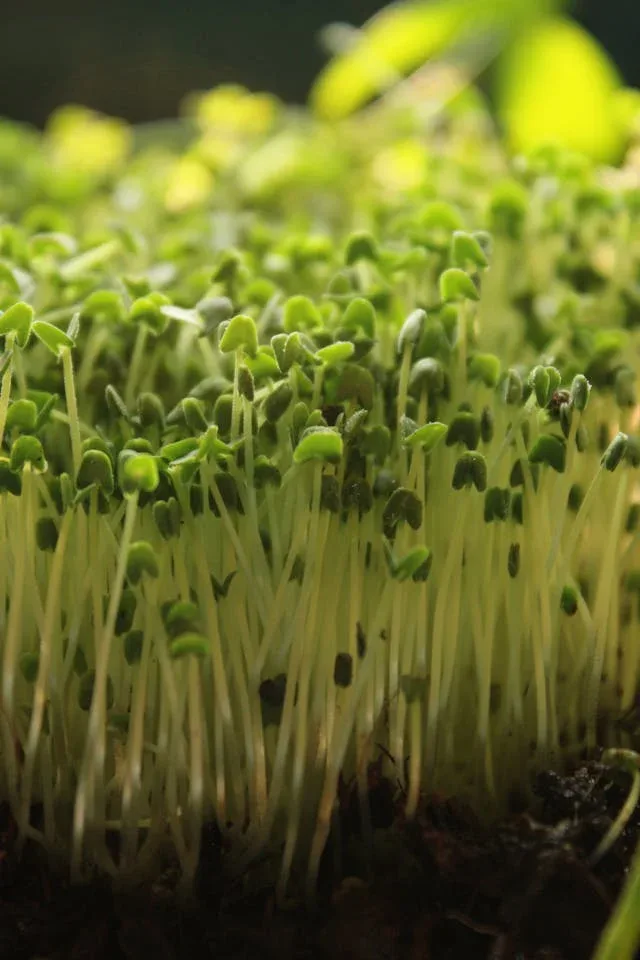
Microgreens, on the other hand, are grown in soil or a growing medium and harvested once the first true leaves appear, typically between 7 to 14 days. Only the stem and leaves are eaten; the roots stay in the growing medium. Popular varieties include sunflower, radish, pea shoots, and broccoli microgreens.
The key differences come down to four things:
- Growing medium — Water for sprouts, soil or a tray medium for microgreens
- Harvest time — Sprouts are faster; microgreens take a bit longer
- What you eat — The whole sprout vs. just the greens and stem
- Light requirements — Sprouts need none; microgreens need good light to thrive
Understanding these differences is exactly why seed selection matters, and why a seed that works perfectly for one method may not be ideal for the other.
Can You Use the Same Seeds for Sprouts and Microgreens?
This is the big question, and the answer is: it depends on the seed.
In theory, any seed that is untreated, food-grade, and safe for consumption can work for both sprouting and growing microgreens. Many seeds, like radish, broccoli, sunflower, and pea, are genuinely versatile and perform well in both formats. So yes, in many cases you can absolutely use the same seeds for sprouts and microgreens without any issues.
However, there are some important exceptions and caveats you need to be aware of before assuming any seed in your pantry will do the job.
When the same seeds work for both:
- The seeds are untreated and uncoated, no fungicides, pesticides, or synthetic coatings
- They are labeled food-safe or certified organic
- The variety naturally suits both growing environments, moist and waterlogged for sprouts, soil-based for microgreens
- You’re sourcing from a reputable seed supplier that clearly labels intended use
When you should NOT use the same seeds:
- Seeds sold for garden planting are often treated with chemicals that are unsafe to eat
- Some seeds are toxic when sprouted, tomato and pepper seeds, for example, should never be used for sprouts
- Certain seeds perform poorly in one format due to their hull, size, or moisture needs, like chia or flax, which become too mucilaginous for sprouting jars but can work as microgreens
- Seeds that have been stored too long may have lower germination rates, affecting your yield in both methods
The safest and most reliable approach is to buy seeds specifically labeled for sprouting or microgreens, or from suppliers who clearly state their seeds are untreated and food-safe. This small step protects both your harvest and your health.
Seeds That Are Better for One Than the Other
Not every seed thrives in both environments. While some varieties are true all-rounders, others are simply better suited to either sprouting or growing as microgreens, due to their structure, moisture needs, flavor development, or the way they germinate. Knowing which seeds lean one way can save you time, wasted effort, and disappointing harvests. Here’s a breakdown of seeds that shine brightest in each method.
Seeds Better for Sprouting
1. Mung Beans
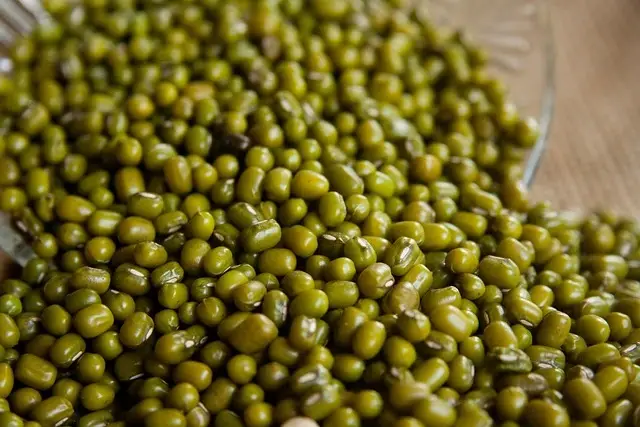
Mung beans are one of the most popular sprouting seeds in the world, and for good reason. They germinate quickly, produce thick and crunchy sprouts, and have a mild, fresh flavor that works in salads, stir-fries, and sandwiches. They thrive in the moist, water-based environment that sprouting requires and don’t perform nearly as well when grown as microgreens.
2. Lentils
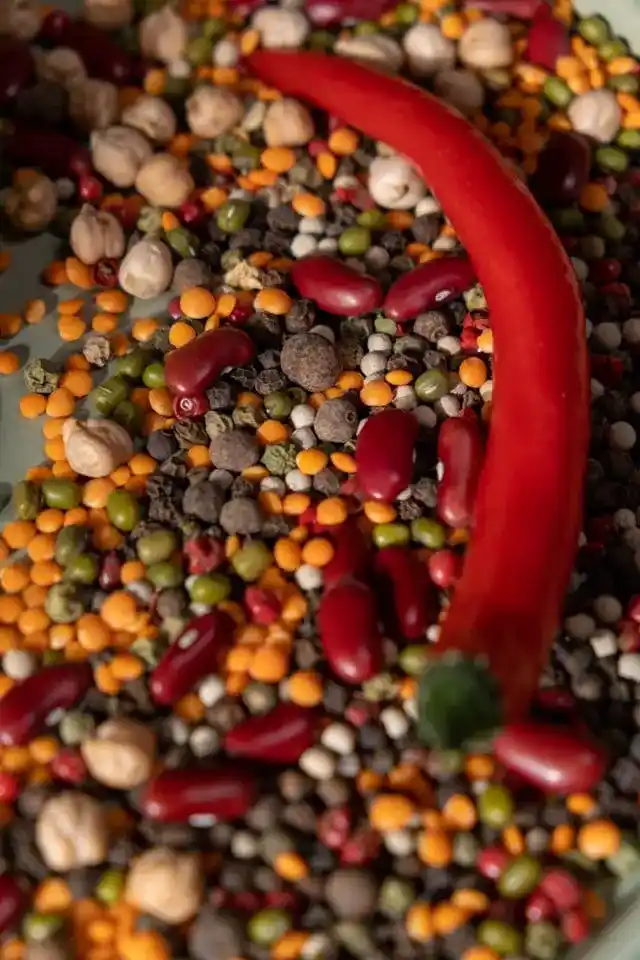
Lentils sprout beautifully within just 2 to 3 days and are packed with plant-based protein and fiber. They have a mild, earthy flavor and a satisfying texture when eaten fresh. Lentils don’t transplant well into a soil-based microgreen setup, their real strength is in the jar.
3. Alfalfa
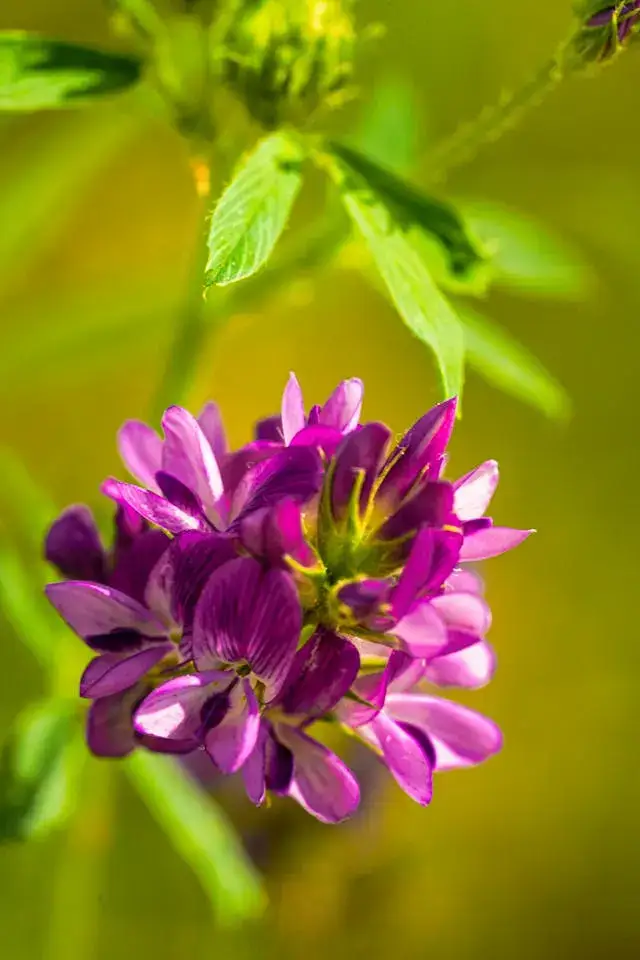
Alfalfa is a sprouting classic. The seeds are tiny but produce a generous tangle of delicate, mild-flavored sprouts that are rich in vitamins and minerals. They require very little space and minimal effort, making them a favorite for beginners. As microgreens, however, alfalfa is tricky to manage and rarely worth the effort.
4. Chickpeas
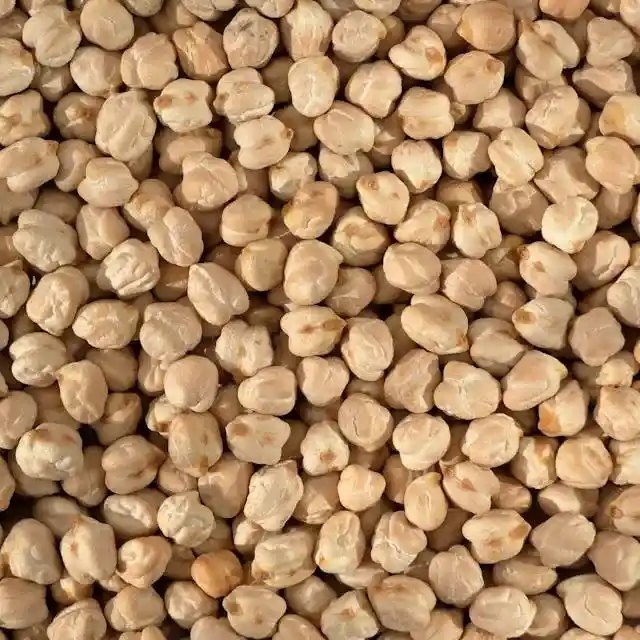
Chickpeas produce hearty, satisfying sprouts with a nutty flavor that’s great eaten raw or lightly cooked. They need a good soak and rinse cycle but reward you quickly. Their large size and dense structure make them a poor choice for microgreen trays, where smaller seeds with finer root systems tend to do better.
5. Fenugreek
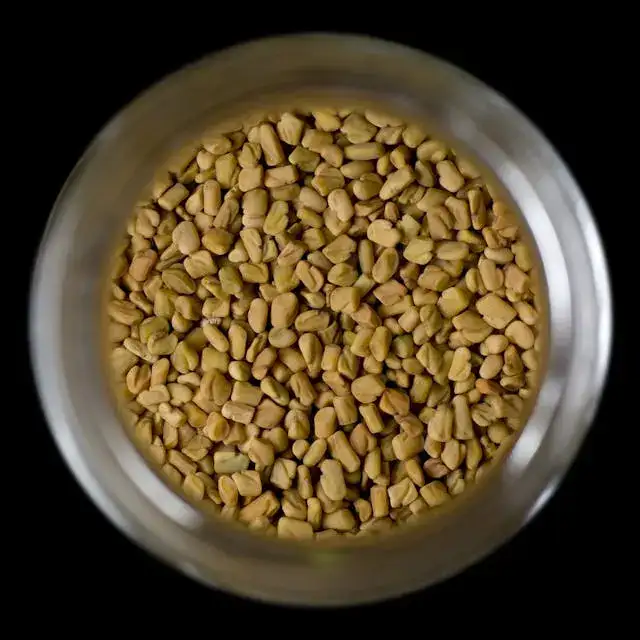
Fenugreek sprouts have a bold, slightly bitter, and aromatic flavor that’s widely used in South Asian cuisine. They germinate fast and do exceptionally well in a sprouting jar. While fenugreek can technically be grown as a microgreen, the strong flavor becomes even more intense and can be overwhelming, making sprouting the preferred method for most growers.
6. Wheat Berries
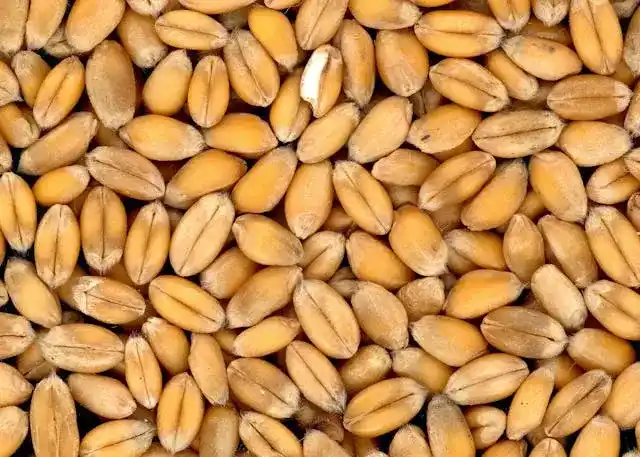
Wheat berries sprout quickly and produce sweet, chewy sprouts that are rich in enzymes and nutrients. They are commonly used in raw food diets and for making rejuvelac. While wheatgrass is a popular microgreen, whole wheat berry sprouts are better suited to the sprouting method since they’re consumed before the grass stage.
7. Adzuki Beans
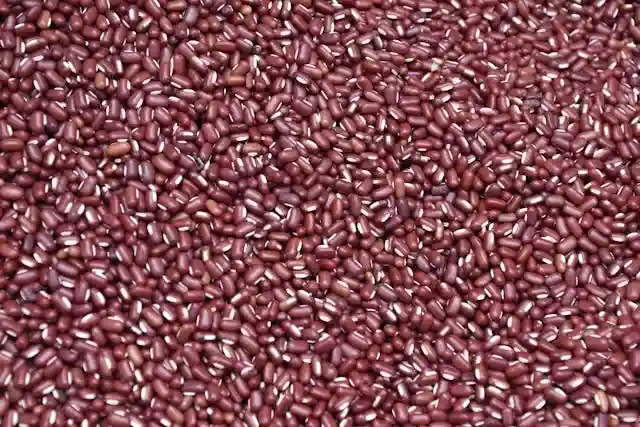
Adzuki beans are a lesser-known but excellent sprouting seed. They have a mildly sweet, nutty flavor and a firm texture that holds up well in savory dishes. Like most beans, they don’t adapt well to microgreen trays, but in a sprouting jar, they deliver consistent results and solid nutritional value.
Seeds Better for Microgreens
1. Sunflower
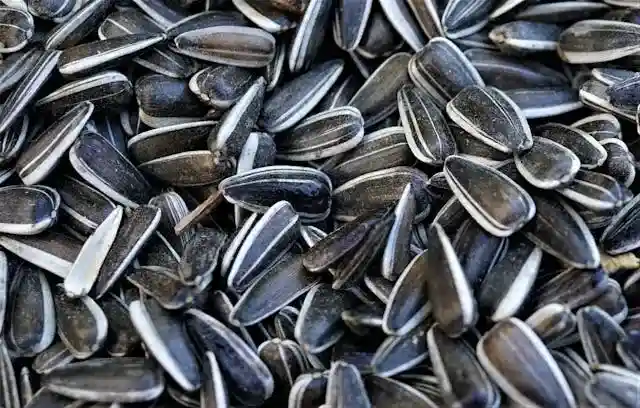
Sunflower microgreens are one of the most popular varieties for good reason, they produce large, substantial greens with a mild, nutty flavor and a satisfying crunch. They need the structure of a growing medium to develop properly, and their large seed size makes them poorly suited for sprouting jars. Grown in trays, they’re one of the most rewarding crops for beginner and experienced growers alike.
2. Basil
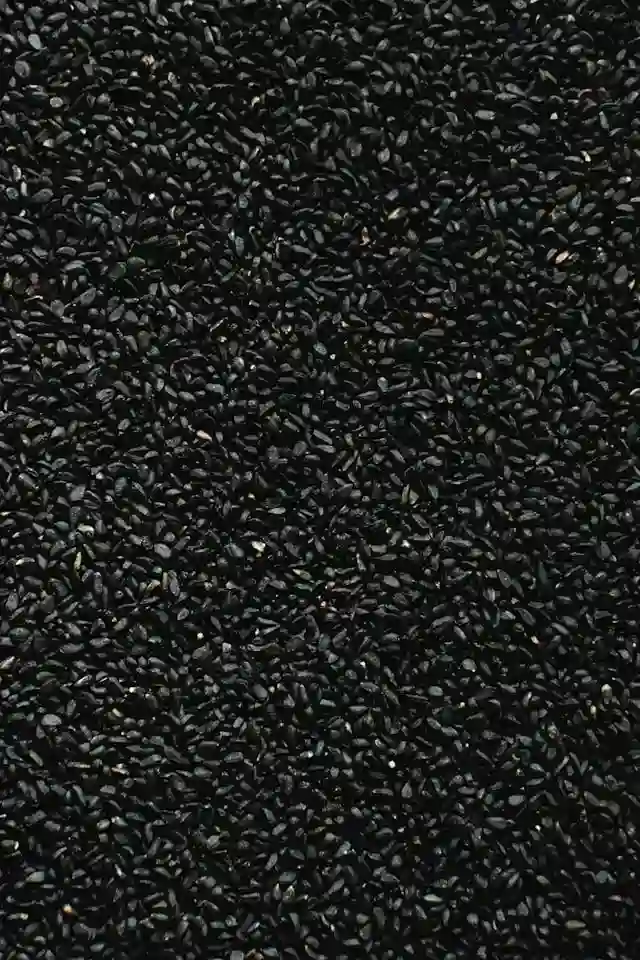
Basil seeds become mucilaginous, gel-like, when wet, which makes them nearly impossible to sprout in a jar. But in a soil-based tray with good light, they develop into fragrant, flavorful microgreens with all the aroma of full-grown basil. They take a little more patience but are well worth it for culinary use.
3. Amaranth
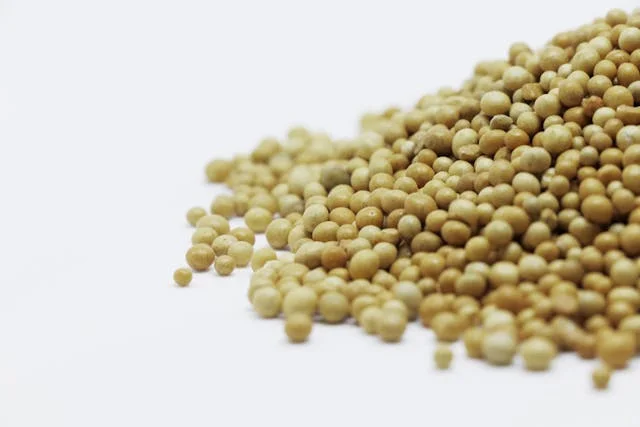
Amaranth produces stunning microgreens with deep pink and purple hues that make them as visually striking as they are nutritious. The seeds are very fine and need the support of a growing medium to develop well. Trying to sprout amaranth in a jar is impractical, it’s a microgreen through and through.
4. Beet
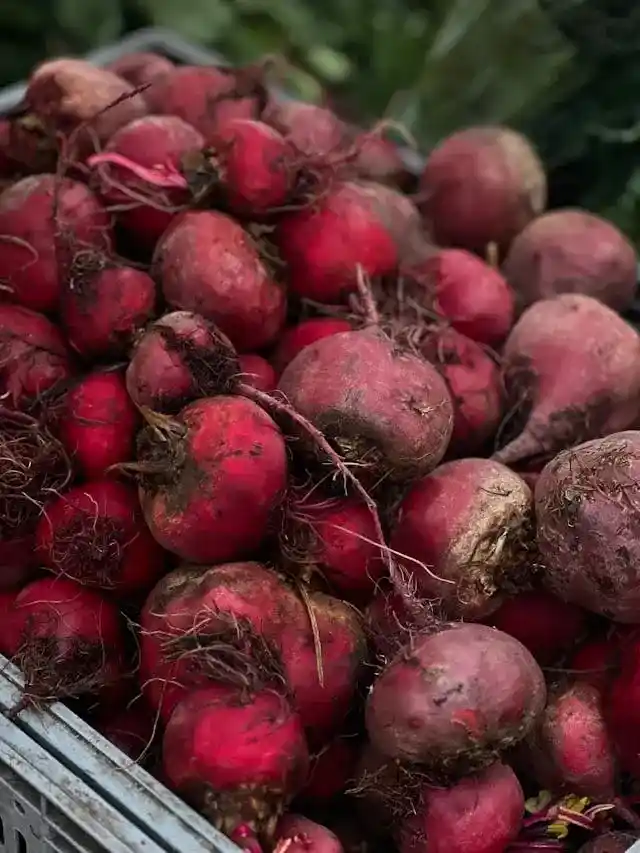
Beet microgreens are earthy, slightly sweet, and visually beautiful with their deep red stems. The seed is actually a cluster that benefits from soaking before planting in a tray. They grow well in soil but are not suitable for jar sprouting due to their size, structure, and the way their roots need to anchor into a growing medium.
5. Celery
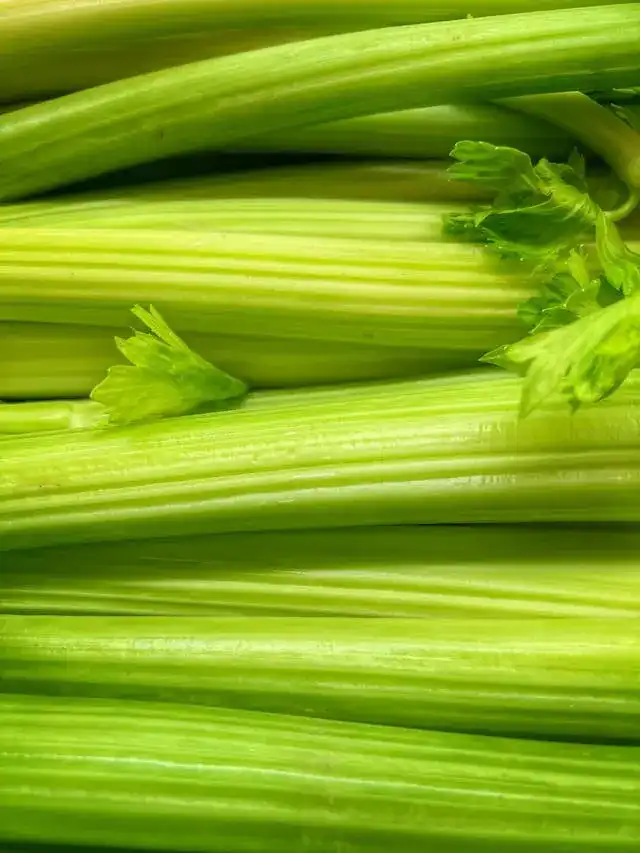
Celery microgreens have an intense, concentrated celery flavor that far surpasses the mild taste of the full-grown vegetable. The seeds are very small and slow to germinate, requiring a stable growing medium and consistent moisture. They don’t work well as sprouts but produce excellent results in a microgreen tray with a little extra patience.
6. Cabbage
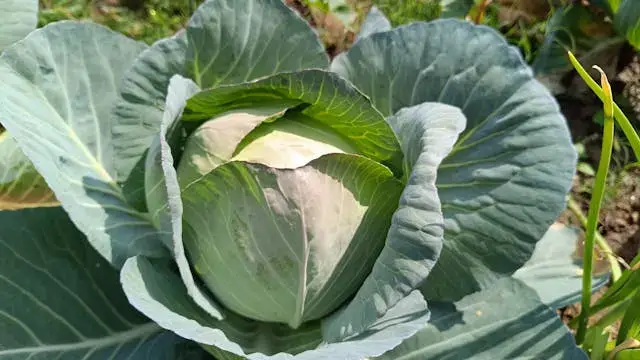
Cabbage microgreens are fast-growing, mild in flavor, and packed with nutrients, particularly vitamin C and antioxidants. They grow quickly and uniformly in trays, making them a reliable crop for beginners. While cabbage seeds can technically be sprouted, the sprouts have a strong sulfurous taste that most people find unpleasant, microgreens are a far better use of this seed.
7. Fennel
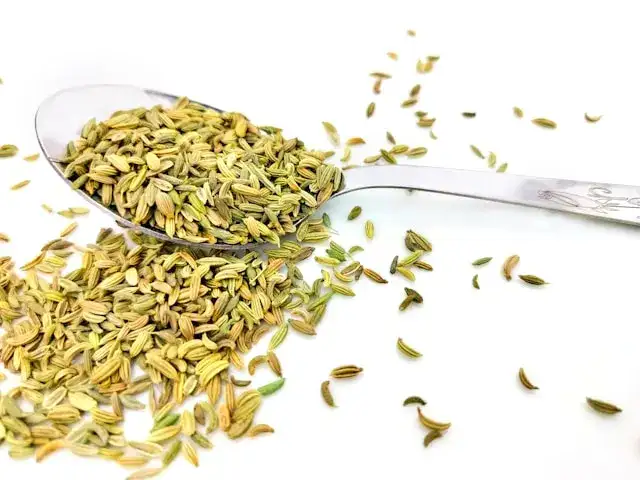
Fennel microgreens carry a delicate anise-like flavor that works beautifully as a garnish or added to salads and fish dishes. They need the structure of a growing medium to develop their characteristic feathery leaves. Fennel is notoriously difficult to sprout in a jar and delivers its best results exclusively as a microgreen.
Seeds That Work Well for Both
The good news is that plenty of seeds are genuinely versatile, capable of producing great results whether you’re growing sprouts in a jar or microgreens in a tray. These are the seeds worth stocking up on, especially if you’re just building your home growing setup and want maximum flexibility. Below are seven seeds that perform reliably in both formats, along with what you can expect from each.
1. Radish
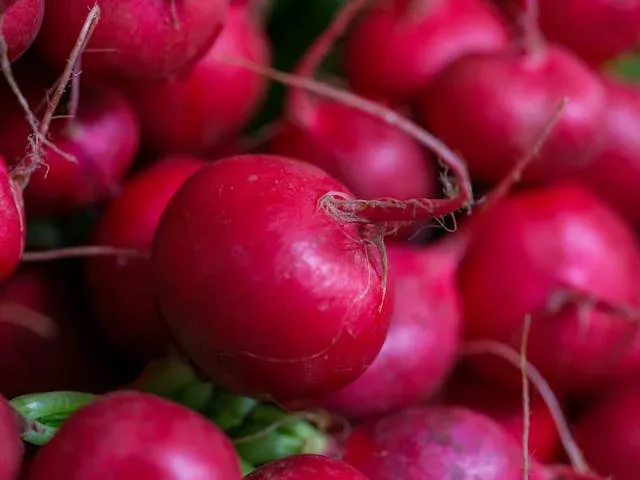
Radish germinates fast and delivers a bold, peppery flavor in both formats. As sprouts they’re ready in 2 to 3 days, and as microgreens they develop beautiful pink or purple stems with that same satisfying spicy kick.
2. Broccoli
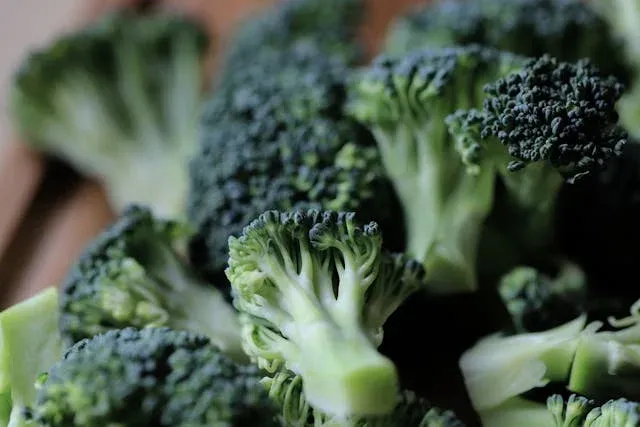
Broccoli is a nutritional powerhouse in both formats. The sprouts are celebrated for their high sulforaphane content, while the microgreens are mild, tender, and easy to add to almost any meal.
3. Pea
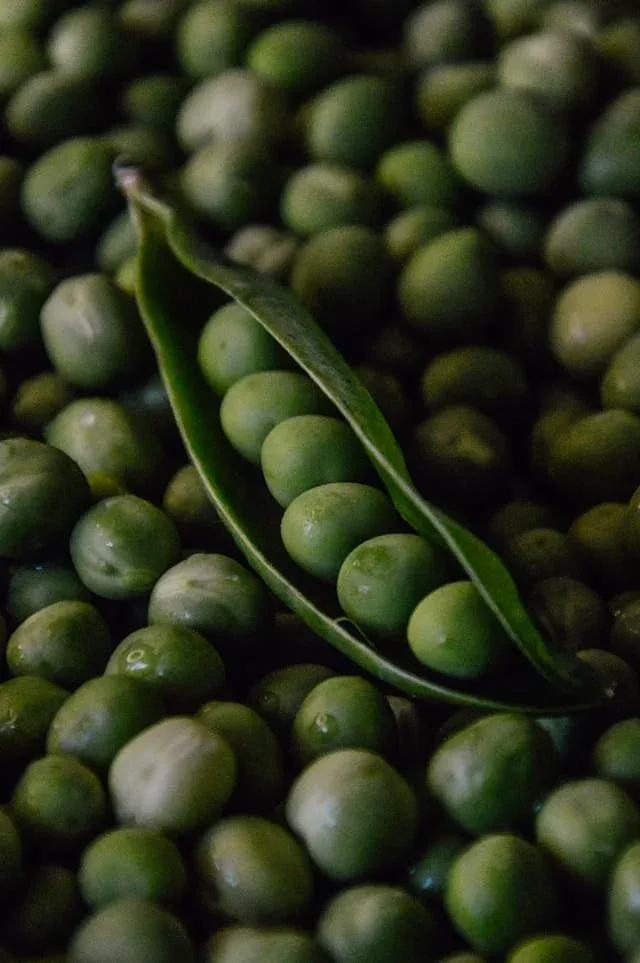
Pea shoots are sweet, tender, and reliable in both setups. Sprouted peas have a fresh crunch, while pea shoot microgreens develop into longer, leafy greens with curling tendrils and a naturally sweet flavor.
4. Kale
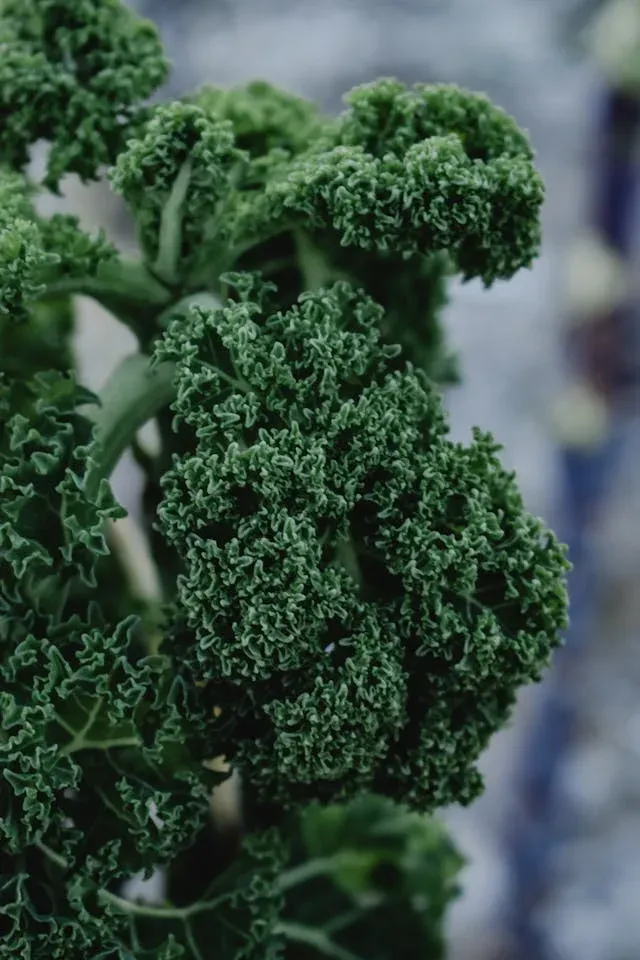
Kale works well in both environments and is milder in both forms than its fully grown version. The sprouts are earthy and approachable, and the microgreens are nutrient-dense and far less bitter than mature kale leaves.
5. Mustard
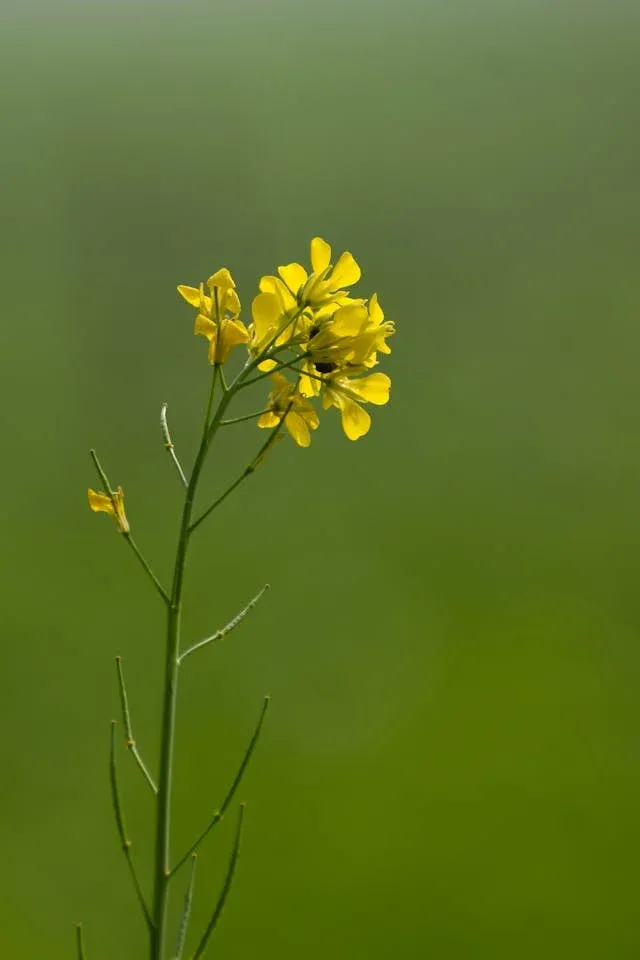
Mustard is fast-growing and full of heat in both formats. The sprouts are spicy and aromatic within just a few days, and the microgreens carry that same bold character with delicate leaves perfect for garnishing.
6. Cabbage
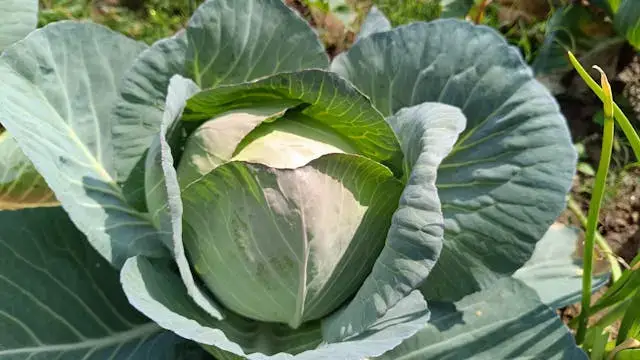
Cabbage sprouts are best consumed young before any sulfurous taste develops, while as microgreens they are mild, fast-growing, and one of the easier varieties for beginners to manage in a tray.
7. Clover

Clover is gentle and mild in both formats. The sprouts are light and delicate, often compared to alfalfa, and the microgreens are fine and slightly sweet, easy to grow and versatile enough for everyday use.
What to Look for When Buying Seeds
Not all seeds on the market are created equal, and buying the wrong type can affect your results, your flavor, and in some cases your safety. Whether you’re growing sprouts or microgreens, here are the key things to look for before adding any seeds to your cart.
1. Untreated and Uncoated Always check that seeds are free from fungicides, pesticides, or synthetic coatings. Seeds sold for garden planting are often treated with chemicals that are unsafe to consume. Look for labels that clearly state “untreated” before buying.
2. Food-Grade or Certified Organic Seeds labeled food-grade or certified organic are held to higher safety standards and are intended for consumption. This is especially important for sprouts, which are eaten raw and whole without any cooking process to eliminate bacteria.
3. High Germination Rate A good germination rate, ideally 90% or above, means more of your seeds will actually sprout or develop into healthy microgreens. Reputable seed suppliers will typically list the germination rate clearly on the packaging or product page.
4. Sourced from a Reputable Supplier Buy from suppliers who specialize in sprouting or microgreen seeds. They understand food safety, store their seeds properly, and are transparent about where their seeds come from. Generic bulk seeds from unknown sources carry more risk and inconsistency.
5. Clearly Labeled for Intended Use Some seeds are better suited for one method over the other. A trustworthy supplier will often indicate whether seeds are recommended for sprouting, microgreens, or both, taking the guesswork out of your purchase.
6. Freshness and Storage Date Older seeds have lower germination rates and can produce weak, uneven growth. Always check for a harvest or packaging date where possible, and store your seeds in a cool, dry place to maintain their viability over time.
Common Mistakes Beginners Make
Growing sprouts and microgreens is relatively simple, but there are a few easy mistakes that can lead to poor germination, mold, weak growth, or even food safety issues. Being aware of these early on can save you a lot of frustration.
1. Using Garden or Treated Seeds This is one of the most common mistakes beginners make. Seeds sold for outdoor gardening are often coated with fungicides or pesticides that are not safe to eat. And beyond treatments, some seeds are naturally toxic at the microgreen stage and should never be used regardless of how they are sourced. Before you start growing, it’s worth checking which plants are unsafe to grow as microgreens, the list might surprise you. Always buy seeds specifically intended for sprouting or microgreens.
2. Overwatering Too much moisture is the fastest way to invite mold into your grow. Sprouts need regular rinsing but should never sit in standing water, and microgreen trays need consistent moisture, not soaking wet soil. Good drainage and airflow make a big difference.
3. Skipping the Soak Many beginners skip the initial soaking step when sprouting seeds. Soaking activates germination and significantly improves your success rate. Most seeds benefit from 6 to 12 hours of soaking before starting the sprouting or growing process.
4. Poor Air Circulation Stagnant air encourages mold growth, especially in the early stages when moisture levels are high. Make sure your growing space has adequate ventilation, and avoid overcrowding seeds in your trays or jars.
5. Using the Wrong Seeds for the Wrong Method As covered earlier in this post, not every seed suits both methods. Using seeds that are too mucilaginous for a sprouting jar, or trying to grow large beans as microgreens, leads to disappointing results. Matching your seed to your method is a simple step that makes a big difference.
6. Inconsistent Rinsing for Sprouts Sprouts need to be rinsed at least twice a day to stay fresh and prevent bacterial buildup. Skipping rinses, even once, can quickly lead to unpleasant smells and unsafe conditions. Build it into your daily routine to keep things clean and healthy.
7. Giving Up Too Early Some seeds take longer than expected to germinate, especially in cooler temperatures. Beginners often assume something has gone wrong and give up before the seeds have had a real chance. Patience, consistent care, and the right conditions go a long way.
Frequently Asked Questions
Can you use the same seeds for sprouts and microgreens?
Yes, in many cases you can, as long as the seeds are untreated, food-grade, and safe for consumption. However, not all seeds work well for both methods, so it’s important to check before growing.
Do you need special seeds to grow microgreens?
No, there is no such thing as a special “microgreen seed.” The difference lies in the growing method, not the seed itself. However, seeds must be untreated and food-safe to be suitable for microgreens.
Can you use regular garden seeds for sprouts or microgreens?
You can, but only if they are untreated. Many garden seeds are coated with fungicides or pesticides that are unsafe to eat, so always check the label before using them for growing food.
What is the difference between sprouting seeds and microgreen seeds?
Botanically, there is no difference, they are the same seeds. The names simply refer to the growing method they are best suited for. The key factors are that both must be untreated and food-safe.
Are organic seeds better for sprouts and microgreens?
Organic seeds are generally preferred because they are grown without synthetic pesticides and are held to higher safety standards, which matters especially for sprouts, which are eaten raw and whole.
Which seeds should you never use for sprouts?
Seeds from the nightshade family, including tomatoes, peppers, and eggplant, should never be used for sprouting as they contain alkaloids that are harmful when consumed raw at the sprout stage.
Can you use store-bought seeds for microgreens?
It depends. Some store-bought seeds are fine if they are clearly labeled as untreated and food-safe. However, seeds sold in bulk bins or for outdoor gardening may be treated and should be avoided.
How do I know if seeds are safe for sprouting or microgreens?
Look for seeds labeled “untreated,” “food-grade,” or “certified organic.” Buying from reputable suppliers who specialize in sprouting or microgreen seeds is the safest and most reliable approach.
Why do some seeds only work as microgreens and not sprouts?
Some seeds, like basil and chia, become mucilaginous when wet, making them impossible to sprout in a jar. Others are simply too large or have a structure that doesn’t suit a water-based growing environment.
What germination rate should I look for when buying seeds?
A germination rate of 90% or above is ideal for both sprouting and microgreens. Reputable seed suppliers will list this clearly on the packaging or product page, so always check before purchasing.