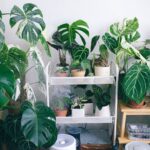

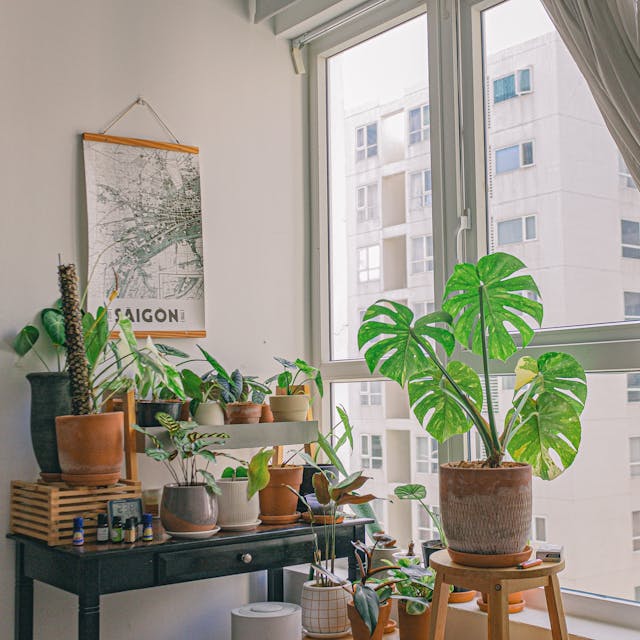
As a person who has lived in cities-surrounded by tall buildings, busy streets, and far from nature, living in small apartments.
I always wanted to grow plants. But I thought it would be impossible, as I was living in an apartment, which did not even get the full 7-8 hours of sunlight.
Then I started researching and found that you don’t need large space or direct sunlight to grow plants.
Table of Contents
Low Light Indoor Plants:
Low light indoor plants are houseplants that thrive in minimal natural sunlight, making them perfect for shaded rooms and offices. They’re easy to care for and add greenery to indoor spaces where brighter plants might struggle.
Below are 15 low light indoor plants that are easy to grow.
1: Aloe Vera (Aloe barbadensis Miller)
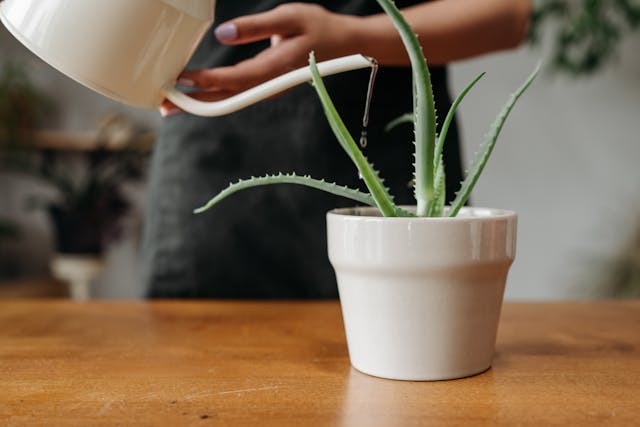
Aloe vera (Aloe barbadensis Miller) is a hardy, succulent plant species from the genus Aloe, known for its thick, fleshy green leaves that contain a soothing gel. It is widely cultivated for its medicinal, cosmetic, and ornamental properties, often referred to as a “wonder herb” or “medicine plant”
Lighting Requirements: Aloe vera grows best in bright, indirect sunlight, such as near a sunny window with filtered light. It can tolerate low light indoors, but growth may slow and the leaves can become thinner. For healthiest growth, aim to give your aloe at least a few hours of gentle light each day.
Watering Needs: Aloe vera should be watered sparingly, allowing the soil to dry out completely between waterings. It stores water in its leaves, so overwatering can cause root rot. In general, watering every 2–3 weeks is enough, depending on the season and indoor conditions.
Potting Soil: Aloe vera grows best in well-draining soil, such as a cactus or succulent potting mix. The soil should not hold too much moisture, as aloe prefers dry conditions. Adding sand or perlite helps improve drainage and keeps the roots healthy.
Propagation: Aloe vera is easily propagated by separating the small offshoots, called pups, that grow at the base of the parent plant. Gently remove a pup with some roots attached and plant it in well-draining soil. With light watering and bright, indirect light, the new plant will establish quickly.
Learn more: How to grow and care for Aloe Vera
2: Snake Plant (Dracaena trifasciata)
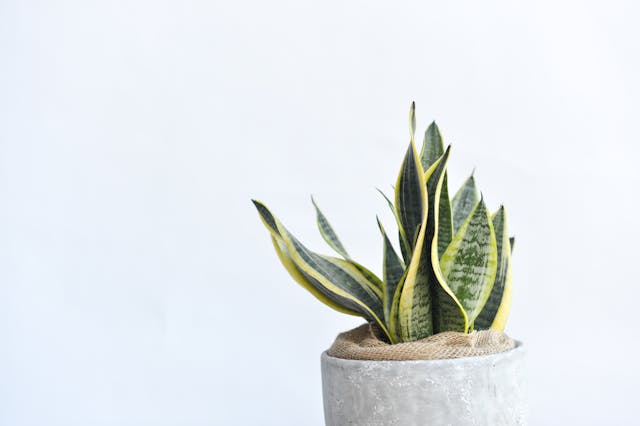
Snake plant (Dracaena trifasciata) is a hardy, evergreen houseplant known for its upright, sword-shaped leaves with striking green patterns and yellow edges. It is widely grown as a low-maintenance ornamental plant and is valued for its air-purifying qualities and ability to thrive in a variety of indoor conditions.
Lighting Requirements: Snake plants grow best in bright, indirect light but are highly adaptable and can tolerate low light areas indoors. They can also handle some direct sunlight, though too much intense sun may scorch the leaves. For steady growth, place the plant where it receives moderate, filtered light.
Watering Needs: Snake plants should be watered sparingly, allowing the soil to dry out completely between waterings. They are drought-tolerant and store moisture in their thick leaves, so overwatering is a common problem. Typically, watering every 2–4 weeks is sufficient, depending on temperature and humidity.
Potting Soil: Snake plants prefer well-draining soil, such as a cactus or succulent mix. The soil should dry quickly and not retain excess moisture. Adding sand or perlite improves drainage and helps prevent root rot.
Propagation: Snake plants are easily propagated by dividing mature plants or by leaf cuttings. To divide, separate a section of the root ball with healthy leaves and replant it in fresh soil. For leaf cuttings, place a cut leaf section in soil or water until roots develop, then transplant it into a pot.
Learn more: How to grow Snake Plant
3: Heartleaf Philodendron (Philodendron hederaceum)
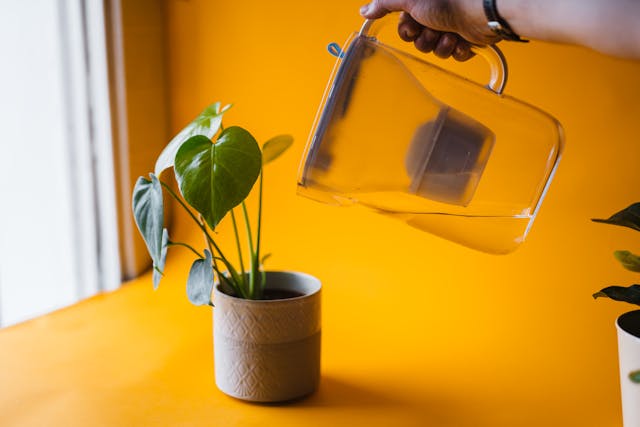
Heartleaf philodendron (Philodendron hederaceum) is a popular trailing houseplant known for its glossy, heart-shaped green leaves and fast-growing vines. It is widely grown as an ornamental indoor plant and is appreciated for its easy care, air-purifying qualities, and ability to thrive in a range of home environments.
Lighting Requirements: Heartleaf philodendron grows best in bright, indirect light but adapts well to medium or low light conditions indoors. Avoid strong direct sunlight, which can scorch the leaves. Moderate, filtered light encourages fuller, healthier growth.
Watering Needs: Heartleaf philodendron prefers evenly moist soil but should not sit in water. Water when the top inch of soil feels dry. Overwatering can lead to root rot, while underwatering may cause drooping leaves. Typically, watering once a week works well, depending on indoor conditions.
Potting Soil: This plant thrives in well-draining, nutrient-rich potting soil. A standard indoor potting mix with added perlite or peat moss helps maintain proper moisture balance and aeration for healthy roots.
Propagation: Heartleaf philodendron is easily propagated through stem cuttings. Cut a healthy vine just below a node and place it in water or moist soil. With bright, indirect light and light watering, roots will develop within a few weeks.
Learn more: How to grow and care for Heartleaf Philodendron
4: Peace Lily (Spathiphyllum)
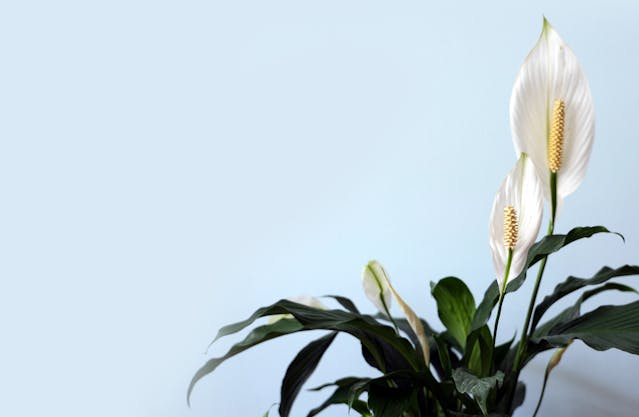
Peace lily (Spathiphyllum) is an elegant flowering houseplant known for its glossy dark green leaves and distinctive white, sail-like blooms. It is widely grown as an ornamental indoor plant and is valued for its air-purifying qualities and its ability to brighten low-light spaces.
Lighting Requirements: Peace lilies grow best in bright, indirect light but can tolerate low light indoors. Too much direct sunlight can scorch the leaves, while very low light may reduce flowering. Gentle, filtered light encourages healthy growth and regular blooms.
Watering Needs: Peace lilies prefer consistently moist soil but should not be overwatered. Water when the top inch of soil feels dry. The plant will droop slightly when thirsty, which is a helpful signal to water. Typically, watering once a week is sufficient, depending on indoor conditions.
Potting Soil: Peace lilies thrive in well-draining, rich potting soil that retains some moisture. A standard indoor potting mix with added perlite or compost works well to keep the roots healthy and aerated.
Propagation: Peace lilies are best propagated by division. Gently separate a mature plant into smaller clumps with roots attached and replant them in fresh soil. With proper watering and indirect light, the new plants establish quickly.
Learn more: How to grow Peace Lily
5: Madagascar Dragon Tree (Dracaena marginata)
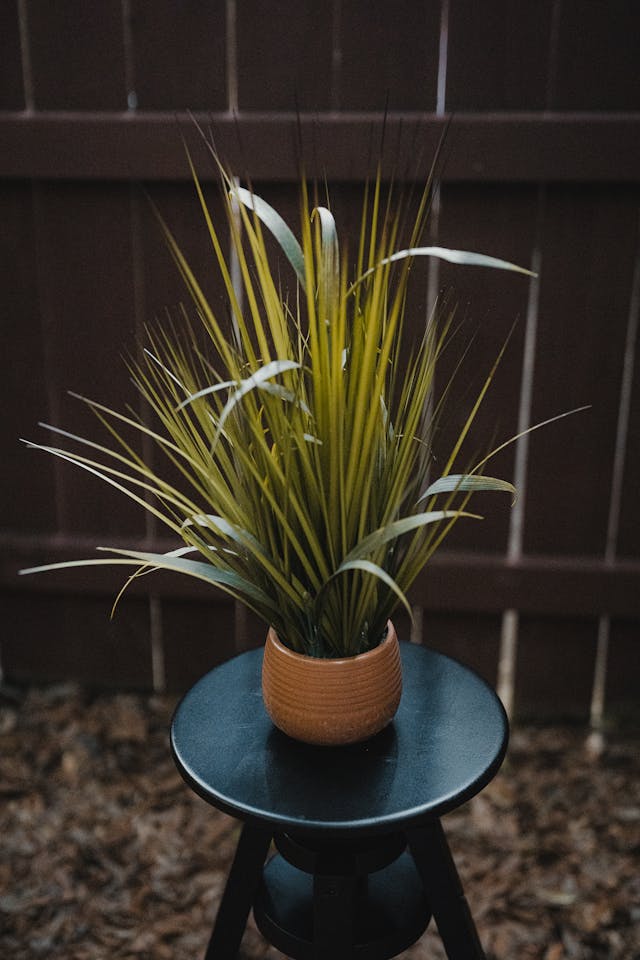
Madagascar Dragon Tree (Dracaena marginata) is a striking, slow-growing houseplant known for its slender stems and narrow, arching leaves edged in red or purple. It is widely grown as an ornamental indoor plant and is valued for its modern appearance, air-purifying qualities, and low-maintenance care.
Lighting Requirements: Dragon trees grow best in bright, indirect light but can adapt to moderate indoor light. Avoid strong direct sunlight, which can scorch the leaves. Consistent filtered light helps maintain vibrant leaf color and healthy growth.
Watering Needs: Dracaena marginata prefers to dry out slightly between waterings. Water when the top 1–2 inches of soil feel dry. Overwatering can cause root rot, so ensure excess water drains freely. Typically, watering every 1–2 weeks is sufficient, depending on indoor conditions.
Potting Soil: This plant thrives in well-draining potting soil that retains light moisture without becoming soggy. A standard indoor potting mix with added perlite or sand improves drainage and supports healthy roots.
Propagation: Dragon trees are easily propagated through stem cuttings. Cut a healthy section of stem and place it in water or moist soil. With warm temperatures and bright, indirect light, roots will develop and a new plant will begin to grow.
6: Spider Plant (Chlorophytum comosum)
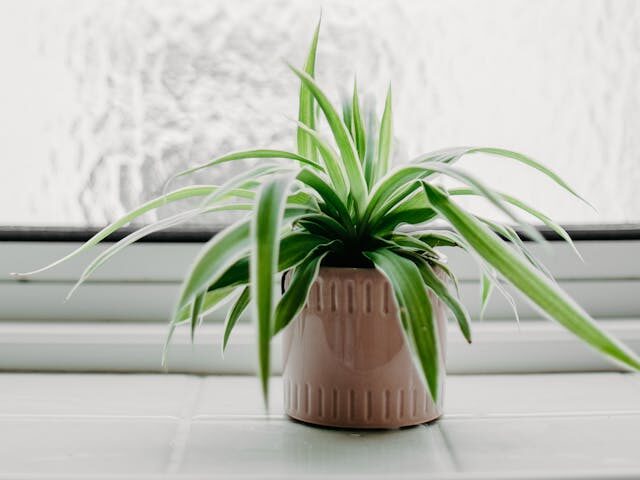
Spider plant (Chlorophytum comosum) is a fast-growing, arching houseplant known for its long, striped green-and-white leaves and small baby plantlets that dangle from slender stems. It is widely grown as an ornamental indoor plant and is prized for its air-purifying qualities, resilience, and ease of care.
Lighting Requirements: Spider plants grow best in bright, indirect light but can adapt to moderate indoor light. Avoid harsh direct sunlight, which can scorch the leaves. Bright, filtered light encourages vibrant leaf color and healthy production of plantlets.
Watering Needs: Spider plants prefer evenly moist soil but should not sit in water. Water when the top inch of soil feels dry. They are somewhat drought-tolerant, but consistent watering supports steady growth. Typically, watering once a week is suitable, depending on indoor conditions.
Potting Soil: This plant thrives in well-draining potting soil that retains some moisture without becoming soggy. A standard indoor potting mix with added perlite or peat moss helps maintain good drainage and root health.
Propagation: Spider plants are easily propagated by planting the small plantlets (spiderettes) that grow on long stems. Place a plantlet in moist soil or water until roots develop, then transplant it into a pot.
7: Zanzibar Gem (Zamioculcas zamiifolia)
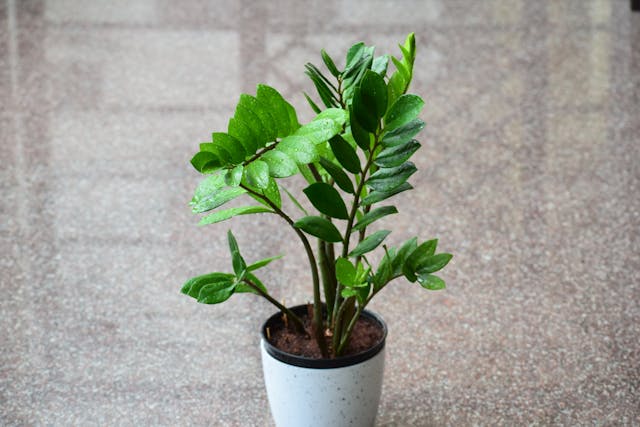
Zanzibar gem (Zamioculcas zamiifolia), also known as the ZZ plant, is a hardy, glossy-leaved houseplant recognized for its thick stems and smooth, waxy green foliage. It is widely grown as an ornamental indoor plant and is appreciated for its extreme tolerance to neglect, low light adaptability, and modern decorative appeal.
Lighting Requirements: Zanzibar gem grows best in bright, indirect light but tolerates low light conditions very well. Avoid prolonged direct sunlight, which can scorch the leaves. Moderate, filtered light encourages stronger and faster growth.
Watering Needs: ZZ plants should be watered sparingly, allowing the soil to dry out completely between waterings. They store water in their underground rhizomes, making them highly drought-tolerant. Overwatering can lead to root rot. Typically, watering every2–3 weeks is enough, depending on indoor conditions.
Potting Soil: This plant prefers well-draining soil, such as a cactus or succulent potting mix. The soil should not retain excess moisture. Adding sand or perlite improves drainage and keeps the roots healthy.
Propagation: Zanzibar gem is commonly propagated by division or leaf cuttings. Separate a section of the rhizome with stems attached, or place a healthy leaf in soil to root. With patience, new growth will develop over time.
8: Chinese Evergreen (Aglaonema)
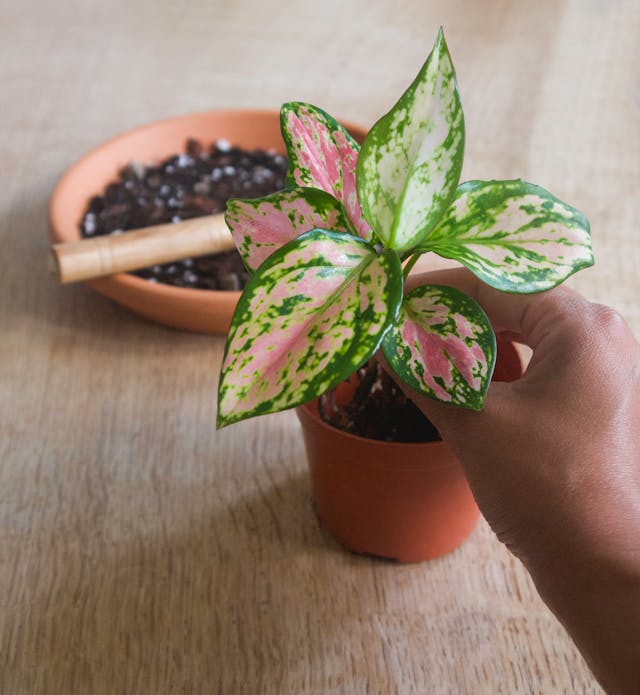
Chinese evergreen (Aglaonema) is a decorative foliage houseplant known for its broad, patterned leaves that come in shades of green, silver, and sometimes red. It is widely grown as an ornamental indoor plant and is valued for its tolerance of low light, easy care, and ability to add color to indoor spaces.
Lighting Requirements: Chinese evergreen grows best in bright, indirect light but tolerates low to moderate light indoors. Avoid direct sunlight, which can fade or burn the leaves. Gentle, filtered light helps maintain vibrant leaf patterns.
Watering Needs: Chinese evergreen prefers slightly moist soil but should not be overwatered. Water when the top inch of soil feels dry. Consistent but moderate watering keeps the plant healthy, while soggy soil can cause root rot. Typically, watering once a week is sufficient, depending on indoor conditions.
Potting Soil: This plant thrives in well-draining, nutrient-rich potting soil. A standard indoor potting mix with added perlite or peat moss provides good drainage and aeration for the roots.
Propagation: Chinese evergreen is easily propagated by division or stem cuttings. Separate a healthy section with roots attached or root a stem cutting in water or soil until new growth appears.
9: Baby rubber plant (Peperomia obtusifolia)
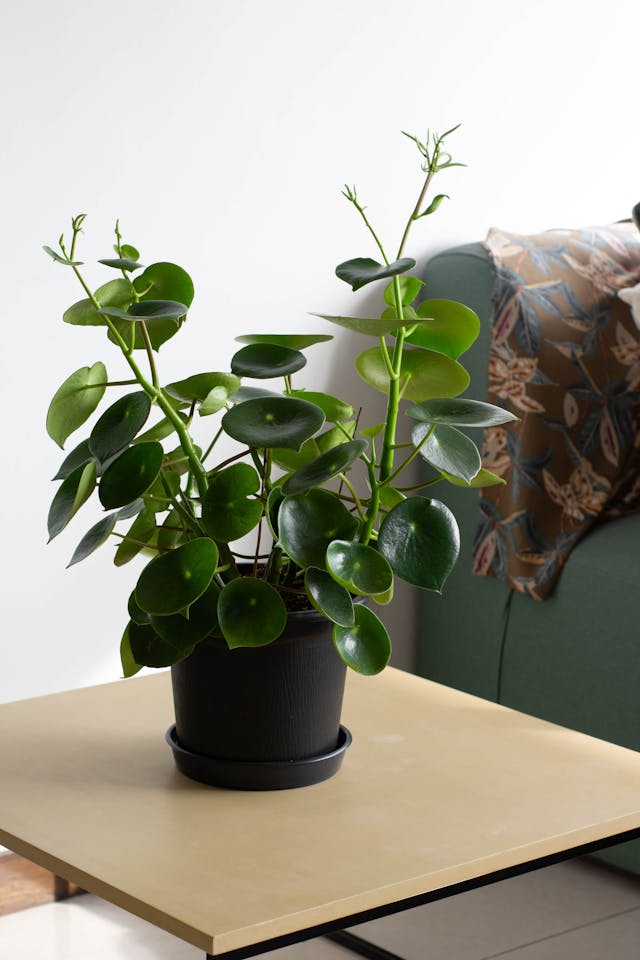
Baby rubber plant (Peperomia obtusifolia) is a compact, attractive houseplant known for its thick, glossy, oval-shaped leaves and upright growth habit. It is widely grown as an ornamental indoor plant and is appreciated for its low-maintenance care, drought tolerance, and decorative foliage.
Lighting Requirements: Baby rubber plants grow best in bright, indirect light but can tolerate moderate indoor light. Avoid strong direct sunlight, which can scorch the leaves. Bright, filtered light encourages fuller and healthier growth.
Watering Needs: Baby rubber plants prefer to dry out slightly between waterings. Water when the top 1–2 inches of soil feel dry. Their thick leaves store moisture, so overwatering can cause root rot. Typically, watering every 1–2 weeks is sufficient, depending on indoor conditions.
Potting Soil: This plant thrives in well-draining potting soil that holds light moisture without becoming soggy. A standard indoor potting mix with added perlite or orchid bark improves drainage and root health.
Propagation: Baby rubber plants are easily propagated through leaf or stem cuttings. Place a healthy cutting in moist soil or water, and with bright, indirect light, roots will develop and a new plant will grow.
10: Ponytail palm (Beaucarnea recurvata)
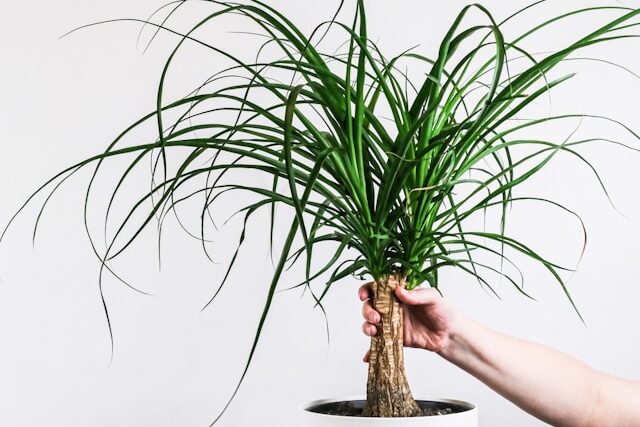
Ponytail palm (Beaucarnea recurvata) is a unique, slow-growing houseplant recognized for its swollen, bulb-like trunk and long, curly leaves that cascade like a ponytail. It is widely grown as an ornamental indoor plant and is valued for its drought tolerance, sculptural appearance, and low-maintenance care.
Lighting Requirements: Ponytail palms grow best in bright, indirect light and can tolerate some direct sunlight. A sunny window with filtered light is ideal. Adequate light supports strong growth and keeps the plant compact and healthy.
Watering Needs: Ponytail palms should be watered sparingly, allowing the soil to dry out completely between waterings. The swollen trunk stores water, making the plant highly drought-tolerant. Overwatering can cause root rot. Typically, watering every2–3 weeks is sufficient, depending on indoor conditions.
Potting Soil: This plant prefers well-draining soil, such as a cactus or succulent potting mix. Adding sand or perlite improves drainage and prevents excess moisture around the roots.
Propagation: Ponytail palms are usually propagated from seeds or by separating small offsets that sometimes grow at the base of mature plants. Plant the offset in well-draining soil and provide bright, indirect light for establishment.
11: Cast iron plant (Aspidistra elatior)
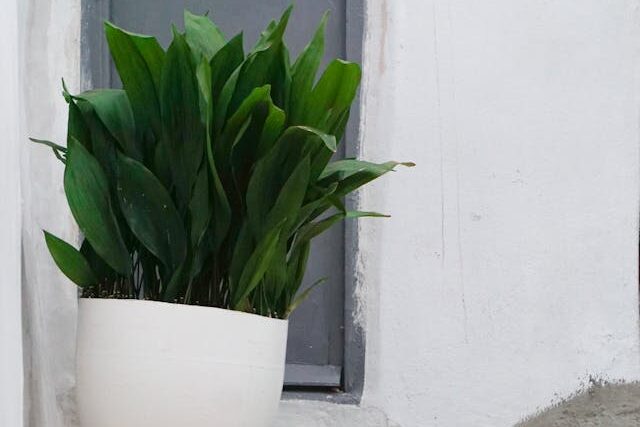
Cast iron plant (Aspidistra elatior) is a tough, slow-growing houseplant known for its broad, dark green leaves and exceptional tolerance to neglect. It is widely grown as an ornamental indoor plant and is valued for its ability to thrive in low light and challenging indoor conditions.
Lighting Requirements: Cast iron plants grow best in low to moderate indirect light and are well suited for shaded indoor spaces. Avoid direct sunlight, which can scorch the leaves. Soft, filtered light helps maintain healthy foliage.
Watering Needs: Cast iron plants prefer moderate watering and should be allowed to dry slightly between waterings. Water when the top 1–2 inches of soil feel dry. They are tolerant of occasional neglect, but consistently soggy soil should be avoided. Typically, watering every 1–2 weeks is sufficient, depending on indoor conditions.
Potting Soil: This plant thrives in well-draining, rich potting soil that retains some moisture without becoming waterlogged. A standard indoor potting mix with added perlite supports good drainage and root health.
Propagation: Cast iron plants are best propagated by division. Gently separate the root clump into smaller sections with healthy leaves and roots, then replant them in fresh soil.
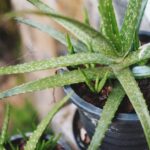
12: Zebra haworthia (Haworthiopsis attenuata)
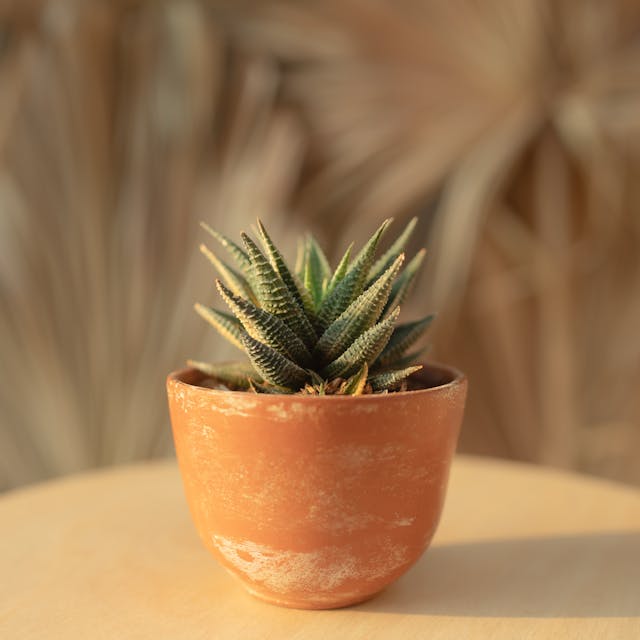
Zebra haworthia (Haworthiopsis attenuata) previously known as Haworthia attenuata is a small, attractive succulent known for its dark green leaves marked with raised white stripes, giving it a zebra-like pattern. It is widely grown as an ornamental indoor plant and is appreciated for its compact size, unique appearance, and easy-care nature.
Lighting Requirements: Zebra haworthia grows best in bright, indirect light and can tolerate some gentle morning sun. Avoid harsh direct sunlight, which can cause leaf burn. Bright, filtered light keeps the plant compact and healthy.
Watering Needs: Zebra haworthia should be watered sparingly, allowing the soil to dry out completely between waterings. As a succulent, it stores water in its leaves, so overwatering can lead to root rot. Typically, watering every 2–3 weeks is enough, depending on indoor conditions.
Potting Soil: This plant prefers well-draining soil, such as a cactus or succulent potting mix. Adding sand or perlite improves drainage and prevents excess moisture around the roots.
Propagation: Zebra haworthia is easily propagated by separating offsets (pups) that grow around the base of the parent plant. Gently remove an offset with roots attached and plant it in well-draining soil.
13: Parlor palm (Chamaedorea elegans)
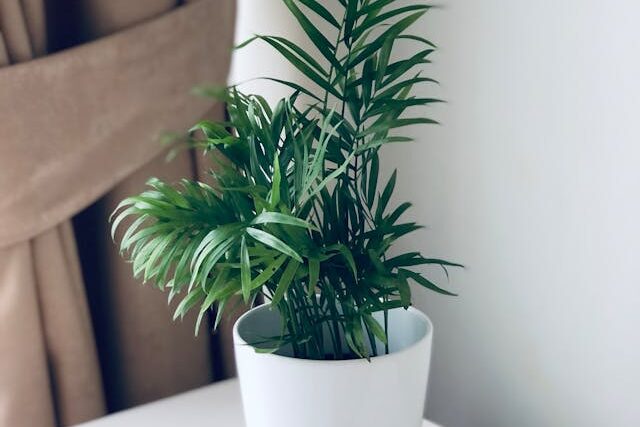
Parlor palm (Chamaedorea elegans) is a graceful, compact palm known for its soft, feathery green fronds and elegant, upright growth. It is widely grown as an ornamental indoor plant and is valued for its ability to thrive in low light and add a tropical feel to indoor spaces.
Lighting Requirements: Parlor palms grow best in bright, indirect light but tolerate low light conditions very well. Avoid direct sunlight, which can scorch the delicate fronds. Soft, filtered light encourages steady, healthy growth.
Watering Needs: Parlor palms prefer lightly moist soil but should not sit in water. Water when the top inch of soil feels dry. Overwatering can cause root rot, while overly dry soil may lead to browning tips. Typically, watering once a week is sufficient, depending on indoor conditions.
Potting Soil: This plant thrives in well-draining, peat-based potting soil that retains some moisture without becoming soggy. A standard indoor potting mix with added perlite works well.
Propagation: Parlor palms are usually propagated from seeds or by carefully dividing mature clumps with established roots and stems.
14: Calathea (Calathea spp.)
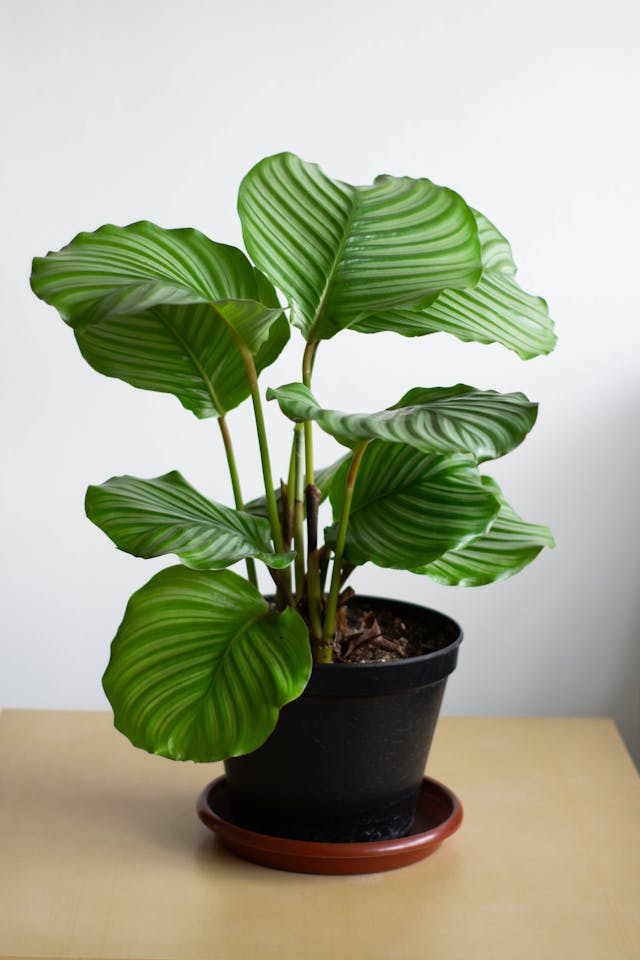
Calathea (Calathea spp.) is a striking tropical houseplant admired for its large, patterned leaves that feature bold markings and rich shades of green, purple, and silver. It is widely grown as an ornamental indoor plant and is prized for its decorative foliage and ability to bring a lush, tropical look to interiors.
Lighting Requirements: Calatheas grow best in bright, indirect light and can tolerate moderate indoor light. Avoid direct sunlight, which can fade or scorch the delicate leaves. Gentle, filtered light helps preserve their vibrant patterns.
Watering Needs: Calatheas prefer consistently moist soil and are sensitive to drying out. Water when the top inch of soil feels slightly dry. They enjoy higher humidity and can develop brown leaf edges if the air is too dry. Typically, watering once a week is suitable, depending on indoor conditions.
Potting Soil: This plant thrives in well-draining, moisture-retentive soil rich in organic matter. A peat-based indoor potting mix with added perlite or coco coir helps maintain proper moisture balance and aeration.
Propagation: Calatheas are best propagated by division. Gently separate a mature plant into smaller clumps with healthy roots and replant them in fresh soil.
15: Swiss cheese plant (Monstera deliciosa)
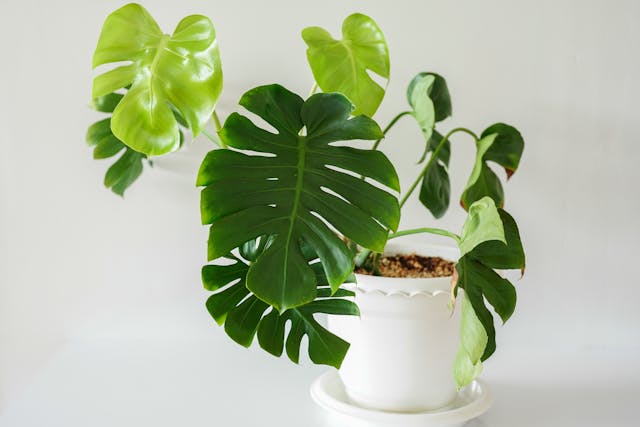
Swiss cheese plant (Monstera deliciosa) is a popular tropical houseplant known for its large, glossy leaves with natural splits and holes that give it a distinctive look. It is widely grown as an ornamental indoor plant and is valued for its bold foliage, fast growth, and ability to create a lush, modern indoor atmosphere.
Lighting Requirements: Monstera grows best in bright, indirect light but can tolerate moderate indoor light. Avoid harsh direct sunlight, which can scorch the leaves. Bright, filtered light encourages larger leaves and more pronounced splits.
Watering Needs: Monstera prefers slightly moist soil and should be watered when the top 1–2 inches of soil feel dry. Avoid overwatering, as soggy soil can cause root rot. Typically, watering every 1–2 weeks is sufficient, depending on indoor conditions.
Potting Soil: This plant thrives in well-draining, nutrient-rich soil that retains some moisture. A mix of indoor potting soil with added perlite, peat moss, or orchid bark provides good aeration and drainage.
Propagation: Monstera is easily propagated through stem cuttings with a node attached. Place the cutting in water or moist soil, and with bright, indirect light, roots will develop and new growth will follow.
5 Essential Care Tips for Low-Light Houseplants
Low-light houseplants are ideal for rooms with limited sunlight, but they still require the right care to grow well. By following a few simple practices, you can keep your indoor plants healthy and vibrant even in dim spaces.
1. Water less to prevent root rot
Low-light indoor plants use water slowly, so overwatering is one of the biggest risks. Allow the top layer of soil to dry before watering to protect the roots and maintain healthy growth.
2. Use well-draining potting soil
Choose a light, well-draining potting mix that prevents excess moisture from sitting around the roots. Proper drainage is essential for healthy low-light houseplants.
3. Keep leaves clean for better light absorption
Dust can block light and reduce photosynthesis. Gently wipe leaves with a damp cloth to help your indoor plants absorb as much available light as possible.
4. Rotate plants for even growth
Turn your plants every few weeks so all sides receive equal exposure to light. This prevents leaning and promotes balanced growth.
5. Fertilize lightly and occasionally
Low-light plants grow more slowly and require less fertilizer. Feed sparingly during the growing season and avoid fertilizing in winter.
Low-light houseplants are easy to care for when you understand their needs. With proper watering, soil, and maintenance, they can thrive and brighten any indoor space.